Results

Ushering in a new chapter for ocean governance ratification of the BBNJ agreement.

The Eastern Tropical Pacific conceals extraordinary, vast deep-ocean ecosystems, plunging from oceanic islands to depths of 3,800 meter, most of which remain largely unexplored, presenting real challenges for effective protection and management. Despite their significance, these ecosystems are poorly understood and subject to persistent threats, including overfishing, climate change, pollution, and the prospect for deep-sea mining.


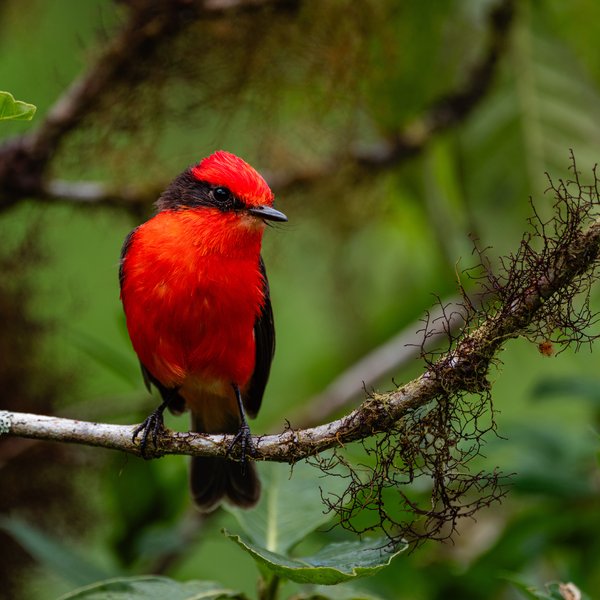
New DNA research reveals that Galápagos Vermilion Flycatchers are not one species, but a mosaic of long-isolated island lineages. By uncovering hidden genetic diversity, scientists are reshaping conservation priorities and taxonomic understanding—find out how evolution, extinction, and restoration efforts intersect across the archipelago.
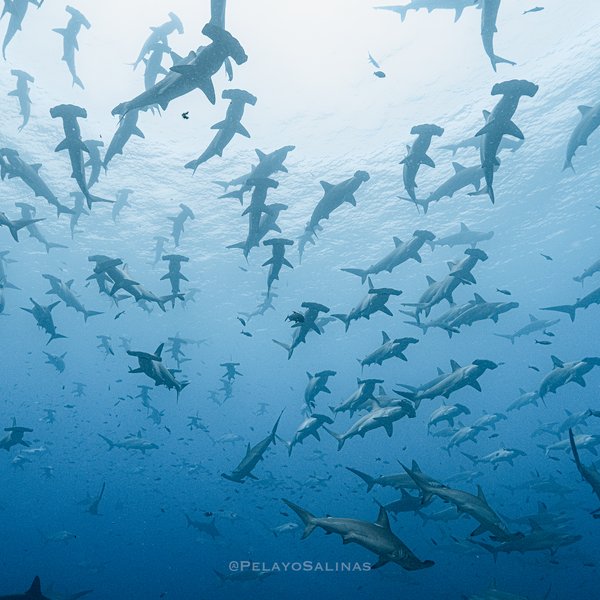
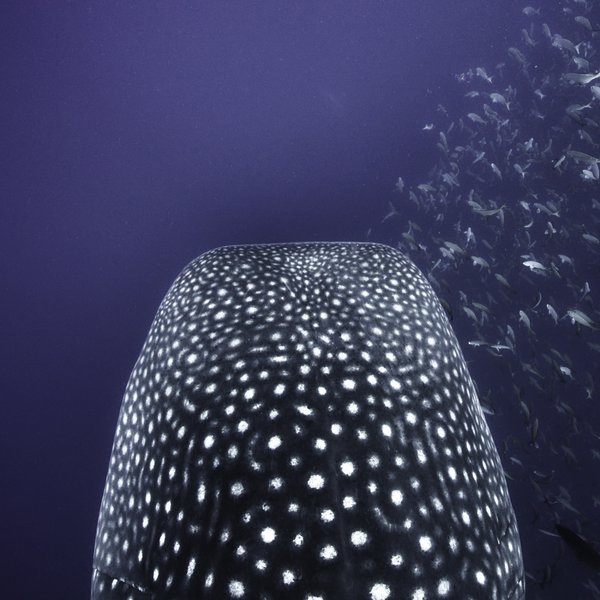
A groundbreaking study across seven marine protected areas in the Eastern Tropical Pacific reveals thriving shark and predator populations in remote island MPAs like Galapagos and Malpelo, while coastal reserves are severely depleted. Discover what this means for ocean protection, why it matters, and the urgent actions scientists recommend.
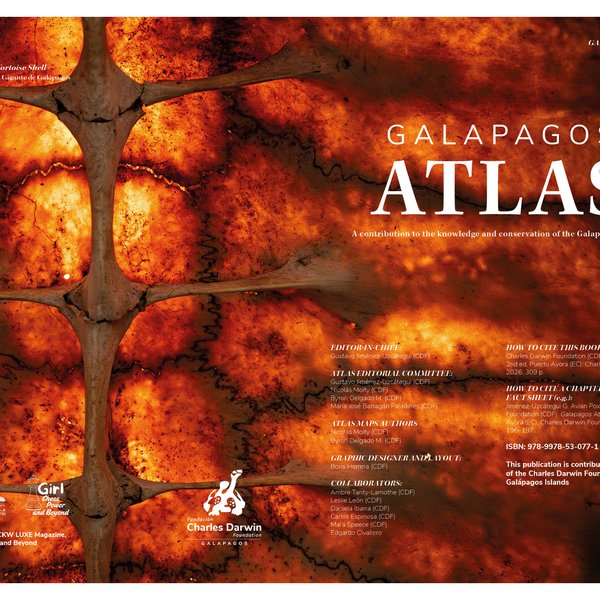
The new Galápagos Atlas 2026 offers a 309-page look at 68 species and species groups, combining purpose-built distribution maps with something rarely found in a reference guide: a clear record of what scientists still don’t know. Free to explore online, it highlights critical knowledge gaps and invites future research to strengthen conservation.
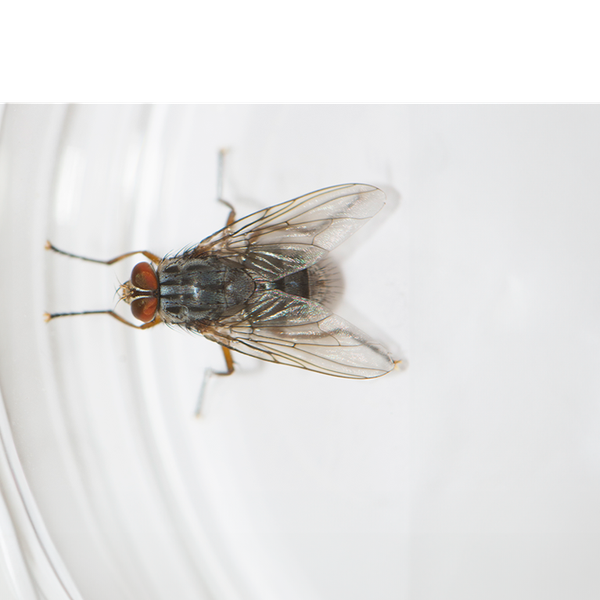
In a race against time, our scientists are working hard to find ways to control the avian vampire fly (Philornis downsi), an invasive parasitic fly that is affecting the survival of the unique small landbirds of the Galapagos Islands, including the iconic Darwin’s finches.
Discover the mission, vision, and impact of the Charles Darwin Foundation. Dedicated to preserving the Galapagos Islands through groundbreaking scientific research and conservation initiatives since 1964.