Results

Discover how Galápagos waters fuel Ecuador’s economy and fight climate change. A groundbreaking study by CDF and partners reveals the immense value of marine ecosystems—from carbon-storing mangroves to booming tourism and fishing industries. Learn why protecting these waters is essential for sustainable development and global conservation efforts.
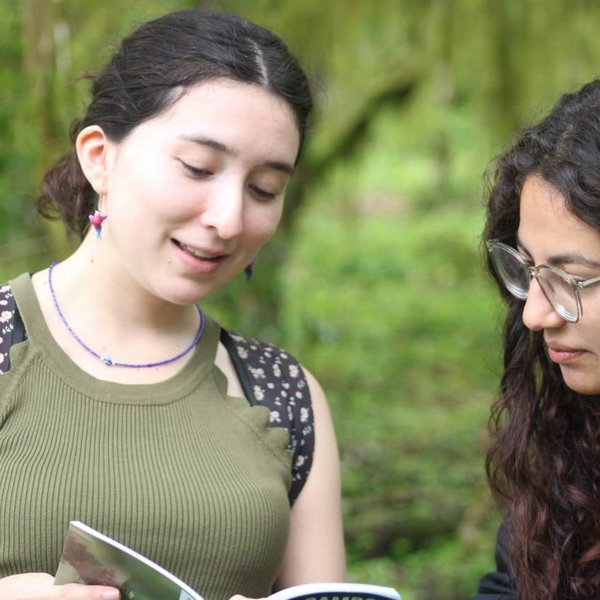
Today, I find myself here, by the sea, writing about my experience living on an island. It all started when I was searching for an opportunity, and I found a living dream instead: volunteering in the Galápagos. I applied to the Landbird Conservation Program of the Charles Darwin Foundation and had the privilege of becoming part of their team.Today, I find myself here, by the sea, writing about my experience living on an island. It all started when I was searching for an opportunity, and I found a living dream instead: volunteering in the Galápagos. I applied to the Landbird Conservation Program of the Charles Darwin Foundation and had the privilege of becoming part of their team.
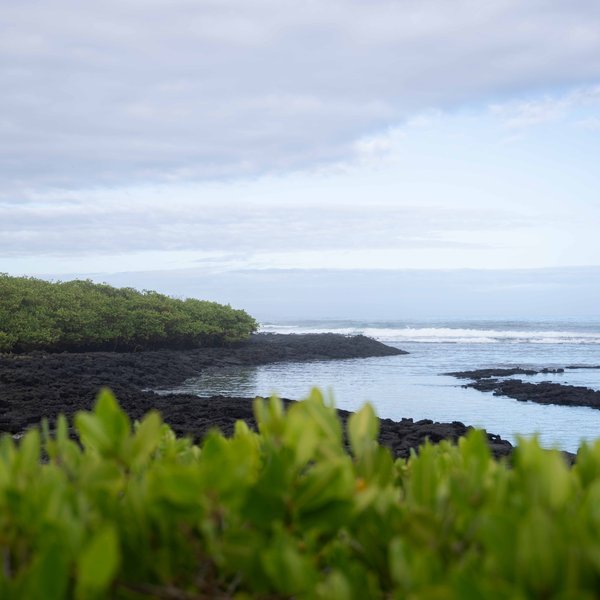
Scientists from the Charles Darwin Foundation (CDF) have, for the first time, assessed the conservation status of mangrove ecosystems in the Galápagos Islands using the Red List of Ecosystems methodology developed by the International Union for Conservation of Nature (IUCN). The study concludes that this ecosystem is classified as Vulnerable, underscoring the urgency of its conservation. The full report is available in the EcoEvoRxiv repository.
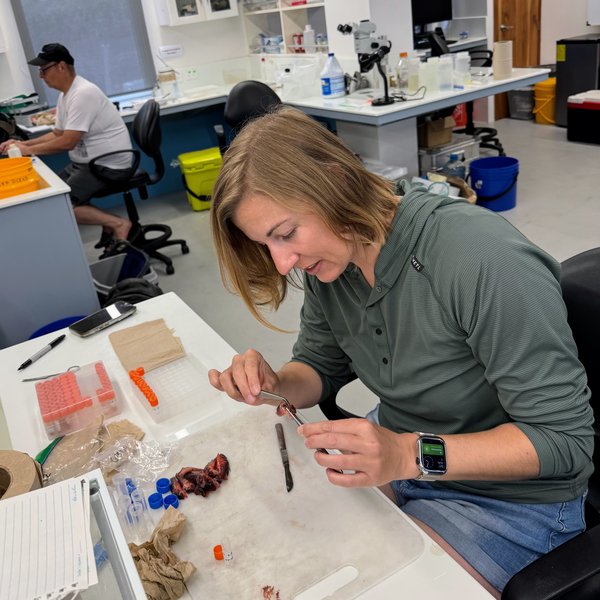
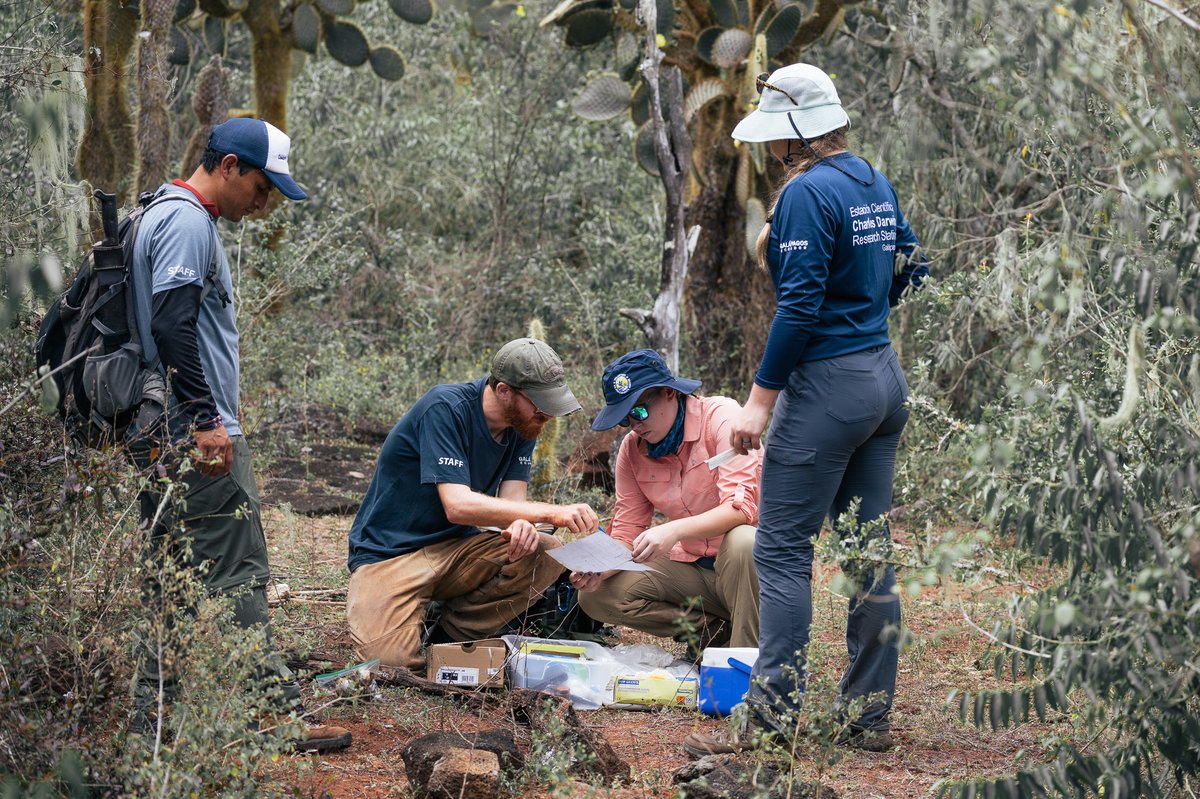
Savanna Barry, a collaborating scientist joined the Charles Darwin Foundation to study invasive frogs, restore endangered Scalesia forests, and dive into coral reef research. From field transects to fish dissections, these field notes reveal the science, mentorship, and conservation challenges shaping the future of the Galápagos.
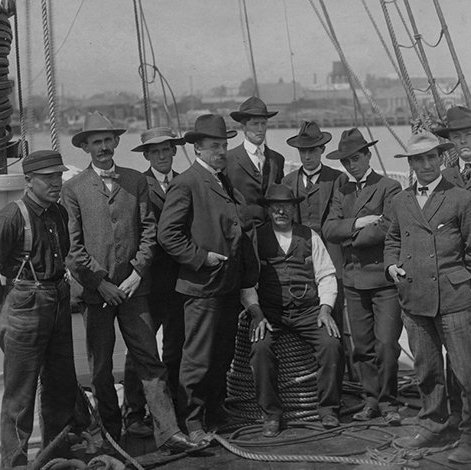
The 1905–1906 expedition of the California Academy of Sciences, led by Rollo Howard Beck, introduced a systematic approach to studying the Galápagos. By documenting specimen origins, it revealed variation among islands, established the archipelago as a natural laboratory of evolution, and laid foundations for ongoing research and conservation.
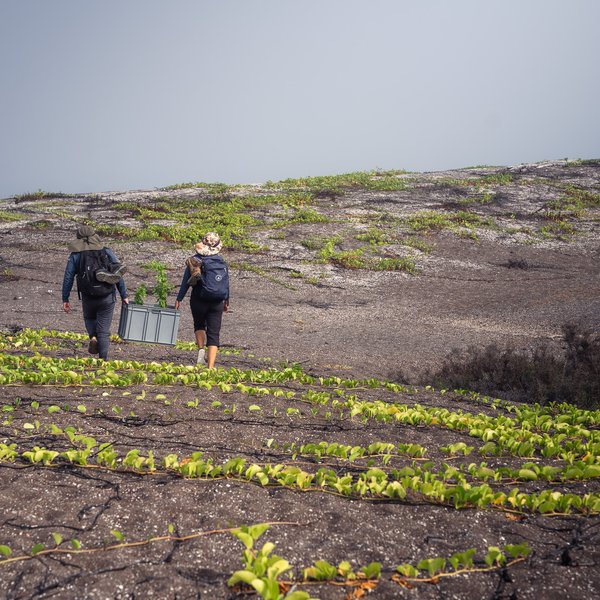
Once on the brink of extinction, the Galápagos snapdragon (Galvezia leucantha) is showing encouraging signs of recovery after 30 years of conservation. From just six surviving plants to 28 adults today, science, restoration and collaboration are helping bring this critically endangered species back to its historic habitat. Discover its remarkable journey.
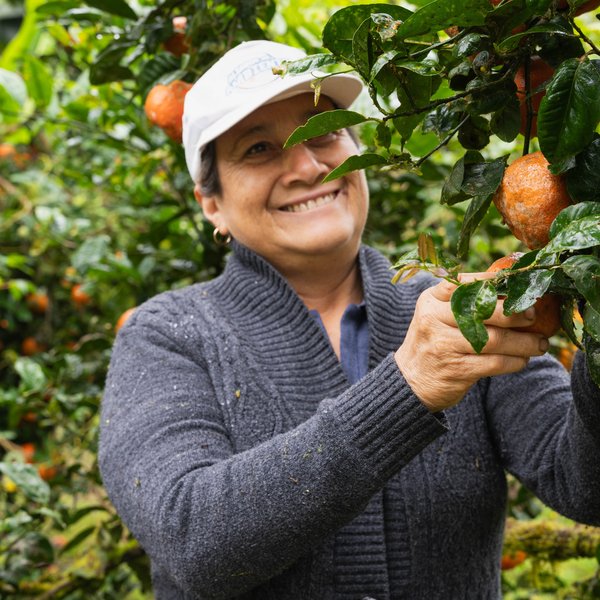
In Galápagos, three out of every four food items come from mainland Ecuador, opening the door to invasive species. Research by the Charles Darwin Foundation shows that active farms, sustainable small-scale fisheries and restaurants that buy local reduce this dependence, protect unique biodiversity and strengthen the archipelago’s long-term sustainability.