Results
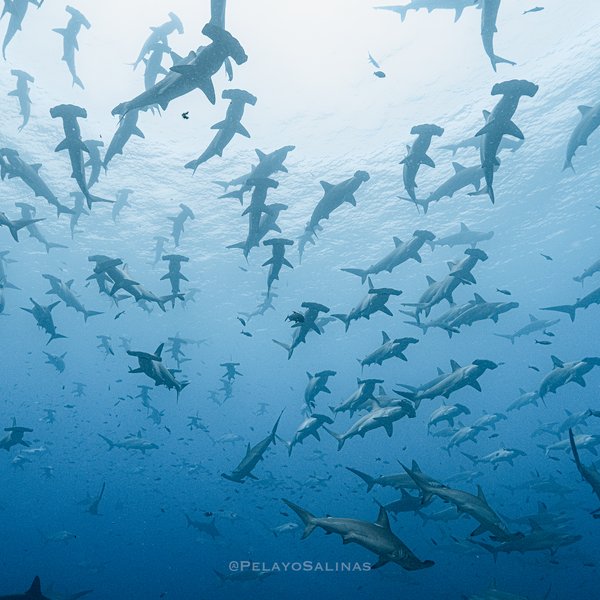
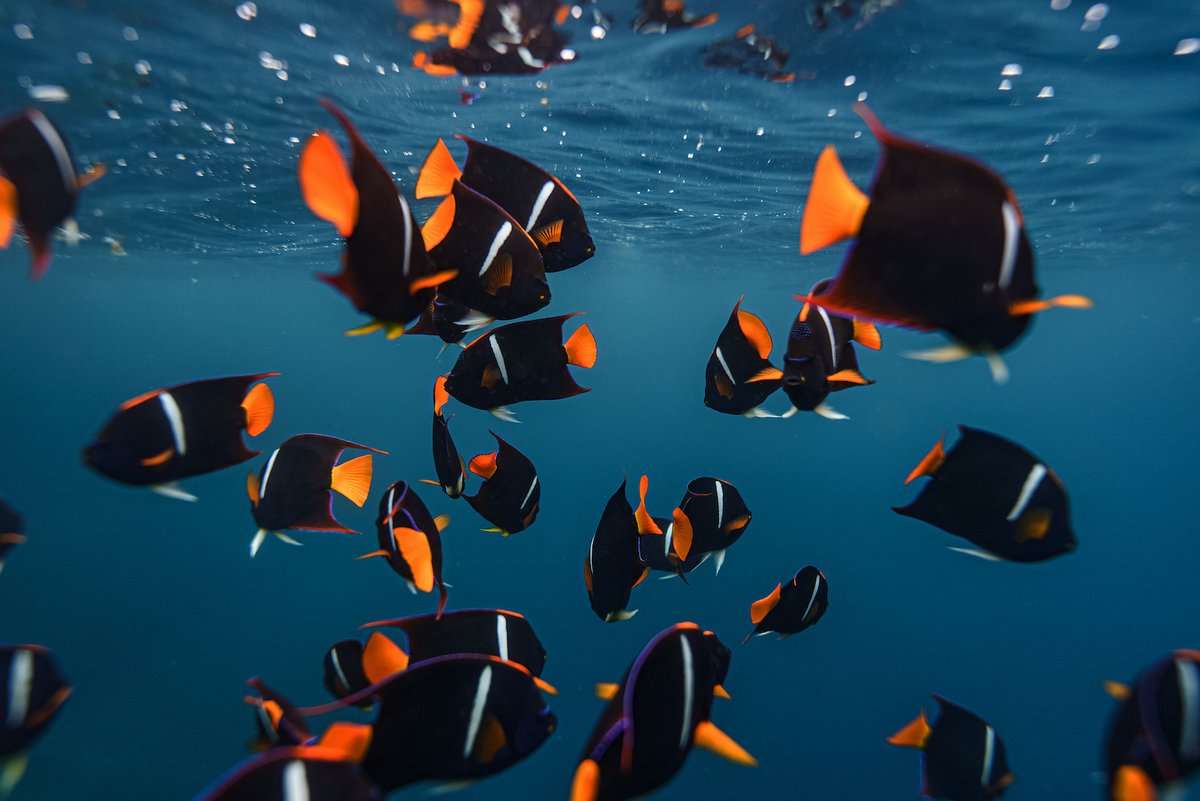
A groundbreaking study across seven marine protected areas in the Eastern Tropical Pacific reveals thriving shark and predator populations in remote island MPAs like Galapagos and Malpelo, while coastal reserves are severely depleted. Discover what this means for ocean protection, why it matters, and the urgent actions scientists recommend.
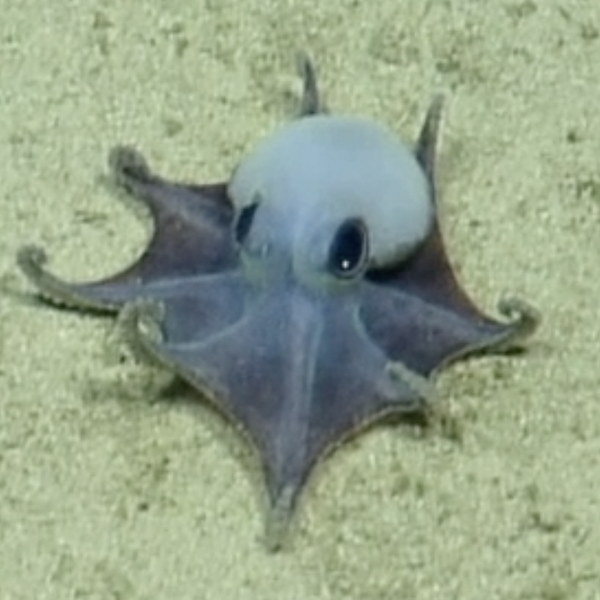
A tiny blue octopus discovered nearly 6,000 feet beneath the waters of Galápagos is rewriting what scientists know about deep-sea life. From a chance encounter during an underwater expedition to cutting-edge CT scans revealing a species never seen before, this remarkable discovery highlights the mysteries still hidden in Earth’s oceans.
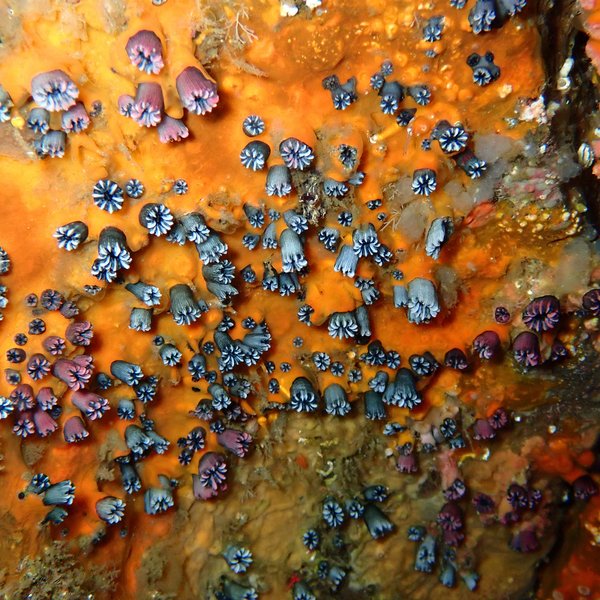
A scientific team led by the Charles Darwin Foundation (CDF) and the California Academy of Sciences (CAS), in collaboration with the Galapagos National Park Directorate (GNPD) has confirmed that Rhizopsammia wellingtoni—a solitary coral thought to be lost for a generation— is alive and clinging to Galapagos’ underwater cliffs.

The Galapagos Rail (Laterallus spilonota) has been confirmed on Floreana Island for the first time in 190 years. This follows a 2023 eradication campaign that removed most invasive cats and rats, likely aiding its survival. Researchers will conduct genetic testing to determine if the species recolonized or persisted undetected.

12 Little Vermilion Flycatcher chicks fledge the nest, in most successful nesting season yet in Santa Cruz Island


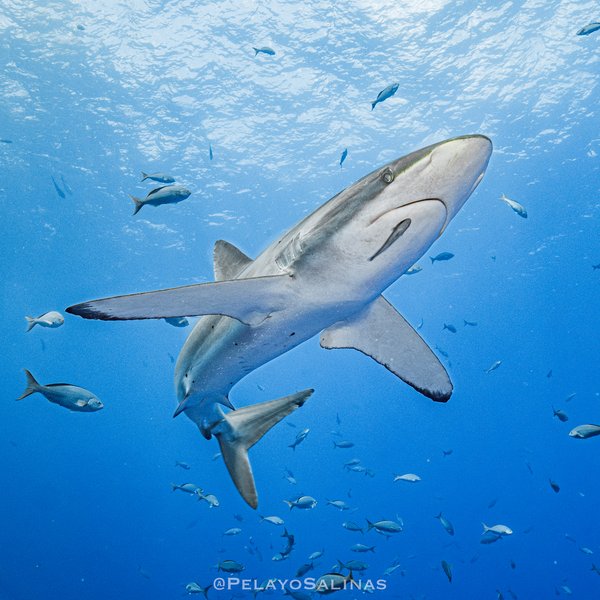
Satellite tagging reveals that silky sharks spend nearly half their time outside Eastern Tropical Pacific marine reserves, exposing them to intense industrial fishing. Tracking 40 sharks from Galápagos, researchers uncover critical gaps in MPA networks and call for expanded protections to better safeguard this vulnerable, wide-ranging species in the region.

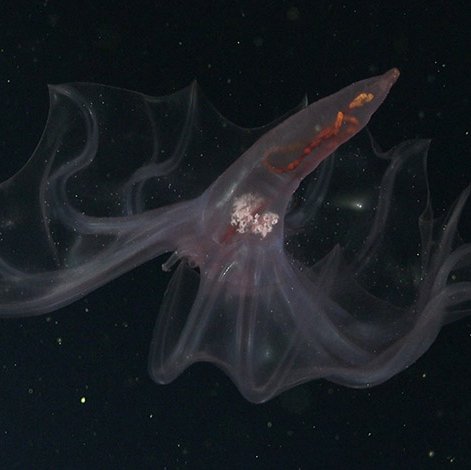
New Initiative Launches to Support Deep Ocean Exploration and Conservation in Galapagos and the Eastern Tropical Pacific
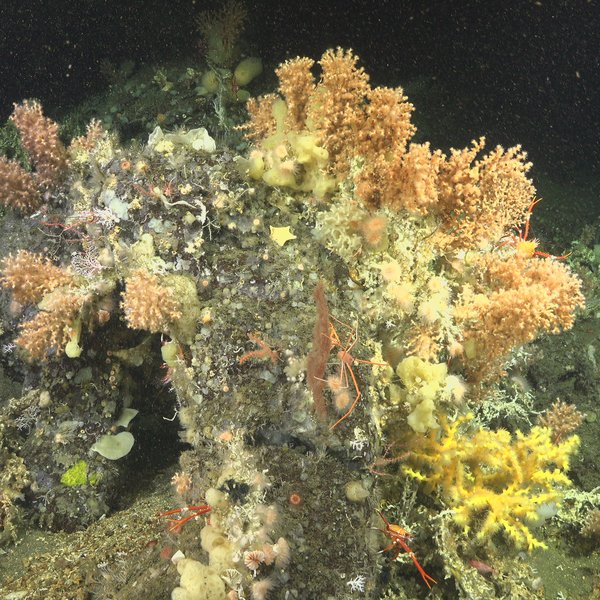
Scientists have uncovered a hidden collapse of Galápagos deep-sea corals, revealing a 1,000-year disappearance linked to ancient climate shifts. By reconstructing 117,000 years of ocean history, the study exposes the vulnerability—and resilience—of these unseen ecosystems, offering urgent insights into how climate change could reshape life in the deep ocean.