Results
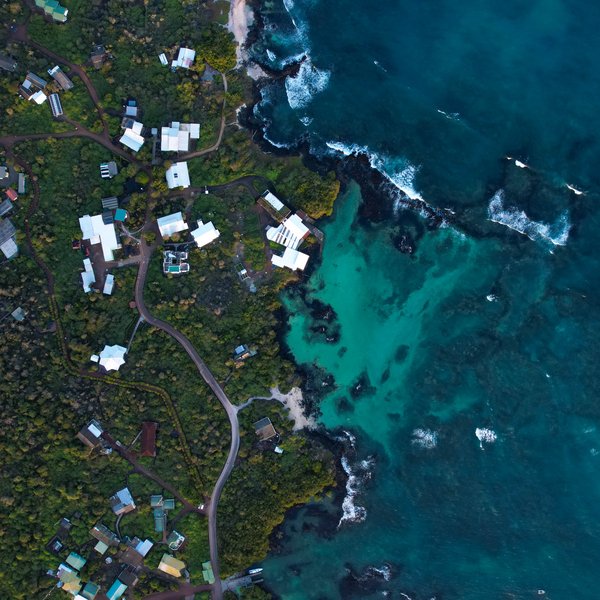
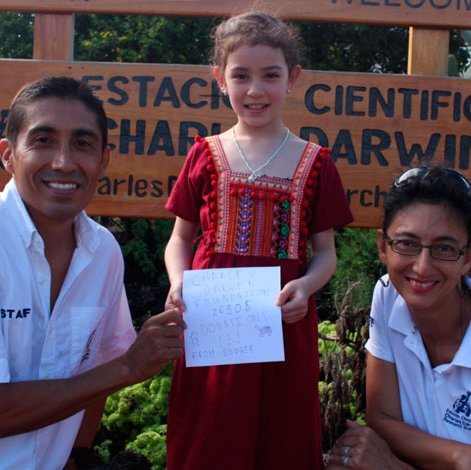
Inaugurated in 1964 as a base for scientists conducting their research on Galapagos, the Charles Darwin Research Station on Santa Cruz Island welcomes all visitors to discover how our scientific research and conservation actions ensure we safeguard one of the world’s most important natural treasures for future generations.
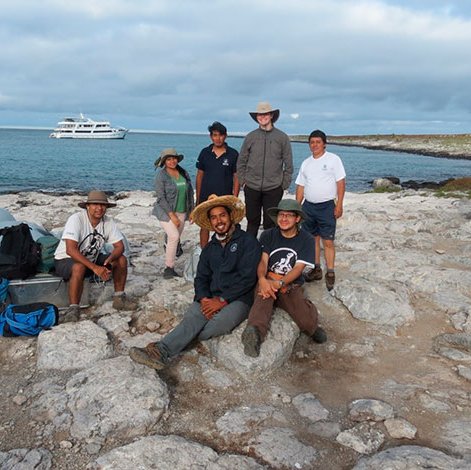
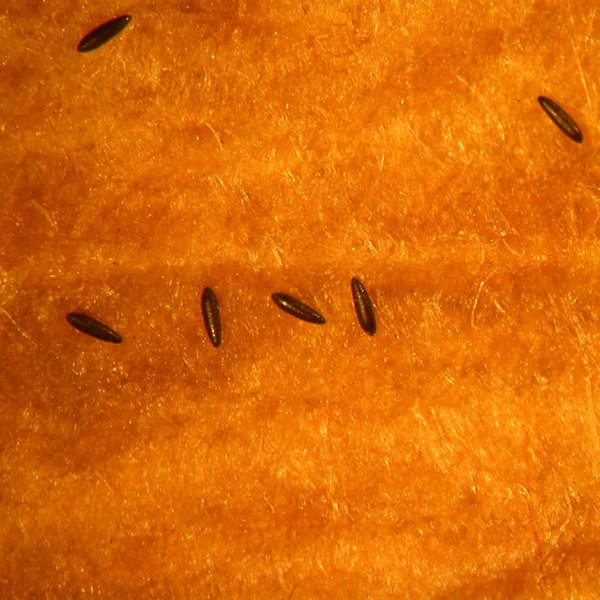
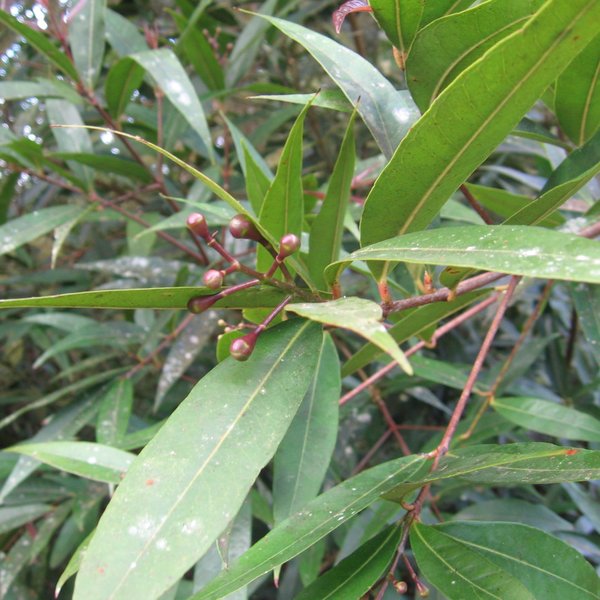
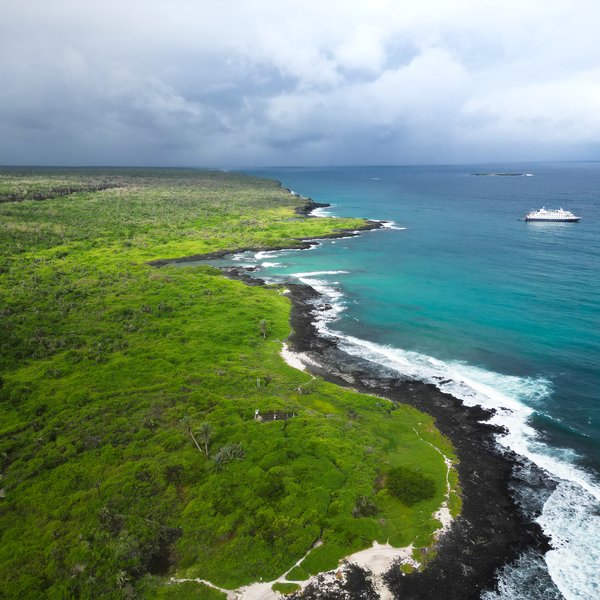
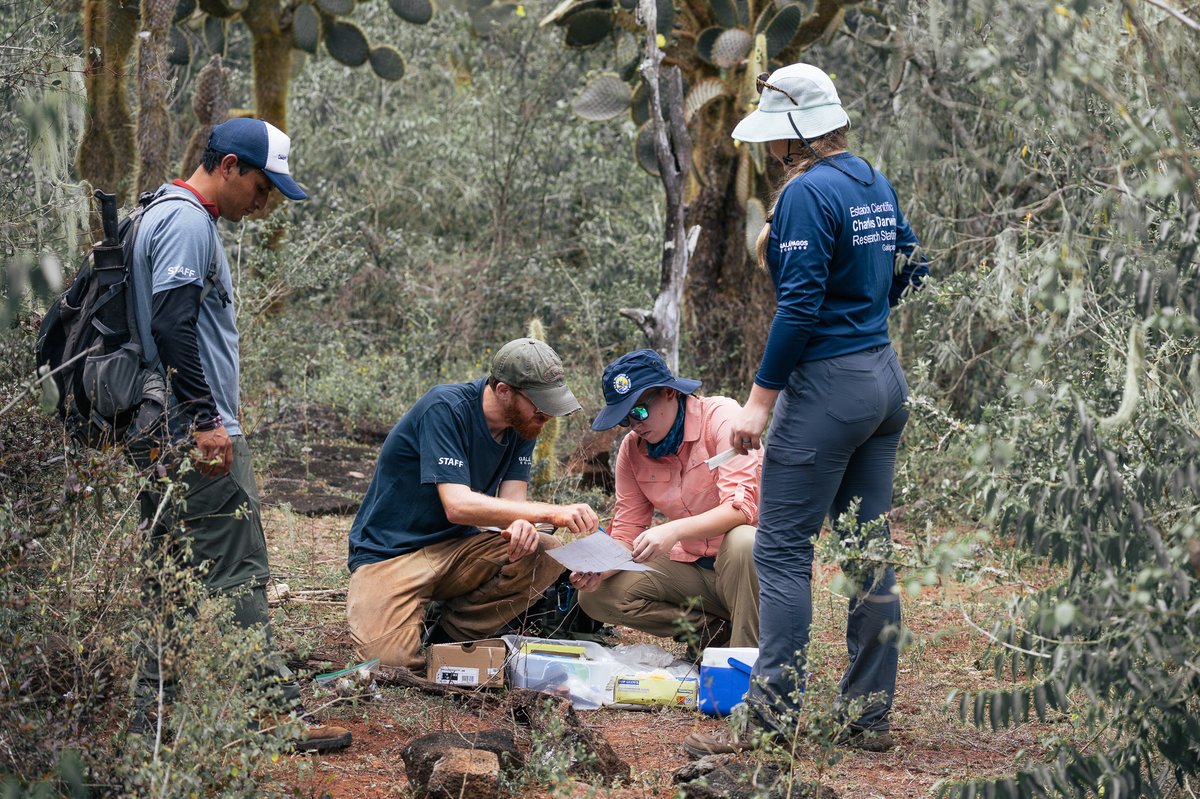
The Charles Darwin Foundation (CDF) is pleased to announce that 16 individuals of the rare plant Scalesia retroflexa were found growing on the steep, rocky coastal slopes of the southeastern point of Santa Cruz Island. Scientists from CDF’s Galapagos Verde 2050 ecological restoration team, in collaboration with rangers from the Galapagos National Park Directorate (GNPD), made this discovery during a recent expedition, renewing hope for the survival of this endemic species.
The Charles Darwin Foundation (CDF) is pleased to announce that 16 individuals of the rare plant Scalesia retroflexa were found growing on the steep, rocky coastal slopes of the southeastern point of Santa Cruz Island. Scientists from CDF’s Galapagos Verde 2050 ecological restoration team, in collaboration with rangers from the Galapagos National Park Directorate (GNPD), made this discovery during a recent expedition, renewing hope for the survival of this endemic species.
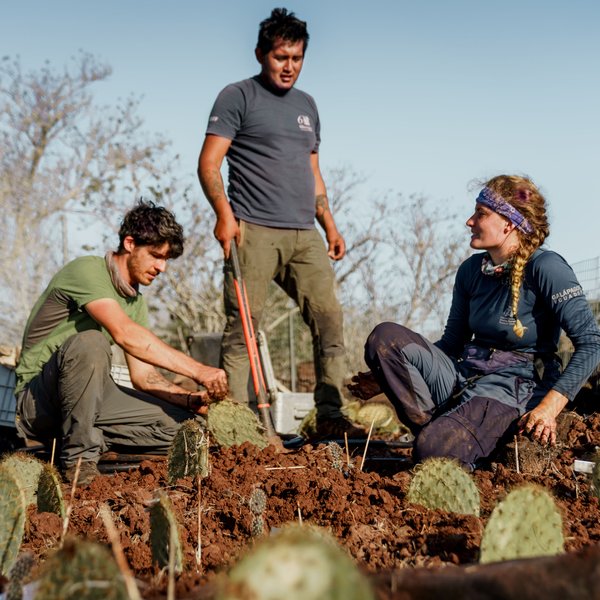
Every year since 1971 we have welcomed and trained volunteers from all over the world who are committed to the conservation of the Galapagos Islands. Volunteers are a vital part of what makes the Charles Darwin Foundation such a special place to be.
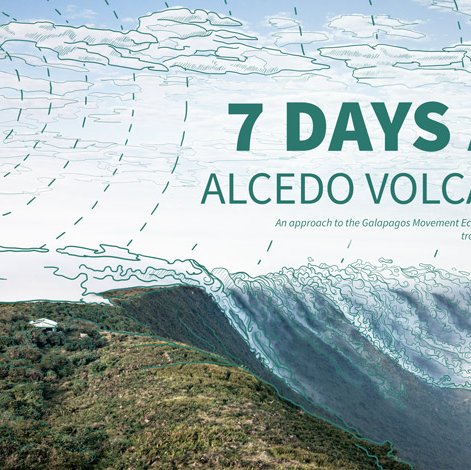
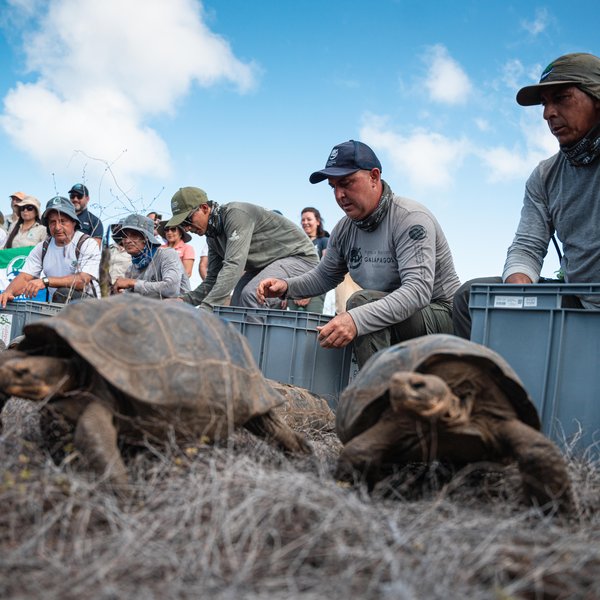
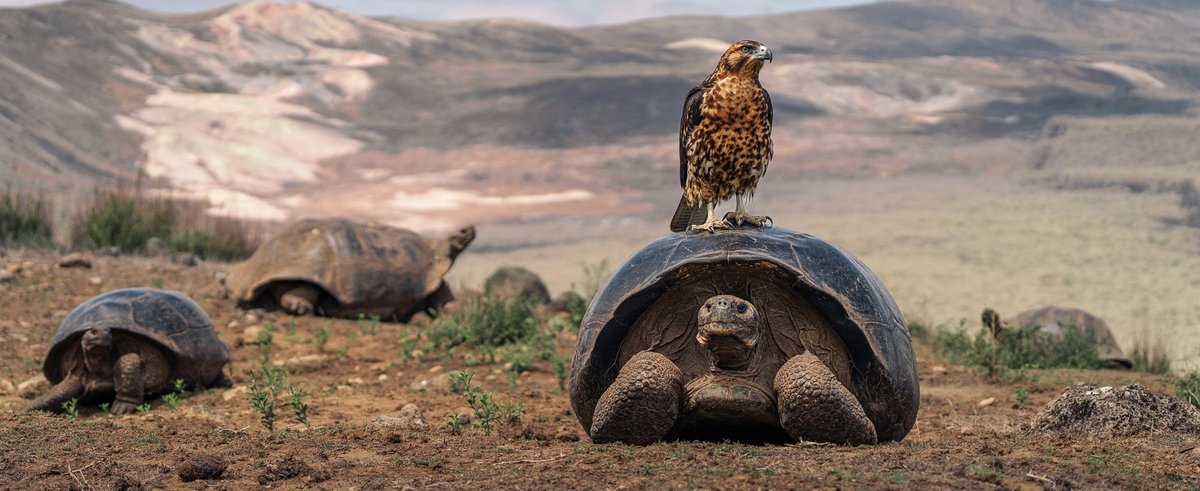
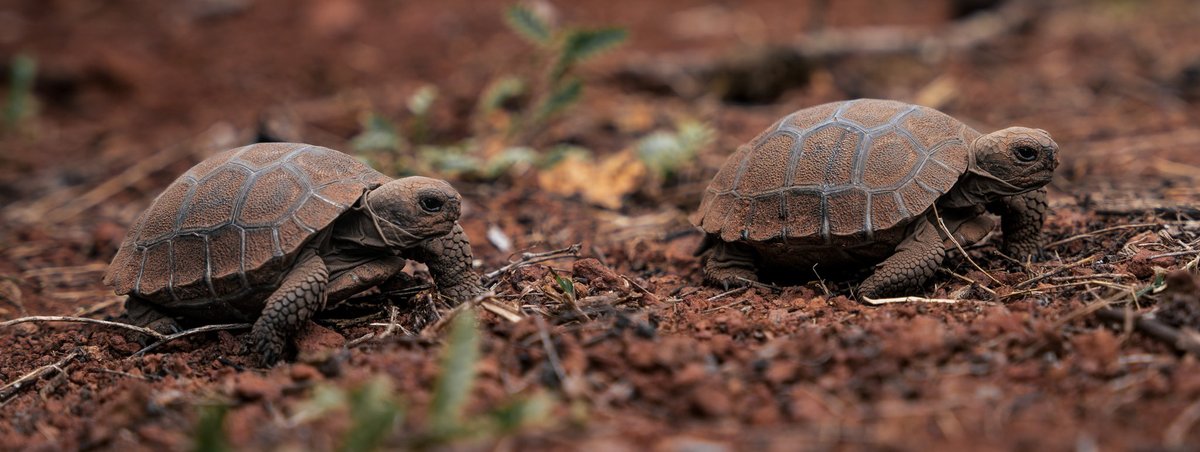
After more than 180 years, 158 endangered giant tortoises have returned to Floreana Island, marking a historic milestone in the Galápagos’ largest restoration effort. Discover how science, community leadership, and global collaboration are bringing back a lost lineage—and rebuilding an entire ecosystem from the ground up.
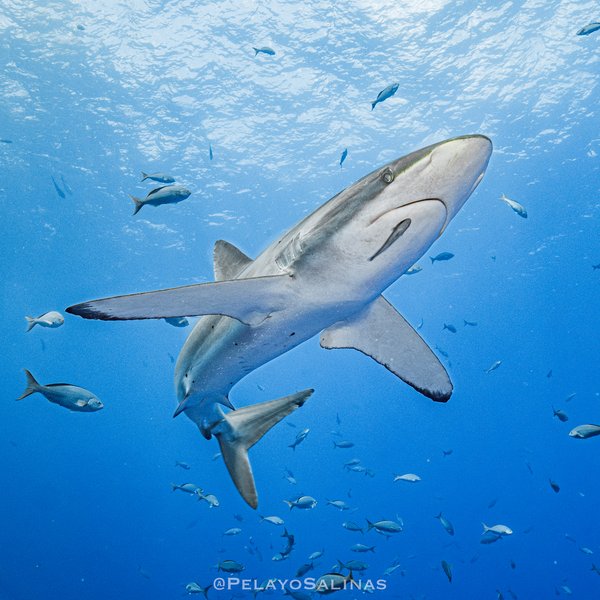
Silky shark's record-breaking migration of more than 27,000 km on the Tropical Eastern Pacific sheds light on urgent conservation need
Silky shark's record-breaking migration of more than 27,000 km on the Tropical Eastern Pacific sheds light on urgent conservation need
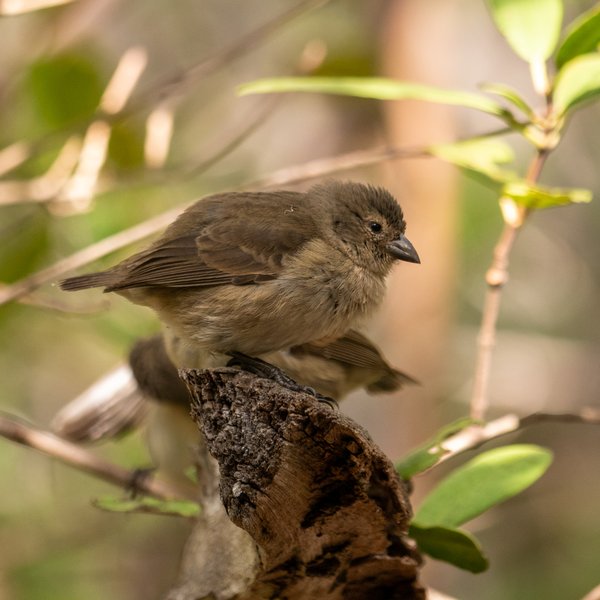
Galápagos landbirds soar to new heights.
This year’s breeding season brought record success for the Little Vermilion Flycatcher and cautious hope for the Critically Endangered Mangrove Finch. Discover how science, habitat restoration, and innovation are reshaping the future of Galápagos birds—and why this season marks a breakthrough in conservation.
This year’s breeding season brought record success for the Little Vermilion Flycatcher with 39 fledglings, while the Critically Endangered Mangrove Finch continues to be a conservation priority. Discover how science, habitat restoration, and innovation are reshaping the future of Galápagos birds—and why this season marks a breakthrough in conservation.
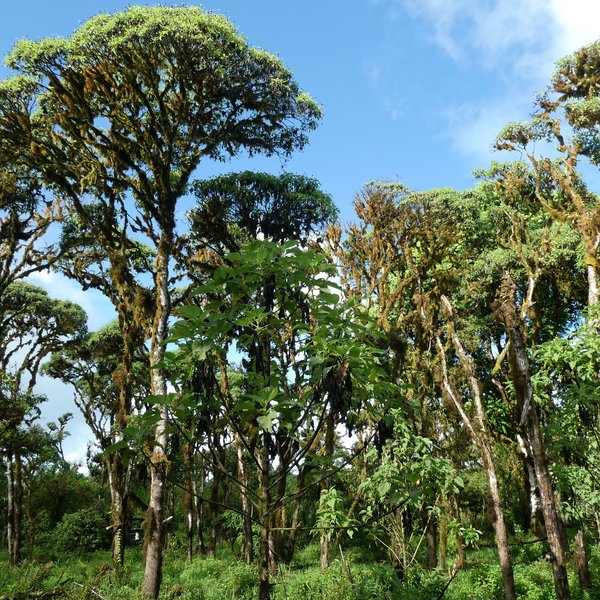
Discover how our projects foster the protection of the Galapagos Islands and how the Charles Darwin Foundation works to ensure that they remain a natural paradise for generations to come.
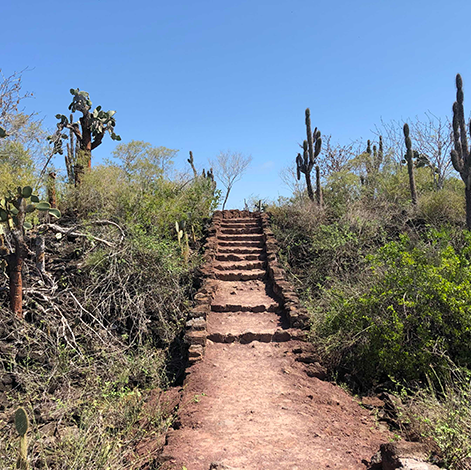
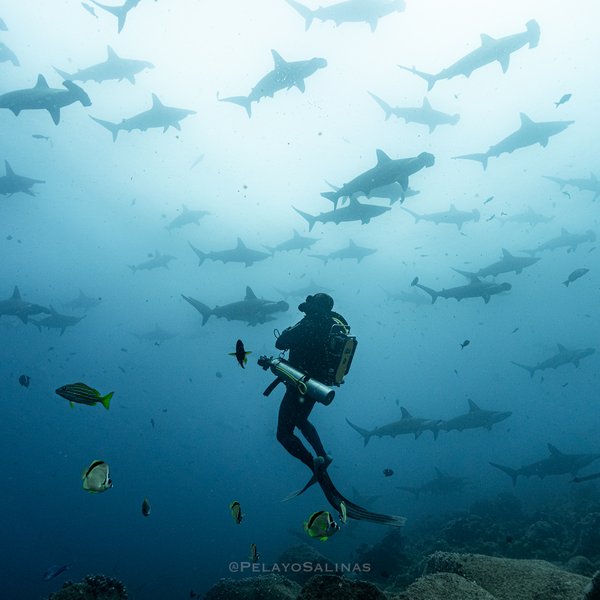
Scientists from the Charles Darwin Foundation’s shark ecology and conservation program and collaborators, have published what is likely the first-ever scientifically recorded birthing migration for the critically endangered scalloped hammerhead shark (Sphyrna lewini).