
Born to Return
The Story of Galápagos Green Sea Turtles
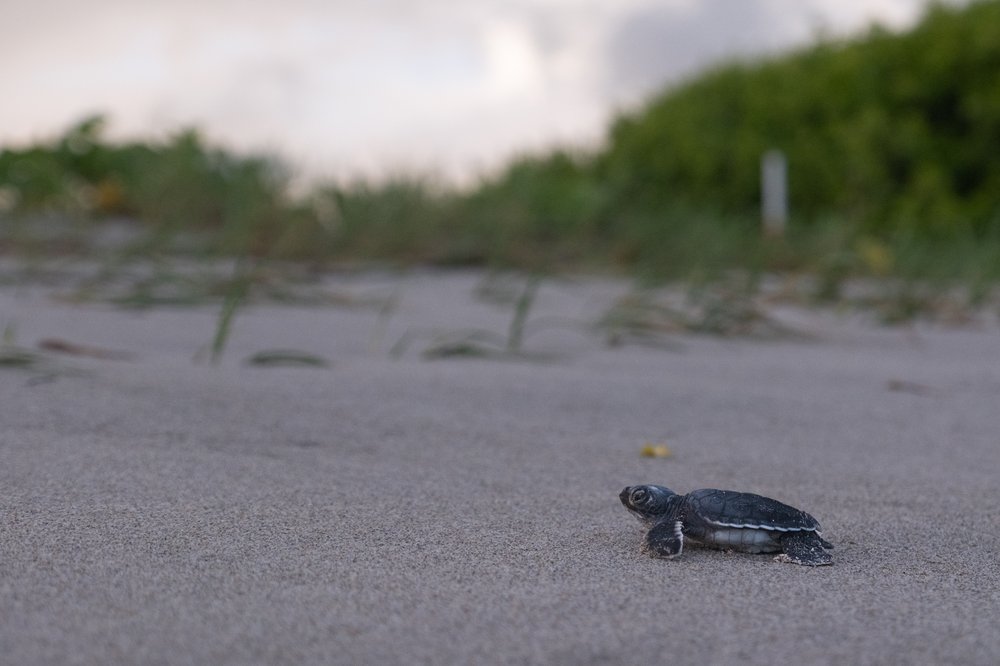
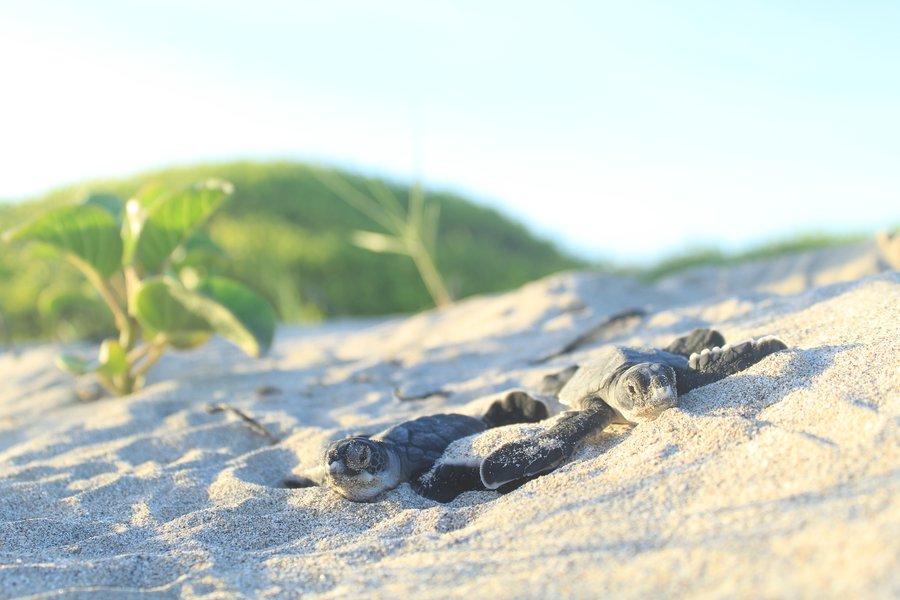
On a dark night, beneath the sand of Quinta Playa, a tiny green sea turtle broke out of her shell and began digging her way to the surface. When she emerged, she weighed only a few grams, and the vast ocean lay ahead. Guided only by the glow of the horizon, she raced toward the sea while avoiding predators waiting along the shore. She survived. Over the following decades, she traveled thousands of kilometers across the Pacific Ocean, navigating strong currents, storms, and countless threats. Yet when the time came to reproduce, she returned to the place where she had been born. There, on the same beach, she laid her eggs, allowing a new generation to continue a story that has unfolded in Galápagos for thousands of years.
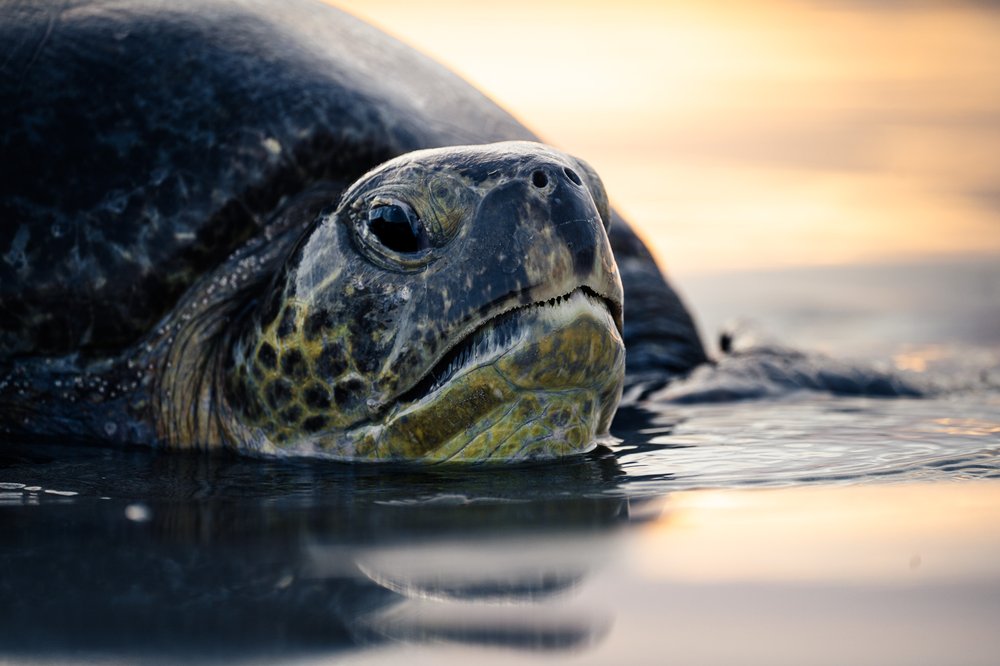
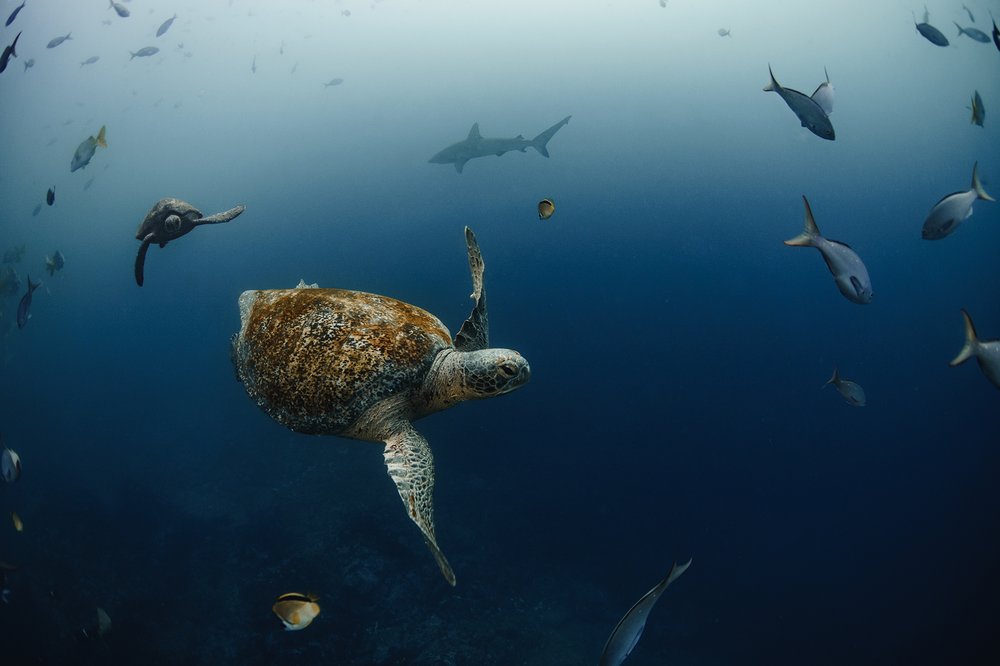
Green sea turtles Chelonia mydas are much more than an iconic species of the islands. They play a vital role in keeping marine ecosystems healthy. By feeding on algae and seagrass, they help maintain coastal habitats that support a wide variety of marine life. Their presence is also a sign of healthy oceans and thriving ecosystems.
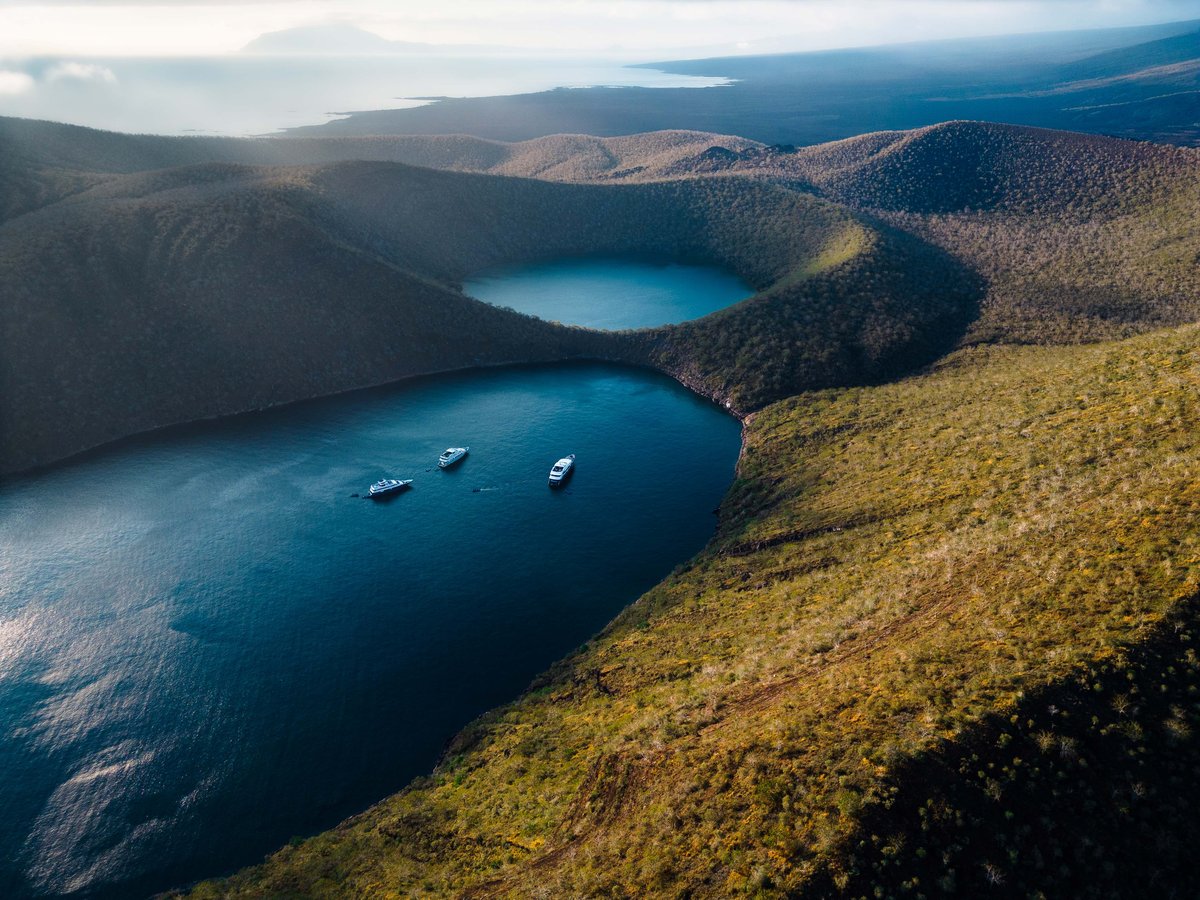
Galápagos is home to one of the most important nesting areas for green sea turtles in the Eastern Tropical Pacific. Among all the beaches in the archipelago, Quinta Playa, on southern Isabela Island, stands out as the most important nesting site for this population. Every year, hundreds of females come ashore to lay their eggs, continuing an extraordinary life cycle that connects generations across time
Carlos Espinosa CDF
Carlos Espinosa CDF
Einar Klum CDF
Yet this story of survival faces growing challenges. Marine pollution, the loss of coastal habitats, presence of introduced species at nesting habitats and human activities continue to threaten sea turtles around the world. Climate change adds another layer of risk and is now considered one of the most serious threats to the species' future.
To better understand these impacts, the Charles Darwin Foundation and the Galápagos National Park Directorate maintain a long-term monitoring program at Quinta Playa. This work helps scientists understand how environmental conditions affect turtle reproduction and how climate change may shape the future of this important population.
At Quinta Playa, every nest tells a different story. During the 2025 nesting season, researchers monitored 126 green sea turtle nests and found encouraging results. On average, 71.3% of the eggs hatched successfully, and 68.3% of hatchlings emerged from their nests. However, the team also documented significant losses. Some nests were flooded by high tides, while others were damaged when females accidentally dug into existing nests while laying their own eggs. These findings show that even in one of the species' most important nesting sites in the Eastern Pacific, every new generation faces major challenges.
Climate change threatens one of the most important stages of a sea turtle's life. In green sea turtles, just a few degrees of difference during incubation can determine whether hatchlings are born male or female. As temperatures continue to rise, scientists warn that this natural balance could be disrupted, creating increasingly uneven sex ratios and reducing the population's ability to adapt over time.
Researchers also recorded five heavy rainfall events during the season, with precipitation reaching up to 78 millimeters in a single day. Data collected from sensors placed inside nests showed that these storms lowered nest temperatures by as much as 4°C. Understanding how these changes affect developing hatchlings is essential for predicting how future climate conditions may impact sea turtle populations.
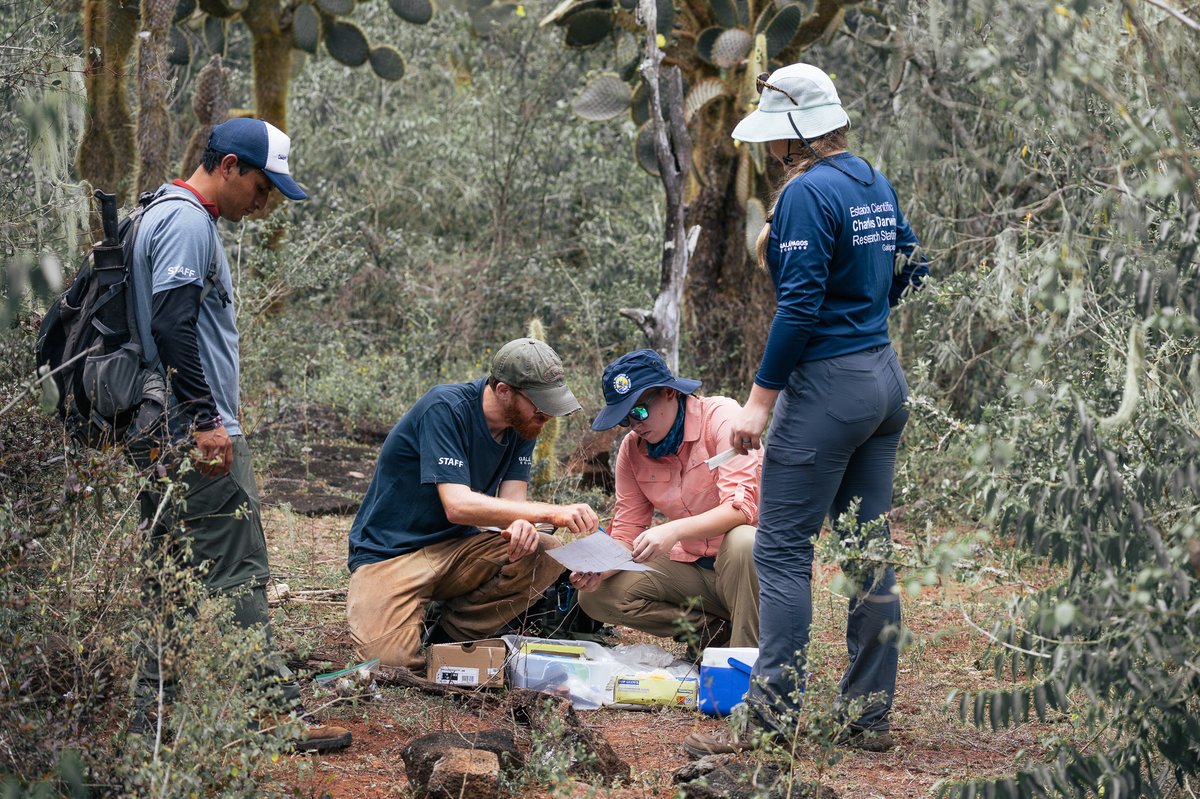
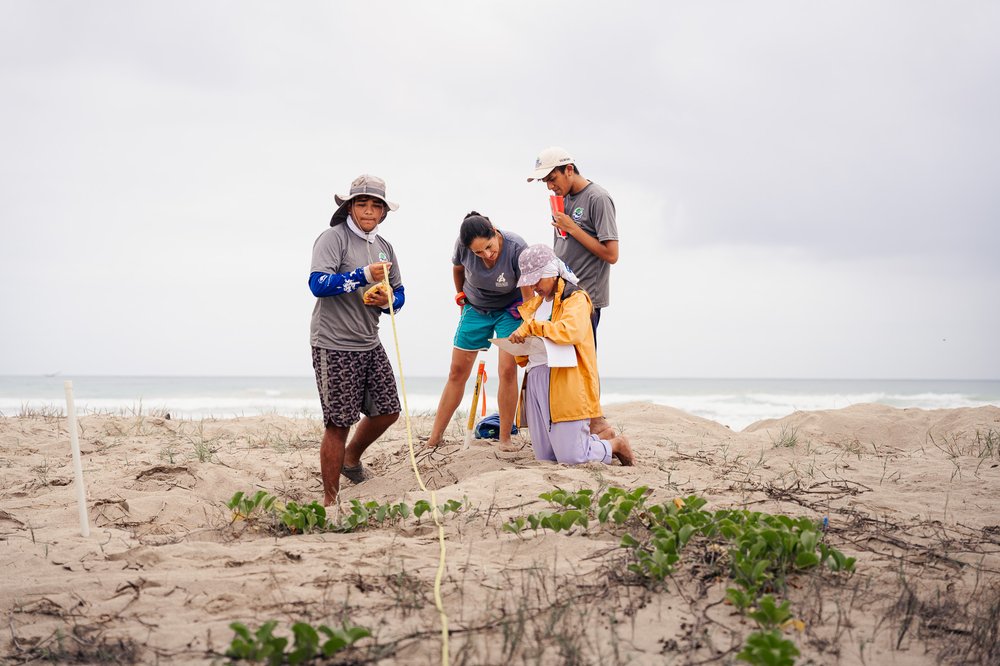
Collecting this information requires months of fieldwork. During each nesting season, teams of researchers, volunteers and park rangers remain on the beach monitoring turtle activity. Sensors placed next to eggs record incubation temperatures, while other instruments measure rainfall, air temperature, and sea surface temperature. These data help scientists understand how climate patterns such as El Niño and La Niña influence embryo development and nesting success.
Joshua Vela
The technology has also strengthened conservation efforts. Using drones, scientists create high-resolution digital models that allow them to track coastal erosion, changes in dune systems, and the amount of nesting habitat available. This information helps identify vulnerable areas and anticipate potential threats to nests.
The value of this work goes beyond data collection. Every nest monitored, every sensor recovered, and every observation recorded helps build the scientific knowledge needed to protect sea turtles and the ecosystems they depend on.
On World Sea Turtle Day, we celebrate these ancient ocean travelers and recognize the dedication of the scientists, park rangers, and conservationists working to protect them. Every turtle that returns to the beaches of Galápagos represents a remarkable achievement against the odds. Ensuring that future generations can continue this journey will depend on our commitment to science, conservation, and the protection of the oceans we all share.
Roddy Castro