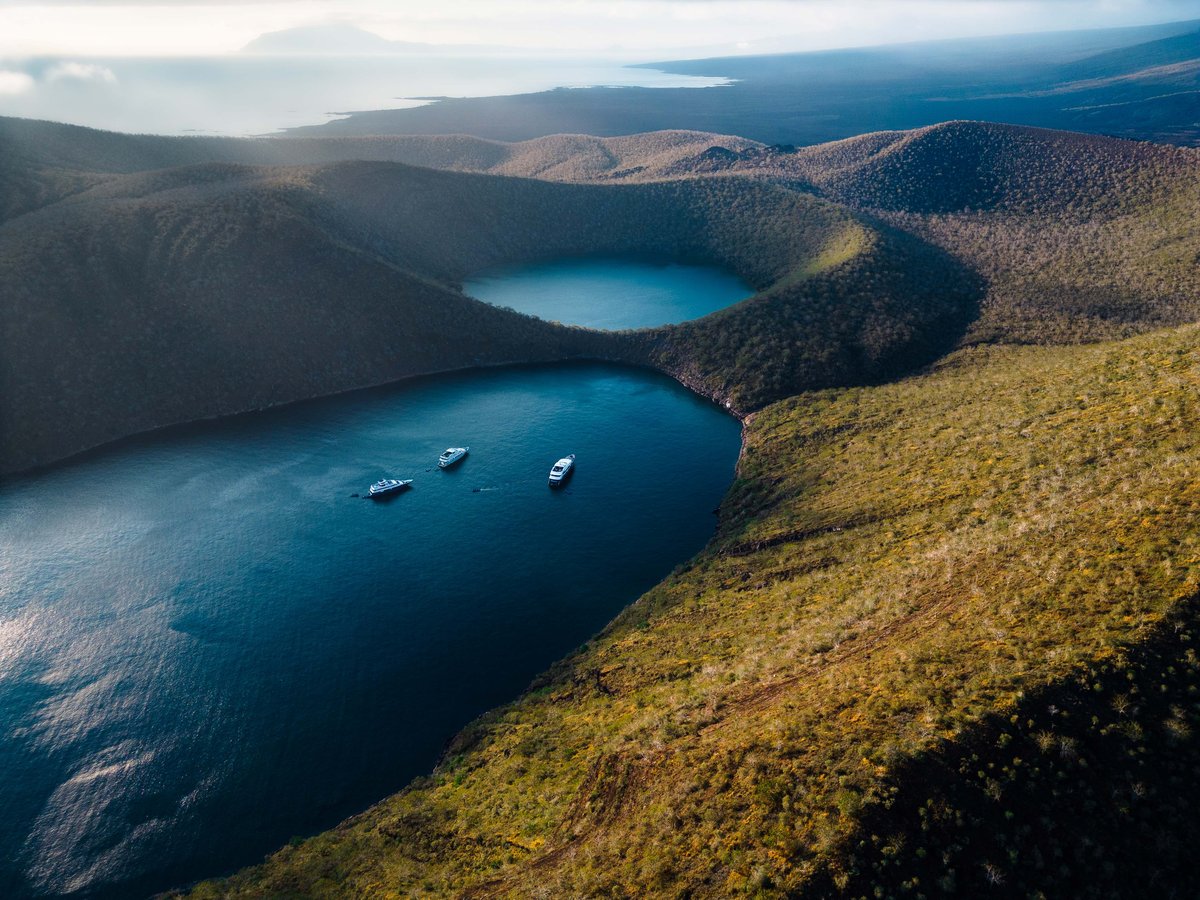
Conservation Efforts Drive Historic Recovery Signs for the Galápagos Mangrove Finch
Researchers recorded the highest number of breeding pairs and fledglings ever observed for this critically endangered species
Galápagos, Santa Cruz | 27 May 2026 – One of the world’s rarest birds has recorded its most successful breeding season ever after years of intensive conservation work in Galápagos.
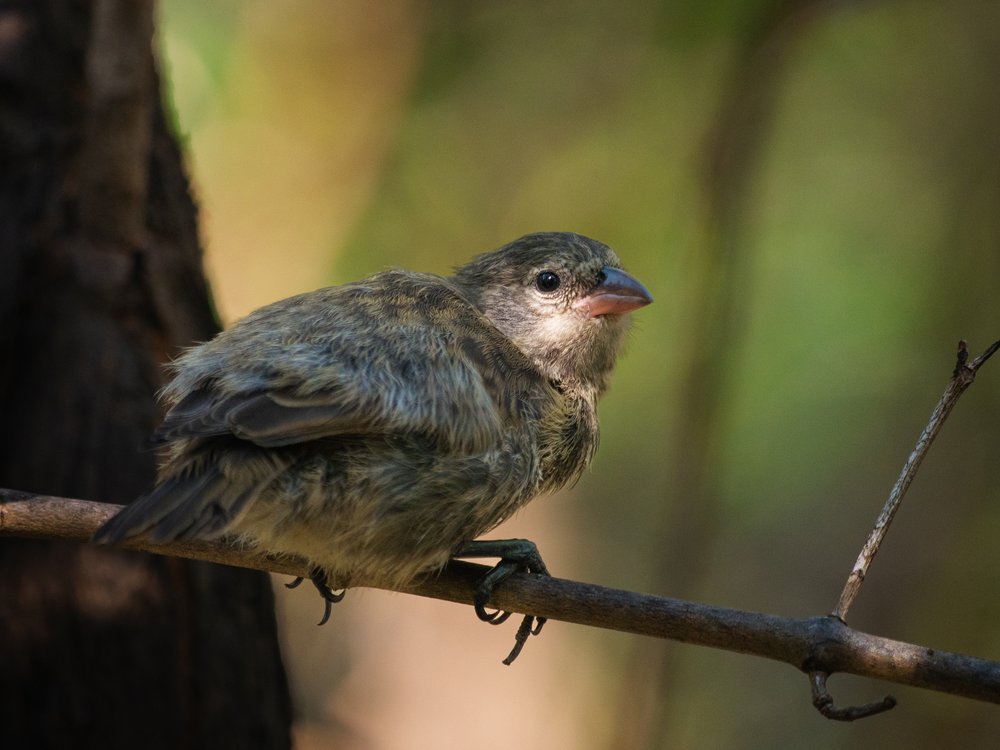
Scientists from the Charles Darwin Foundation (CDF) and rangers from the Galápagos National Park Directorate (GNPD) documented 25 Mangrove Finch (Camarhynchus heliobates) fledglings during the 2026 breeding season (which typically runs from December to April), the highest number ever recorded for this Critically Endangered species and more than triple the total observed just one year ago.
The breakthrough follows years of efforts to combat the effect of invasive species on this critically endangered species— particularly Philornis downsi, the invasive “Avian Vampire Fly”, whose larvae feed on nestlings and severely affected Mangrove Finch populations, pushing the species to the brink of extinction.
The results may represent the clearest sign yet that targeted integrated conservation interventions are helping mitigate and reverse the decline of one of Galápagos’ most threatened birds.
During the 2026 breeding season, the scientific team documented 20 active breeding pairs, representing an increase of more than 80% compared to 2025, when 11 breeding pairs were recorded. This is the highest number of breeding pairs recorded since 2011, when a functional rodent control was already in place and high impacts on the breeding success of P. downsi were highlighted. The species, endemic to Galápagos, now survives exclusively in two small mangrove forest remnants on northwestern Isabela Island.
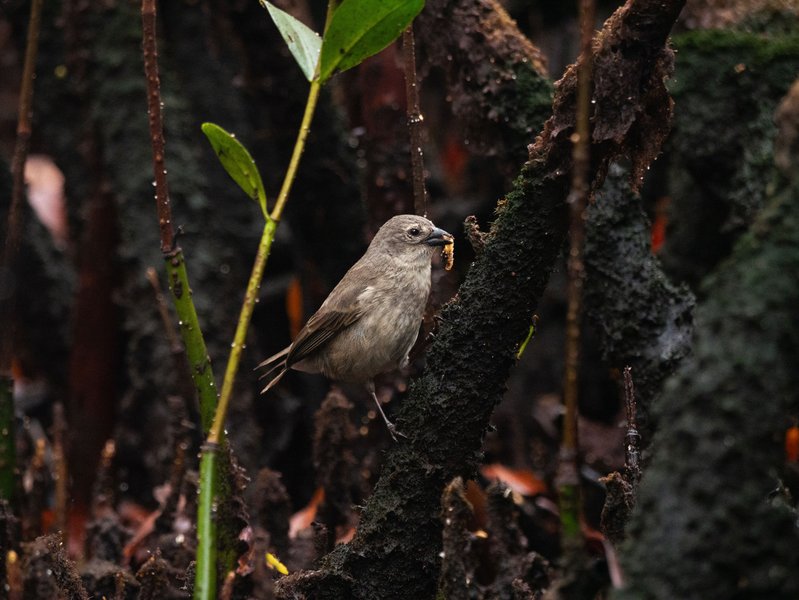
María Igual/ CDF
“For the first time in many years, we are seeing sustained reproductive success at a scale that gives us more realistic hope for the future of the Mangrove Finch,” explained María Igual Beltrán, Principal Investigator of the Mangrove Finch Project at the Charles Darwin Foundation. “These results suggest that long-term conservation actions and improvements to our management strategies are making a measurable difference for one of the most endangered birds on Earth.”
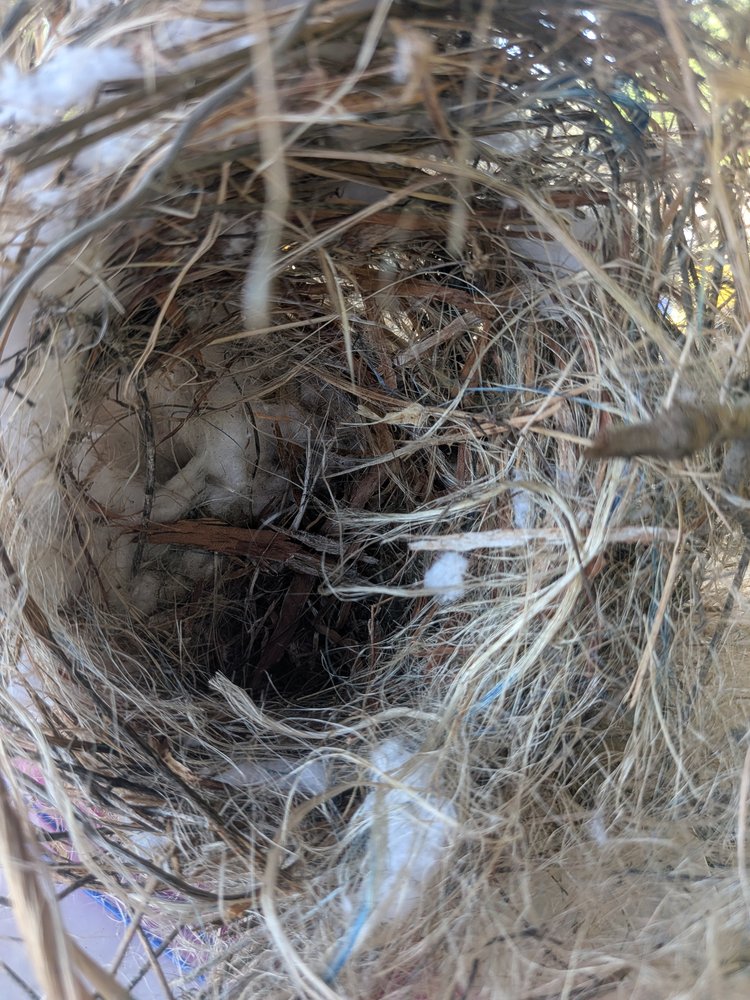
A major factor behind the encouraging results appears to be the growing success of an innovative nest-protection strategy developed and refined over several years by the conservation team. Known as the “self-fumigation” technique, the method provides Mangrove Finches with cotton and plant fibers treated with Permacap, an insecticide that is not harmful to the birds that naturally incorporate the fibers into their nests.
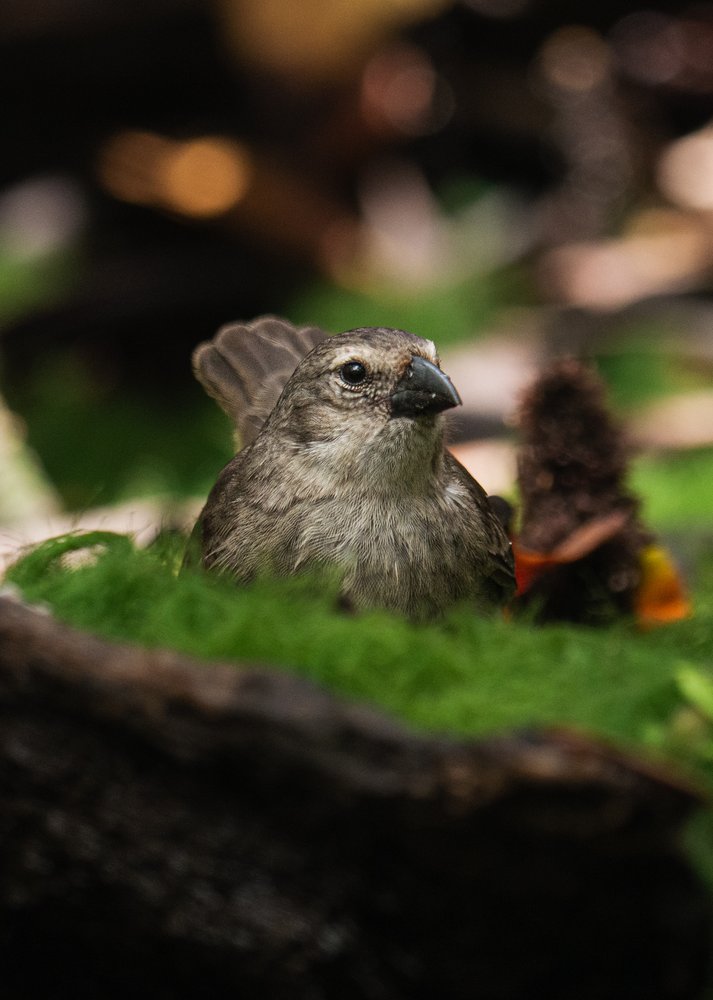
María Igual/ CDF
Although initial trials of the self-fumigation began in 2017 with inconsistent results, modifications introduced in 2023 significantly improved the birds’ acceptance of the treated materials. Scientists now believe the technique is becoming a key tool in reducing parasite pressure during the breeding season
“Not all bird species respond to materials in the same way, and it took years for us to understand how Mangrove Finches preferred to ‘receive’ the treated fibers,” added María. “We discovered that placing the fibers tied to branches early on in the breeding season worked remarkably well — the birds consistently collected them there. Cotton and sisal fibers proved especially effective, and every nest we analyzed after fledglings had left contained treated material and showed no presence of the blood sucking fly larvae. That was undoubtedly one of the key reasons behind this season’s successful results.”
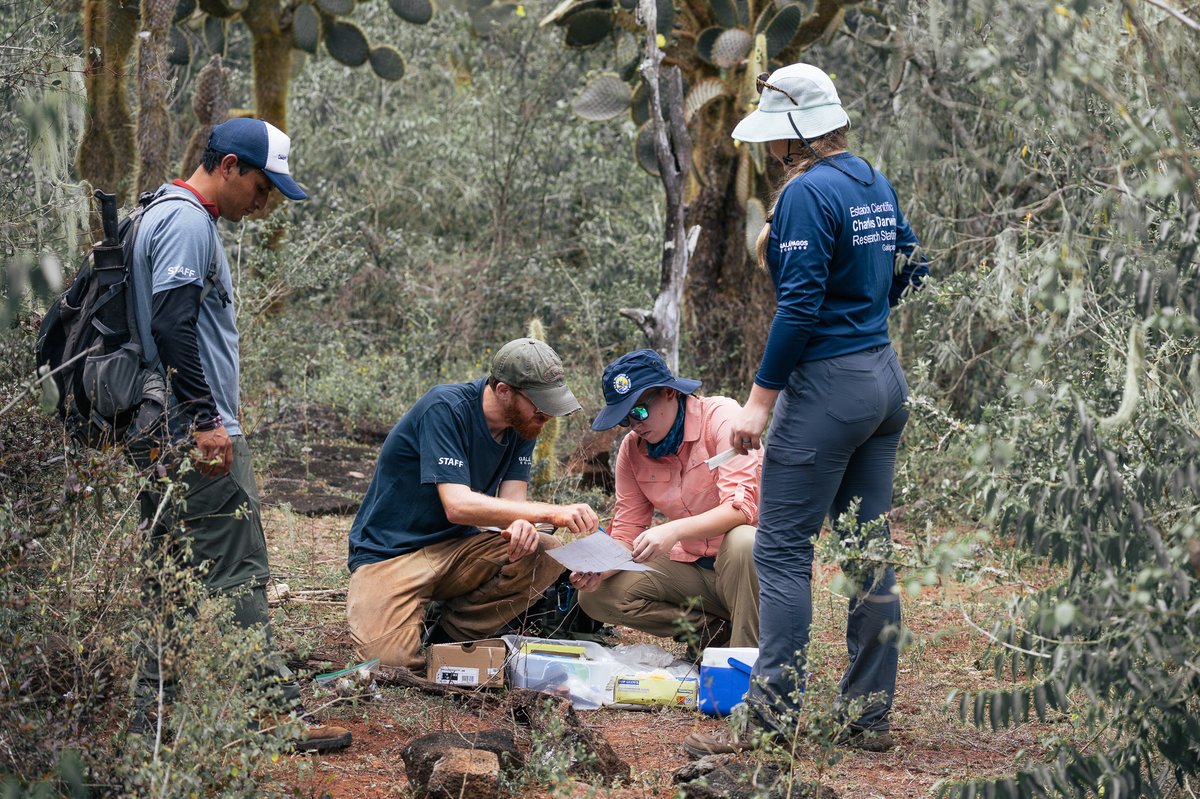
Treated nesting material was placed in December 2025 and January 2026, while monitoring activities took place between February and April 2026 at Playa Tortuga Negra and Caleta Black on Isabela Island, the only two sites totaling about 30ha of mangrove forest in which the rare bird is found. Over seven weeks, CDF scientists and park rangers monitored nests, banded birds, installed acoustic recorders, climbed trees, and carried out invasive species control targeting rats, feral cats and the Avian Vampire Fly.
“This historic record demonstrates the impact that applied research and long-term collaborative efforts can make a real difference - even for the world’s most threatened species. After years of intensive work alongside the Galápagos National Park Directorate, we are seeing hopeful signs for the future of the Mangrove Finch. These results do not mean the species is out of danger, but they do represent one of the most encouraging advances in decades of conservation work in support of this species in Galápagos,” said Rakan Zahawi, Executive Director of the Charles Darwin Foundation.
Despite the historic results, scientists caution that the Mangrove Finch remains one of the world’s most endangered birds and still faces significant threats from invasive species, extreme climate events, and the limited availability of suitable mangrove habitat.
Today, the entire species survives only in two isolated mangrove patches on Isabela Island — ecosystems vulnerable to volcanic eruptions, habitat degradation, and environmental change.
Lorena Sánchez, Director of the Galápagos National Park, highlighted that “The results of this season demonstrate the importance of maintaining sustained conservation actions in the field, especially invasive species control and habitat protection, to safeguard one of the most emblematic birds of Galápagos.” She also emphasized the coordinated work between scientific institutions and park ranger staff to strengthen the species’ recovery.
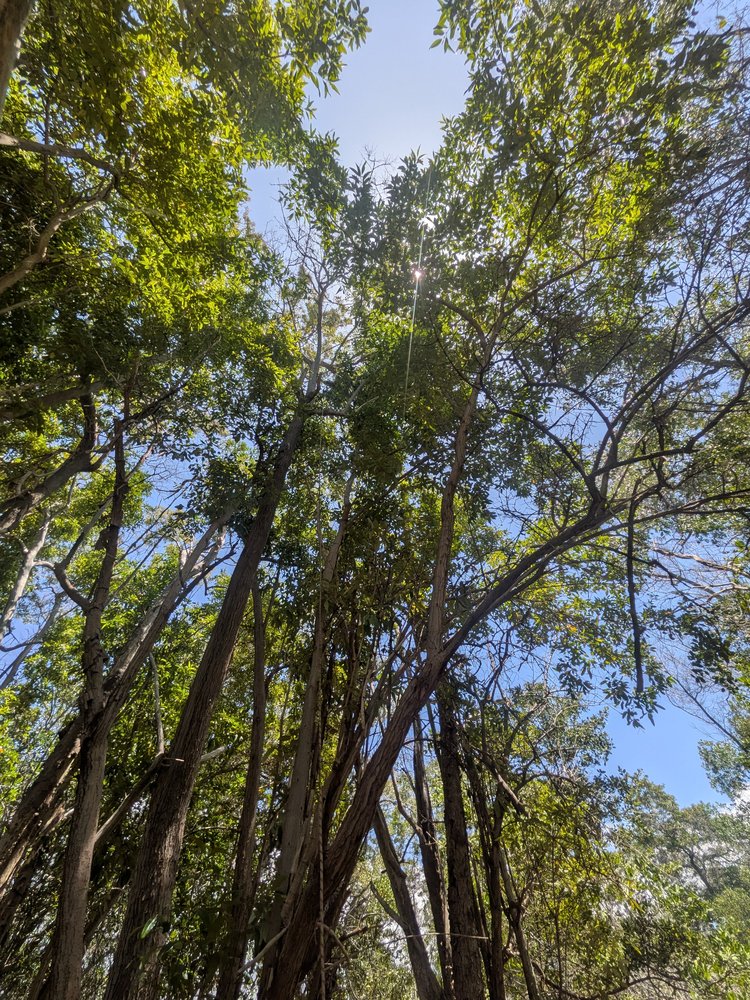
María Igual/ CDF
María Igual/ CDF
María Igual/ CDF
-END-
Notes to editors:
About the Mangrove Finch
The Mangrove Finch (Camarhynchus heliobates) is one of the rarest and most endangered bird species in the world and one of the 18 species of Darwin’s finches found in Galápagos. It is classified as Critically Endangered by the IUCN.
Endemic to Galápagos, the Mangrove Finch survives exclusively in two small mangrove remnants in northwestern Isabela Island. Scientists estimate that the total wild population is fewer than 100 individuals, making it one of the most threatened birds on the planet.
It forages among mangrove roots and leaf litter, feeding primarily on insects and small invertebrates. The species depends on highly specific ecological conditions, including mangrove areas that experience periodic flooding and accumulate organic material essential for its feeding behavior.
Historic breeding figures from the Charles Darwin Foundation:
- 2022: 12 breeding pairs and 5 successful fledglings.
- 2023: 16 breeding pairs and 18 successful fledglings.
- 2024: 13 breeding pairs and 11 successful fledglings.
- 2025: 11 breeding pairs and 8 successful fledglings.
- 2026: 20 breeding pairs and 25 successful fledglings.
For media enquiries please contact:
Charles Darwin Foundation
Ambre Tanty-Lamothe or Daniela Ibarra | comunicacion@fcdarwin.org.ec
About the Charles Darwin Foundation
The Charles Darwin Foundation for the Galápagos Islands (CDF) is an international non-profit organization that has operated in Galápagos since 1959 under a special agreement with the Government of Ecuador. Its mission, and that of its Research Station, is to address the greatest threats and challenges facing Galápagos through scientific research and conservation actions, to protect one of the world’s most important natural treasures. Today CDF supports more than 25 research, conservation, and education projects across land and sea, and is the custodian of over 137,000 specimens in its Natural History Collections. Its diverse team of more than 140 scientists, educators, and support staff is composed primarily of Ecuadorian citizens, with over 60 % from Galápagos. For more information, please visit: www.darwinfoundation.org.