Floreana Island Restoration: What Invertebrates Tell Us About Ecosystem Recovery
Floreana’s terrestrial invertebrates help assess ecosystem recovery and food availability, providing key information for the reintroduction of locally extinct species.
Discover our work conserving key marine species in Galapagos and the Eastern Tropical Pacific.
View our Ocean Programs Deep-ocean exploration & conservation Mangrove Ecology and Climate Change Marine biodiversity research Marine bird conservation Ocean governance Sea turtle conservation Shark ecology and conservationExplore our efforts to safeguard and restore the Galapagos Islands' iconic land-based fauna and flora.
View our Land Programs Conservation of threatened plant species Control of the avian vampire fly Floreana Ecological Restoration Project Giant tortoise conservation Landbird conservation Restoration of Arid Zones Scalesia forest restorationUnderstand how our work is grounded in the benefits nature provides to the people of Galapagos.
View our people programs Education and Community Outreach Sustainable fisheries Sustainability for Conservation Urban and rural restoration
Make a lasting impact in Galapagos. Donate to support our mission and our work.
Donate Give monthly Adopt a speciesThere are a number of other ways you or your organization can contribute to our work.
Leave a legacy gift Become a corporate donor Fundraise for GalapagosThe impact you make in Galapagos is part of a larger footprint. Get involved today.
Meet our donors Become a CDF Ambassador Become a volunteer Send a free e-card! Sign up to our newsletter Friends of Galapagos around the world
Discover how our science and conservation programs are making a difference for the future of Galapagos.
View moreThe latest news releases from the Charles Darwin Foundation and its Research Station.
View moreExplore firsthand accounts from our researchers, staff, and collaborators in Galapagos.
View moreListen to The Station, where science, conservation, and stories from Galápagos come together.
Listen to our podcast
When you travel to Galapagos, you become part of a global effort to protect these iconic islands.
About Galapagos Travel tips How to pack for Galapagos Frequently Asked Questions Galapagos National Park Rules 2026 Cruise with the Grants
Discover our work conserving key marine species in Galapagos and the Eastern Tropical Pacific.
View our Ocean Programs Deep-ocean exploration & conservation Mangrove Ecology and Climate Change Marine biodiversity research Marine bird conservation Ocean governance Sea turtle conservation Shark ecology and conservationExplore our efforts to safeguard and restore the Galapagos Islands' iconic land-based fauna and flora.
View our Land Programs Conservation of threatened plant species Control of the avian vampire fly Floreana Ecological Restoration Project Giant tortoise conservation Landbird conservation Restoration of Arid Zones Scalesia forest restorationUnderstand how our work is grounded in the benefits nature provides to the people of Galapagos.
View our people programs Education and Community Outreach Sustainable fisheries Sustainability for Conservation Urban and rural restoration
Make a lasting impact in Galapagos. Donate to support our mission and our work.
Donate Give monthly Adopt a speciesThere are a number of other ways you or your organization can contribute to our work.
Leave a legacy gift Become a corporate donor Fundraise for GalapagosThe impact you make in Galapagos is part of a larger footprint. Get involved today.
Meet our donors Become a CDF Ambassador Become a volunteer Send a free e-card! Sign up to our newsletter Friends of Galapagos around the world
Discover how our science and conservation programs are making a difference for the future of Galapagos.
View moreThe latest news releases from the Charles Darwin Foundation and its Research Station.
View moreExplore firsthand accounts from our researchers, staff, and collaborators in Galapagos.
View moreListen to The Station, where science, conservation, and stories from Galápagos come together.
Listen to our podcast
When you travel to Galapagos, you become part of a global effort to protect these iconic islands.
About Galapagos Travel tips How to pack for Galapagos Frequently Asked Questions Galapagos National Park Rules 2026 Cruise with the Grants
Discover our work conserving key marine species in Galapagos and the Eastern Tropical Pacific.
View our Ocean Programs Deep-ocean exploration & conservation Mangrove Ecology and Climate Change Marine biodiversity research Marine bird conservation Ocean governance Sea turtle conservation Shark ecology and conservationExplore our efforts to safeguard and restore the Galapagos Islands' iconic land-based fauna and flora.
View our Land Programs Conservation of threatened plant species Control of the avian vampire fly Floreana Ecological Restoration Project Giant tortoise conservation Landbird conservation Restoration of Arid Zones Scalesia forest restorationUnderstand how our work is grounded in the benefits nature provides to the people of Galapagos.
View our people programs Education and Community Outreach Sustainable fisheries Sustainability for Conservation Urban and rural restoration
Make a lasting impact in Galapagos. Donate to support our mission and our work.
Donate Give monthly Adopt a speciesThere are a number of other ways you or your organization can contribute to our work.
Leave a legacy gift Become a corporate donor Fundraise for GalapagosThe impact you make in Galapagos is part of a larger footprint. Get involved today.
Meet our donors Become a CDF Ambassador Become a volunteer Send a free e-card! Sign up to our newsletter Friends of Galapagos around the world
Discover how our science and conservation programs are making a difference for the future of Galapagos.
View moreThe latest news releases from the Charles Darwin Foundation and its Research Station.
View moreExplore firsthand accounts from our researchers, staff, and collaborators in Galapagos.
View moreListen to The Station, where science, conservation, and stories from Galápagos come together.
Listen to our podcast
When you travel to Galapagos, you become part of a global effort to protect these iconic islands.
About Galapagos Travel tips How to pack for Galapagos Frequently Asked Questions Galapagos National Park Rules 2026 Cruise with the Grants
Floreana’s terrestrial invertebrates help assess ecosystem recovery and food availability, providing key information for the reintroduction of locally extinct species.
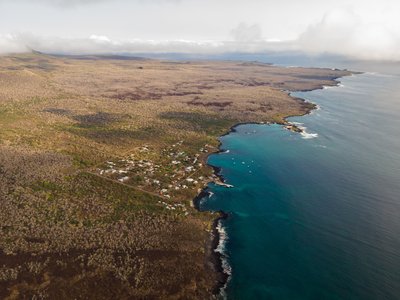
On Floreana, one of the first inhabited islands in the archipelago, these tiny organisms are helping us understand processes much larger than themselves. The island is home to one of the world’s most ambitious ecological restoration projects, which seeks to restore its ecosystem and enable the return of species that disappeared locally decades ago due to the presence of invasive animals such as rats and feral cats.
However, before a species can return, we need to know whether the habitat is ready to support it. This is where terrestrial invertebrates play a key role. Because of their remarkable diversity and rapid response to environmental change, they can help us observe how the ecosystem responds over time. Variations in the abundance of certain groups and the presence of invasive species provide valuable information about the condition of the habitat and its recovery process. Invertebrates are also an important food source for many Galápagos birds, including species that will be reintroduced to Floreana, such as the Little Vermilion Flycatcher (Pyrocephalus nanus).
But how do we find and study these tiny animals? And what happens to the samples before we can obtain information from them?
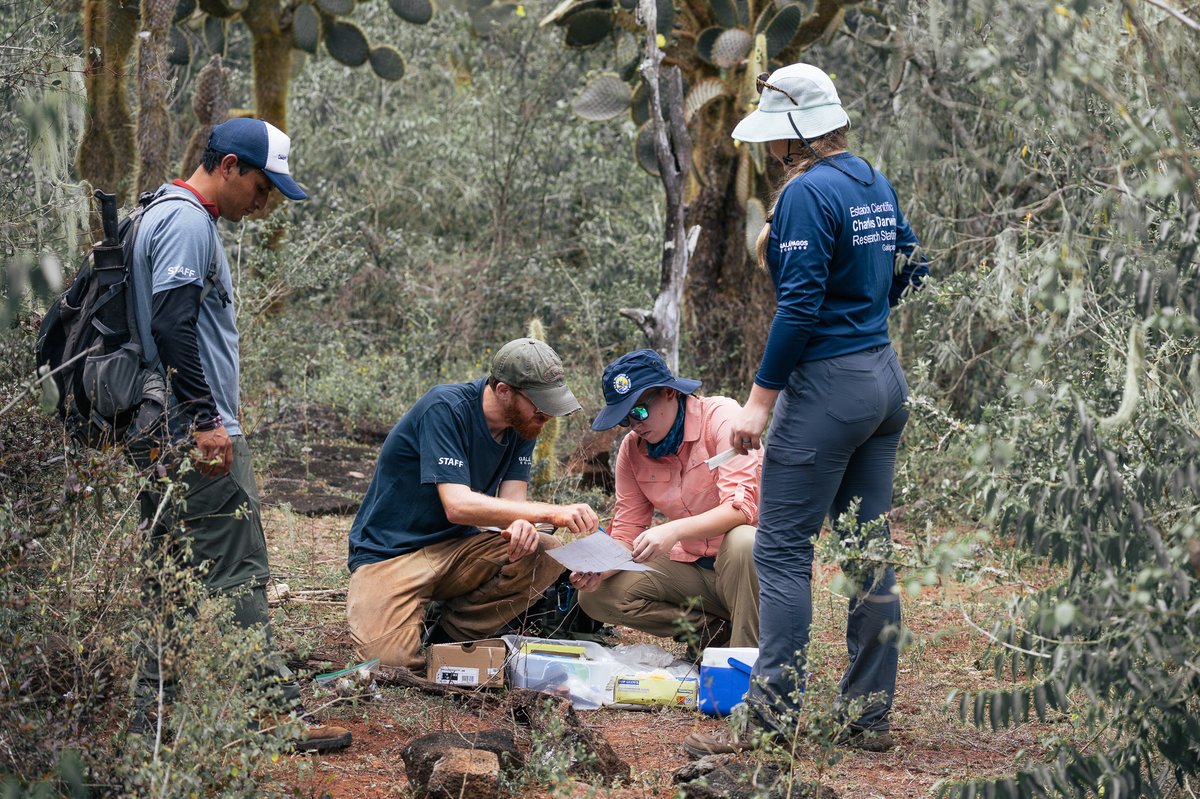
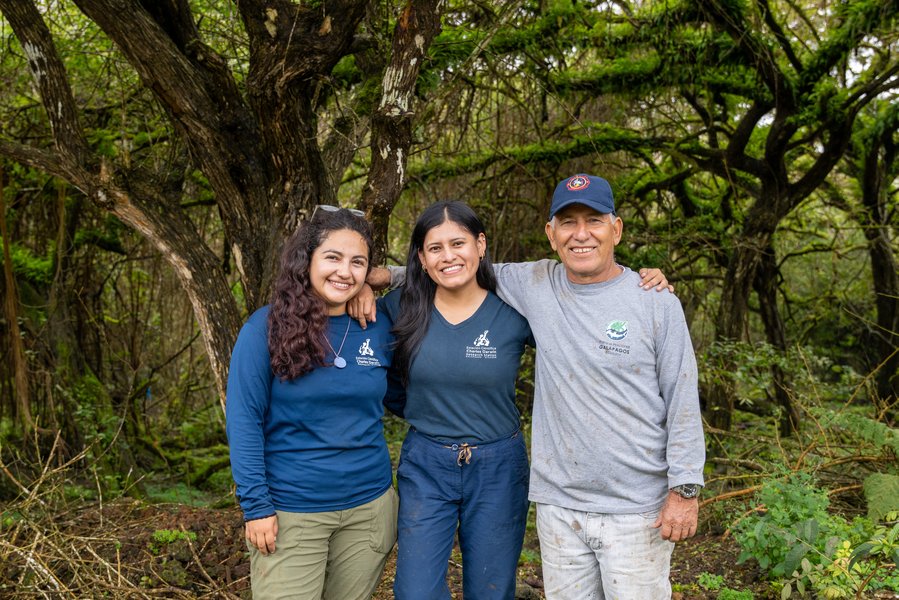
Twice a year, I travel to Floreana to study terrestrial invertebrates in protected and agricultural areas. During each field trip, we use sweep nets and pitfall traps to collect those living in the vegetation and on the ground. This work would not be possible without the support of park rangers, field assistants, and volunteers, who turn long days in the field into a shared experience filled with learning and discovery.
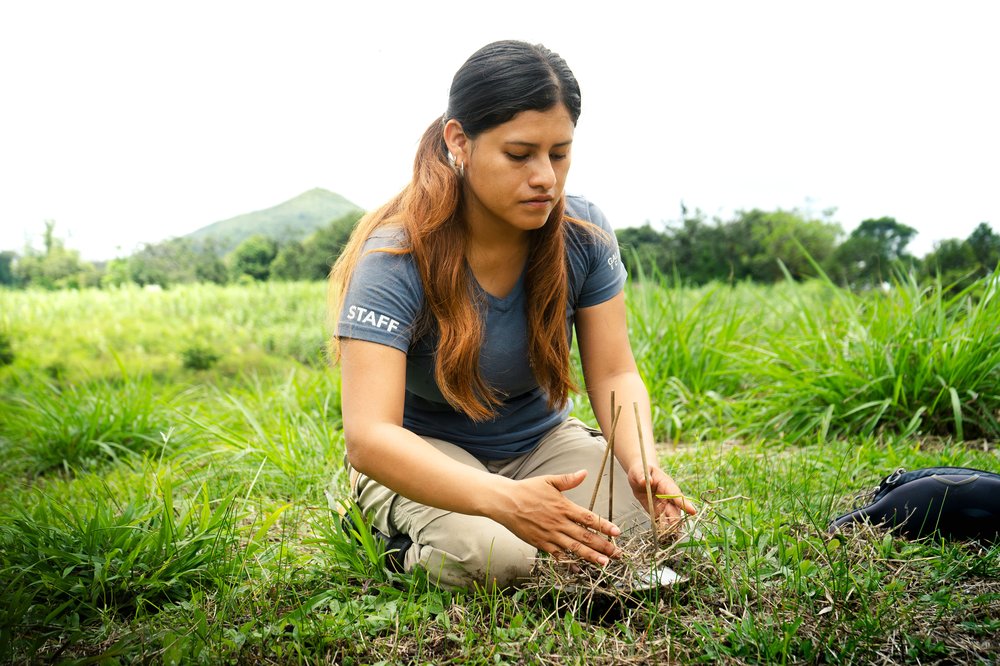
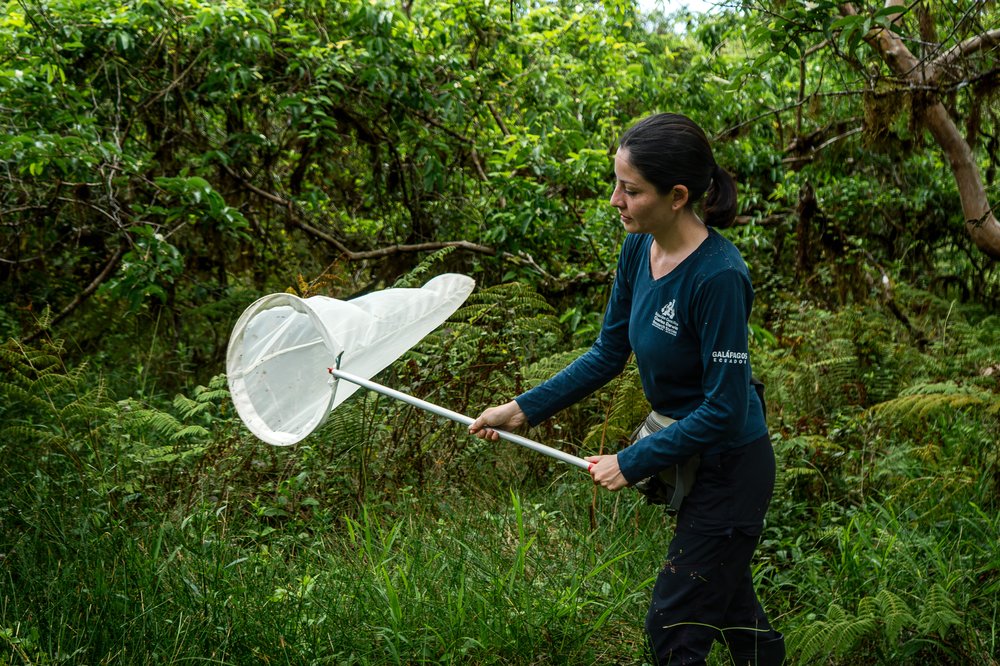
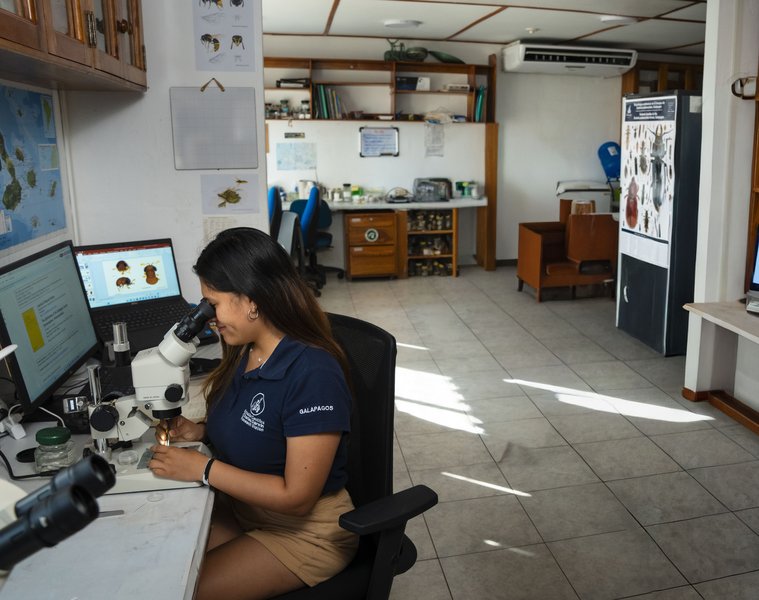
After several days on Floreana, we return to the Charles Darwin Research Station on Santa Cruz with hundreds of samples. At first glance, many of them look like simple jars filled with leaves and soil, but under the stereomicroscope, they reveal an extraordinary diversity of shapes, colors, and sizes. Sorting, cleaning, and identifying their contents is undoubtedly one of the most demanding stages of the work. A single week of fieldwork can require several months of laboratory work to process all the samples.
So far, I have found the main groups of invertebrates that form part of the diet of many insectivorous birds, including caterpillars, moths and butterflies, beetles, flies, spiders, and true bugs. Understanding the availability of these food resources provides valuable information for assessing whether the habitat can support future reintroductions of locally extinct animal species.
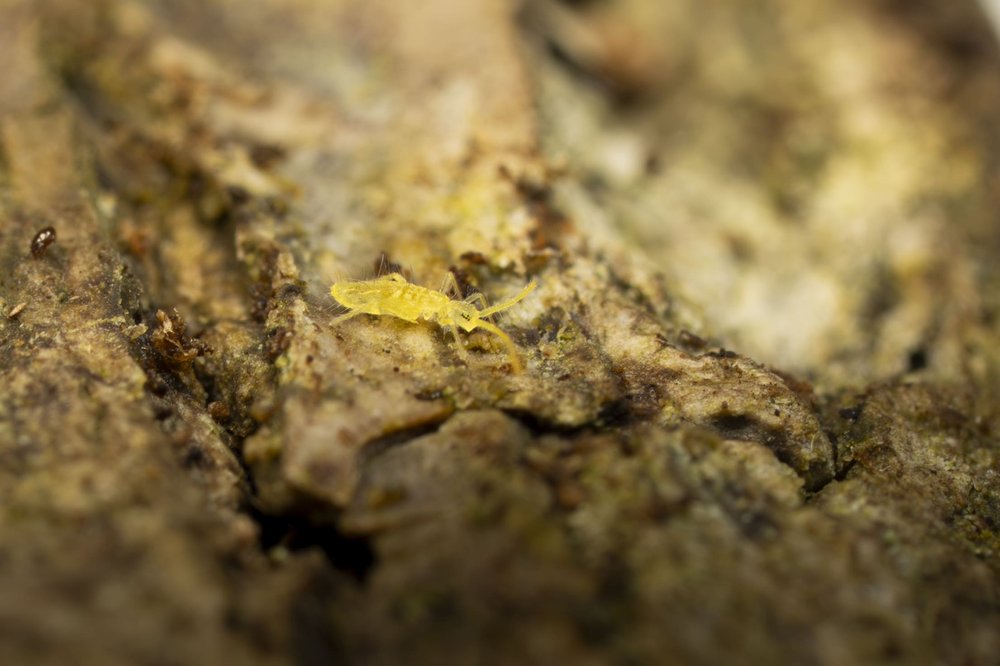
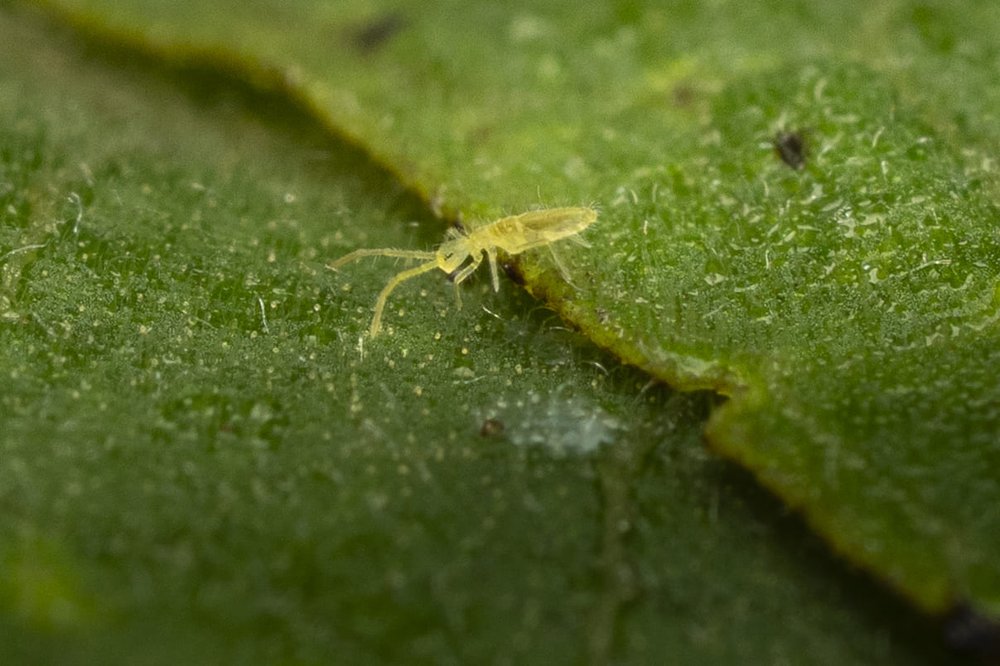
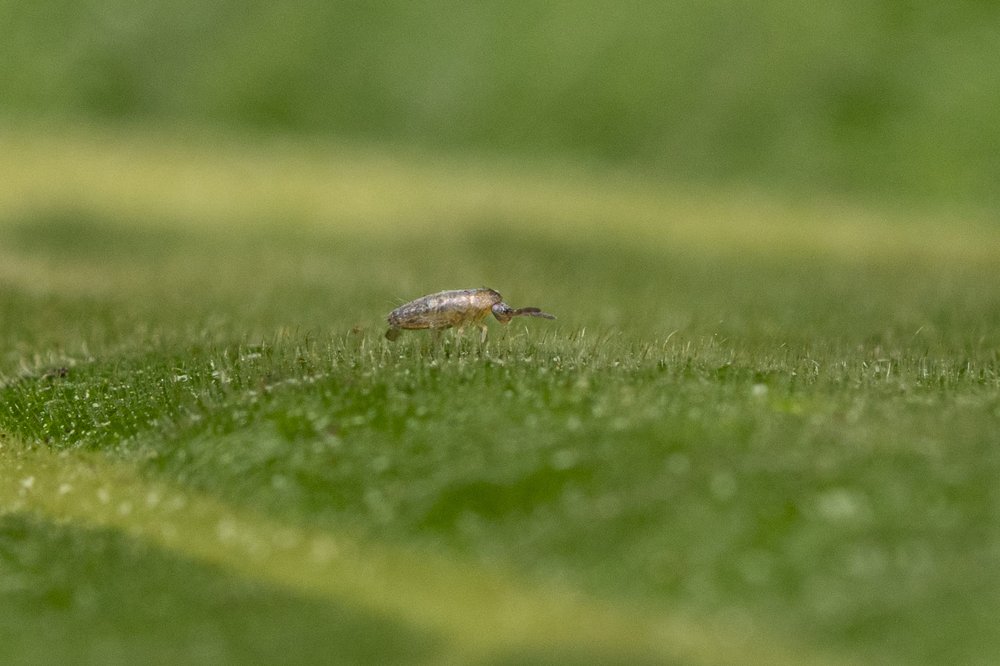
One of the most fascinating parts of this work has been discovering invertebrates so unusual that they seem to come from another planet. Among them are strepsipterans, commonly known as “twisted-wing parasites,” a group of insects that spend much of their lives inside other insects. There are also springtails, tiny invertebrates about the size of a grain of sand that can jump several times their own body length.
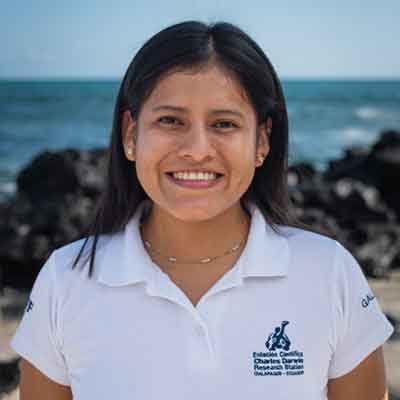
Leading this study has been one of the most meaningful experiences of my life, both professionally and personally. It has not only allowed me to explore incredible places and gain a deeper understanding of the importance of Floreana’s small invertebrates, but also to contribute to the conservation of the islands where I was born and raised.
Why are terrestrial invertebrates important for the restoration of Floreana?
Terrestrial invertebrates respond quickly to environmental change, making them valuable indicators of ecosystem recovery. Changes in their abundance and the presence of invasive species can reveal how the habitat is changing over time. They are also an important food source for many insectivorous birds that may be reintroduced to Floreana.
What types of invertebrates have been found during the study?
The study has recorded several groups that form part of the diet of insectivorous birds, including caterpillars, moths, butterflies, beetles, flies, spiders, and true bugs. Researchers have also found less familiar organisms such as strepsipterans, or “twisted-wing parasites,” and springtails, tiny invertebrates capable of jumping several times their own body length.
How do we know whether Floreana is ready to receive species that disappeared from the island?
Before a species can be reintroduced, scientists need to determine whether the habitat can support it. Monitoring terrestrial invertebrates provides information about ecosystem condition, environmental change, invasive species, and the availability of food resources. These indicators help assess whether the habitat is recovering and becoming suitable for future reintroductions.
What does the Little Vermilion Flycatcher need in order to return to Floreana?
One essential requirement is a suitable habitat with enough food to sustain a population. Because the Little Vermilion Flycatcher (Pyrocephalus nanus) feeds on invertebrates, studying the abundance and diversity of these organisms helps researchers evaluate whether Floreana can provide the resources the species would need following reintroduction.