Results
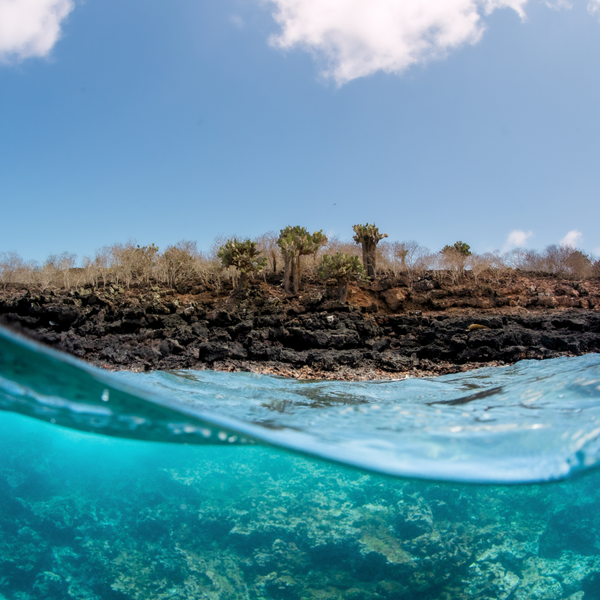
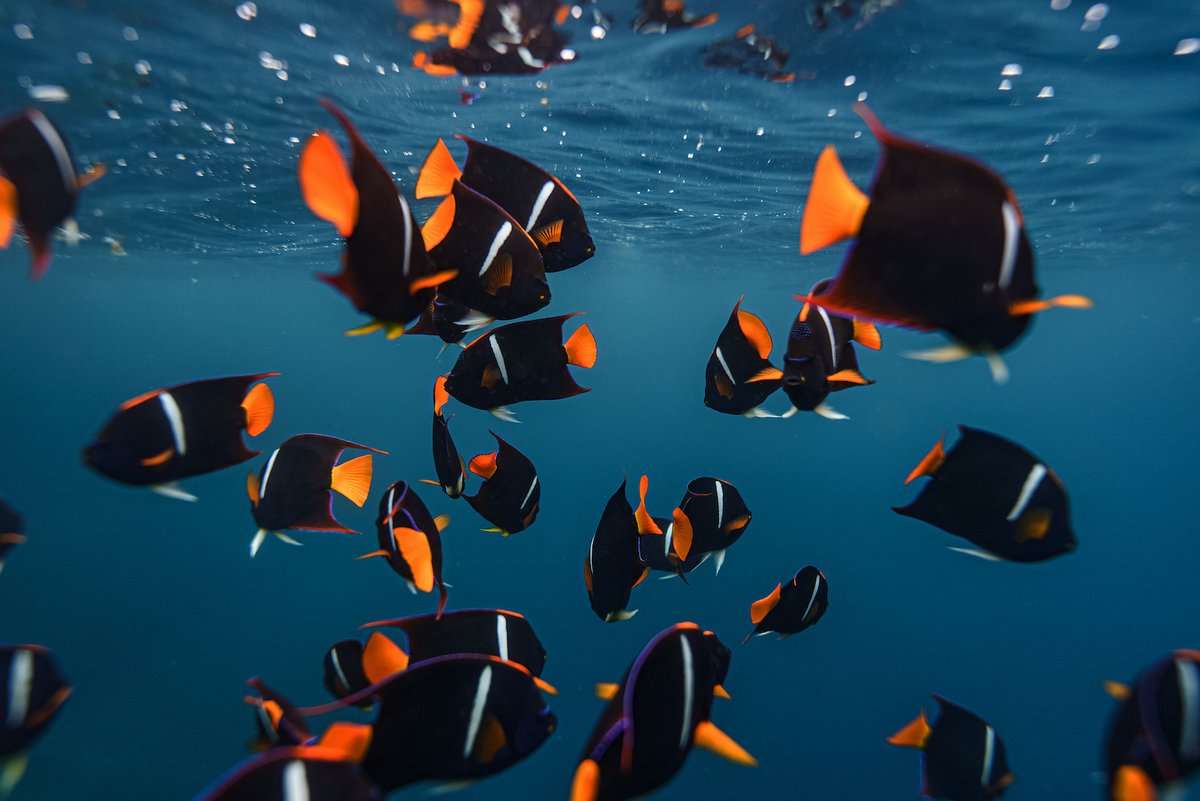
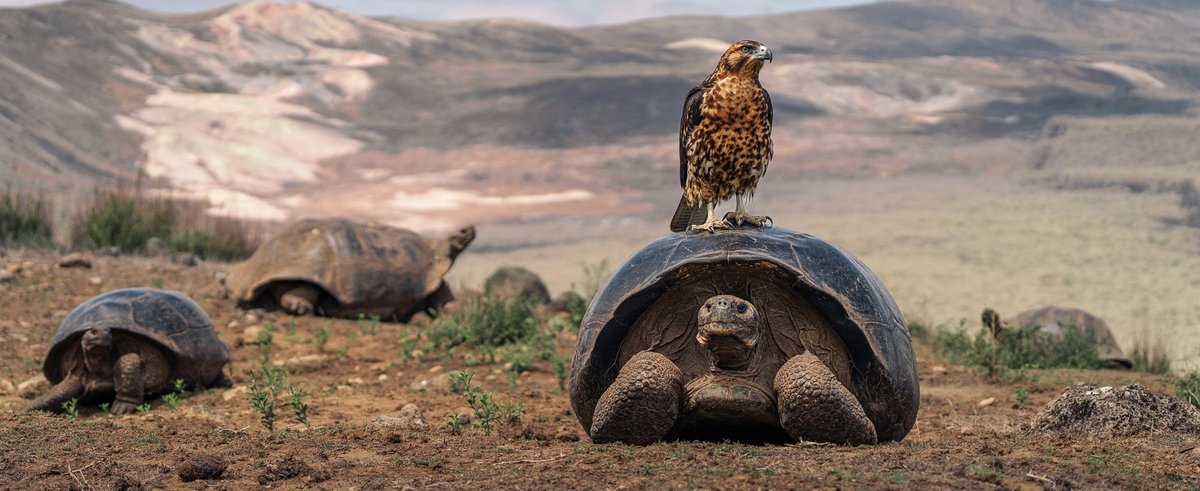
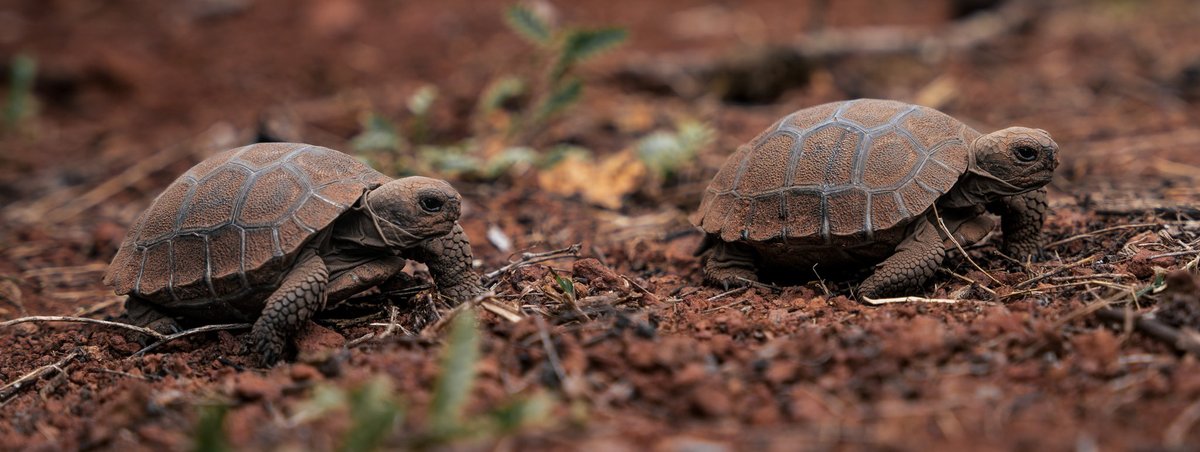
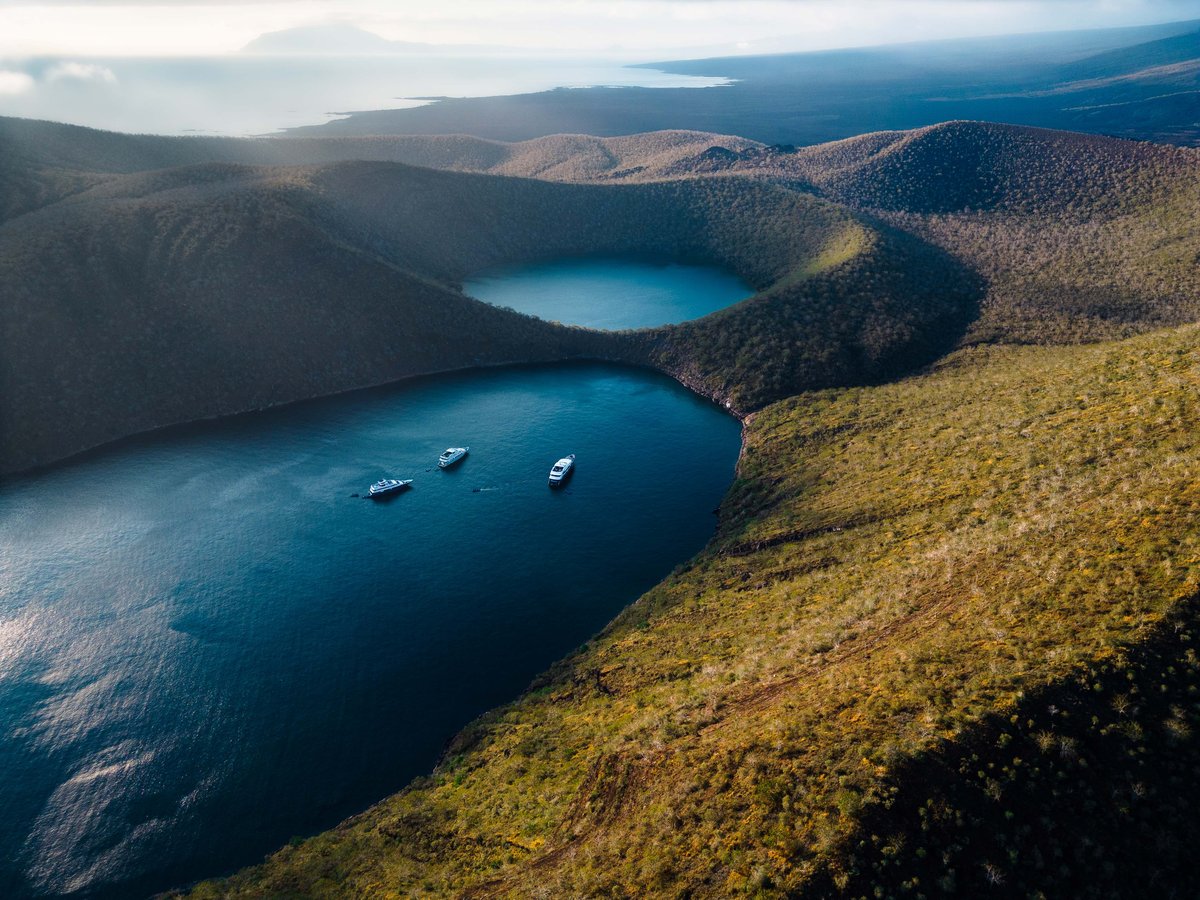
Explore the Galapagos Islands' volcanic beginnings, unique biodiversity, and the global conservation efforts led by the Charles Darwin Foundation to protect them.
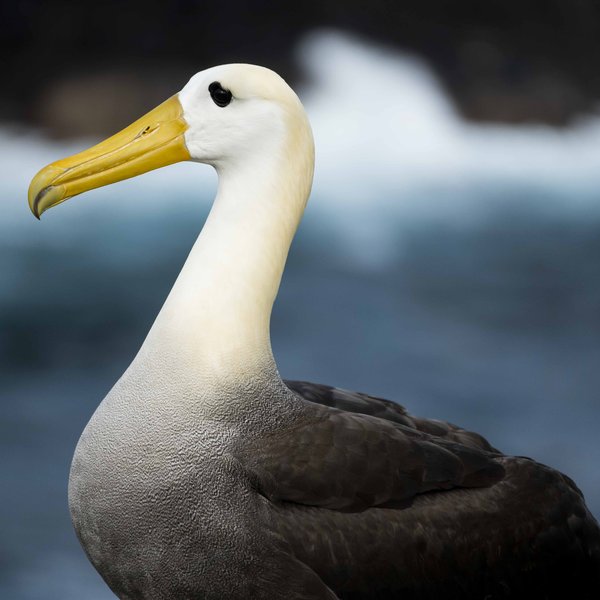
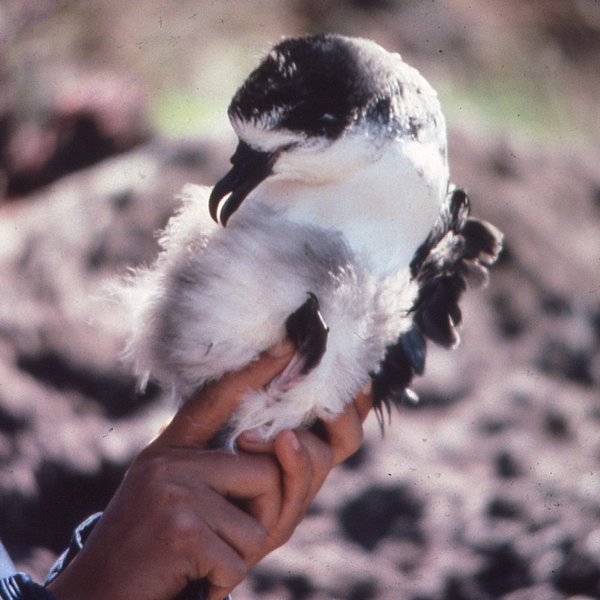
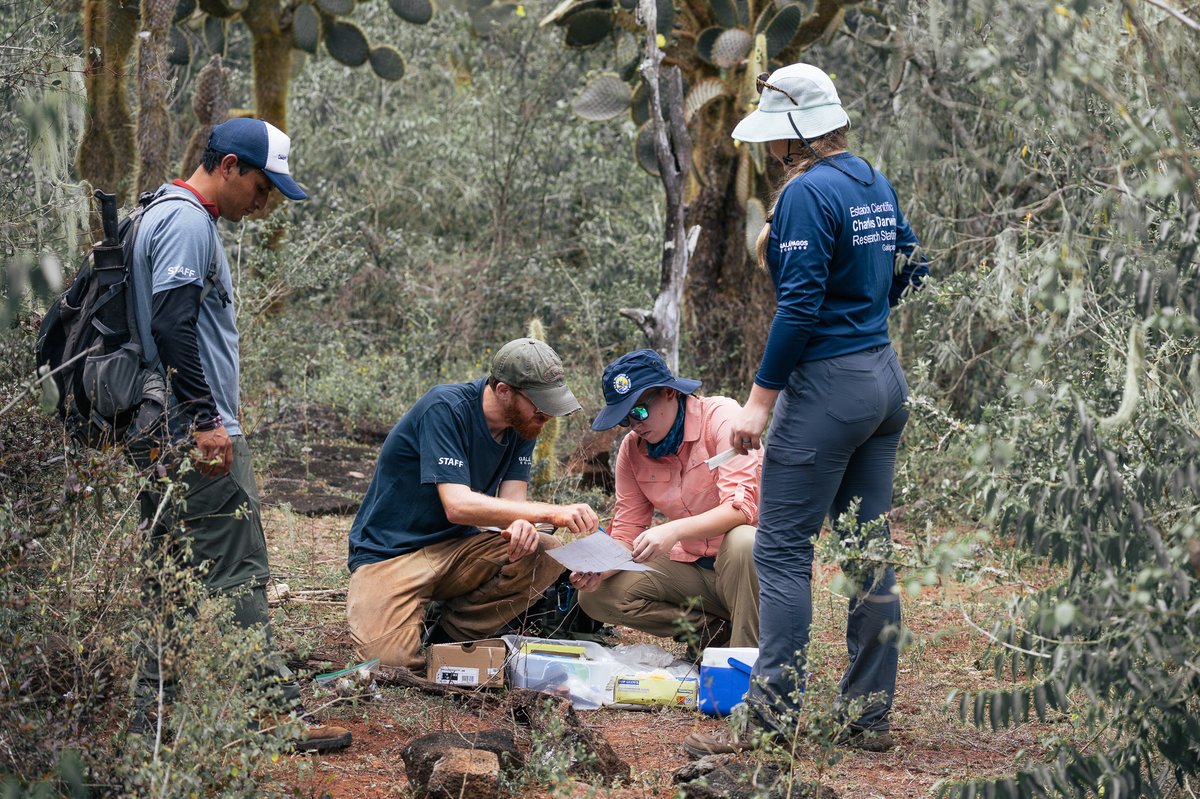
In 1982, a pioneering effort began at Cerro Pajas, Floreana, to protect the critically endangered Galápagos petrel. Scientists, park rangers, and conservation practitioners controlled introduced species, monitored nests, and tested new techniques. The results showed that science, sustained management, and collaboration could improve the breeding success of this threatened seabird population.
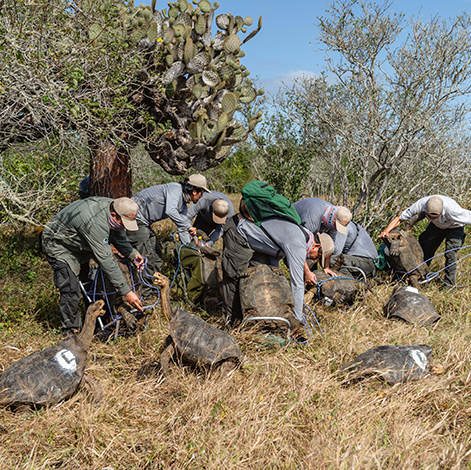
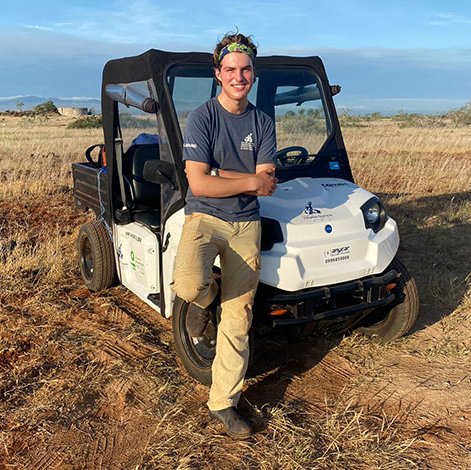
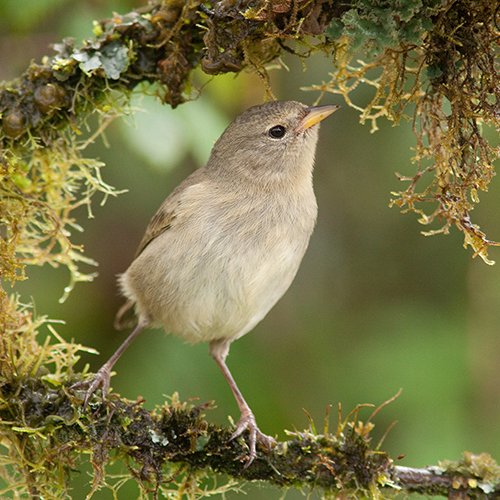
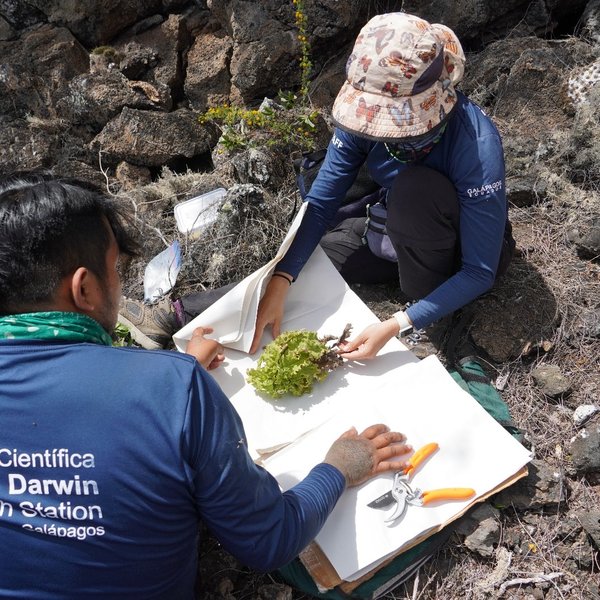
While kayaking along El Garrapatero Beach, a chance sighting led to the re-encounter of Scalesia retroflexa, one of Galápagos’ rarest plants. What began as a weekend outing became a pivotal moment for conservation. Discover how this unexpected find could reshape the future of an endangered species.
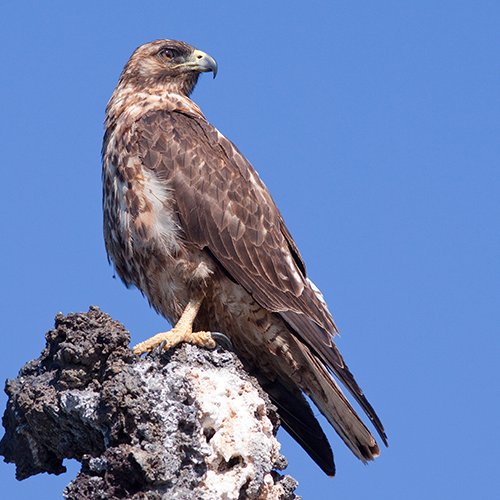
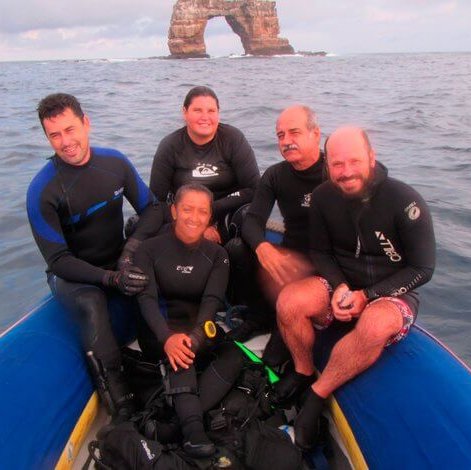
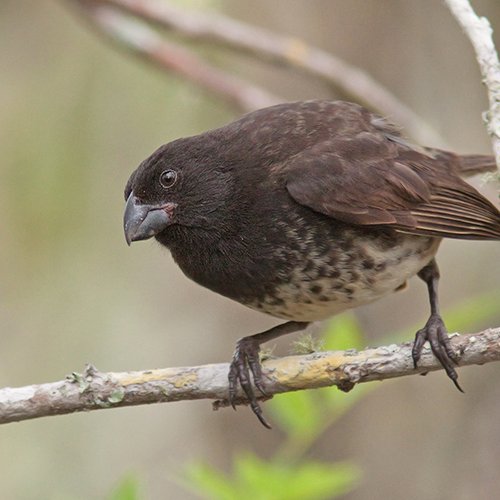
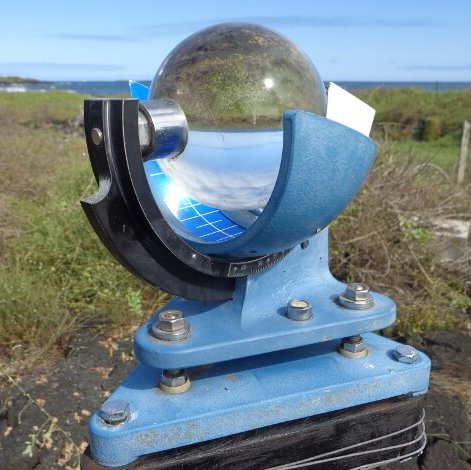
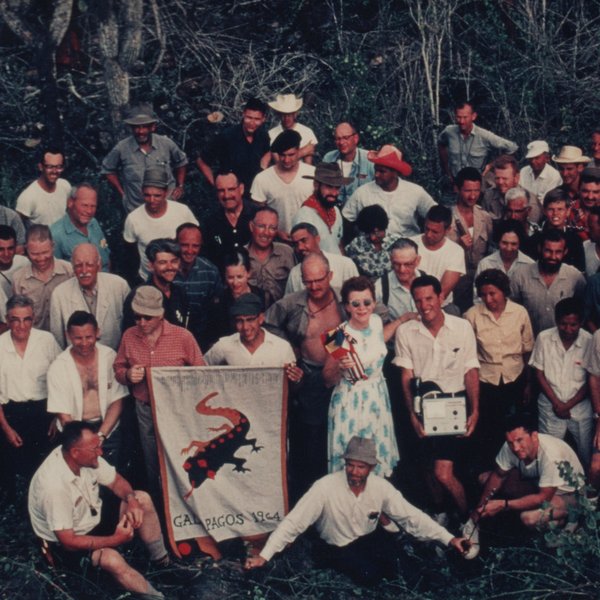
Discover the Charles Darwin Foundation, established in 1959 to protect the Galapagos Islands' fragile ecosystem. As the oldest and largest science and conservation organization in the archipelago, our Research Station leads efforts to preserve this unique environment through groundbreaking research and conservation milestones.
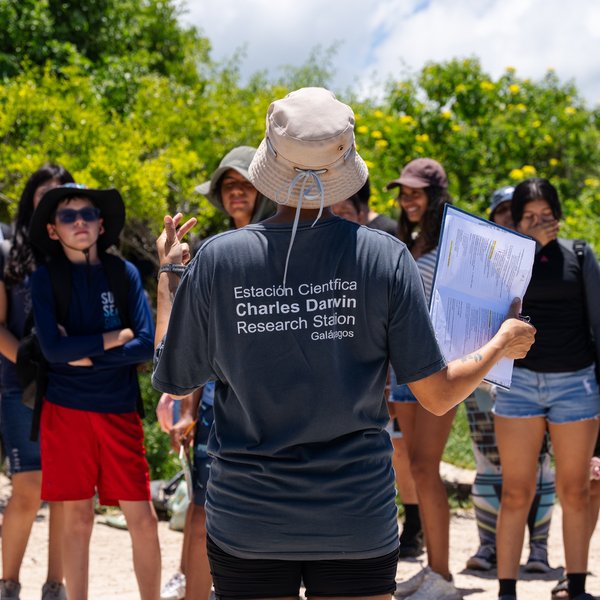
In 1966, a course at the Charles Darwin Research Station marked the beginning of environmental education in Galápagos. Teachers learned to use the natural environment as a teaching tool, linking conservation and community. This experience laid the foundation for context-based education that remains essential to protect the islands’ unique ecosystems.