Results
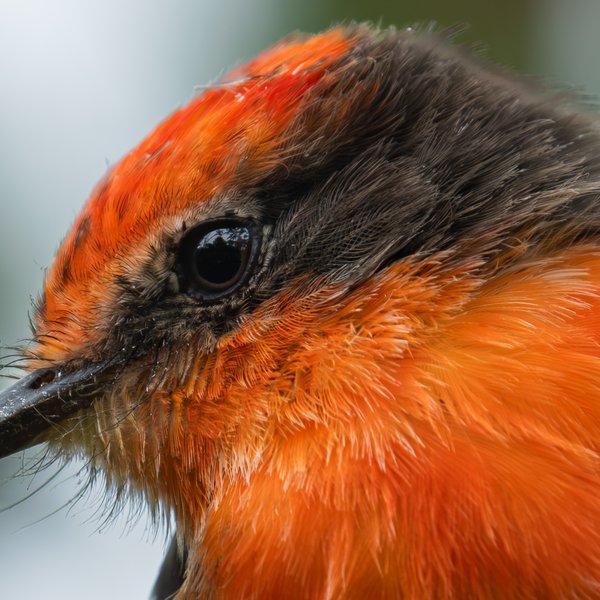
After more than a decade of conservation work, researchers have documented 56 fledglings so far in 2026 — with more nests still active
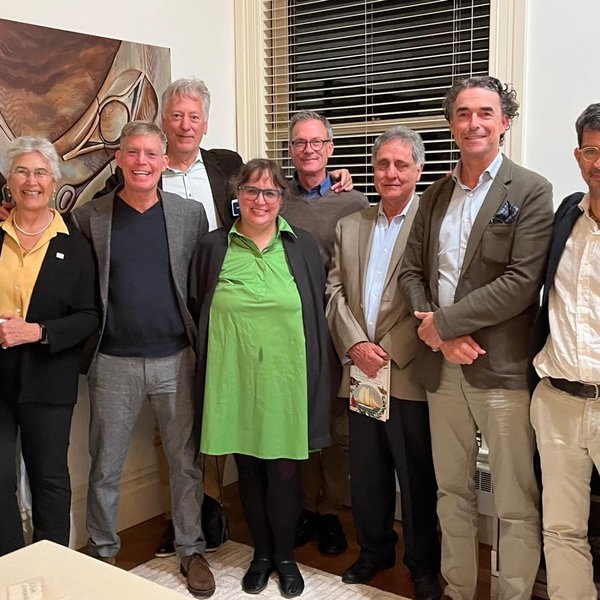
The Board of the Charles Darwin Foundation for the Galapagos Islands (“CDF”) is pleased to announce the appointment of Lúcia G. Lohmann, Andrew Balfour, and Mary C. Pearl to its Board of Directors, with immediate effect. Each new member brings unique expertise and a deep commitment to CDF’s mission of safeguarding the Galapagos Islands through science and conservation.
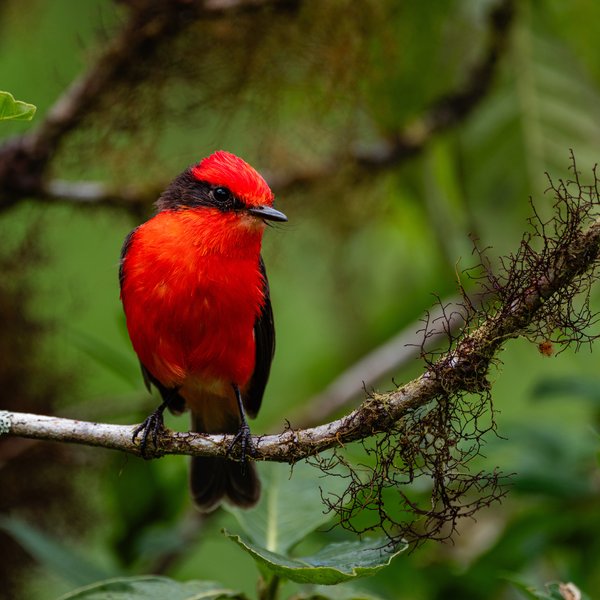
The Galápagos landbird breeding season (January–April) is critical for conservation. Monitoring and adaptive management, including innovative control of Philornis downsi, are improving nesting success. Early results show population recovery in key species, supported by habitat restoration. Ongoing data collection will determine long-term effectiveness and guide future conservation strategies.
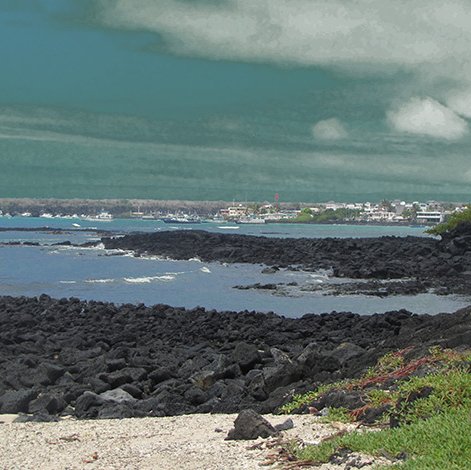
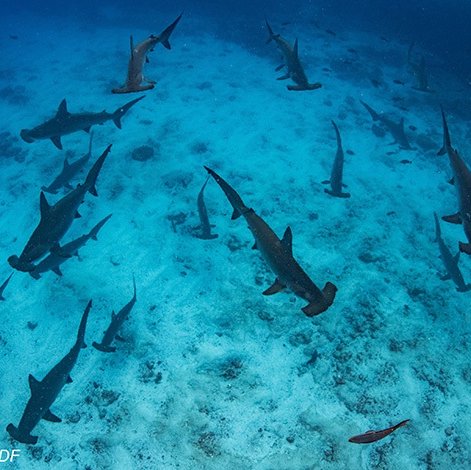
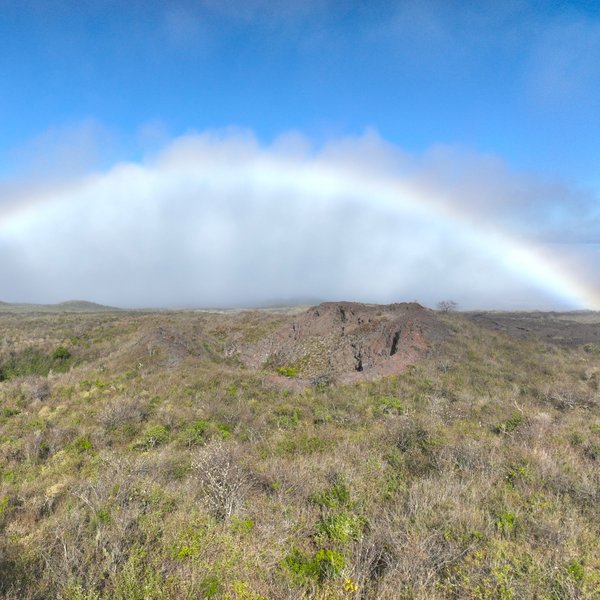
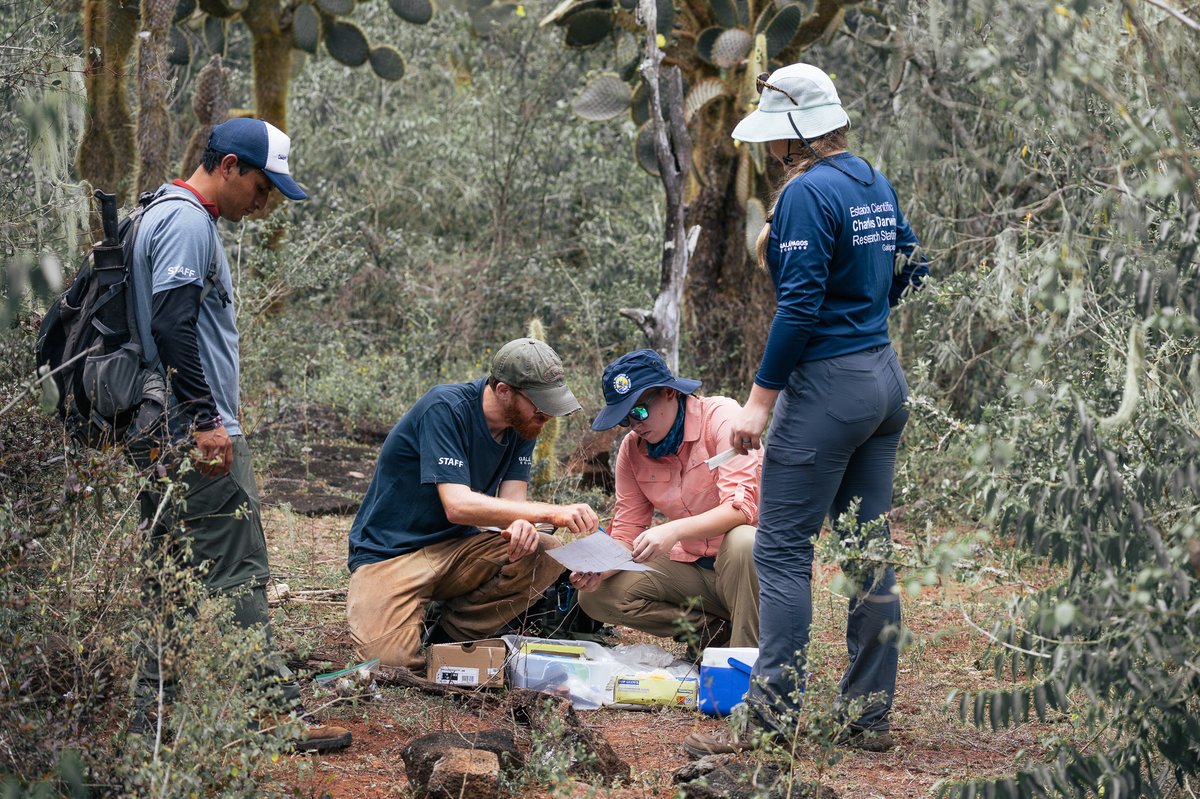
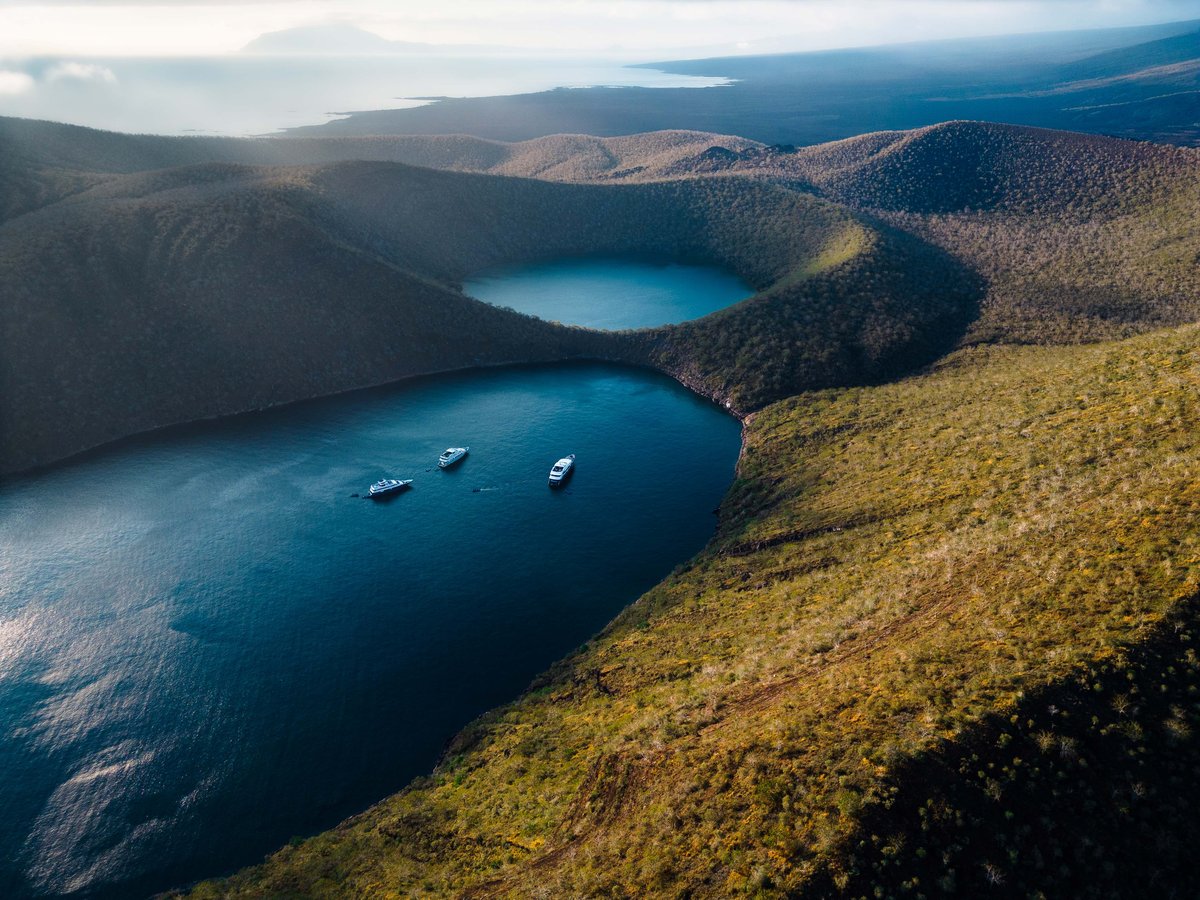
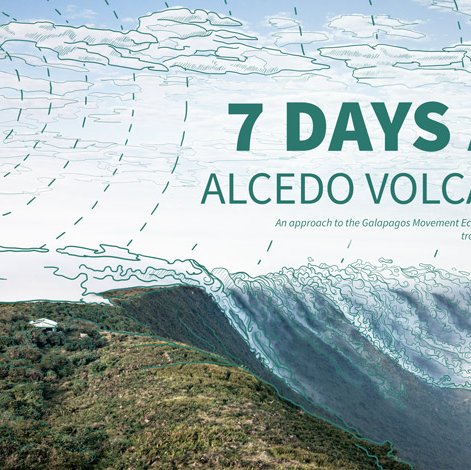
Vegetation mapping in Galapagos combines adventure, science, and conservation. Using drones and fieldwork in remote landscapes, essential maps are produced to monitor ecosystems and protect biodiversity. Each expedition highlights nature’s resilience and the importance of collective effort in preserving these unique and fragile island environments.
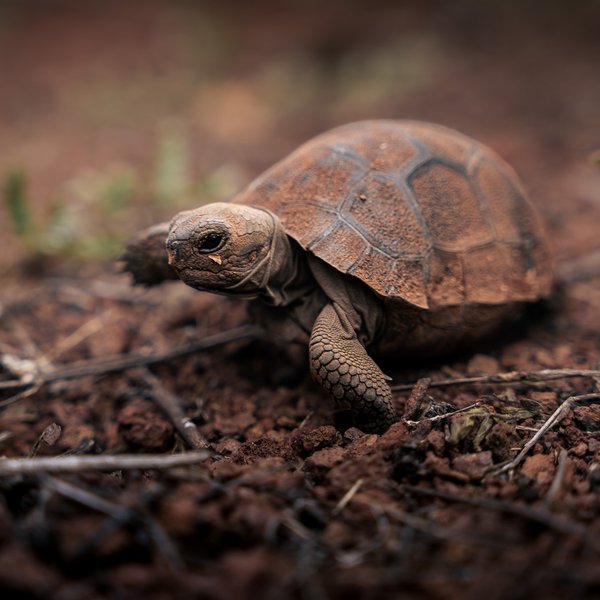
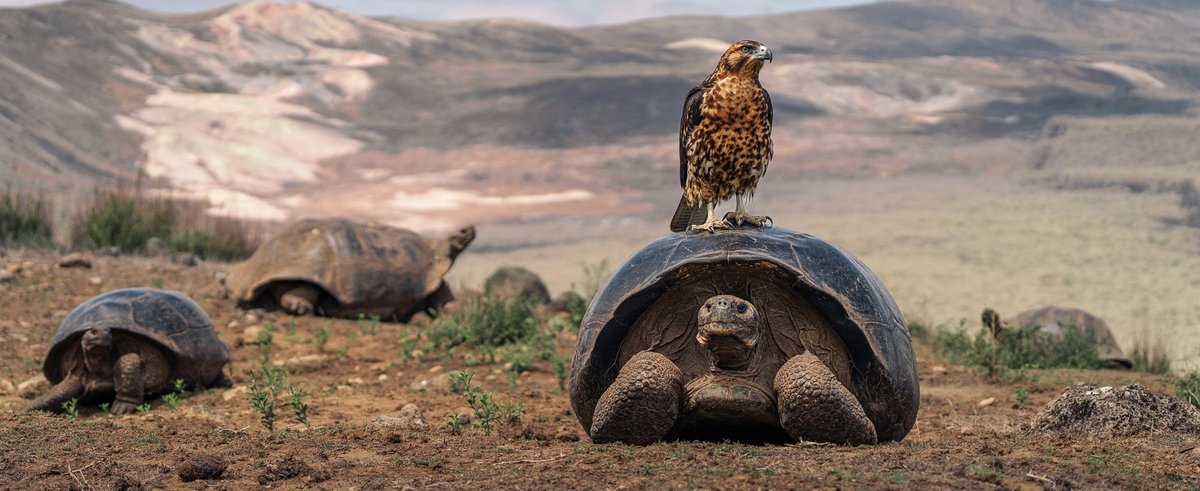
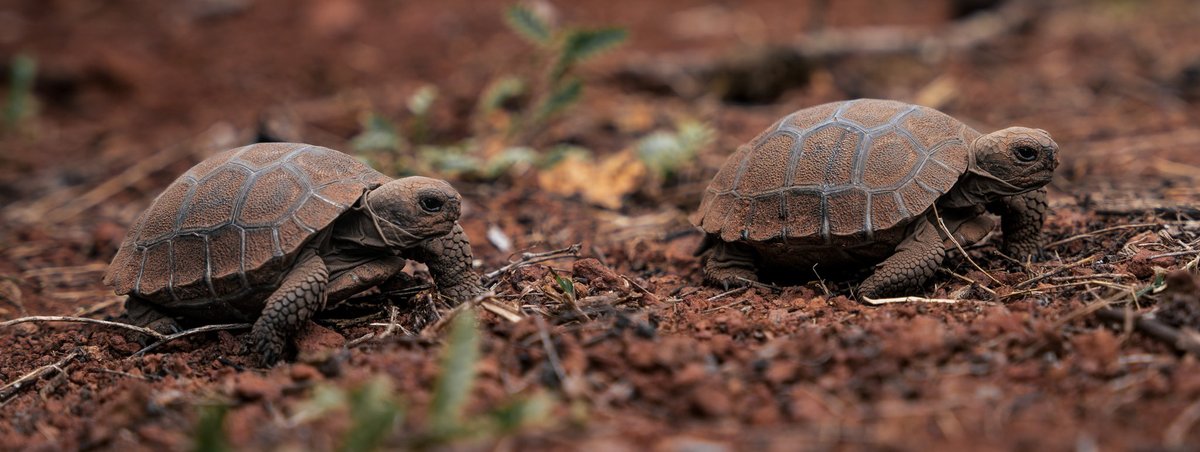
What can giant tortoises teach us about health, science, and hope?
Follow researcher Gislayne Mendoza from her roots in San Cristóbal to the rugged landscapes of Galapagos. Her story unveils surprising virus discoveries, the power of local science, and why protecting these ancient creatures means protecting the delicate balance between wildlife, people, and planet.
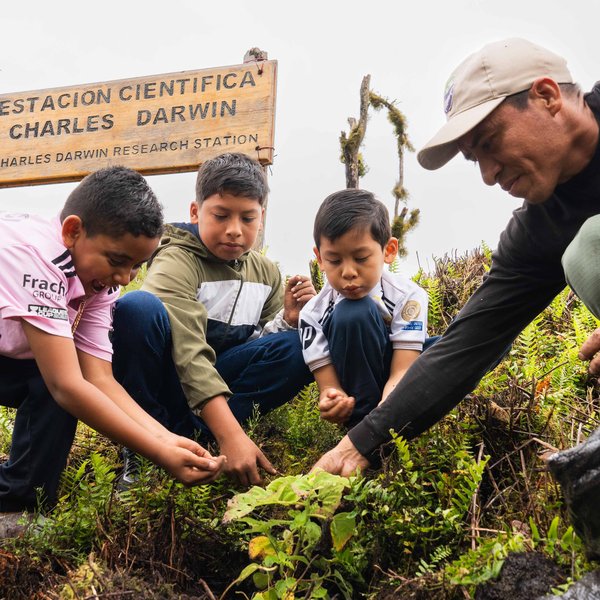
Discover the revival of Isabela Island’s historic Children’s Forest, a once-forgotten sanctuary of the endangered Scalesia cordata. From its origins with Don Jacinto to today’s community-led restoration, this story reconnects generations through conservation, memory, and hope. Click to explore how a beloved forest is coming back to life.
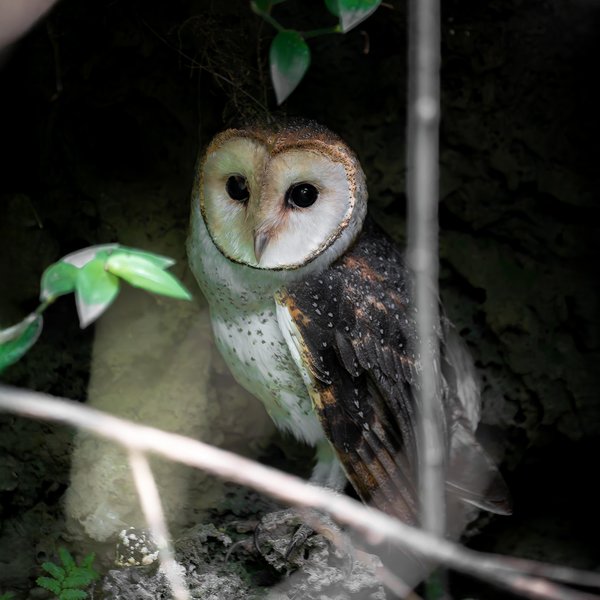
With a heart-shaped face and silent wings, the Galapagos barn owl is a quiet force of balance in the archipelago’s ecosystems. Endemic to the Islands, this elusive predator controls invasive rodent populations, supporting the survival of critically endangered species and ongoing ecological restoration. In the shadows of lava tunnels and forest canopies, it hunts with precision—and reminds us that even the smallest wings can carry the weight of conservation.
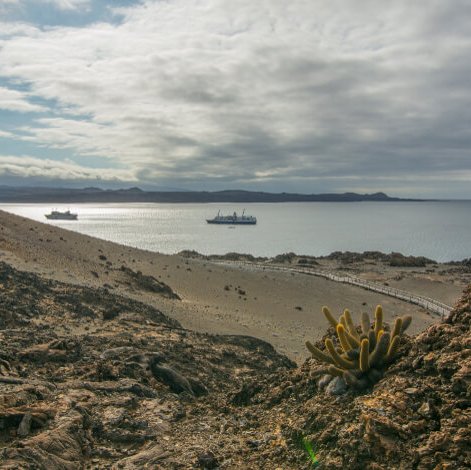
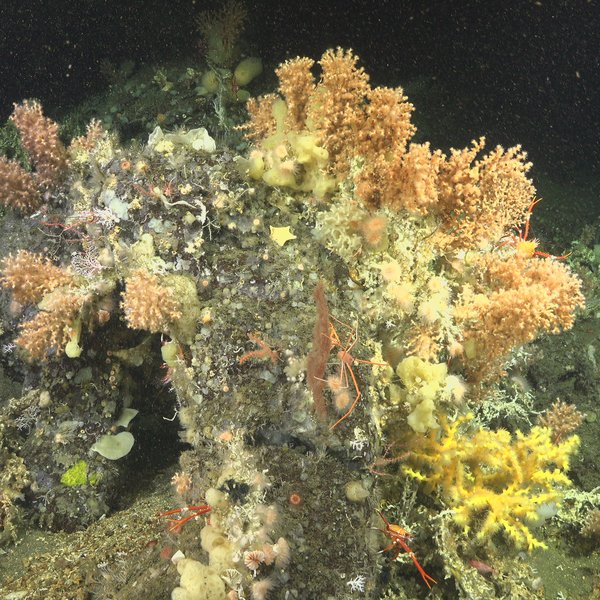
Scientists have uncovered a hidden collapse of Galápagos deep-sea corals, revealing a 1,000-year disappearance linked to ancient climate shifts. By reconstructing 117,000 years of ocean history, the study exposes the vulnerability—and resilience—of these unseen ecosystems, offering urgent insights into how climate change could reshape life in the deep ocean.
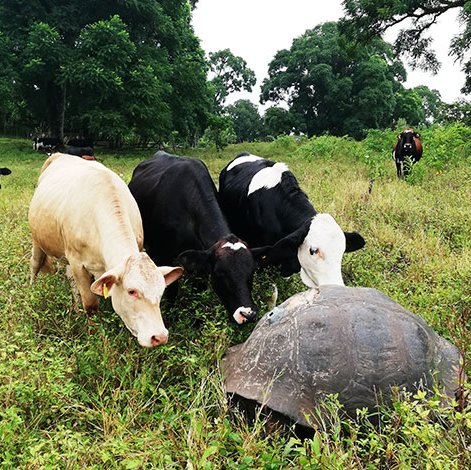

Travel to the Galapagos Islands and help protect these iconic places. Discover the Charles Darwin Foundation's essential travel tips for responsible tourism.

Meet the charming Galapagos penguin—the only wild penguin north of the equator and one of the most endangered. Discover how science, conservation, and your support through symbolic adoption can help protect this unique species. Click to learn how you can make a real difference for penguins and the planet.
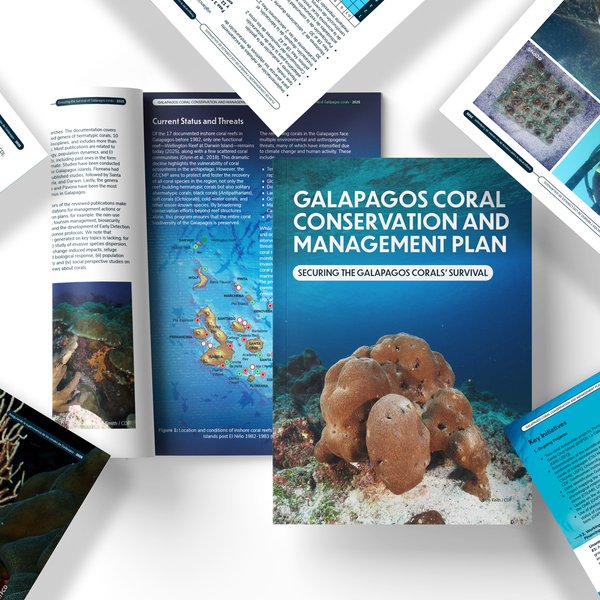
The Galapagos Coral Conservation and Management Plan (PCMCG) aims to protect and restore corals across the archipelago through a management plan to 2030 combining long-term research with prioritized actions, recognizing the role corals play in marine ecosystems, coastal protection, tourism, fisheries, and science.