Results
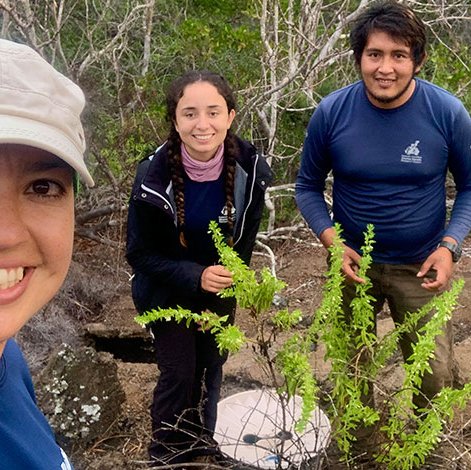
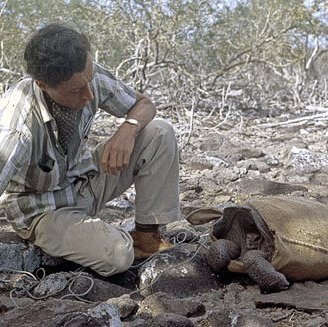
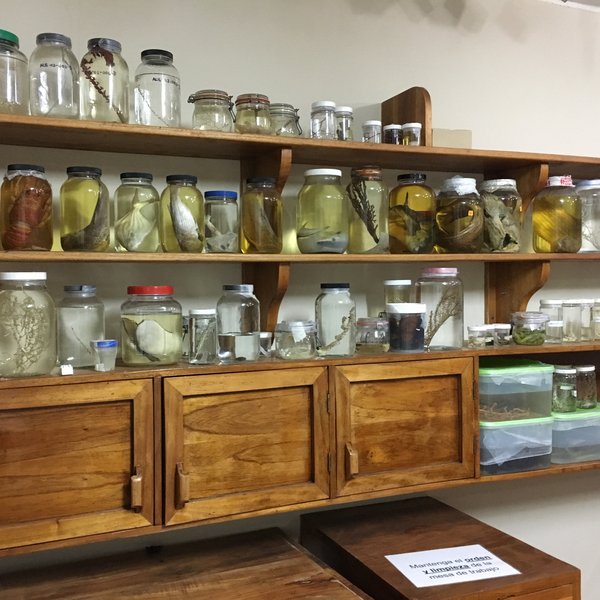
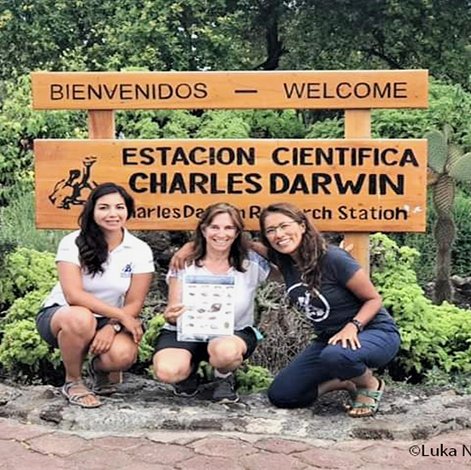
Since 1979, the Marine Organisms Collection of the Charles Darwin Research Station has grown from handwritten notebooks into a scientific infrastructure recognized in 2014 as part of Ecuador's heritage. Nathalia Tirado-Sánchez and Rosita Calderón-Barrera digitized thousands of historical records, strengthening research, education, biosecurity, and the conservation of Galápagos's marine biodiversity.
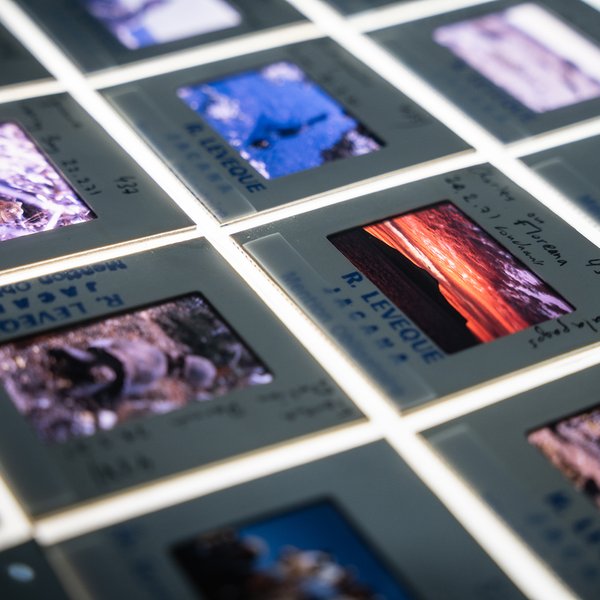
A study of the Charles Darwin Foundation Historical Archive, presented at the 2nd Latin American World Congress of Historical Sciences, shows how Galápagos joined international scientific networks from the mid-twentieth century. Letters, maps and field notebooks reveal a web of scientists, diplomats and institutions with the CDF at its center.
Celebrating seven years of the Galapagos Biodiversity and Education for Sustainability Fund

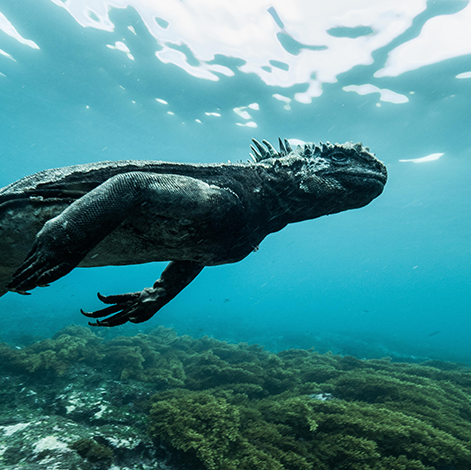
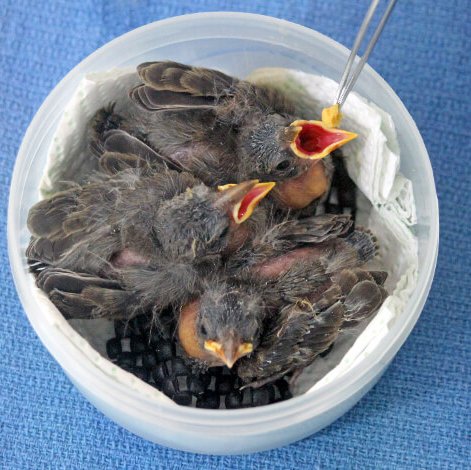
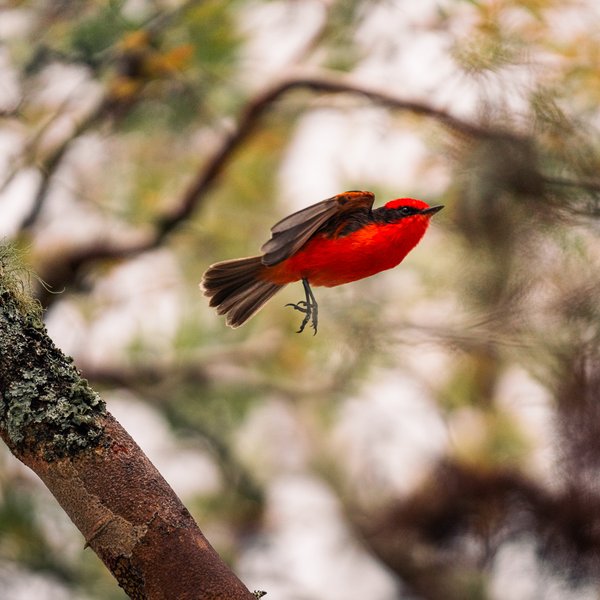
We are excited to announce that the Charles Darwin Foundation (CDF) is now a member of the Global Rewilding Alliance, an international network of over 170 organizations restoring nature around the world. Together, we believe that rewilding is one of the most powerful paths forward to tackle biodiversity loss, climate change, and the global environmental crisis.
For more than 65 years, CDF has grounded its work in rigorous science and deep commitment to conservation in the Galápagos Islands. From wildlife monitoring to habitat restoration, from policy advice to community engagement — our efforts center on restoring natural systems so they thrive. Joining the Global Rewilding Alliance now lets us share what we’ve learned, collaborate with new partners, and scale up our impact.
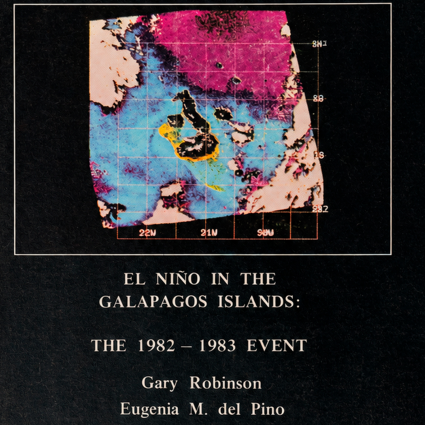
This landmark volume documents the 1982–1983 El Niño, one of the most severe events in Galapagos history.