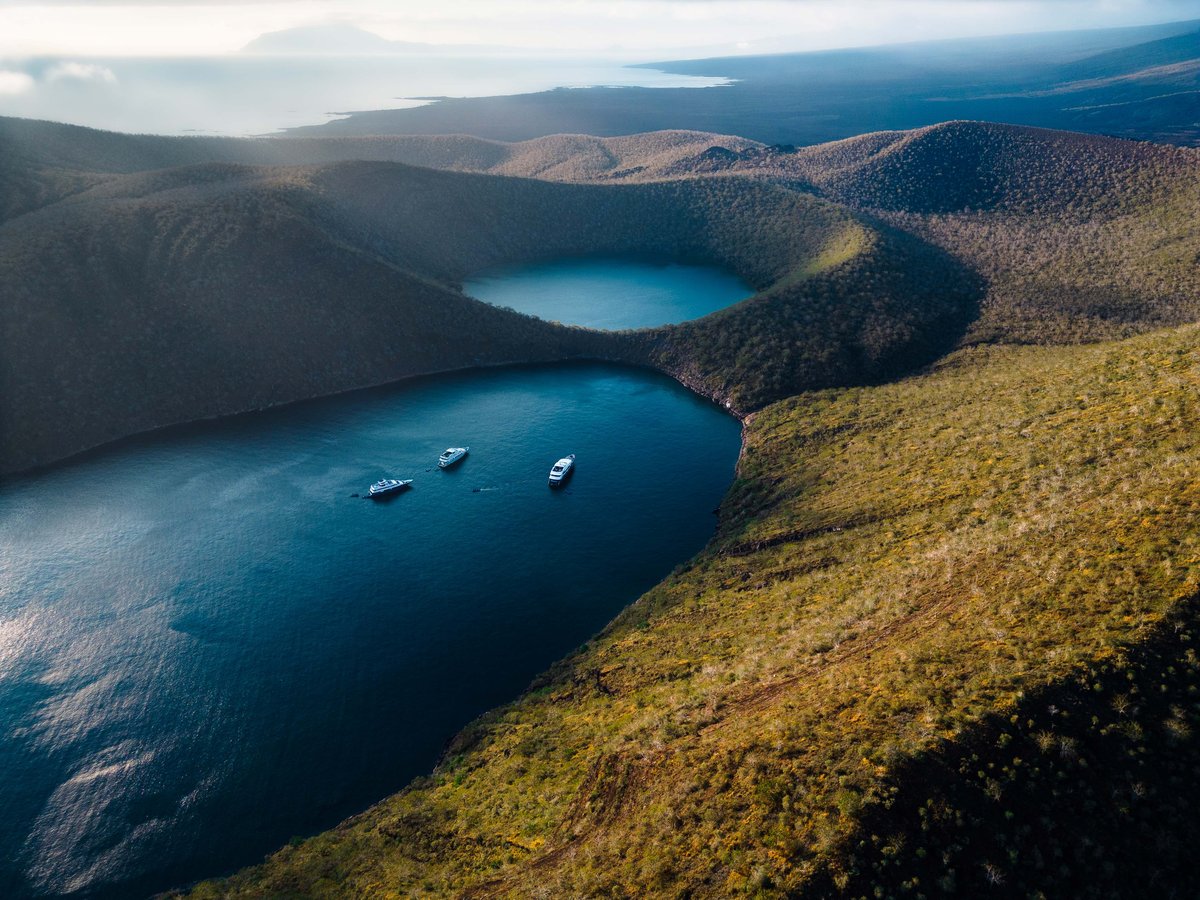
Results

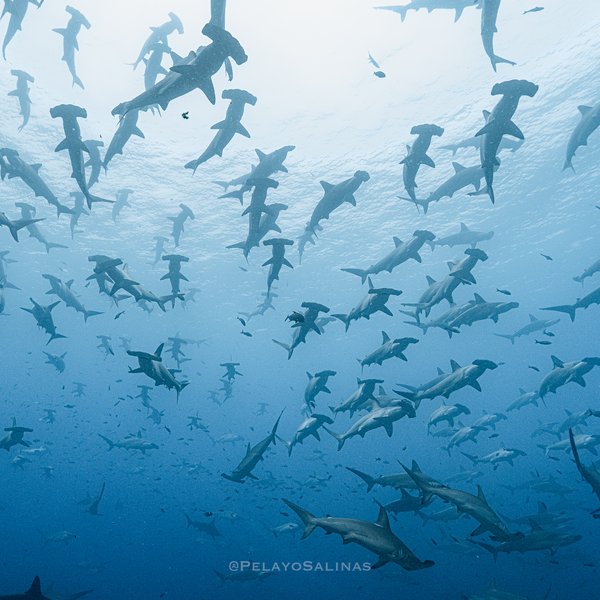
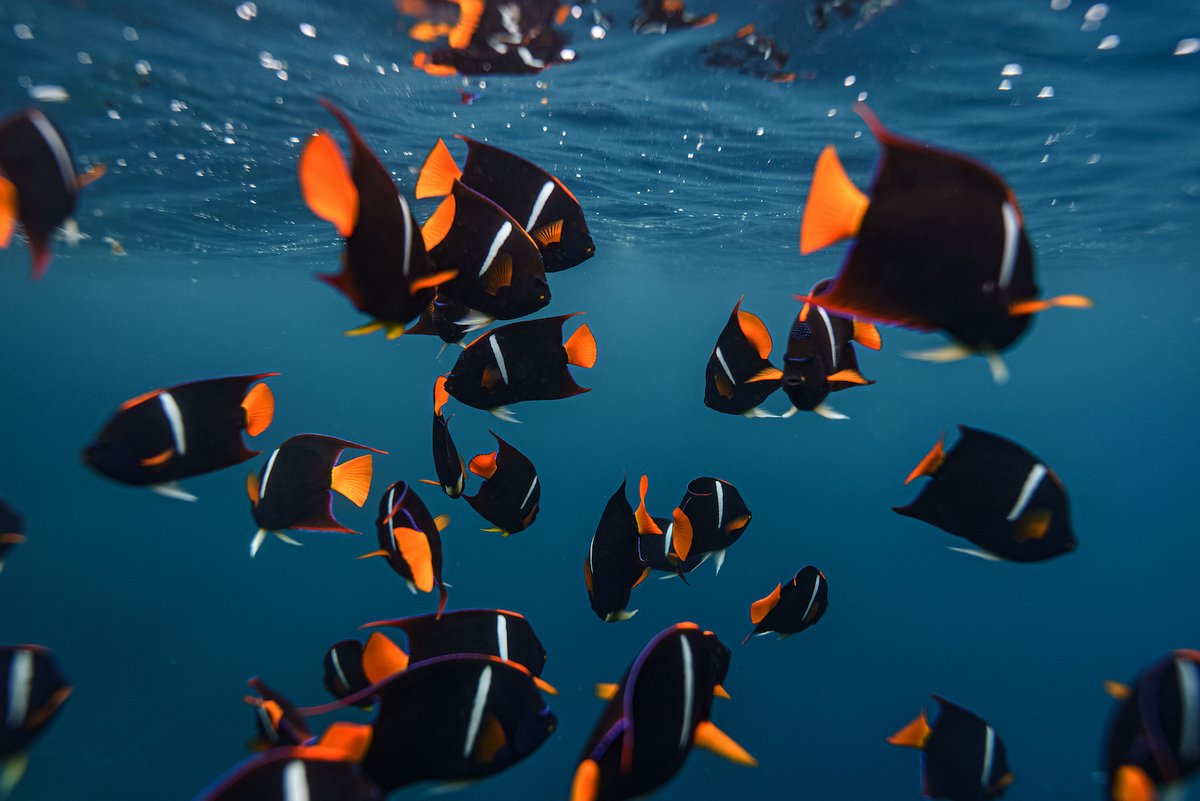
A groundbreaking study across seven marine protected areas in the Eastern Tropical Pacific reveals thriving shark and predator populations in remote island MPAs like Galapagos and Malpelo, while coastal reserves are severely depleted. Discover what this means for ocean protection, why it matters, and the urgent actions scientists recommend.

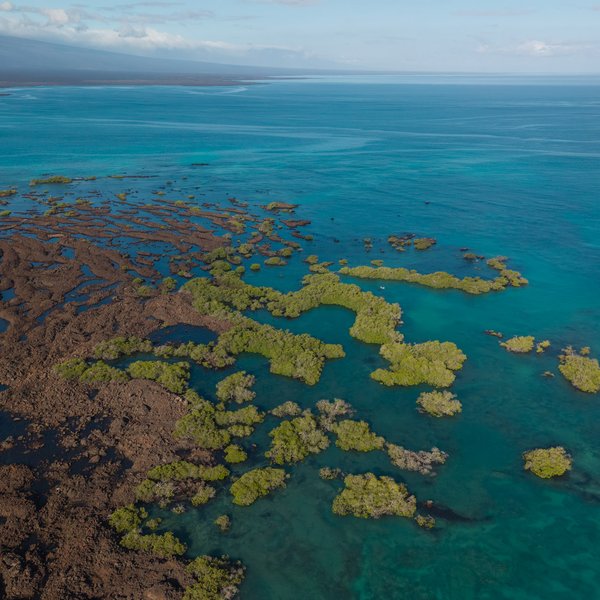
El Niño 2026 is transforming ocean conditions around Galápagos, with potential effects on food availability, reproduction, and survival across many species. Penguins, marine iguanas, sea lions, and corals are among the most vulnerable. Decades of scientific monitoring will help measure impacts and guide future conservation decisions across the archipelago effectively.
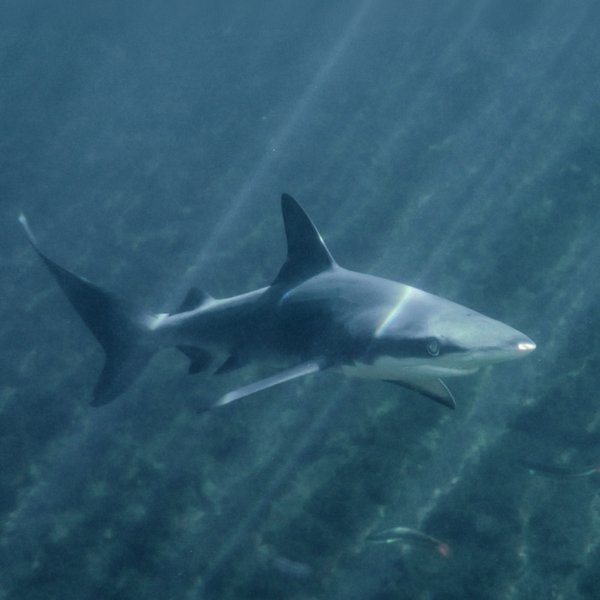
Galápagos sharks do not all behave the same. Hammerheads form large schools, whitetip reef sharks rest on reefs, tiger sharks repeatedly return to key feeding areas, and whale sharks undertake long migrations. Understanding these different behaviors helps protect critical habitats, migration routes, and supports more effective conservation strategies for each species.
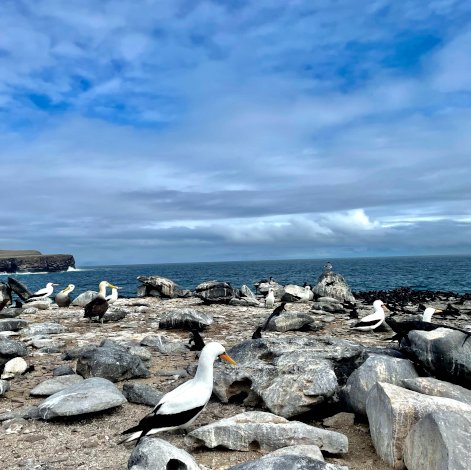

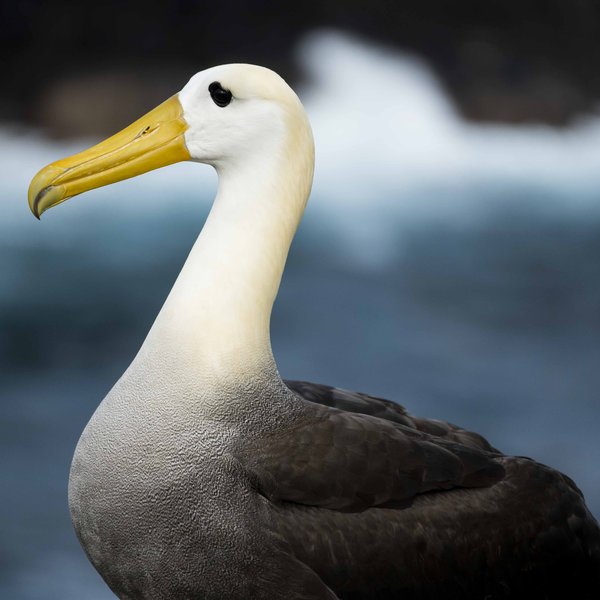
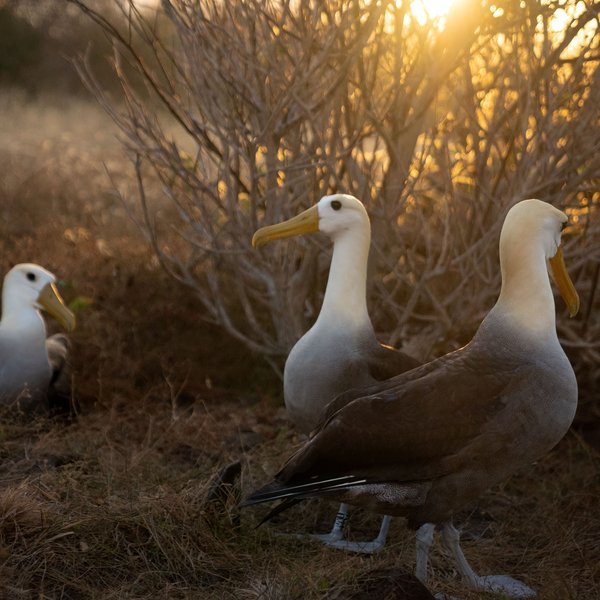
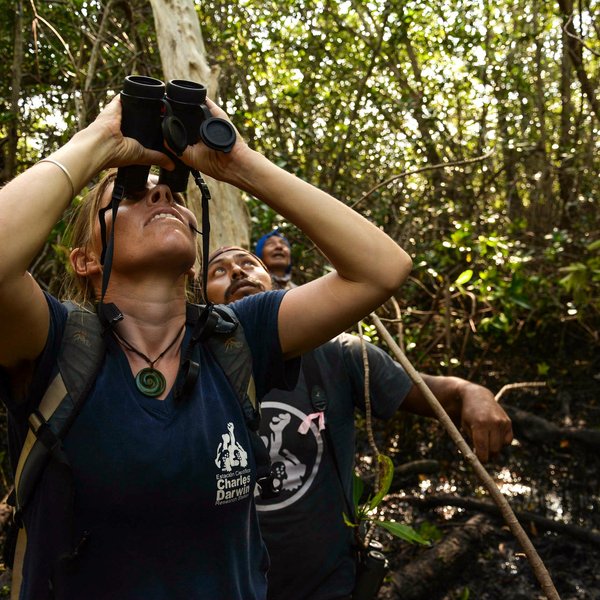
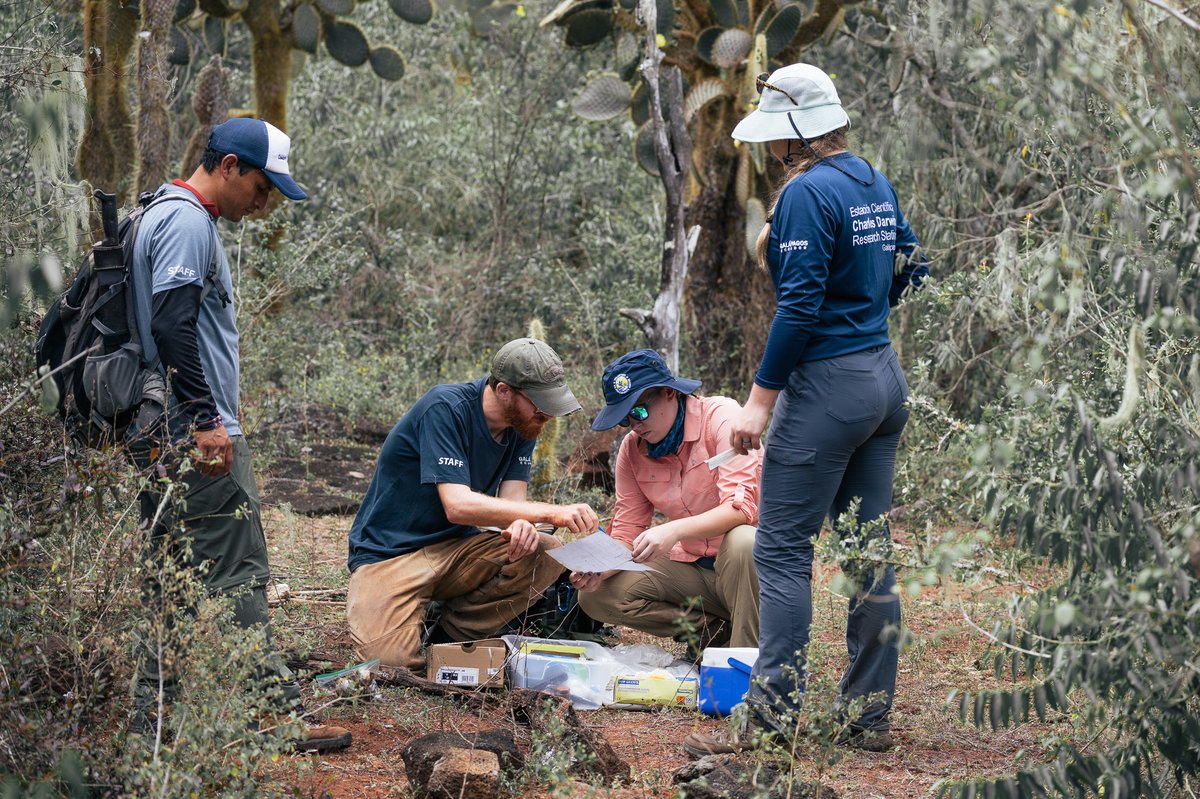
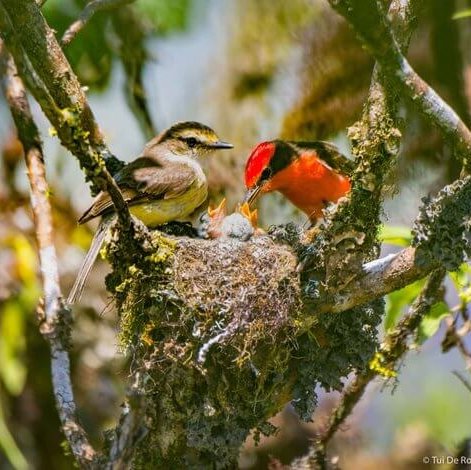
It is estimated that 20% of the populations of small landbirds found on the Galapagos Islands are declining or have gone locally extinct. Our scientists work to ensure the long-term conservation of small Galapagos landbird populations for the health of the islands’ ecosystems at large.





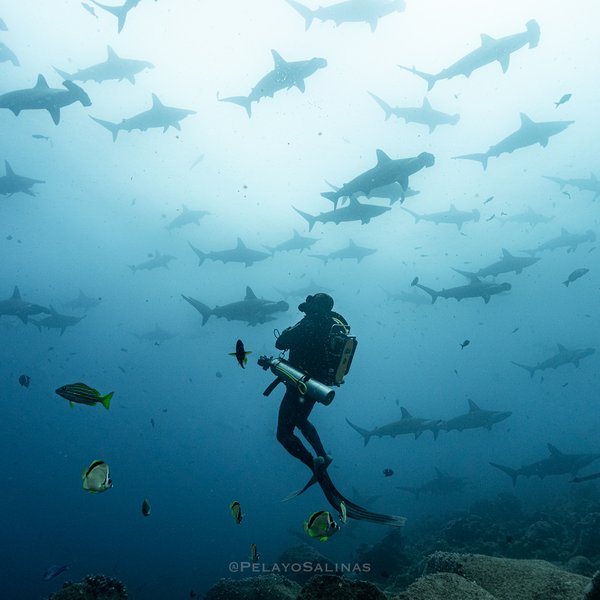
Scientists from the Charles Darwin Foundation’s shark ecology and conservation program and collaborators, have published what is likely the first-ever scientifically recorded birthing migration for the critically endangered scalloped hammerhead shark (Sphyrna lewini).