Results
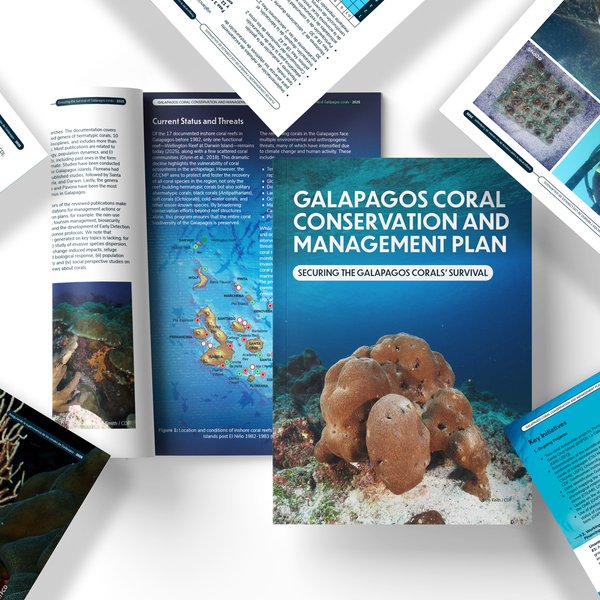
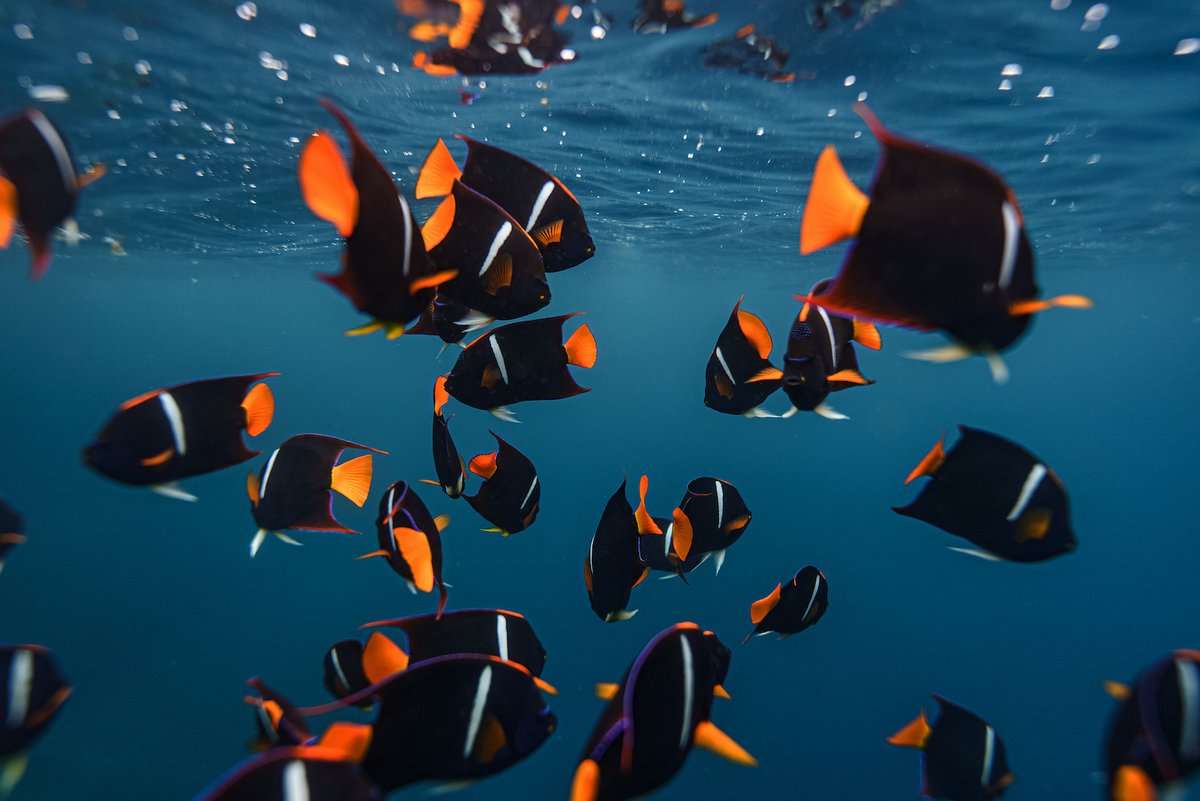
The Galapagos Coral Conservation and Management Plan (PCMCG) aims to protect and restore corals across the archipelago through a management plan to 2030 combining long-term research with prioritized actions, recognizing the role corals play in marine ecosystems, coastal protection, tourism, fisheries, and science.
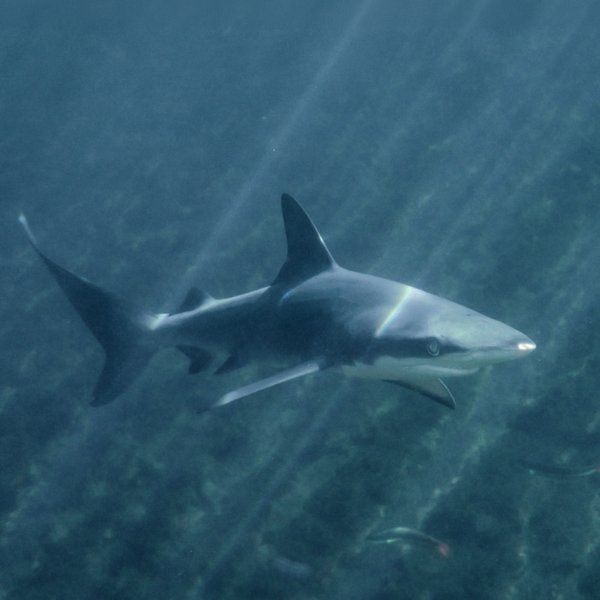
Galápagos sharks do not all behave the same. Hammerheads form large schools, whitetip reef sharks rest on reefs, tiger sharks repeatedly return to key feeding areas, and whale sharks undertake long migrations. Understanding these different behaviors helps protect critical habitats, migration routes, and supports more effective conservation strategies for each species.
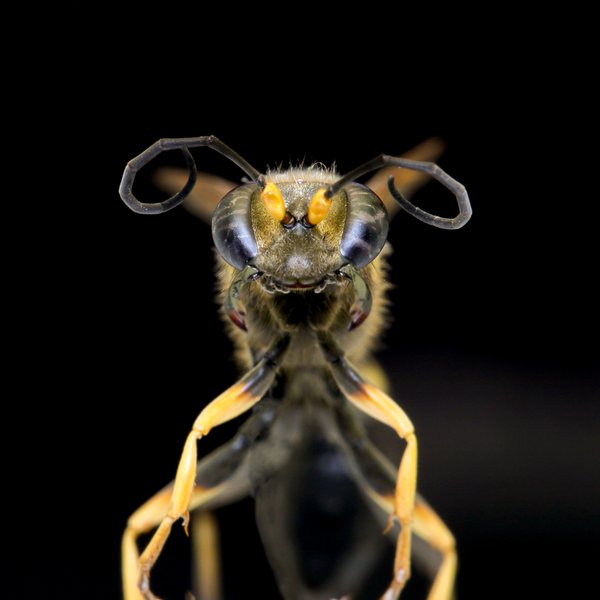
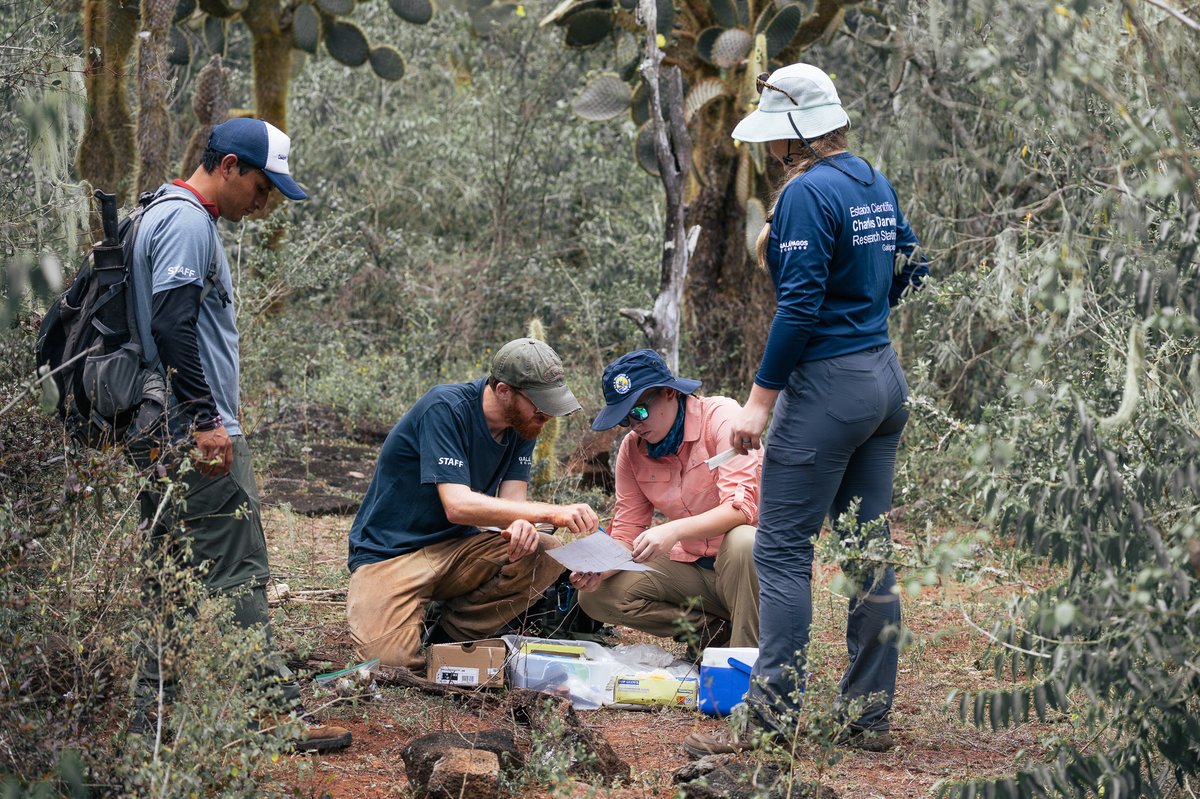
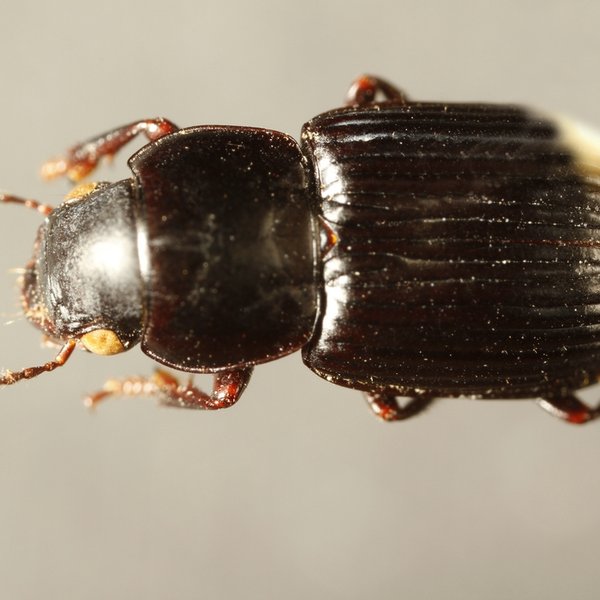
Research in the Scalesia forest on Santa Cruz Island revealed more than 200 taxa of parasitoid wasps, compared with only 30 species previously reported for Galapagos. These tiny insects play essential ecological roles and highlight how much remains unknown about the archipelago’s biodiversity and fragile ecosystems in the Pacific Ocean.
Welcome to The Station
A podcast series, coming to you directly from the Charles Darwin Research Station, where we dive into stories of science and wonder from the Galápagos Islands.
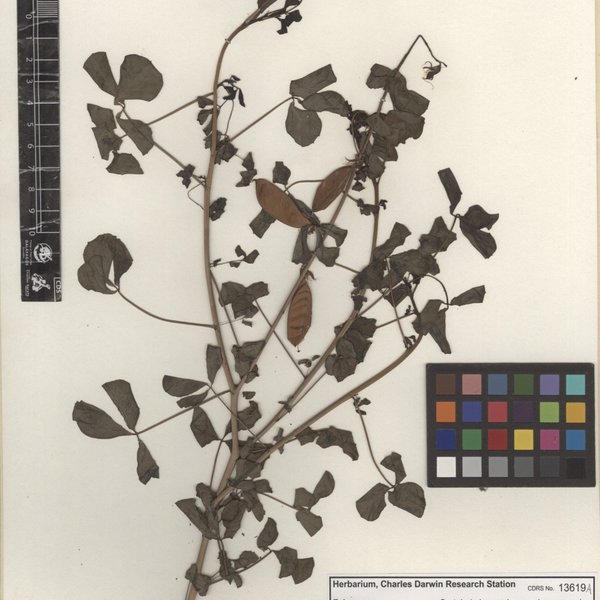
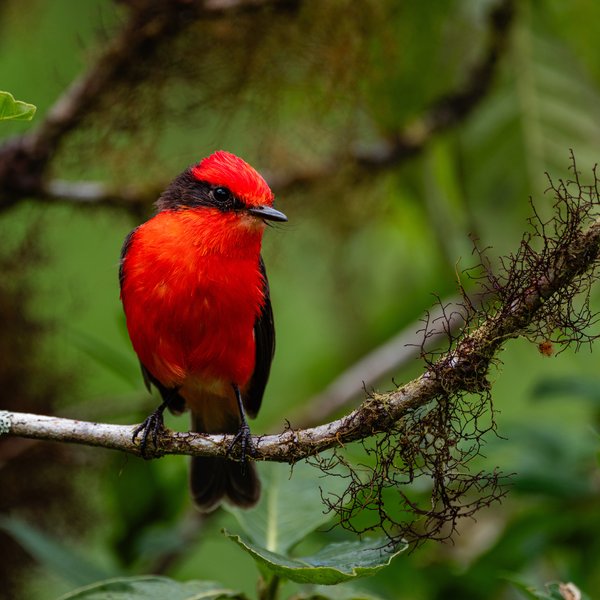
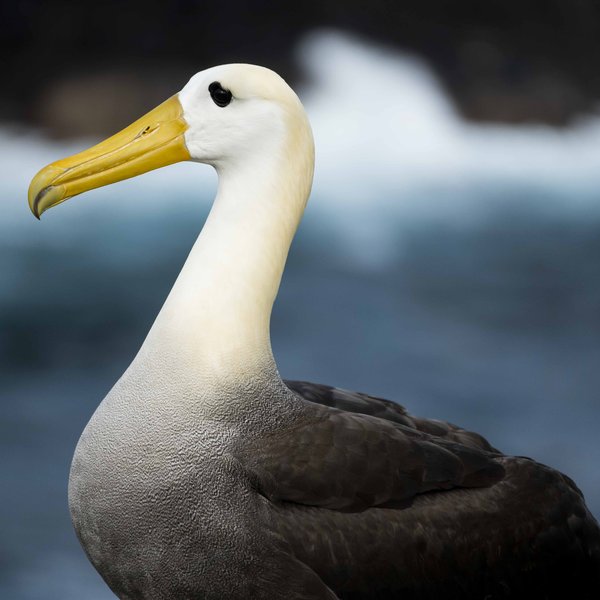
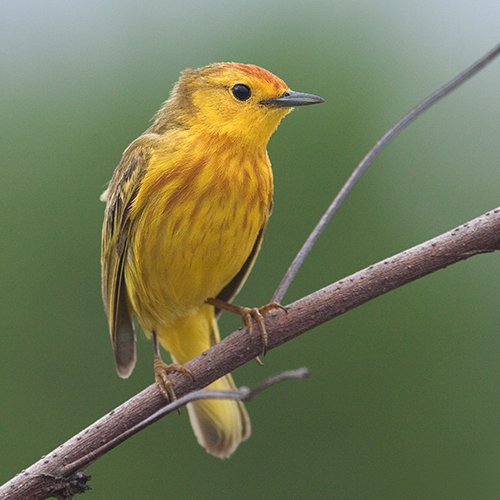
The Galápagos landbird breeding season (January–April) is critical for conservation. Monitoring and adaptive management, including innovative control of Philornis downsi, are improving nesting success. Early results show population recovery in key species, supported by habitat restoration. Ongoing data collection will determine long-term effectiveness and guide future conservation strategies.