Results
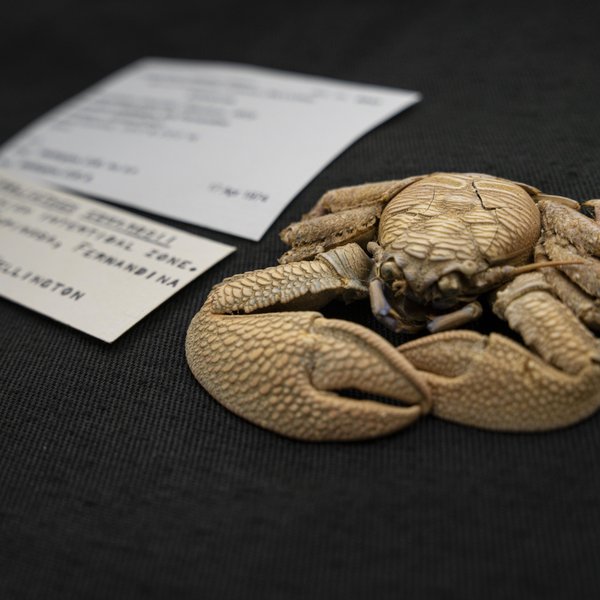
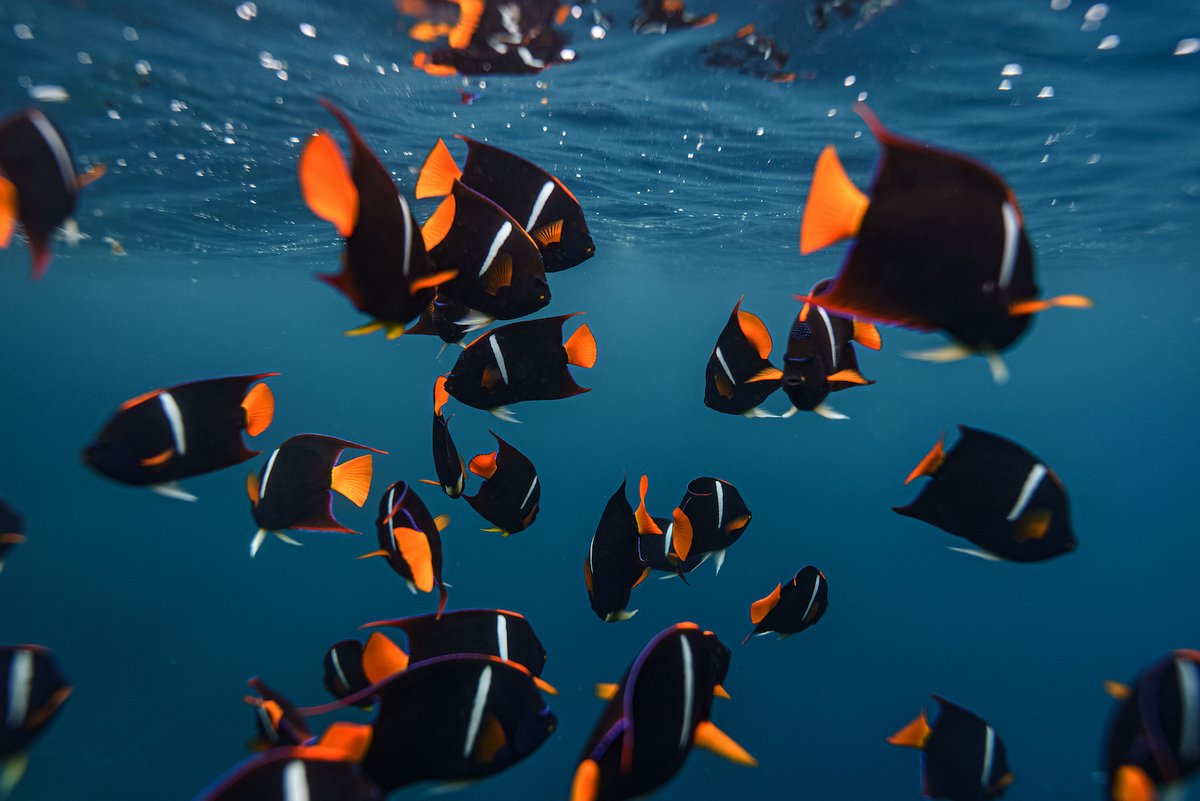
Between 1973 and 1999, marine ecologist Gerard Wellington collected 773 specimens in Galapagos, now housed at the Charles Darwin Research Station. They include the solitary coral named after him, considered possibly extinct until its rediscovery in 2024. His collection provides a historical baseline for measuring how the ocean is changing.
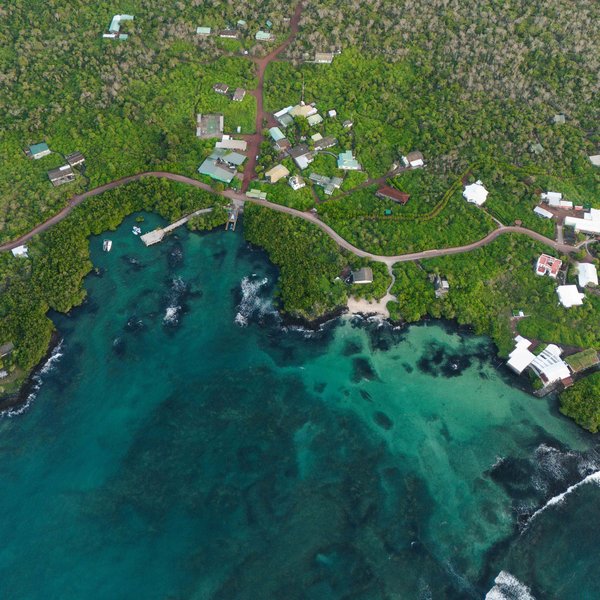
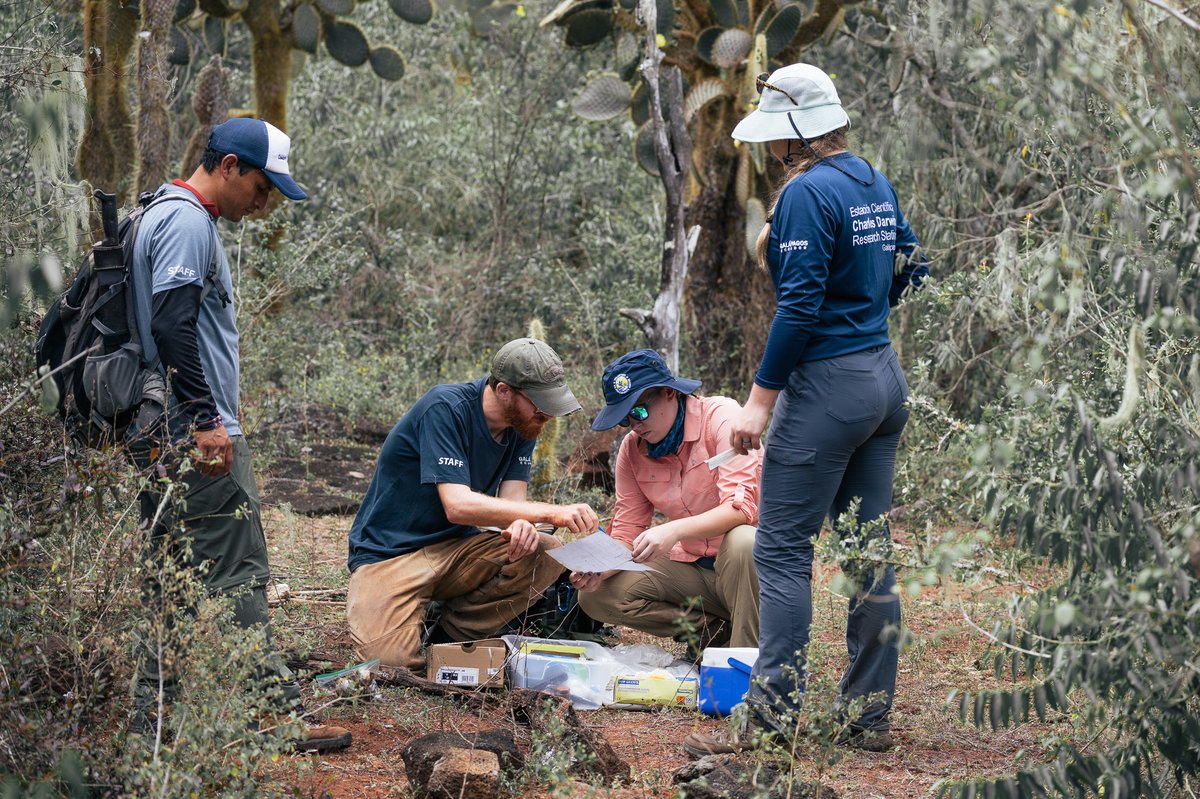
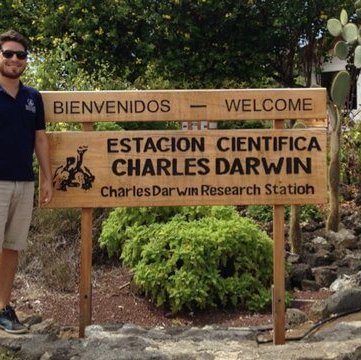
A special year deserves a special celebration. The Charles Darwin Foundation (CDF) opens its doors in collaboration with the Galapagos National Park (GNP), our strategic partner with whom we have worked hand in hand for 65 years.
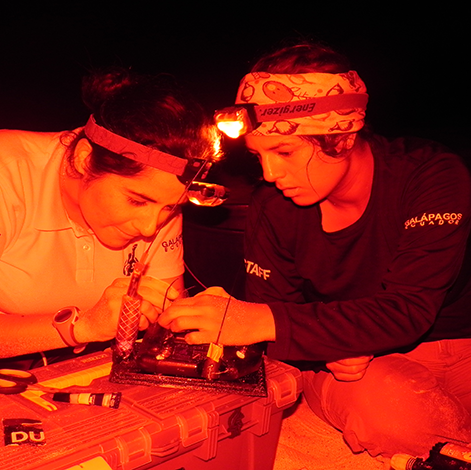
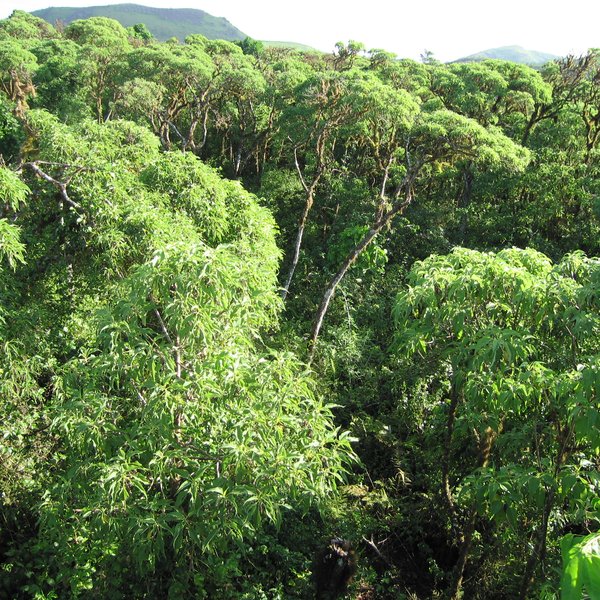
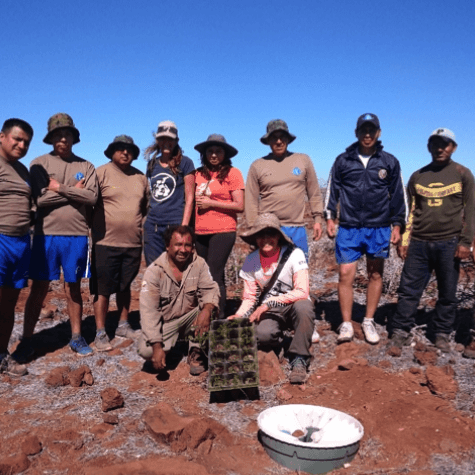
Study reveals urgent need for large scale invasive species management to prevent extinction of endemic forest in the Galapagos Islands
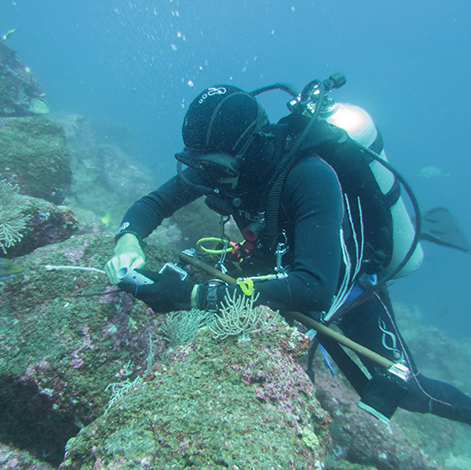
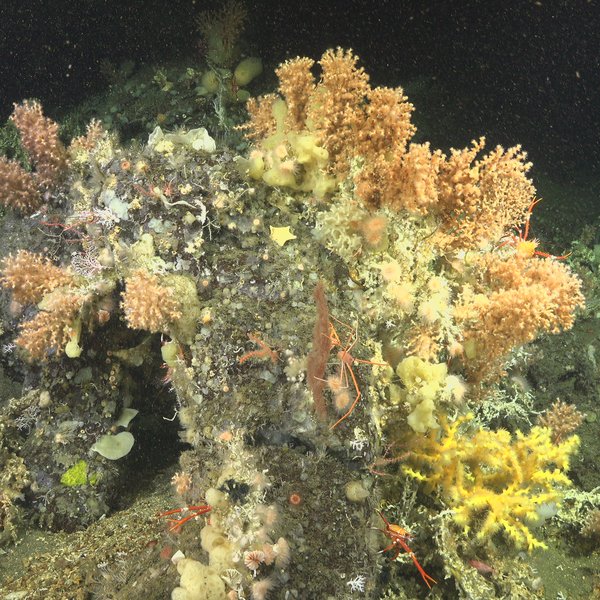
Scientists have uncovered a hidden collapse of Galápagos deep-sea corals, revealing a 1,000-year disappearance linked to ancient climate shifts. By reconstructing 117,000 years of ocean history, the study exposes the vulnerability—and resilience—of these unseen ecosystems, offering urgent insights into how climate change could reshape life in the deep ocean.
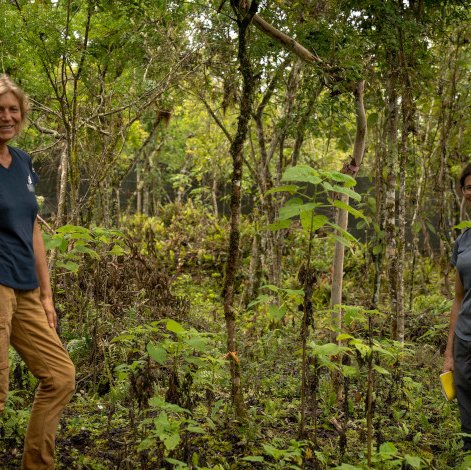
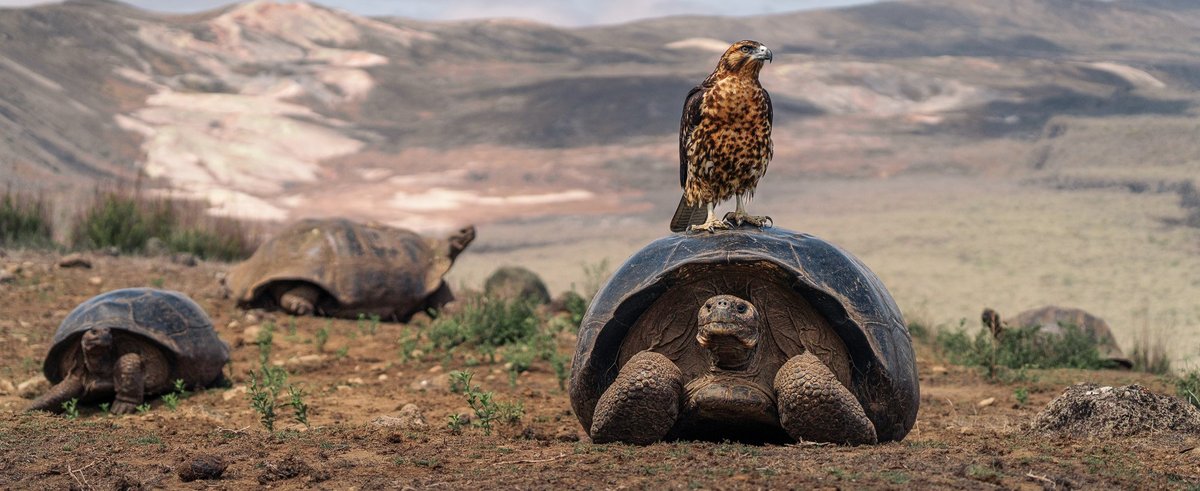
When we talk about Galapagos we always think of Darwin, giant tortoises and finches. But few outside Galapagos know about the Scalesia plants, commonly known as Darwin’s giant daisies.