Results
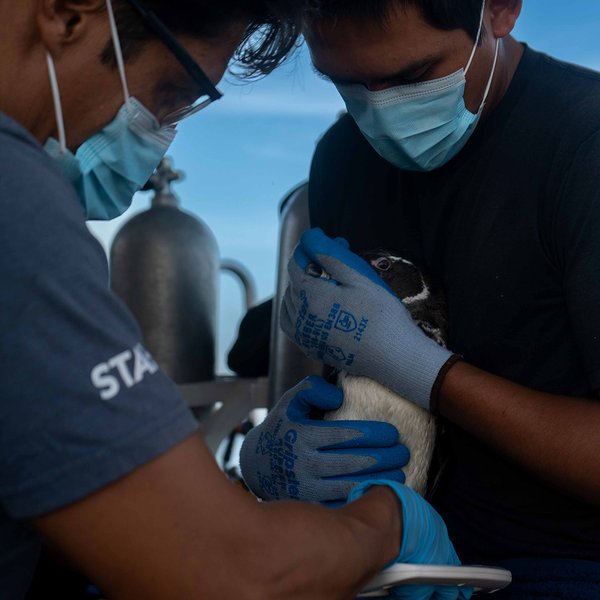
The Galapagos Islands are home to species so unique they exist nowhere else on Earth. Among these are the Galápagos penguin and the flightless cormorant, evolutionary wonders that have adapted to thrive in these remote habitats. But these incredible creatures face mounting challenges from climate change, diseases and invasive species. Protecting them is no easy feat—it takes dedication, resources, scientific knowledge, and action.
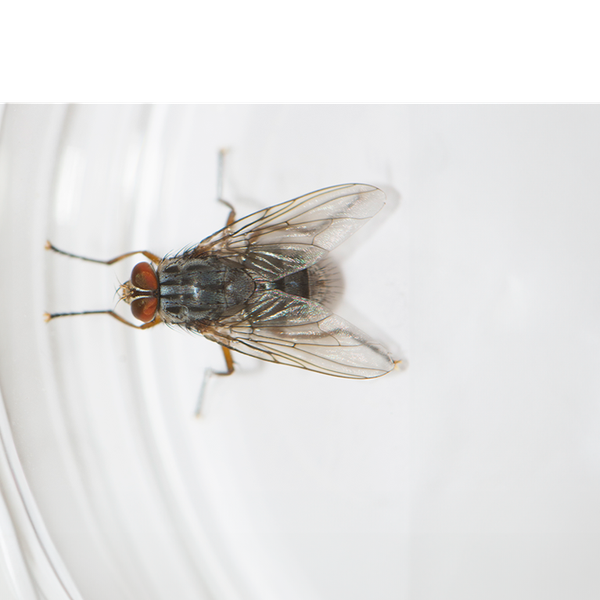
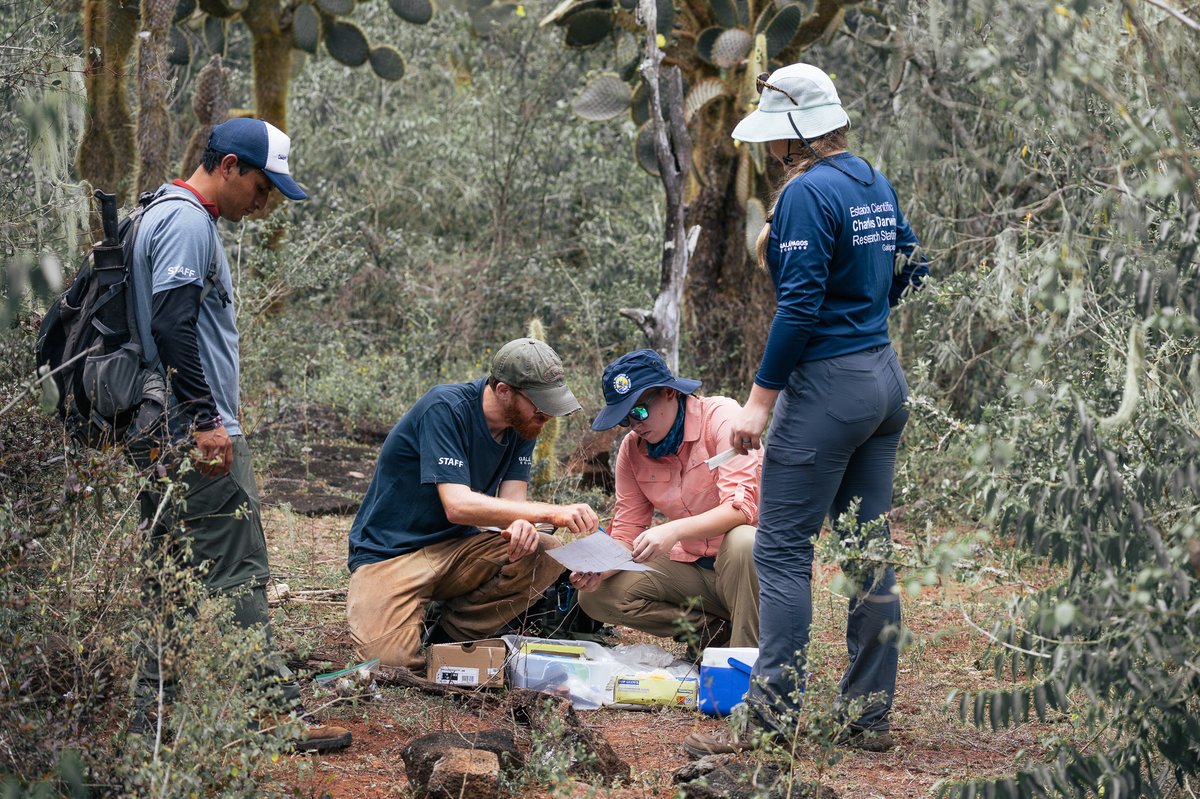
In a race against time, our scientists are working hard to find ways to control the avian vampire fly (Philornis downsi), an invasive parasitic fly that is affecting the survival of the unique small landbirds of the Galapagos Islands, including the iconic Darwin’s finches.
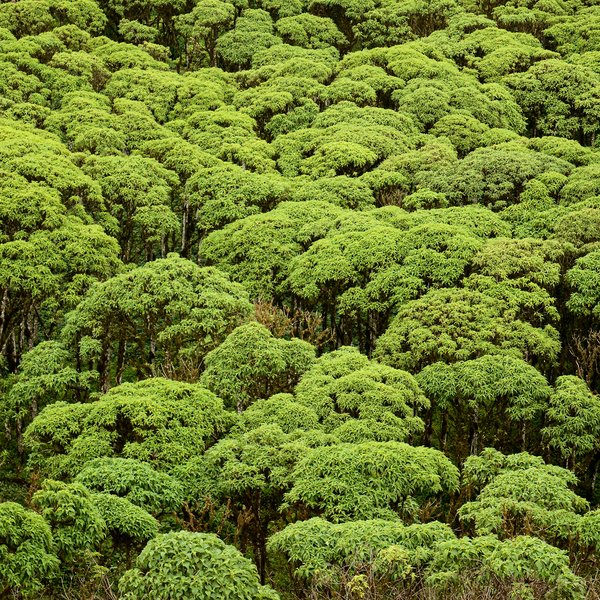
The Scalesia forest on Santa Cruz Island hosts 150 endemic insect species, representing 21% of those recorded in Galápagos within six studied groups. The research highlights their ecological importance and warns about threats from habitat loss and invasive species, reinforcing the urgent need for restoration and long-term conservation efforts.
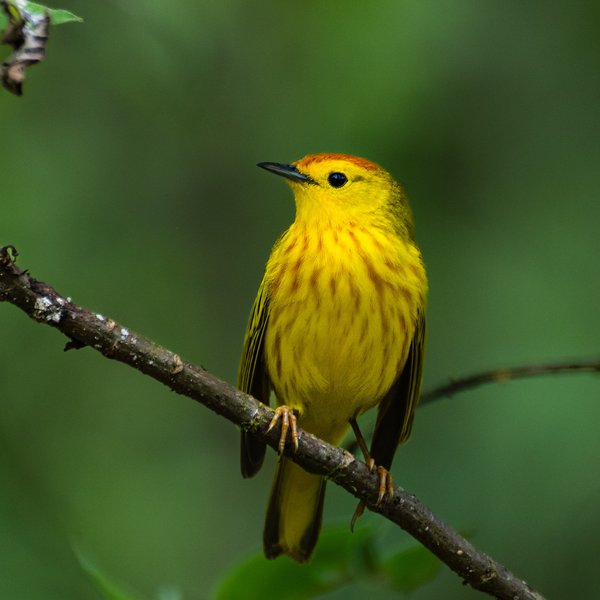
Beneath Galápagos’ iconic birds lies a hidden story of health and survival. A new study reveals the presence of viruses in landbird populations, offering the first baseline of disease risk in these unique species. Discover why monitoring “invisible diseases” is essential to protecting the future of Galápagos biodiversity.
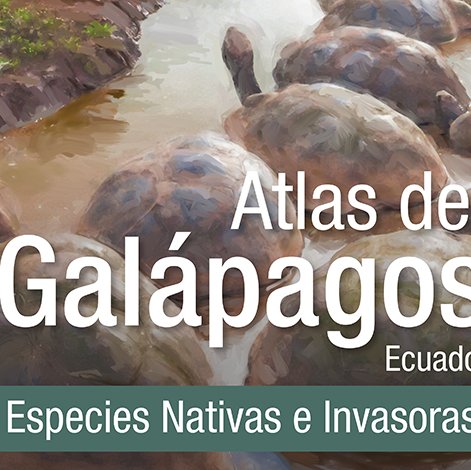
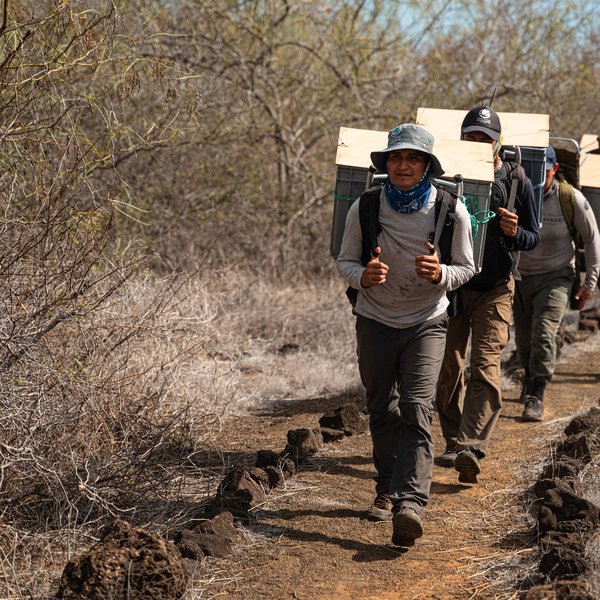
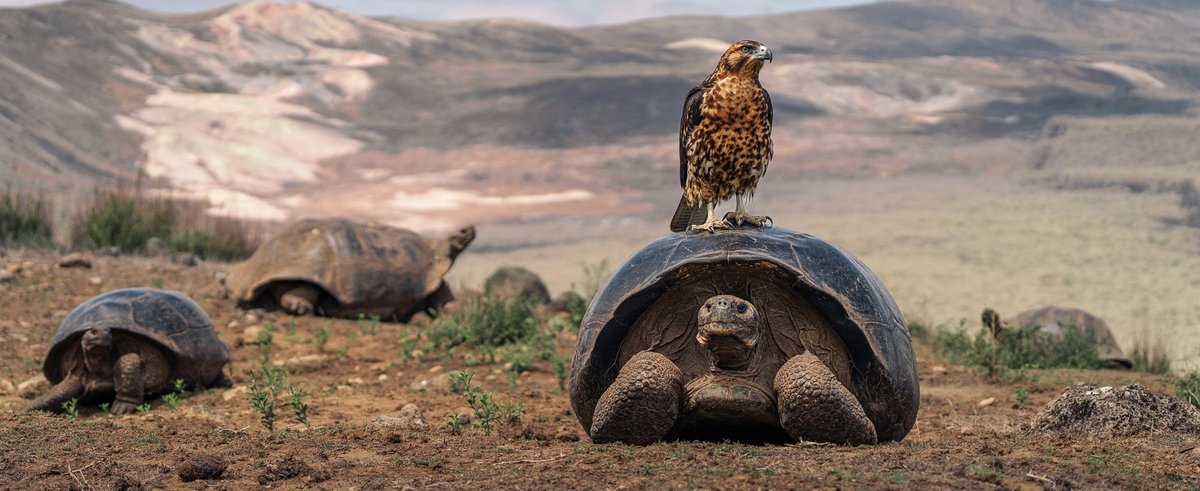
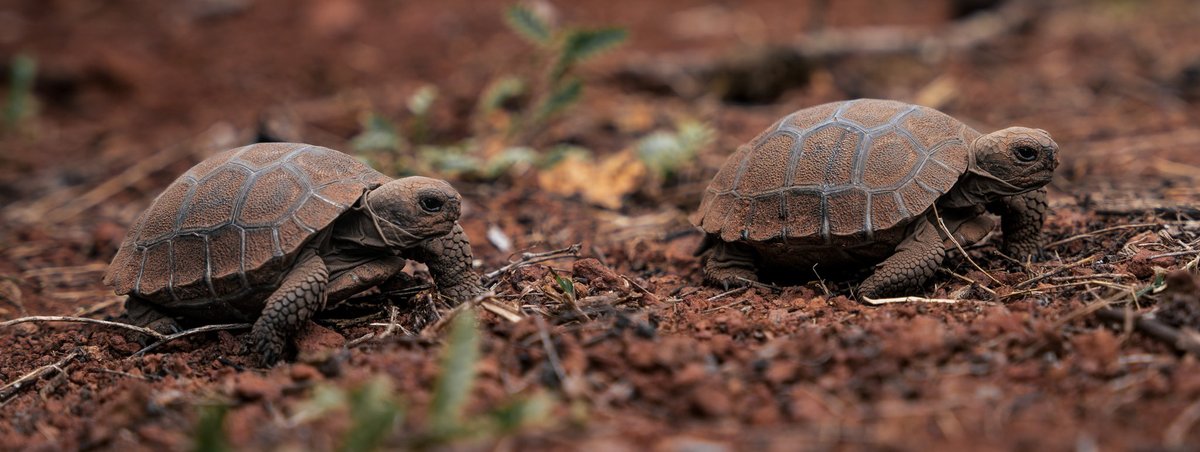
After more than 180 years, giant tortoises have returned to Floreana Island—reviving a lineage once thought extinct. Discover how hybrid tortoises were identified, bred, and carefully reintroduced, and why their comeback marks a turning point for island restoration, ecosystem recovery, and one of Galápagos’ most ambitious conservation efforts.
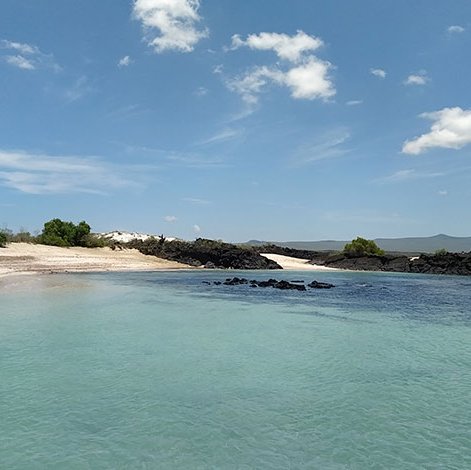
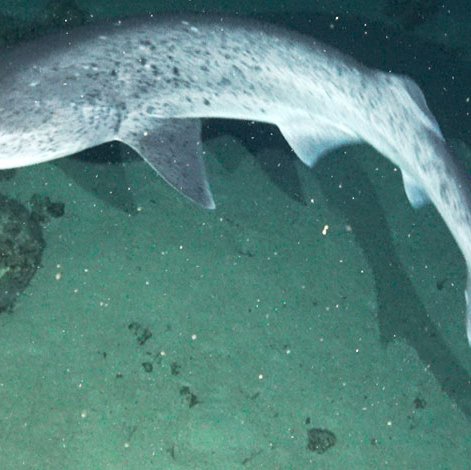

At Quinta Playa, one of Galápagos’ most important sea turtle nesting sites, every hatchling faces a remarkable journey. Through rare photographs and firsthand experiences, discover the hidden challenges—from rising tides and predators to life beneath the sand—and the dedicated conservation work helping protect the vulnerable East Pacific green turtle.
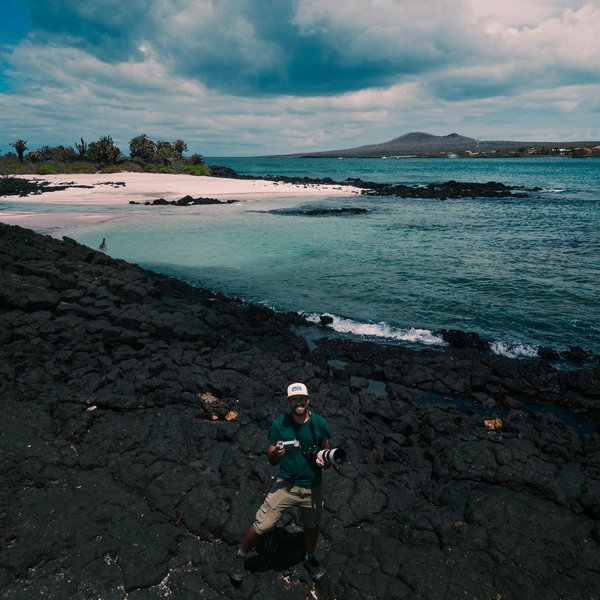
A Quito Photographer's Chronicles in the Enchanted Islands