Results
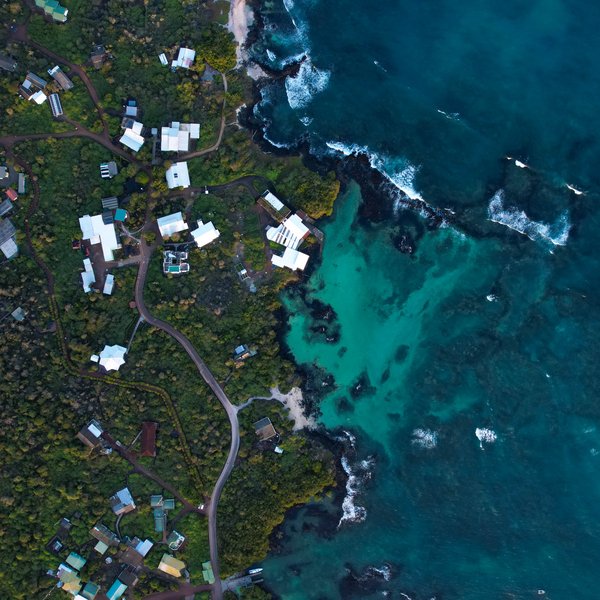
Inaugurated in 1964 as a base for scientists conducting their research on Galapagos, the Charles Darwin Research Station on Santa Cruz Island welcomes all visitors to discover how our scientific research and conservation actions ensure we safeguard one of the world’s most important natural treasures for future generations.
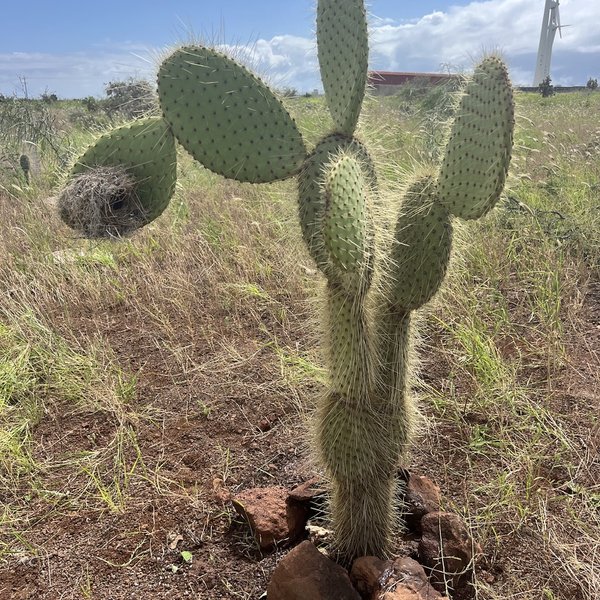
Baltra Island is coming back to life after more than a decade of restoration. Thanks to over 8,000 native plants introduced by the Charles Darwin Foundation and partners, ecosystems are regenerating naturally, offering new hope for Galápagos conservation.
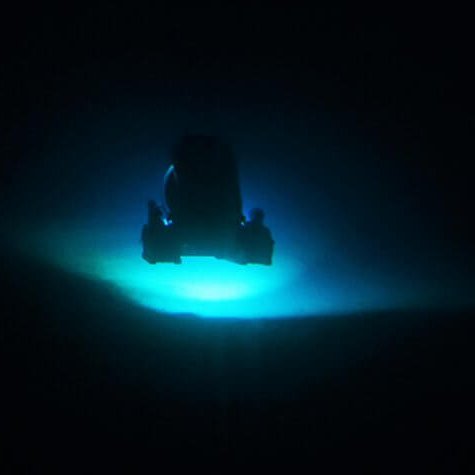
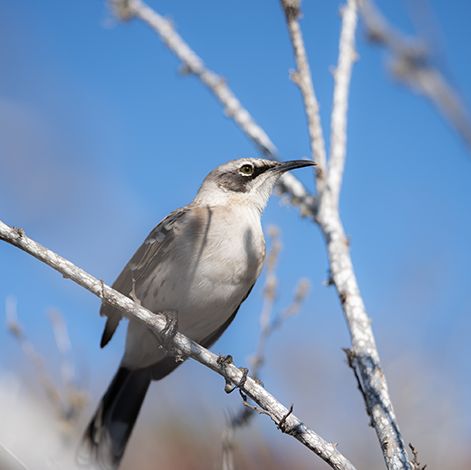
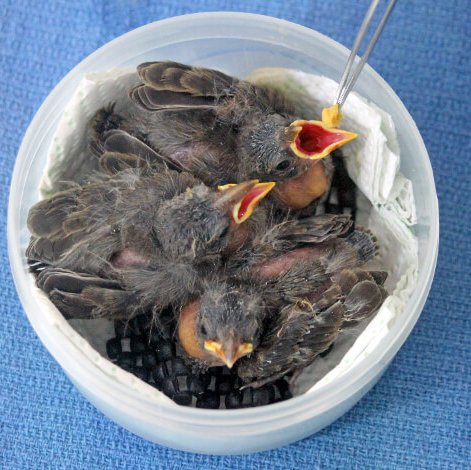
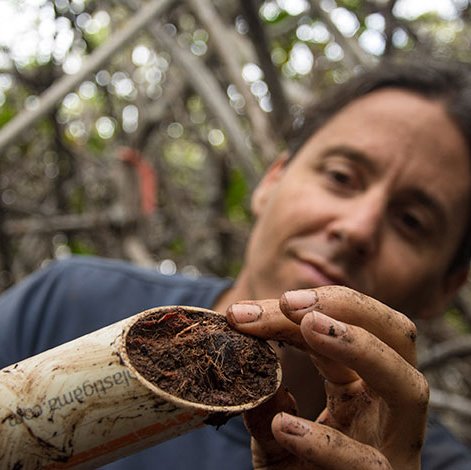
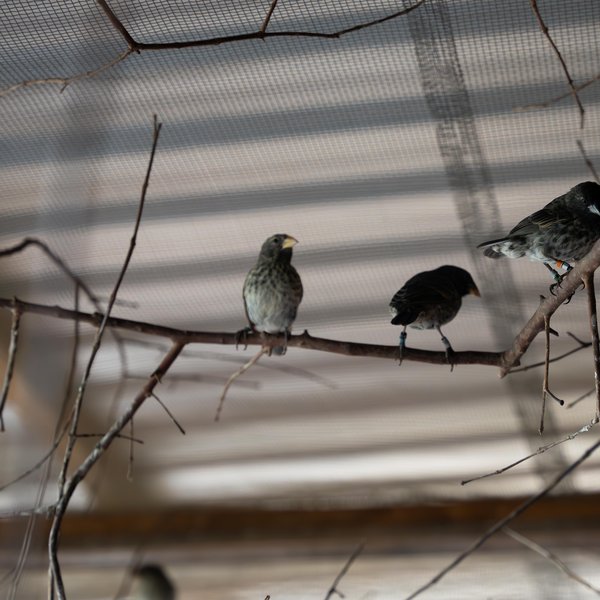
Behind the Floreana Finches "Flight Home": Q&A with biologist Professor Sonia Kleindorfer
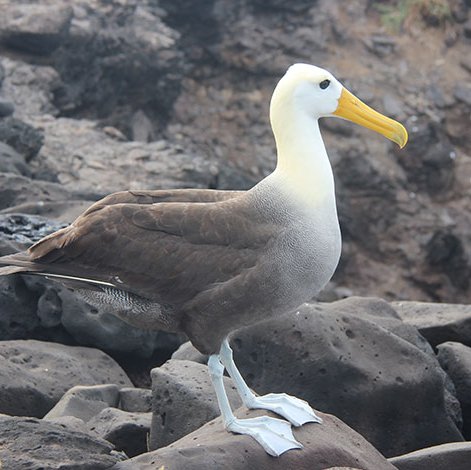
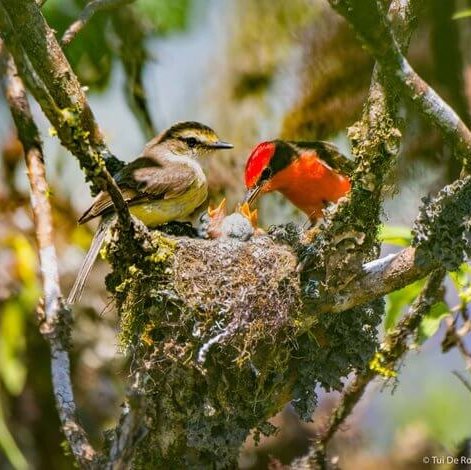
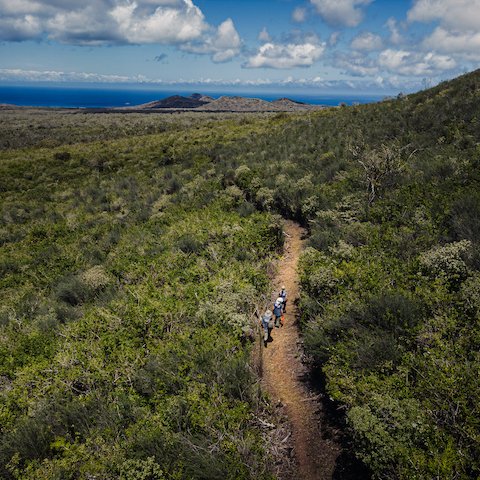
The Floreana Ecological Restoration Project in the Galapagos aims to recover biodiversity by removing invasive species, restoring habitats, and reintroducing native wildlife. Led by a multi-institutional team, including CDF, the initiative combines scientific research and community involvement to ensure long-term ecological recovery and sustainability for both wildlife and the local community.
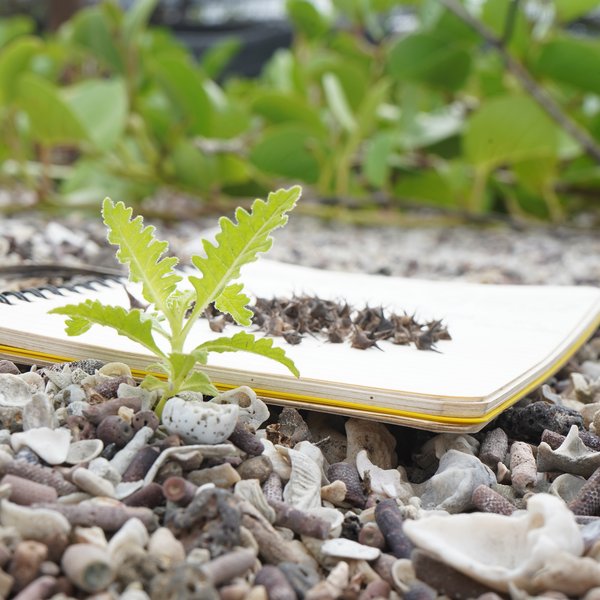
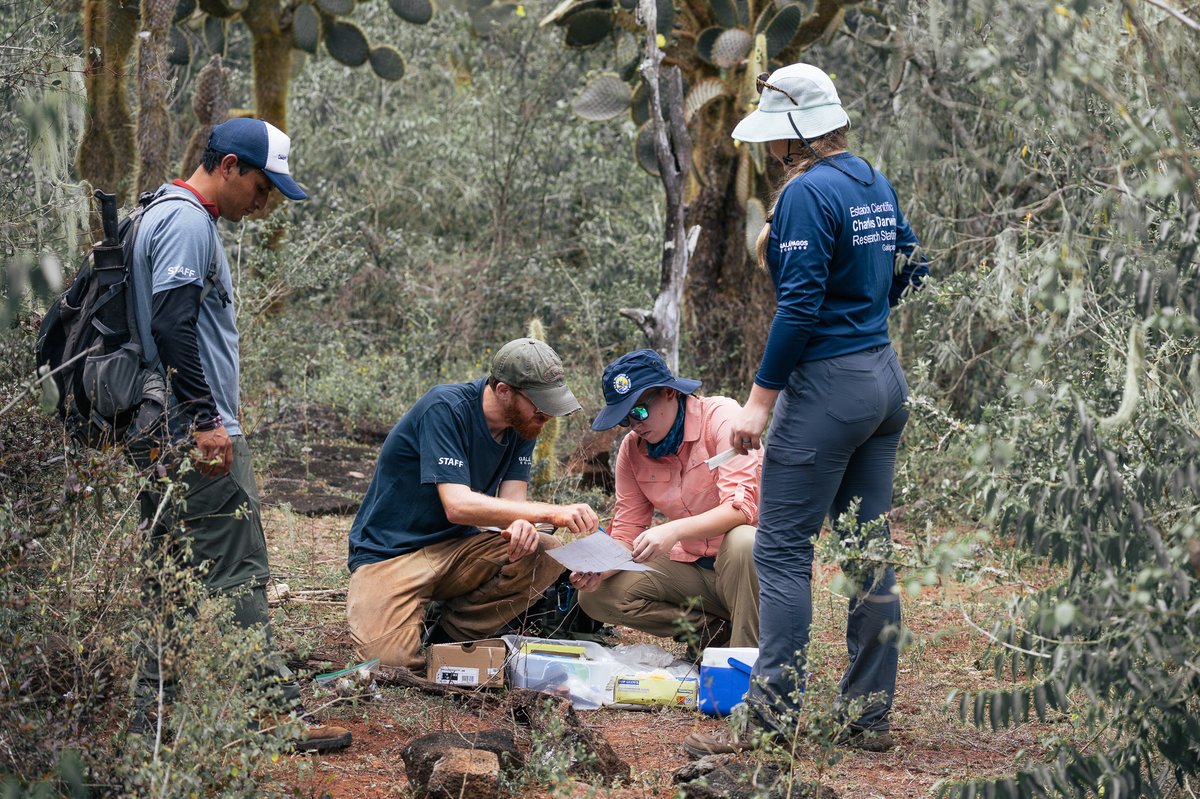
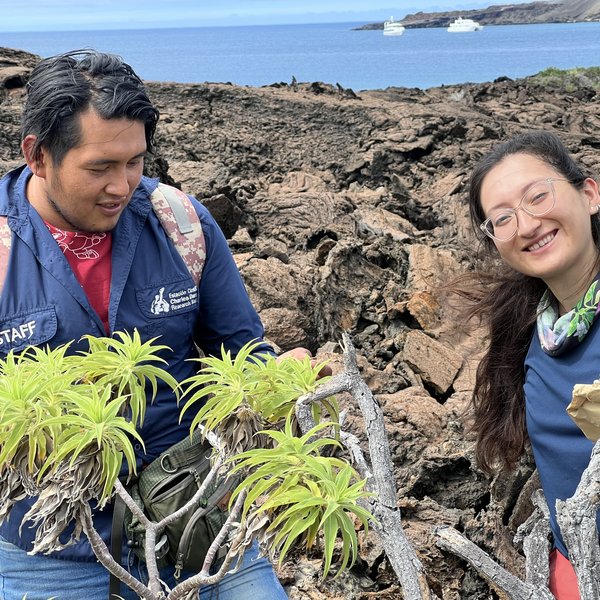
After nearly two decades of research, Lecocarpus lecocarpoides, a threatened Galápagos plant, is showing signs of recovery at Punta Manzanillo. The discovery of 54 seedlings shows that reintroduced plants produced viable seeds capable of naturally regenerating the population.