Results
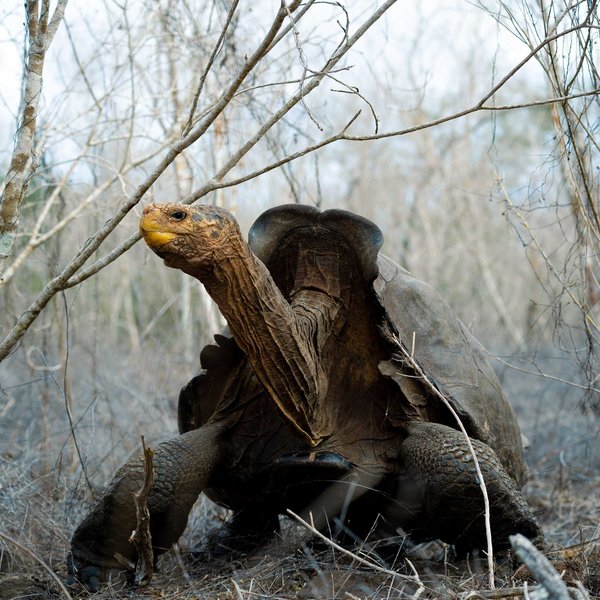
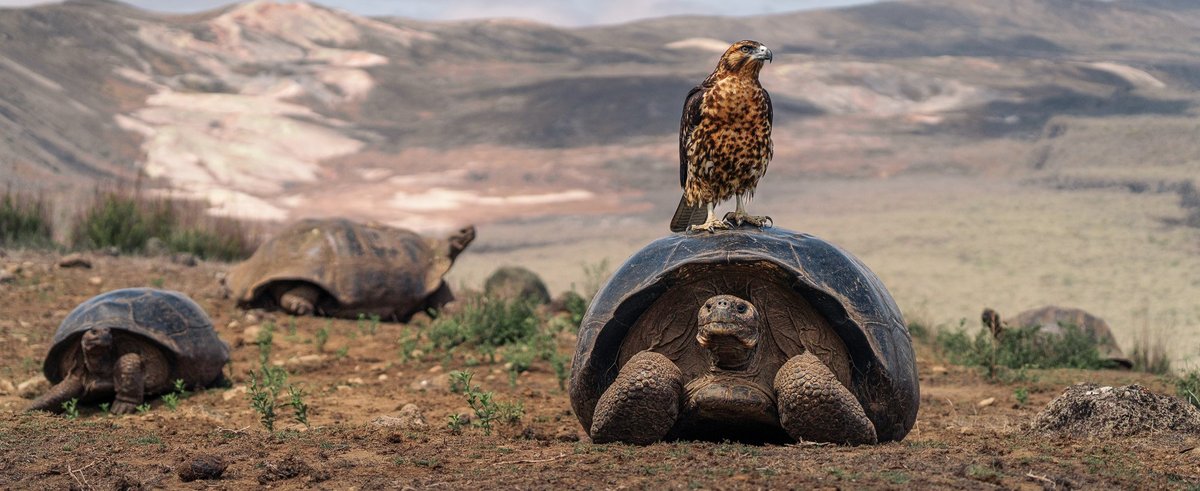
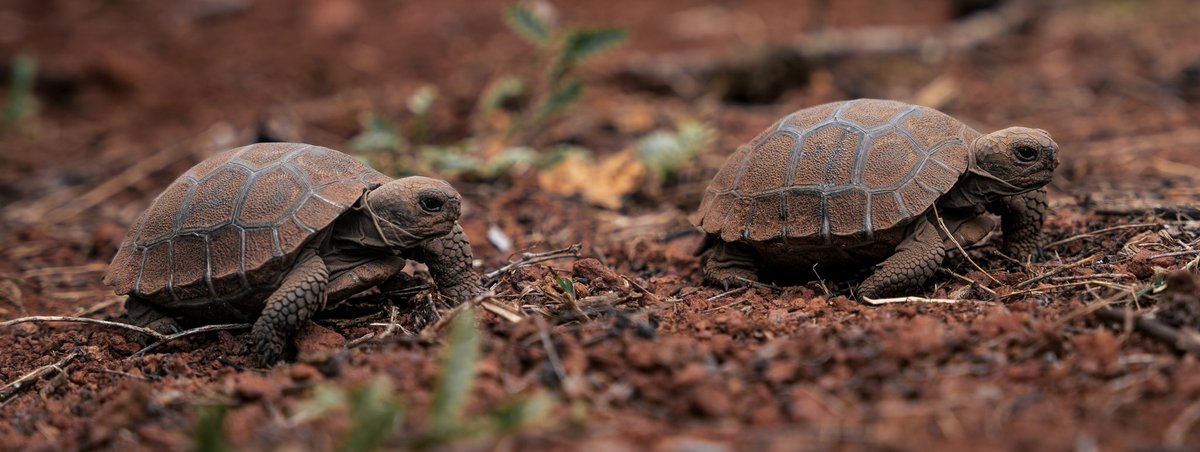
Giant tortoises are emblems of Galapagos. They are critical ecosystem engineers and they are also important for the local economy. Yet all 12 species of Galapagos Giant Tortoises are of conservation concern. Our work focuses on conserving these gentle giants through research and education.
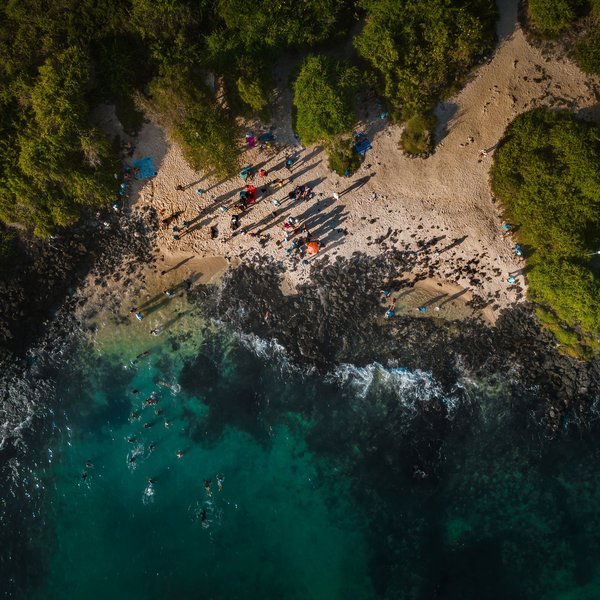
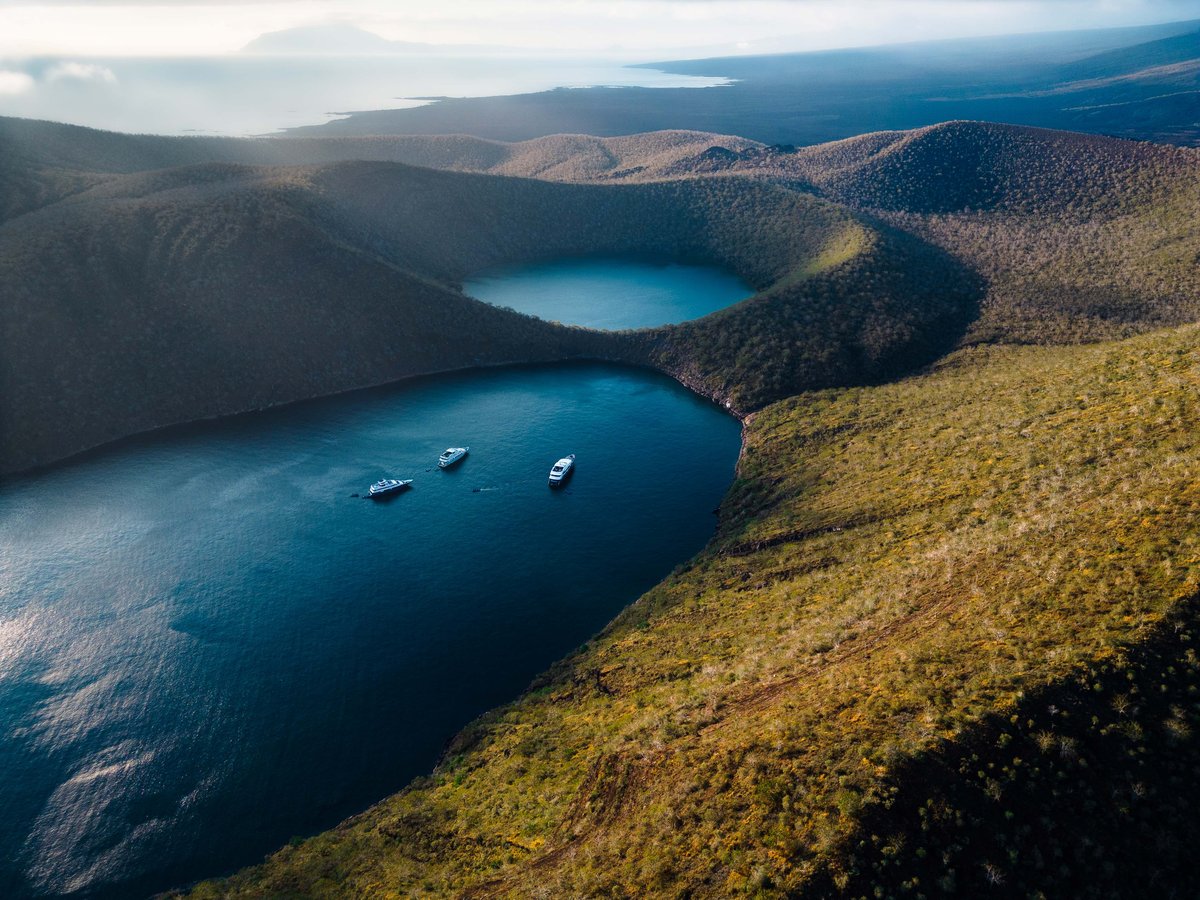
Learn how to explore the Galapagos Islands responsibly. Our FAQs cover their volcanic origins, unique wildlife, and how every visit can help protect this extraordinary ecosystem.
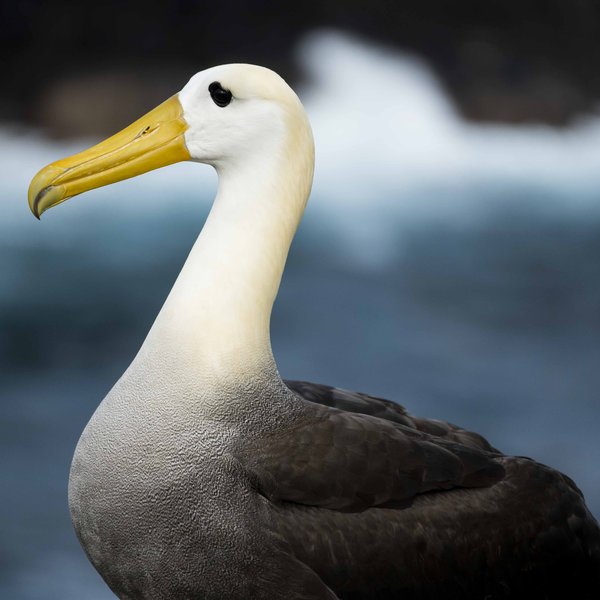
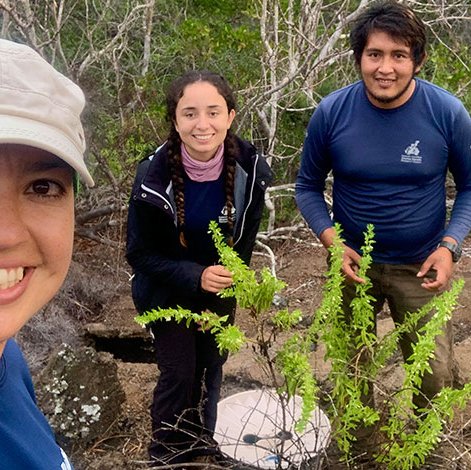
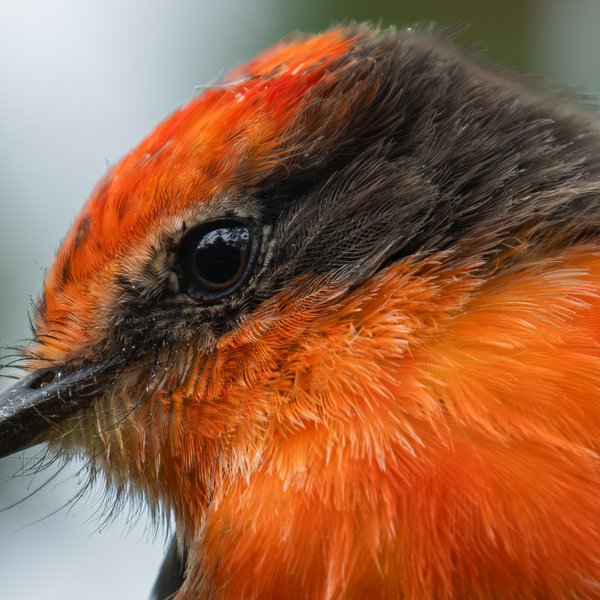
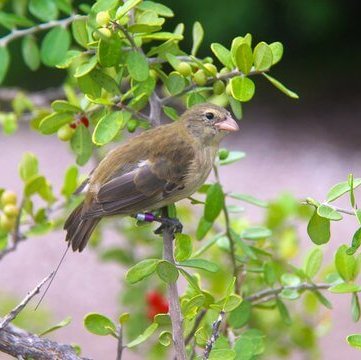
After more than a decade of conservation work, researchers have documented 56 fledglings so far in 2026 — with more nests still active
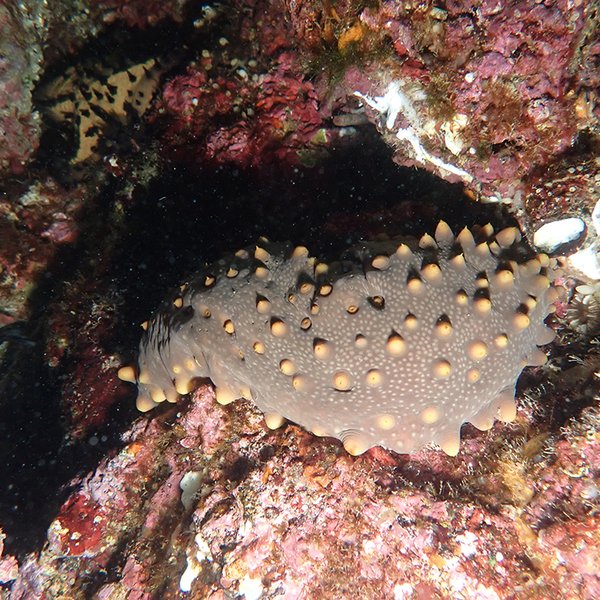
Local expertise meets global science: the first complete genome of endangered sea cucumber advances marine conservation in Galápagos

The dataZone is a collection of applications, accesible online or inside the Charles Darwin Research Station, providing access to all the scientific information stored in several databases, product of almost 60 years of research in the Galapagos Islands.

The Ministry of Environment of Panama and the Charles Darwin Foundation signed a Memorandum of Understanding to strengthen the transboundary protection of the migratory scalloped hammerhead shark and advance the recovery of their populations within the Eastern Tropical Pacific.
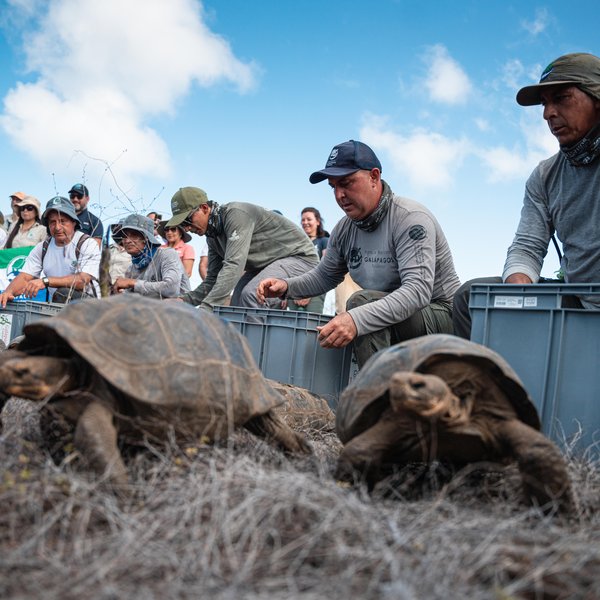
After more than 180 years, 158 endangered giant tortoises have returned to Floreana Island, marking a historic milestone in the Galápagos’ largest restoration effort. Discover how science, community leadership, and global collaboration are bringing back a lost lineage—and rebuilding an entire ecosystem from the ground up.
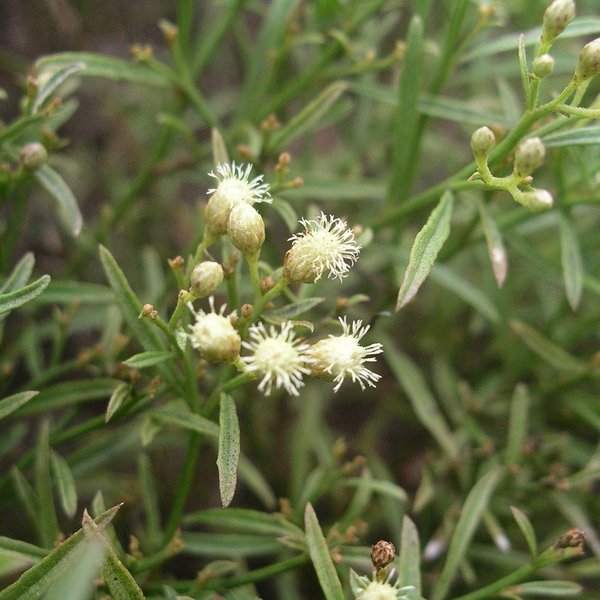
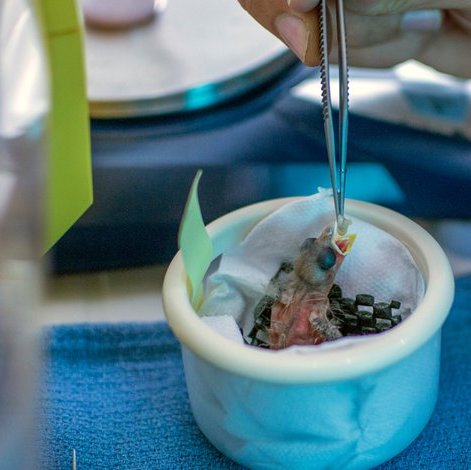
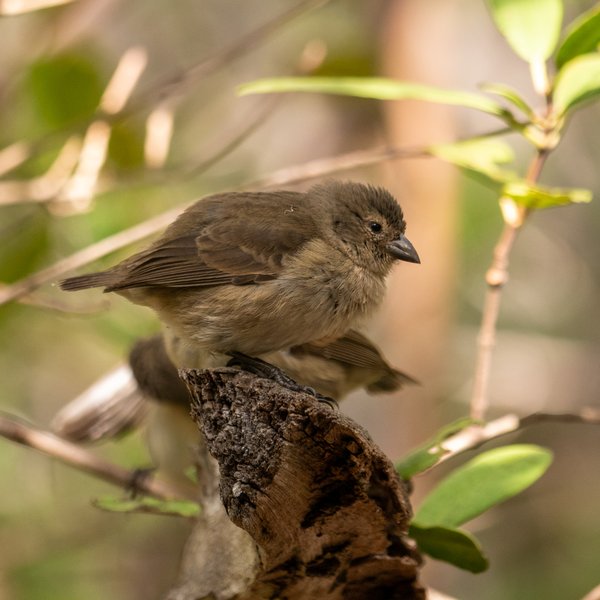
Galápagos landbirds soar to new heights.
This year’s breeding season brought record success for the Little Vermilion Flycatcher and cautious hope for the Critically Endangered Mangrove Finch. Discover how science, habitat restoration, and innovation are reshaping the future of Galápagos birds—and why this season marks a breakthrough in conservation.
This year’s breeding season brought record success for the Little Vermilion Flycatcher with 39 fledglings, while the Critically Endangered Mangrove Finch continues to be a conservation priority. Discover how science, habitat restoration, and innovation are reshaping the future of Galápagos birds—and why this season marks a breakthrough in conservation.