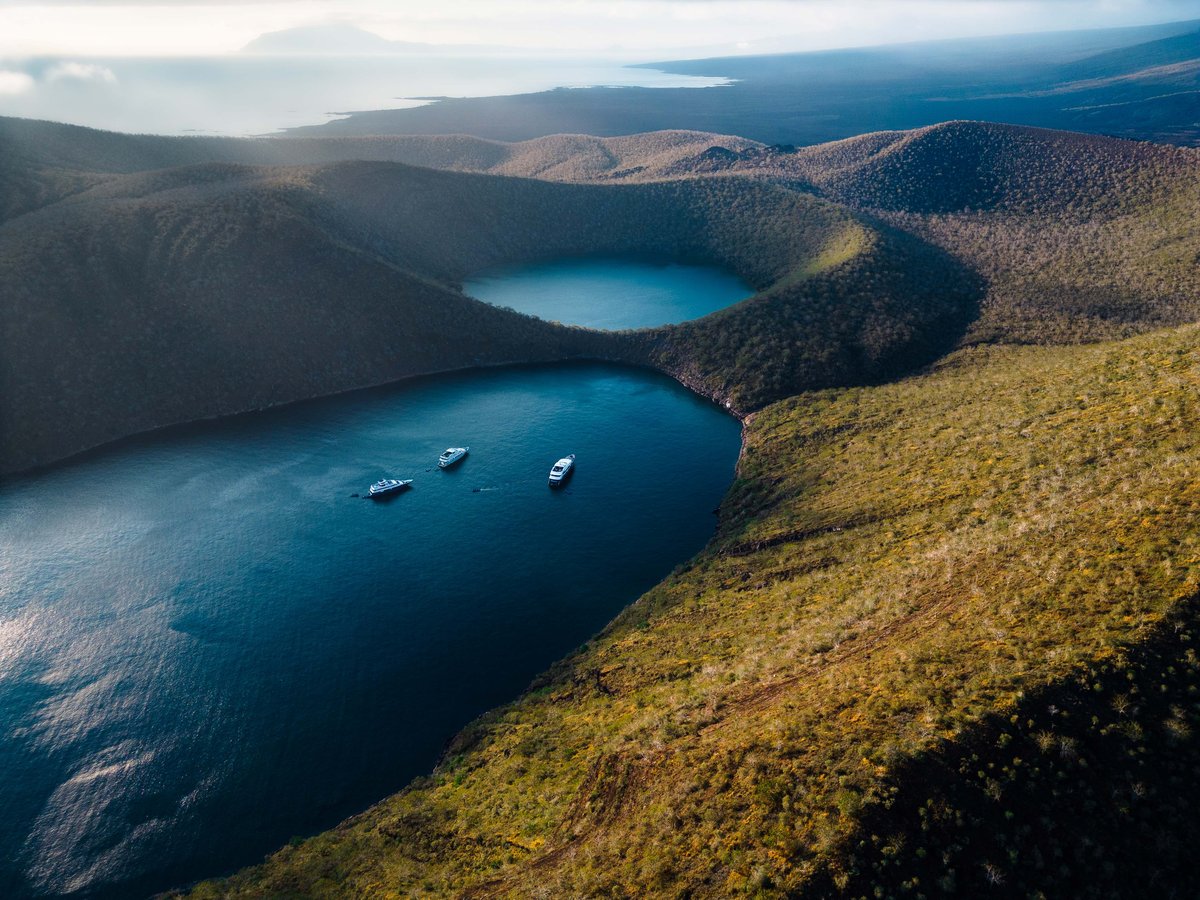
Results
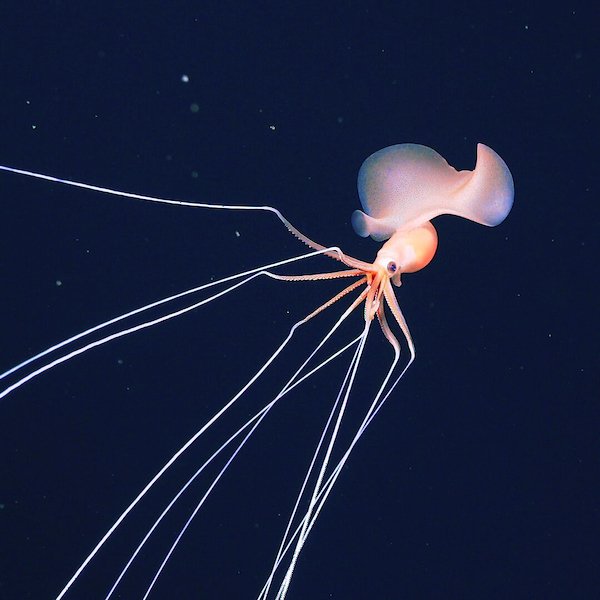
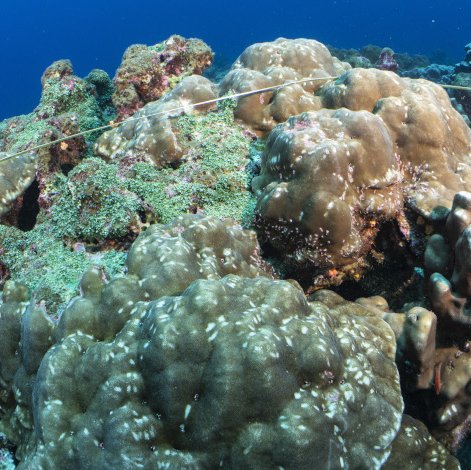
The Deep Ocean Alliance brings together institutions from Costa Rica, Panama, Colombia, and Ecuador to strengthen deep-ocean science and marine conservation in the Eastern Tropical Pacific. Through scientific expeditions, regional collaboration, and technological innovation, the Alliance is improving understanding of deep-sea biodiversity and supporting evidence-based protection of interconnected marine ecosystems.
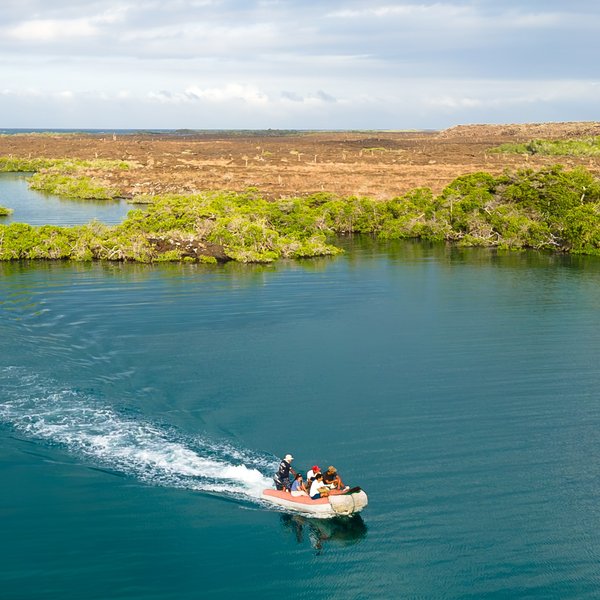
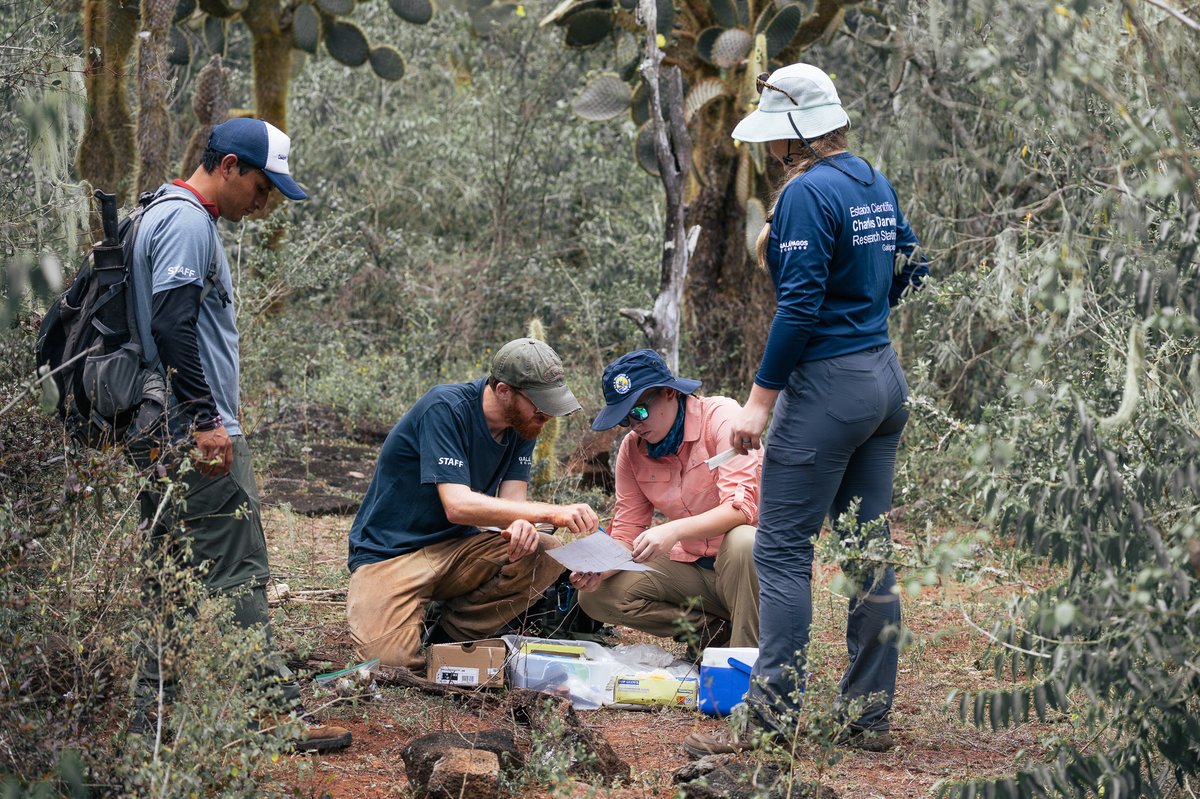
For more than 60 years, the research undertaken at the Charles Darwin Foundation has focused on furthering our understanding of the natural systems, their relationship with those living in the archipelago, and the intricate and relationship with those living in the archipelago, and the intricate and delicate balance between climate, mankind, and nature. Major research efforts have also focused on the prevention, control, and eradication of invasive species to maintain Galapagos as one of the best-conserved archipelagos in the world.
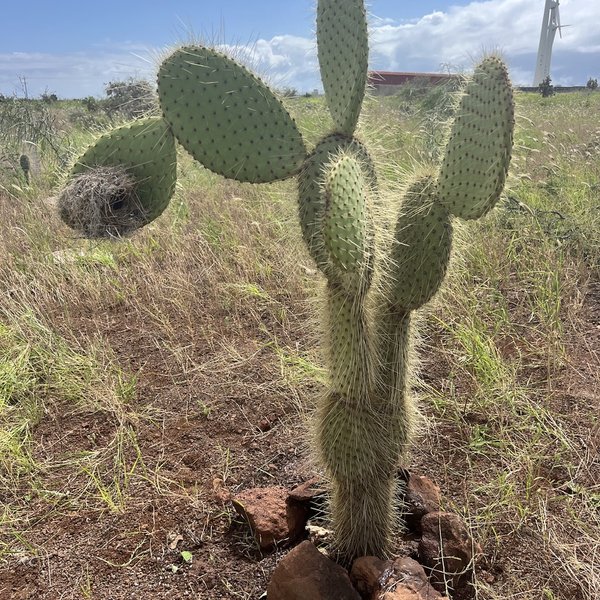
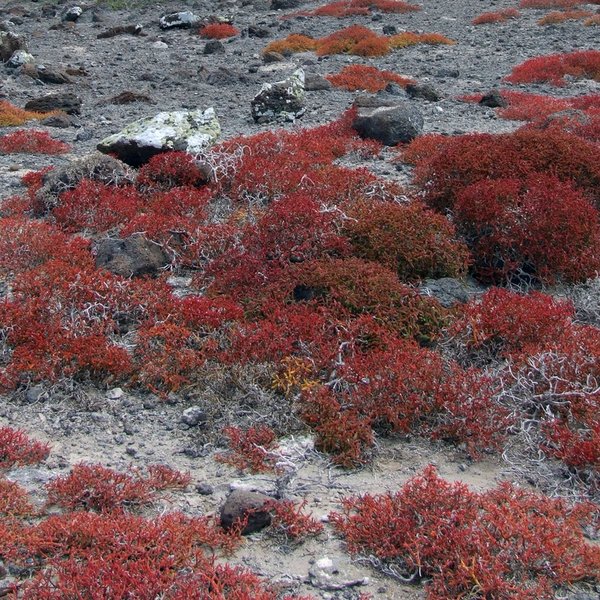
Baltra Island is coming back to life after more than a decade of restoration. Thanks to over 8,000 native plants introduced by the Charles Darwin Foundation and partners, ecosystems are regenerating naturally, offering new hope for Galápagos conservation.
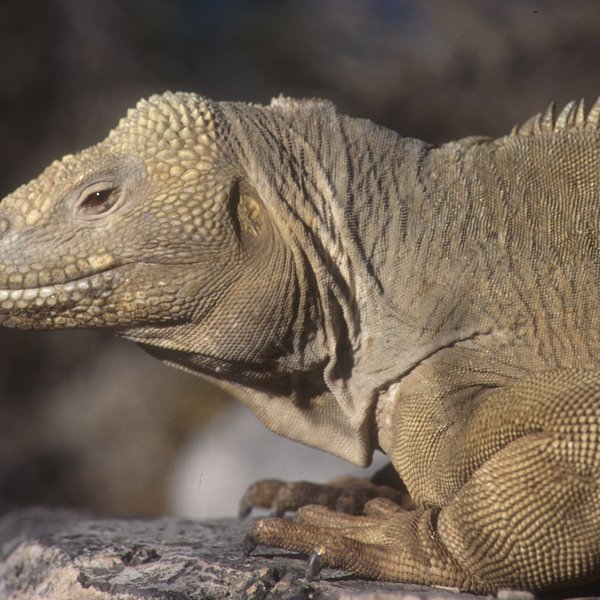
Discover how the Galápagos land iguana recovery program began. From the 1932 translocation to the leadership of Howard and Heidi Snell, this article shows how scientific research, captive breeding, and habitat restoration made possible one of the world's most successful conservation stories.
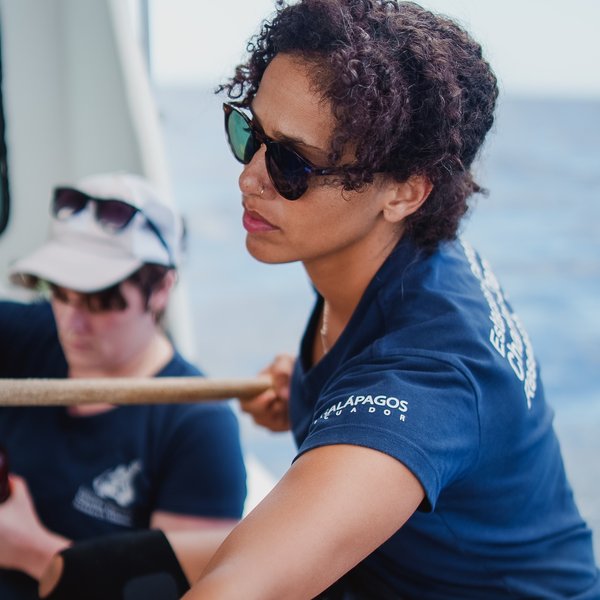
Come work for the Charles Darwin Foundation in Galapagos! Explore our current vacancies and find your place in protecting this extraordinary archipelago.
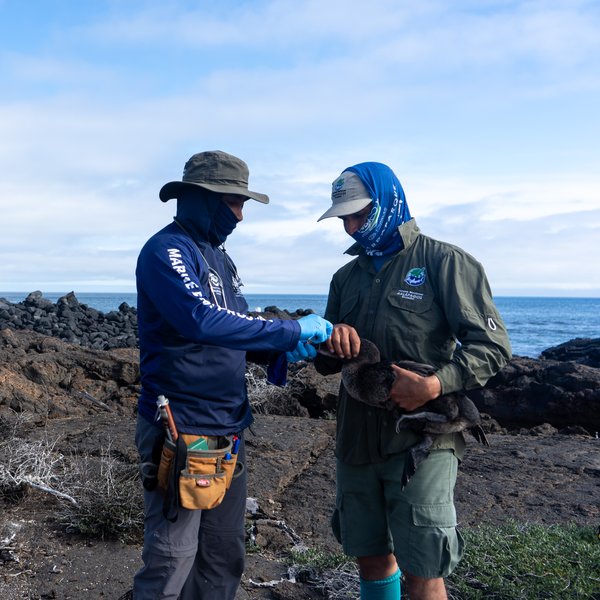
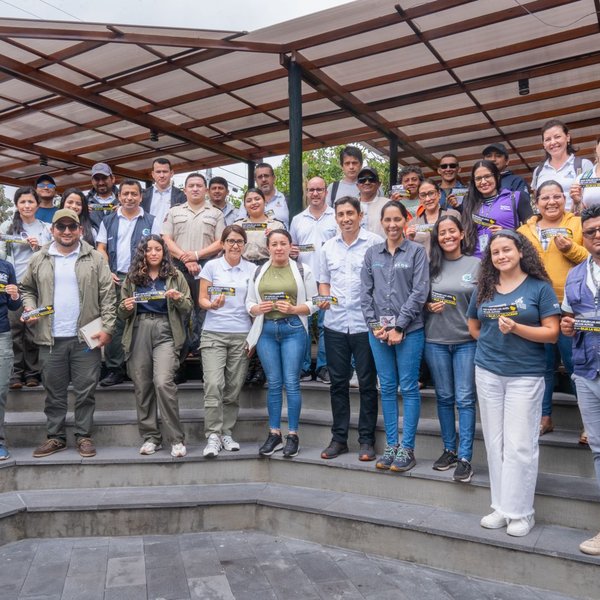
The Charles Darwin Foundation shared the main achievements of its 2025 work through a public accountability event. The initiative highlighted how scientific research supports Galapagos conservation, encouraged dialogue with the local community, and reaffirmed that transparency strengthens institutional trust, collaboration, and long-term commitment to protecting the archipelago.
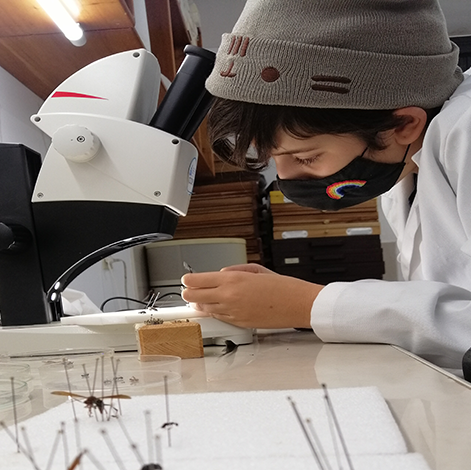
In a joint effort to protect the unique biodiversity of the islands, representatives from the public and private sectors, NGOs, transport cooperatives, and local governments gathered to understand the factors and solutions to reduce bird mortality on the roads of Galápagos caused by vehicles, the road connecting Puerto Ayora to the Itabaca Channel is of great importance as it passes through protected and productive areas of the island.
In a joint effort to protect the unique biodiversity of the islands, representatives from the public and private sectors, NGOs, transport cooperatives, and local governments gathered to understand the factors and solutions to reduce bird mortality on the roads of Galápagos caused by vehicles, the road connecting Puerto Ayora to the Itabaca Channel is of great importance as it passes through protected and productive areas of the island.

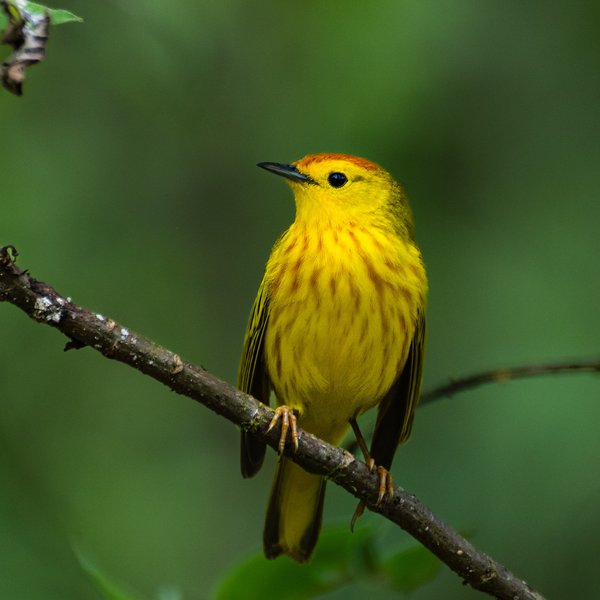
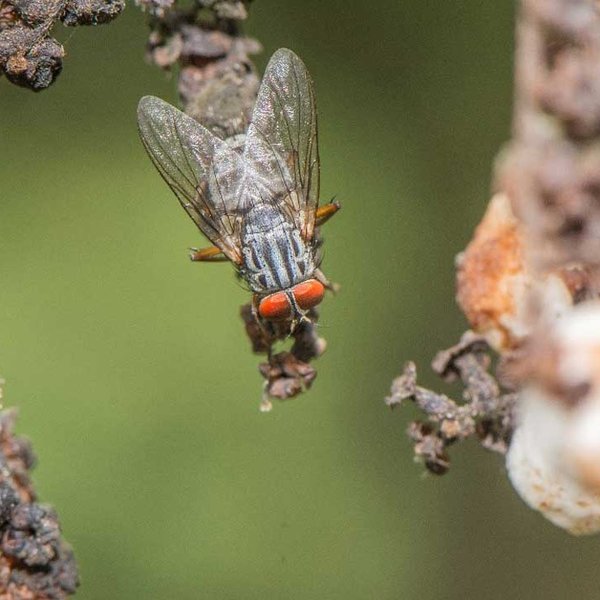
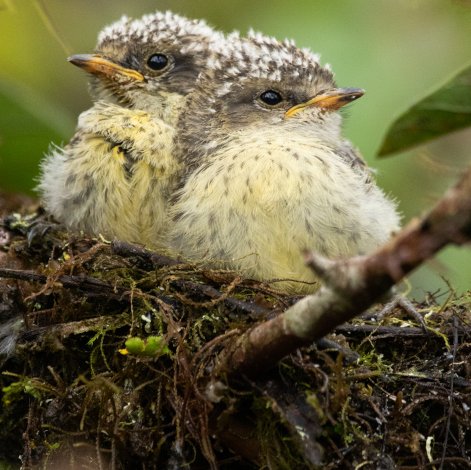
Beneath Galápagos’ iconic birds lies a hidden story of health and survival. A new study reveals the presence of viruses in landbird populations, offering the first baseline of disease risk in these unique species. Discover why monitoring “invisible diseases” is essential to protecting the future of Galápagos biodiversity.
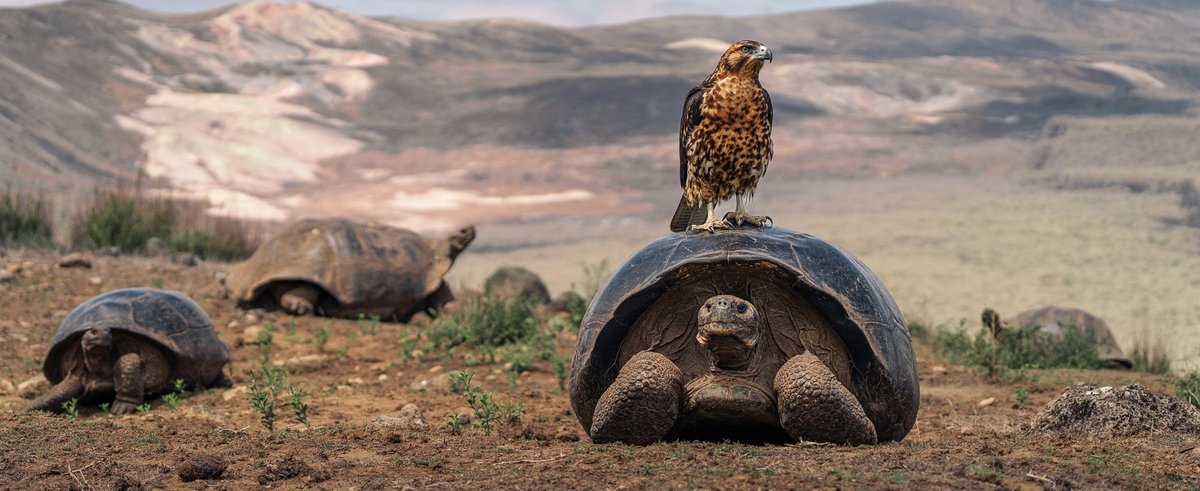
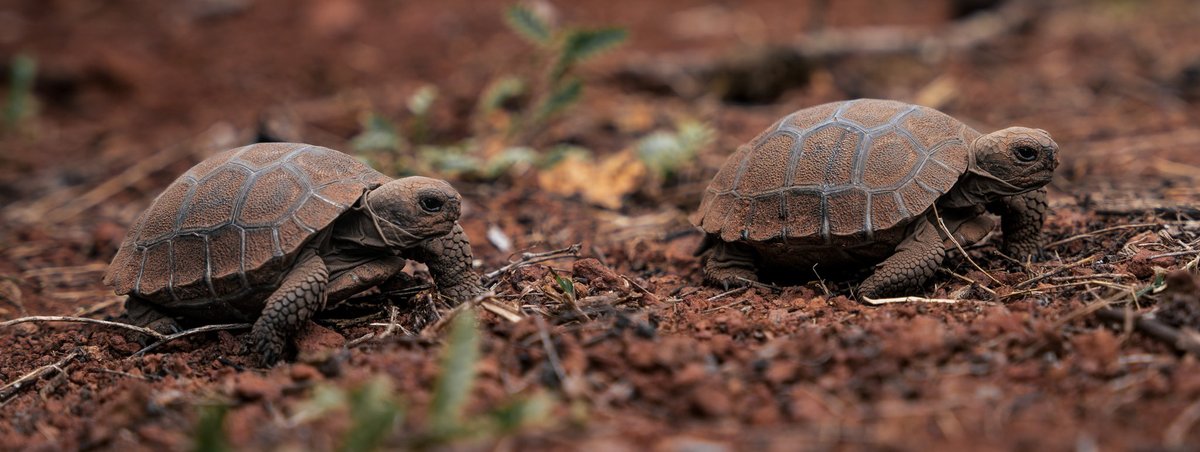
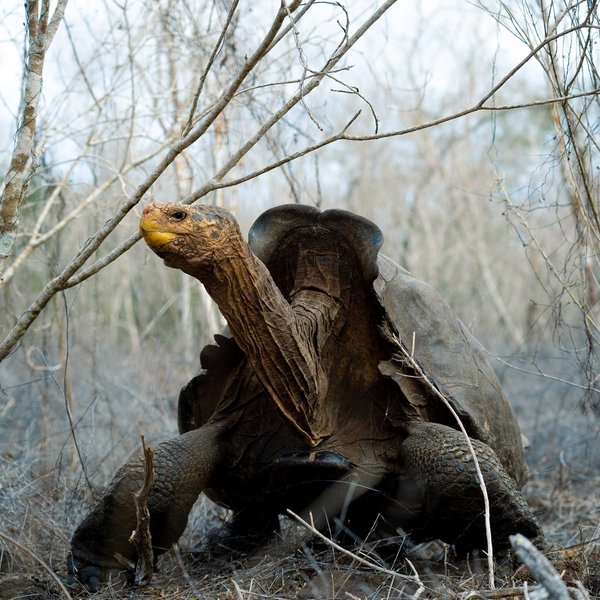
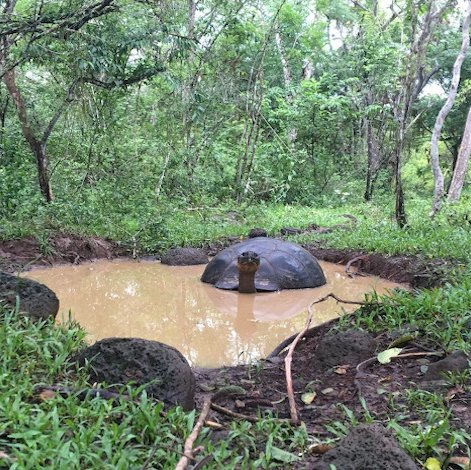
Giant tortoises are emblems of Galapagos. They are critical ecosystem engineers and they are also important for the local economy. Yet all 12 species of Galapagos Giant Tortoises are of conservation concern. Our work focuses on conserving these gentle giants through research and education.