Results
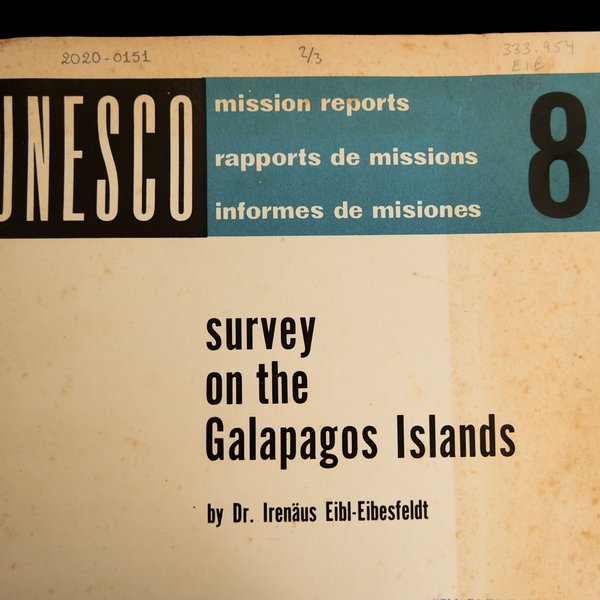
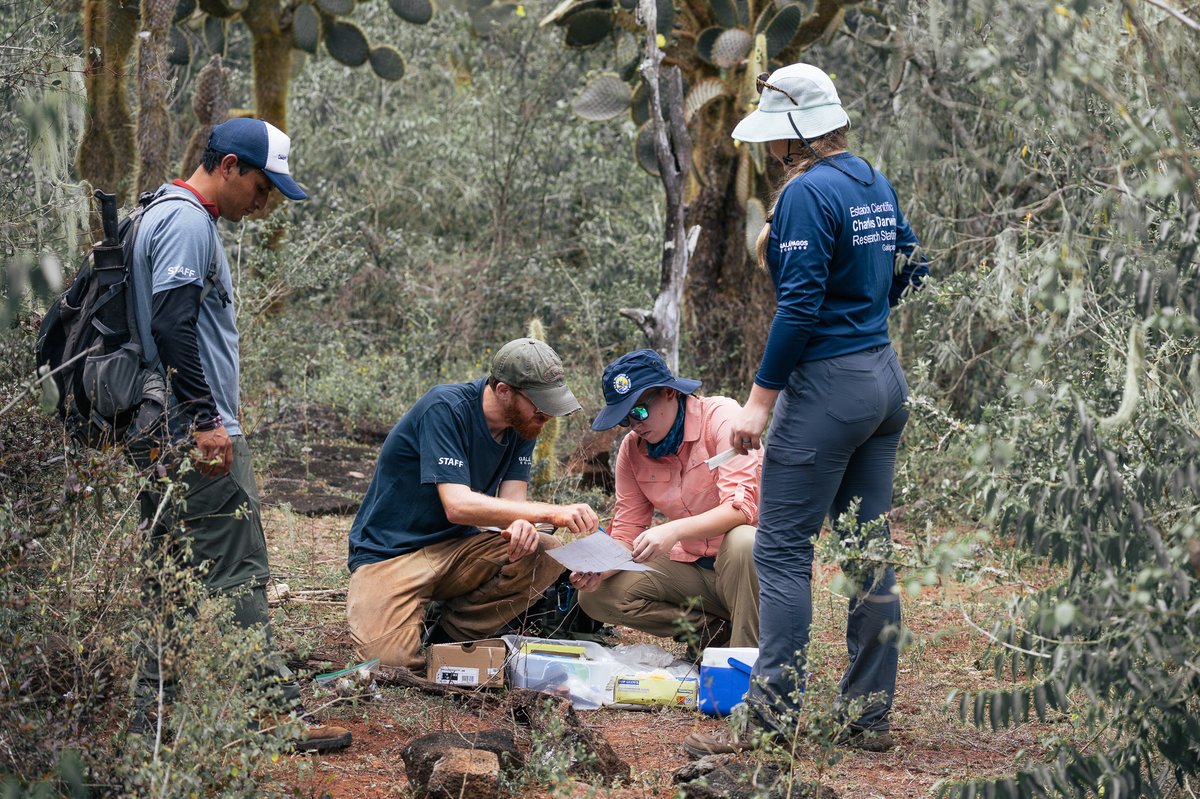
The conservation of Galápagos began in the 1950s, when scientists first raised concerns about threats to the islands’ unique biodiversity. This period led to the creation of the Charles Darwin Foundation and the Galápagos National Park in 1959.
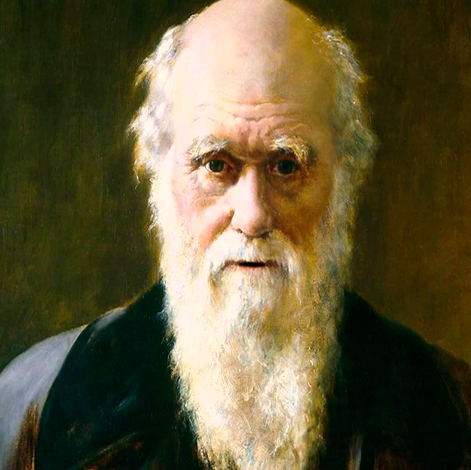
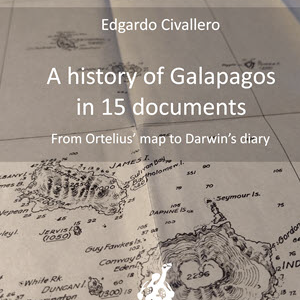
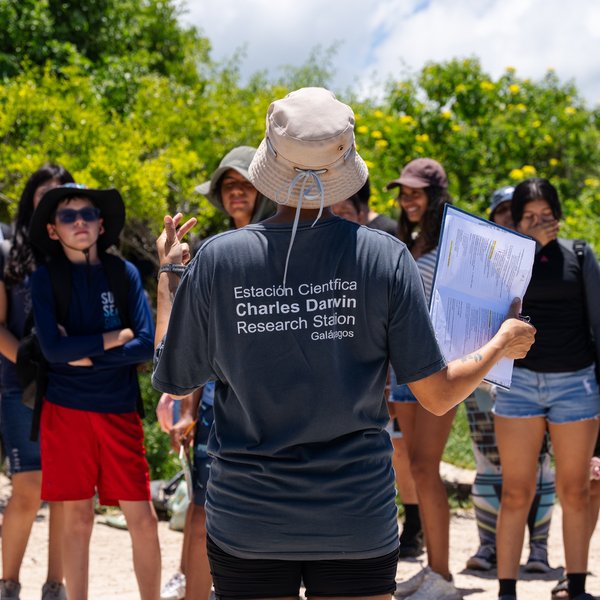
In 1966, a course at the Charles Darwin Research Station marked the beginning of environmental education in Galápagos. Teachers learned to use the natural environment as a teaching tool, linking conservation and community. This experience laid the foundation for context-based education that remains essential to protect the islands’ unique ecosystems.
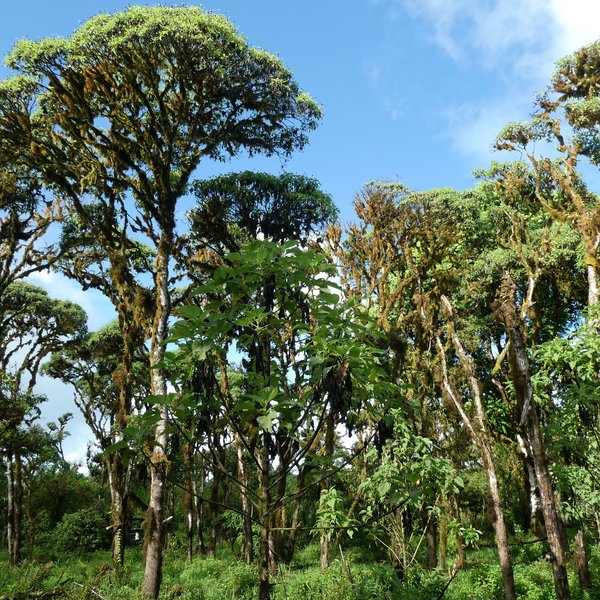
Discover how our projects foster the protection of the Galapagos Islands and how the Charles Darwin Foundation works to ensure that they remain a natural paradise for generations to come.
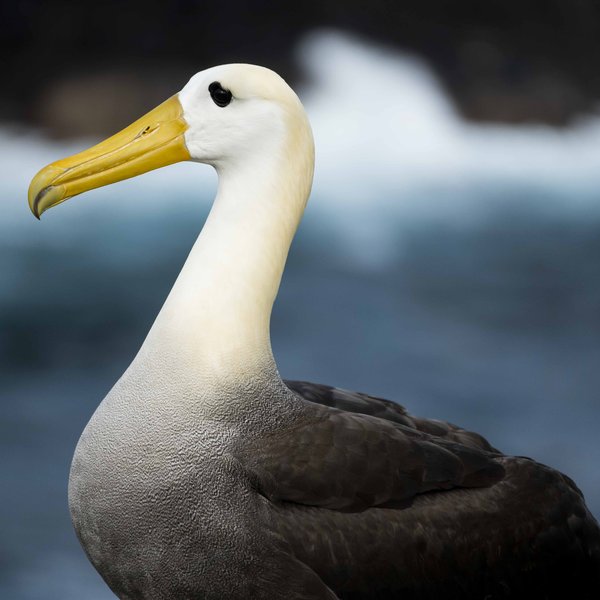
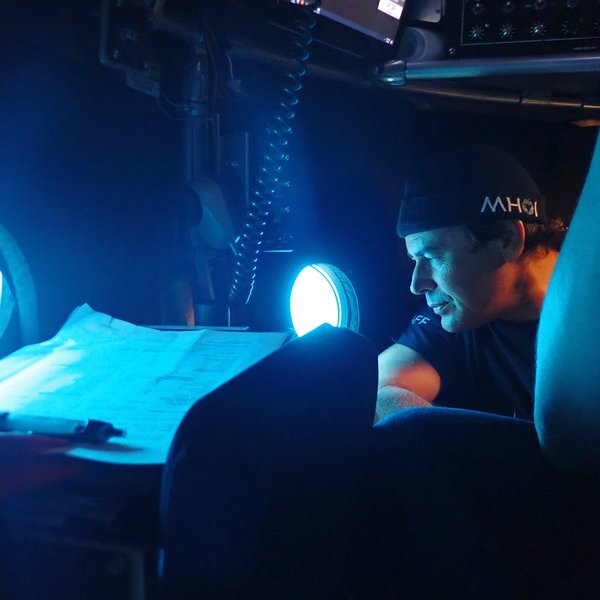
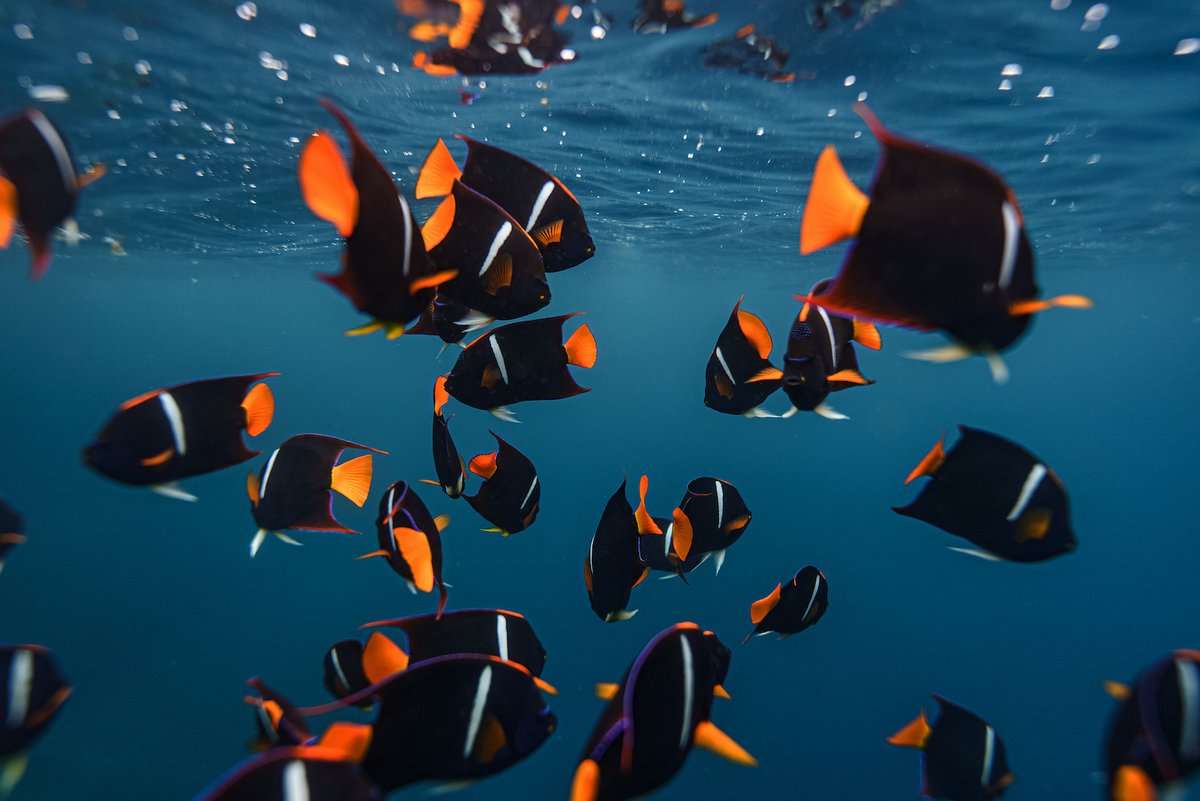
The Eastern Tropical Pacific conceals extraordinary, vast deep-ocean ecosystems, plunging from oceanic islands to depths of 3,800 meter, most of which remain largely unexplored, presenting real challenges for effective protection and management. Despite their significance, these ecosystems are poorly understood and subject to persistent threats, including overfishing, climate change, pollution, and the prospect for deep-sea mining.
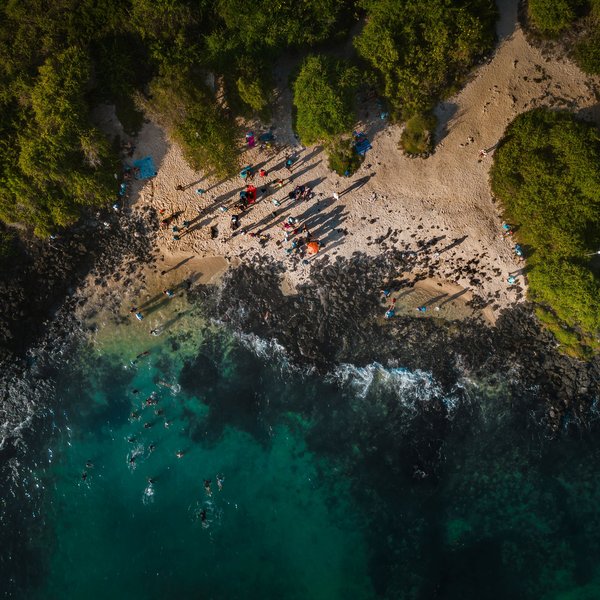
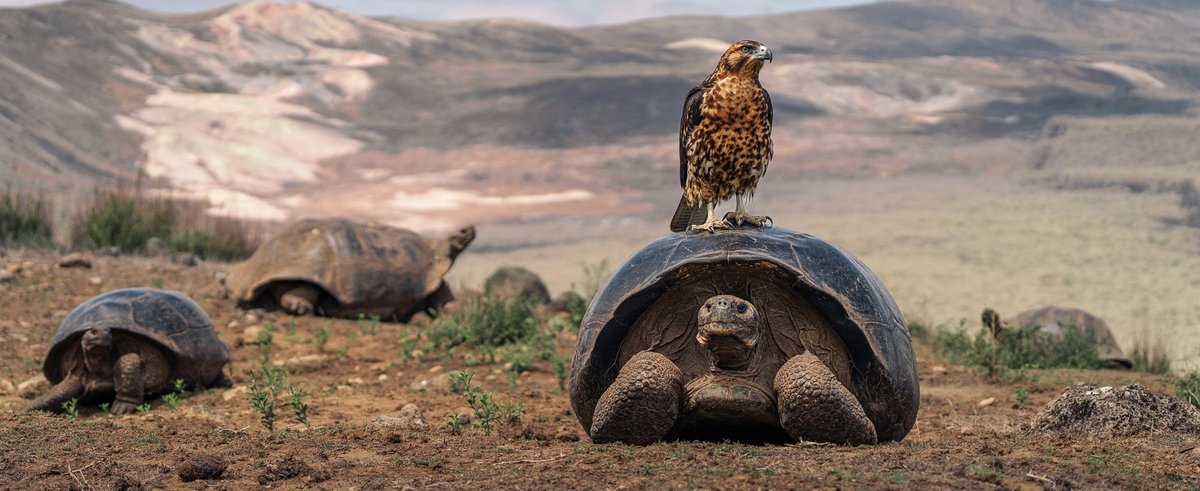
Learn how to explore the Galapagos Islands responsibly. Our FAQs cover their volcanic origins, unique wildlife, and how every visit can help protect this extraordinary ecosystem.
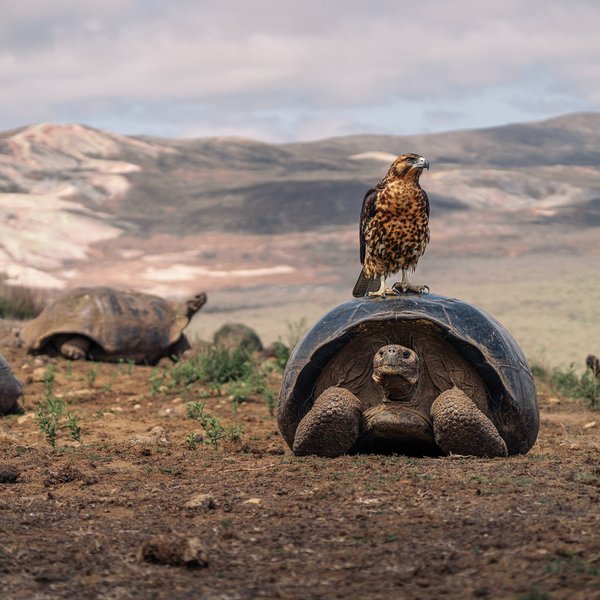
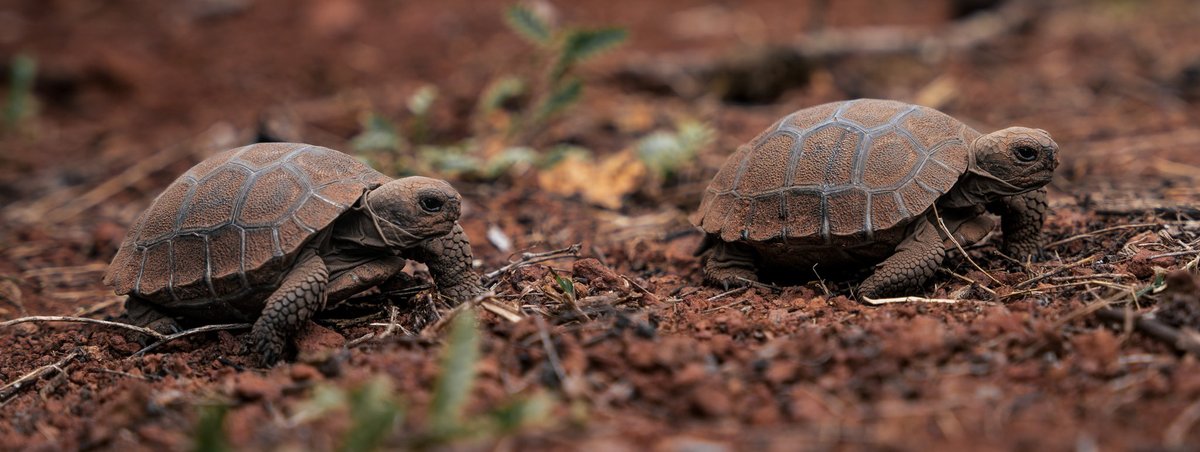
By donating to the Charles Darwin Foundation and its Research Station, you are helping our scientists continue their research in order to better protect the unique animals and ecosystems of the Galapagos Islands.
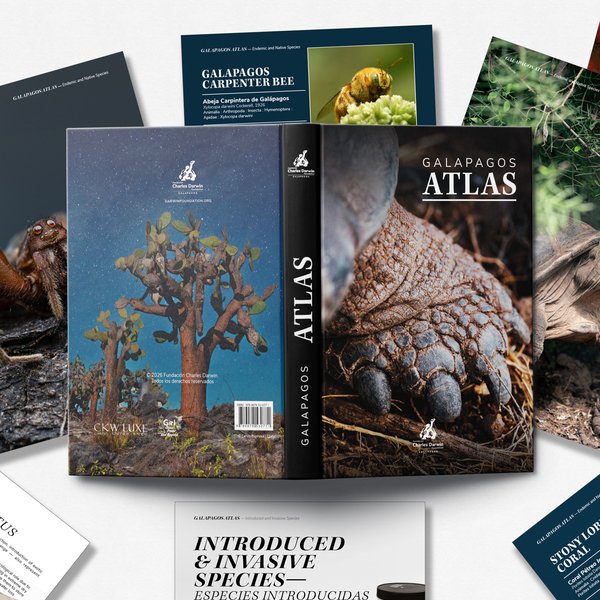
Explore a wealth of resources from the Charles Darwin Foundation available for download. From annual reports to research journals, species identification guides to educational texts like the Galapagos Atlas, our publications provide valuable insights into conservation efforts and biodiversity in the Galapagos Islands. Dive into our comprehensive collection today!
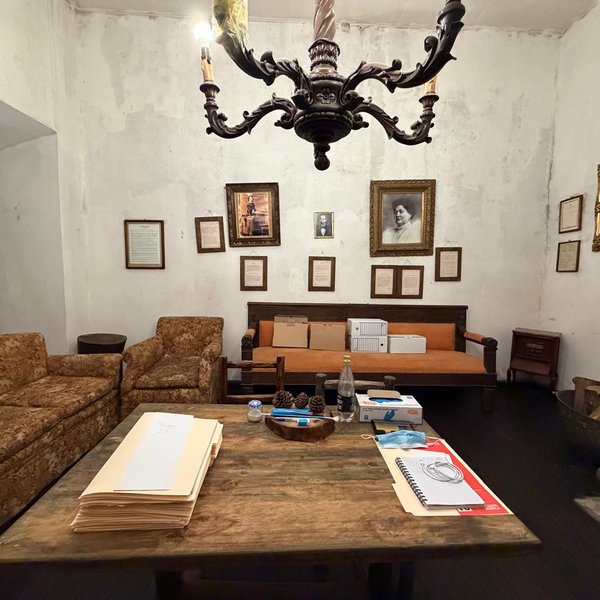
A look back at the origins of the Charles Darwin Foundation and the key role of Cristóbal Bonifaz in shaping science and conservation in Galápagos, and how the recovery of his archives reconnects us with that shared legacy.