Results
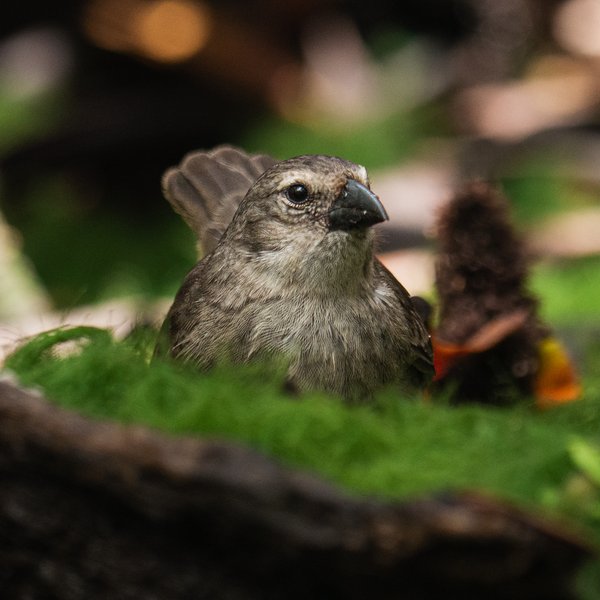
Scientists in Galápagos have recorded the most successful breeding season ever for the critically endangered Mangrove Finch, one of the world’s rarest birds. Discover how years of conservation work, innovative nest-protection strategies, and collaboration are offering new hope for this species’ survival in the remote mangrove forests of Isabela Island.

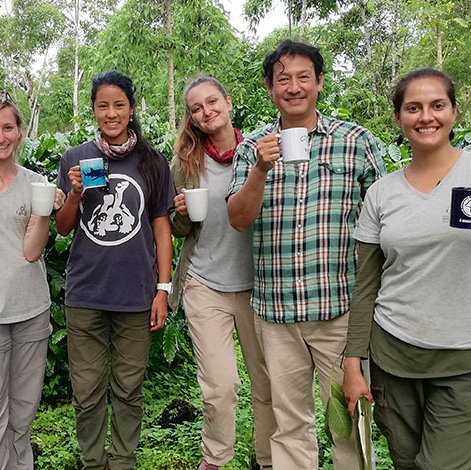
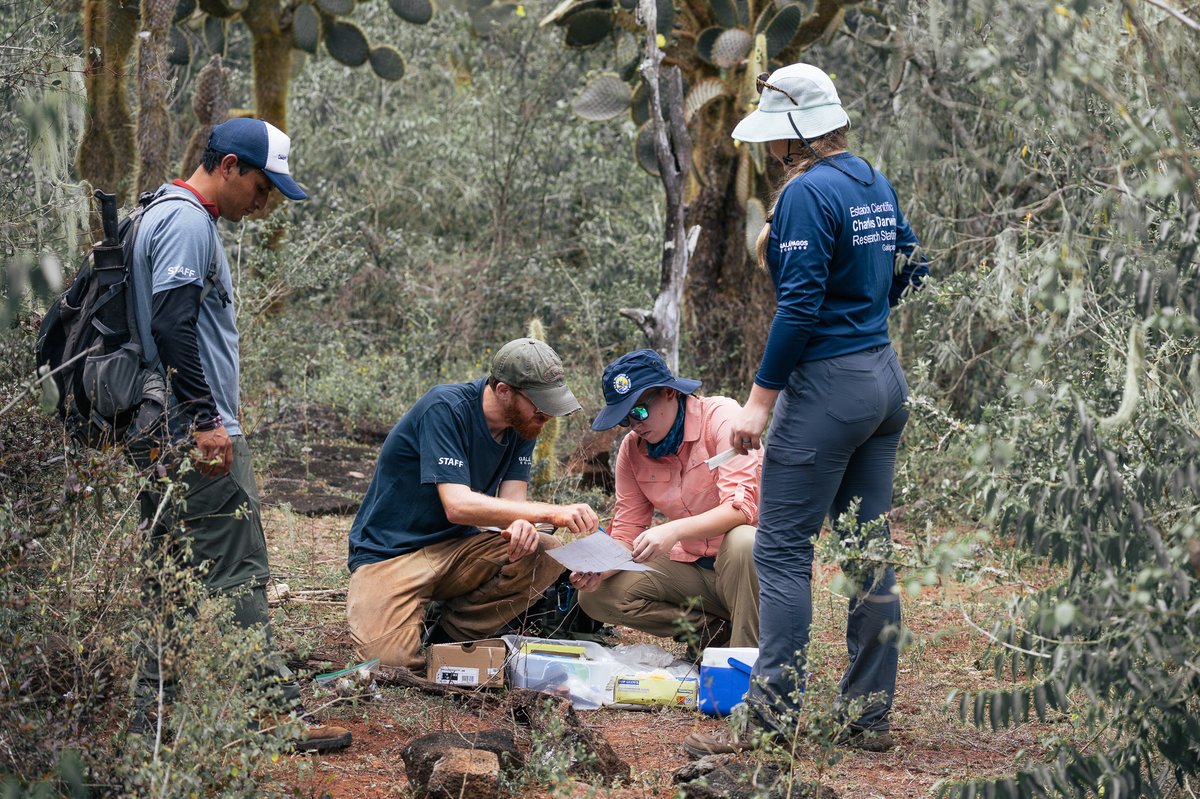
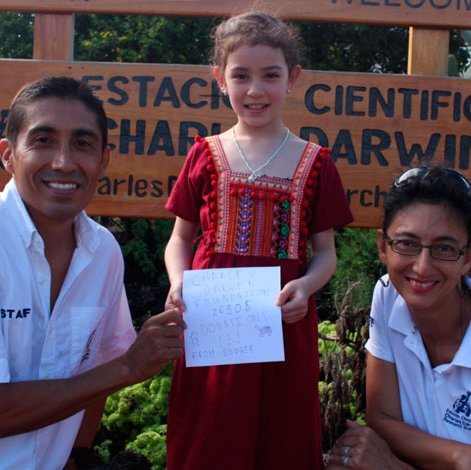
Being a volunteer at the Charles Darwin Foundation was one of the most enriching experiences of my life. For two months, I had the privilege of participating in various projects that allowed me to witness firsthand the incredible work being done to protect the natural environment of the Galápagos Islands. From guiding visitors in the Exhibition Hall, collaborating with the Communications and Marketing team, to joining scientists in the field, I experienced a full immersion in the CDF’s conservation efforts.
Being a volunteer at the Charles Darwin Foundation was one of the most enriching experiences of my life. For two months, I had the privilege of participating in various projects that allowed me to witness firsthand the incredible work being done to protect the natural environment of the Galápagos Islands. From guiding visitors in the Exhibition Hall, collaborating with the Communications and Marketing team, to joining scientists in the field, I experienced a full immersion in the CDF’s conservation efforts.
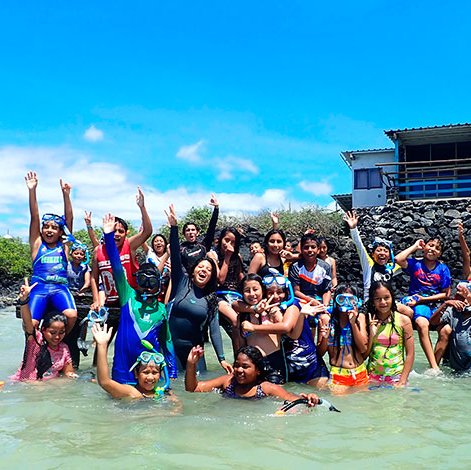
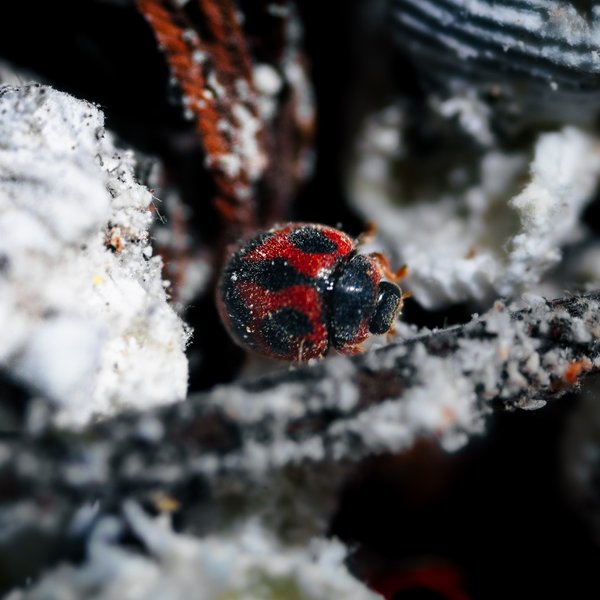
In the heart of the Galapagos Islands, a tiny, unexpected hero emerged in 2002 that would change the course of conservation. The Australian ladybug (Novius cardinalis), small in size but immensely effective, became a crucial ally in the fight against an invasive insect that threatened to devastate the endemic flora of these islands. This is the story of how science, innovation, and nature itself came together to help preserve one of the most valuable biological treasures on the planet.
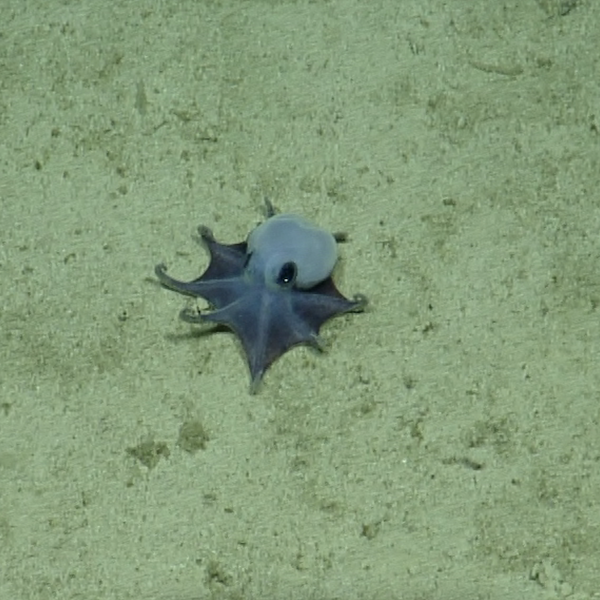
Microeledone galapagensis, a tiny blue octopus discovered 1,770 meters beneath the waters of Galápagos, highlights how much remains unknown about the deep sea. Its identification as a new species was made possible by years of preservation in the Charles Darwin Foundation’s marine collections, underscoring their importance for scientific research.
In the heart of the Galapagos Islands, a tiny, unexpected hero emerged in 2002 that would change the course of conservation. The Australian ladybug (Novius cardinalis), small in size but immensely effective, became a crucial ally in the fight against an invasive insect that threatened to devastate the endemic flora of these islands. This is the story of how science, innovation, and nature itself came together to help preserve one of the most valuable biological treasures on the planet.
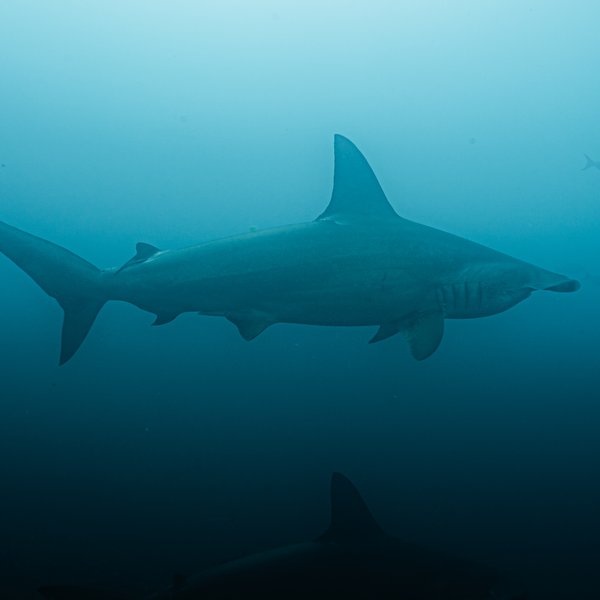
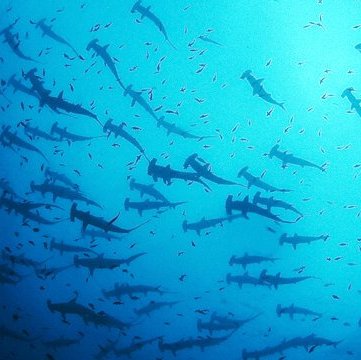
Dive into the mysterious world of sharks and discover their vital role in keeping our oceans healthy. Far from being monsters, sharks are guardians of balance, threatened by human actions. Learn how these majestic creatures sustain marine ecosystems—and how you can help protect them during Shark Week.
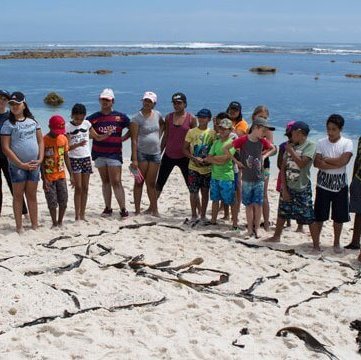

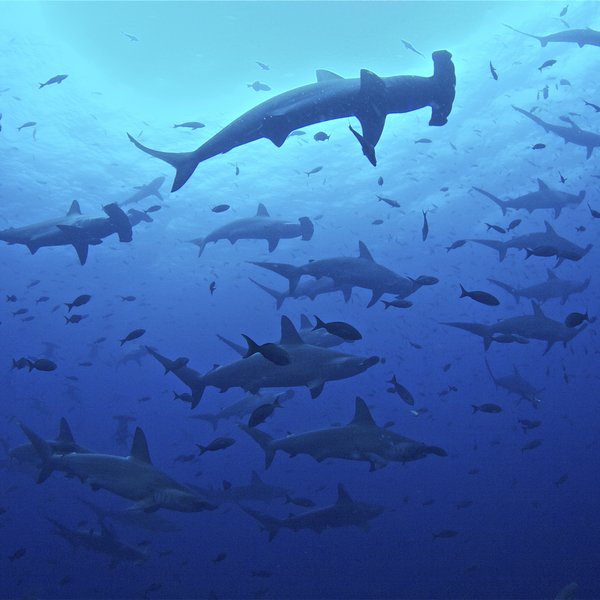
The Charles Darwin Foundation and WWF launch project "Habla Tiburón" to promote the conservation of sharks and rays and empower fishing communities in mainland and insular Ecuador
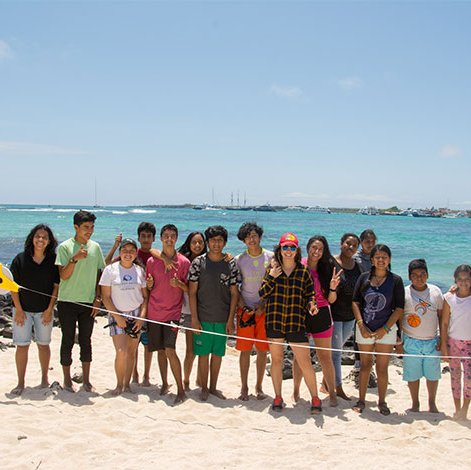
Silky shark's record-breaking migration of more than 27,000 km on the Tropical Eastern Pacific sheds light on urgent conservation need
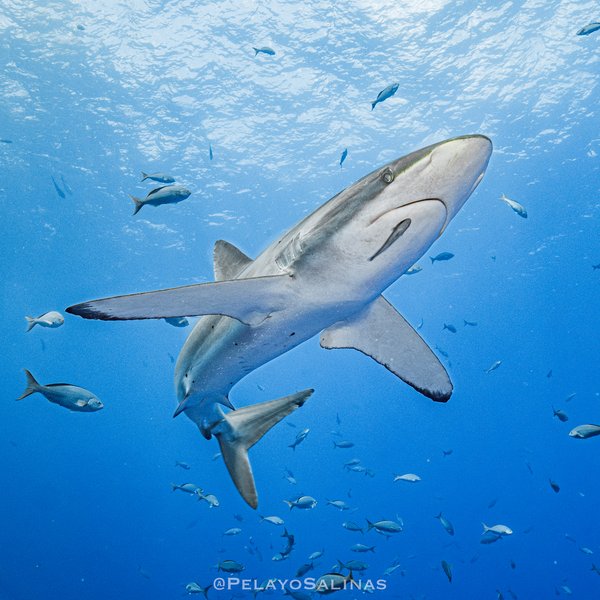
Silky shark's record-breaking migration of more than 27,000 km on the Tropical Eastern Pacific sheds light on urgent conservation need