Results
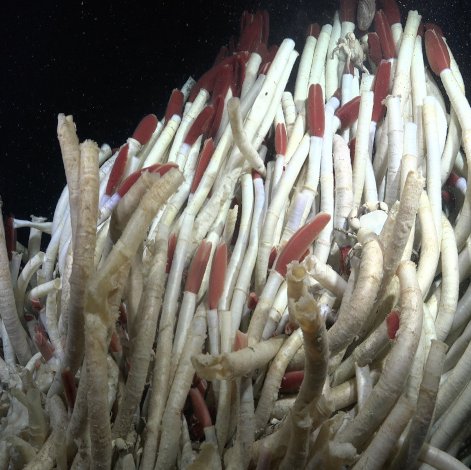
Scientists on a Schmidt Ocean Institute expedition have discovered a new hydrothermal vent field larger than a professional soccer field. The vent field found in the Pacific Ocean off the Western Galápagos Islands consists of five geyser-like chimneys and three hot springs, like those you might see in Yellowstone.
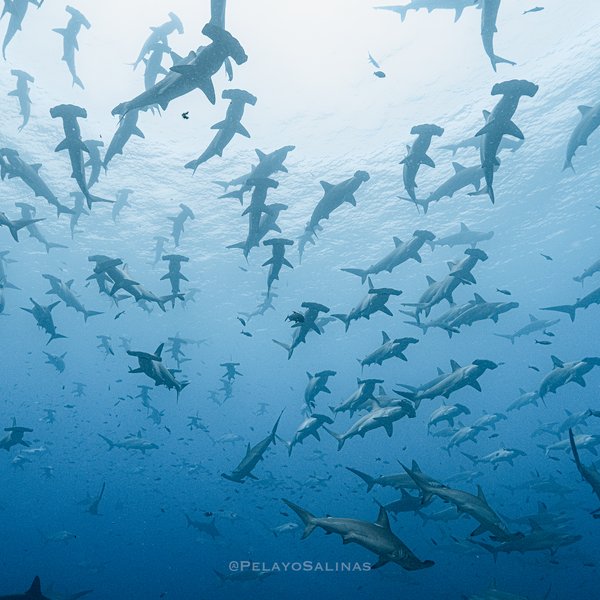
A groundbreaking study across seven marine protected areas in the Eastern Tropical Pacific reveals thriving shark and predator populations in remote island MPAs like Galapagos and Malpelo, while coastal reserves are severely depleted. Discover what this means for ocean protection, why it matters, and the urgent actions scientists recommend.
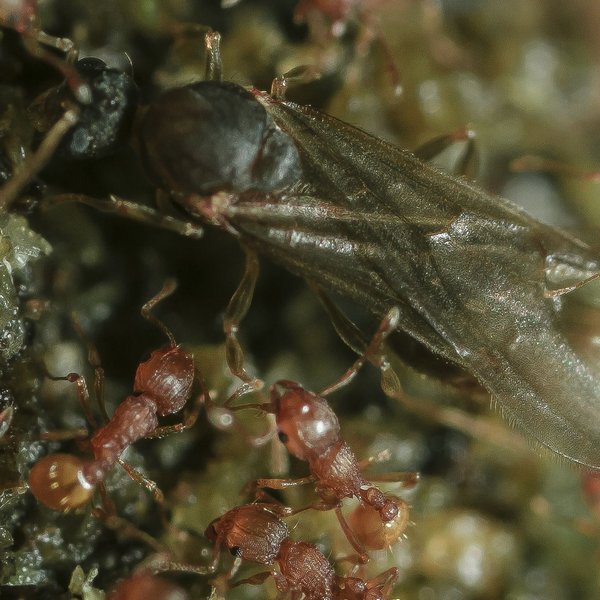
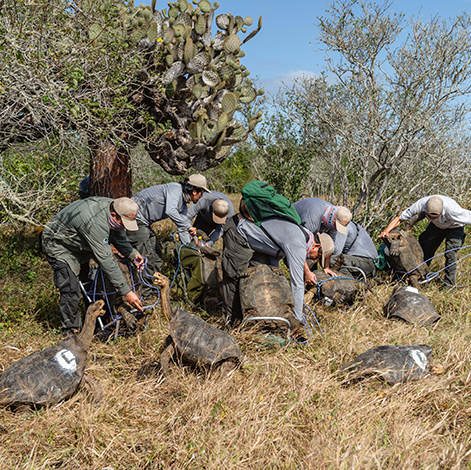
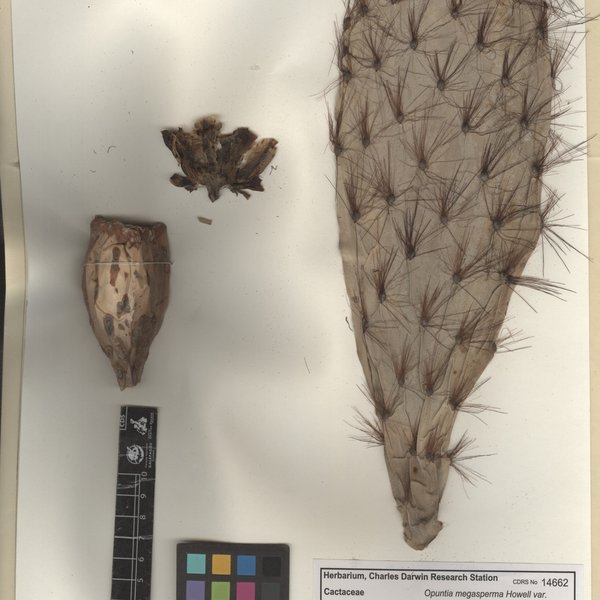
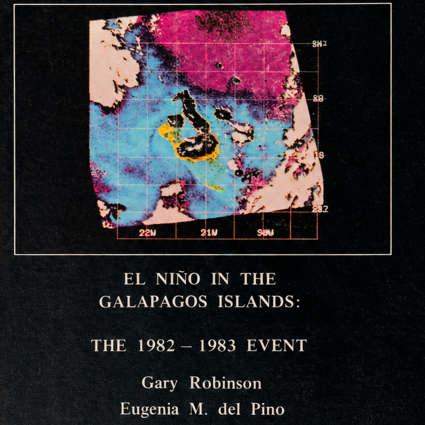
This landmark volume documents the 1982–1983 El Niño, one of the most severe events in Galapagos history.

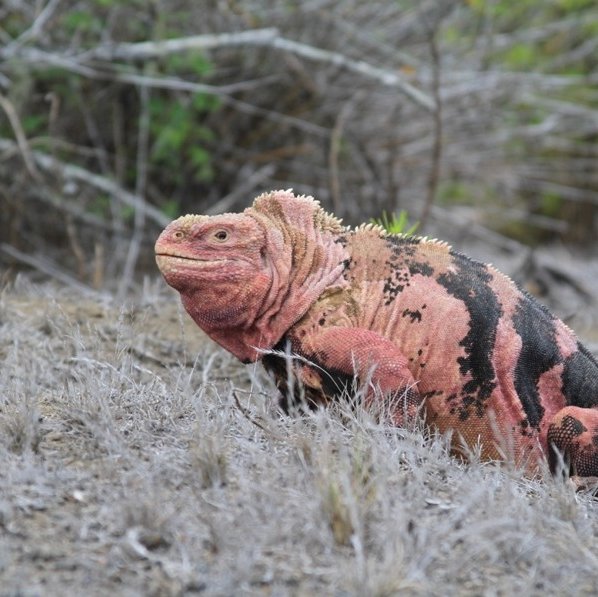
Scientists Discover a Novel Herpesvirus in Galapagos Pink Land Iguana
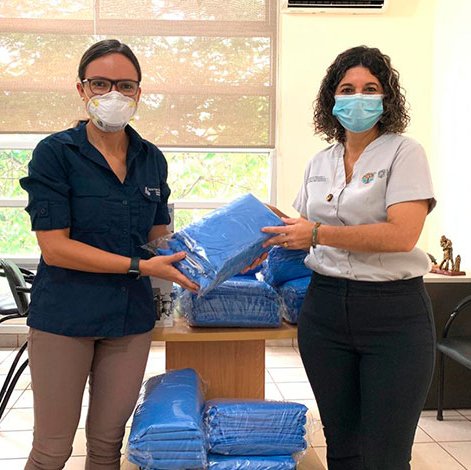

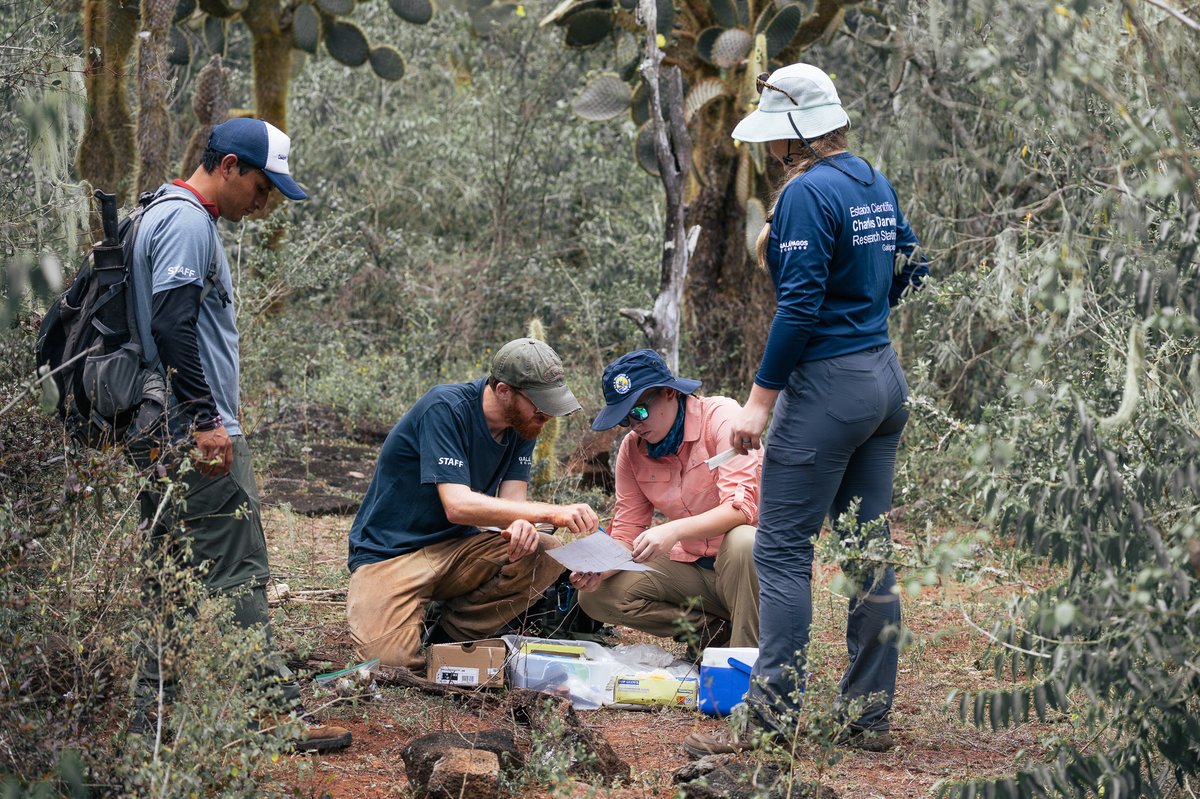
It is estimated that 20% of the populations of small landbirds found on the Galapagos Islands are declining or have gone locally extinct. Our scientists work to ensure the long-term conservation of small Galapagos landbird populations for the health of the islands’ ecosystems at large.
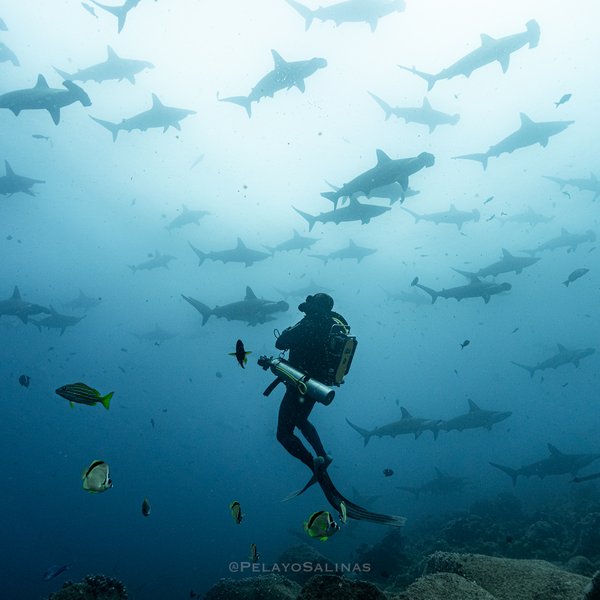
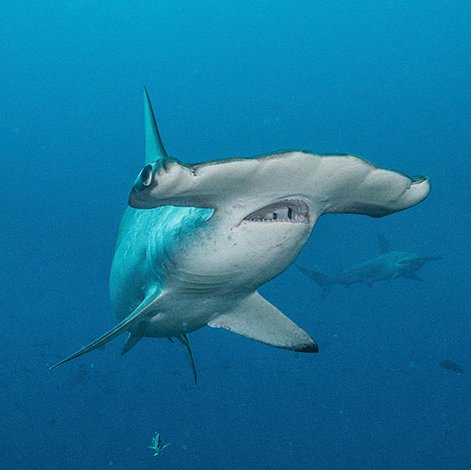
Scientists from the Charles Darwin Foundation’s shark ecology and conservation program and collaborators, have published what is likely the first-ever scientifically recorded birthing migration for the critically endangered scalloped hammerhead shark (Sphyrna lewini).

For the first time in Galápagos, researchers established 24 mesocosms that simulate natural ponds to study freshwater ecosystems. The experiment examines how nutrients provided by giant tortoises can alter water conditions and how these changes relate to the development of tadpoles of the archipelago’s only introduced tree frog Scinax quinquefasciatus.