Results
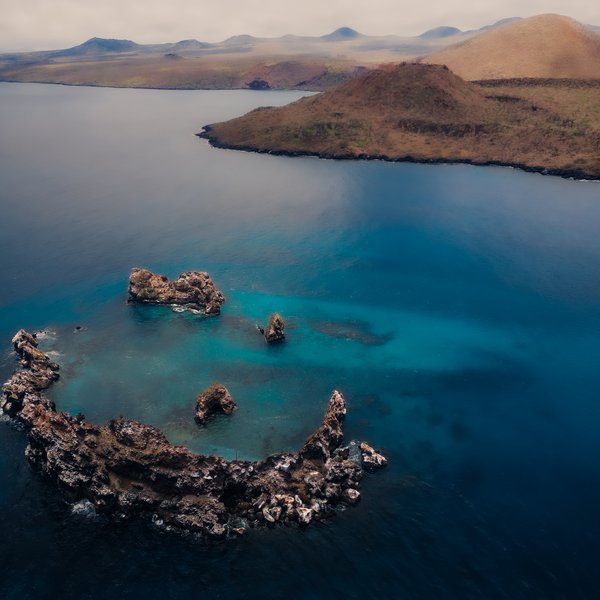
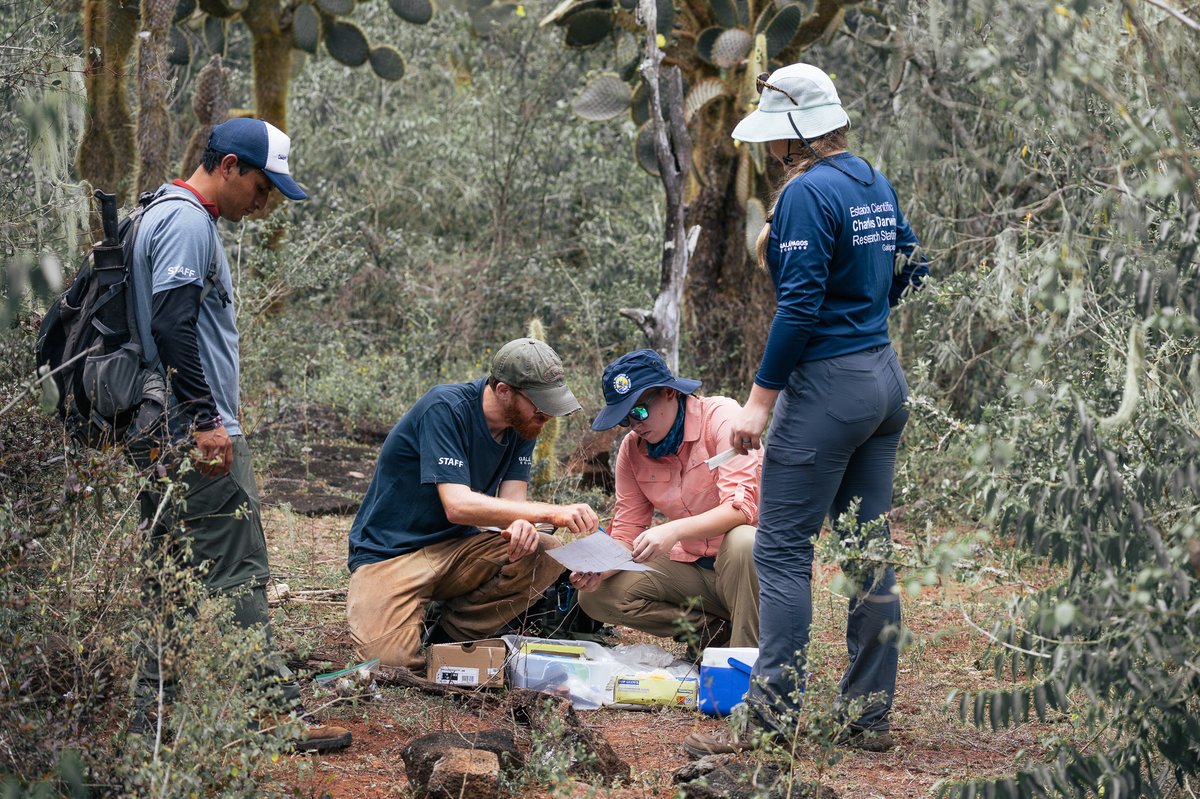
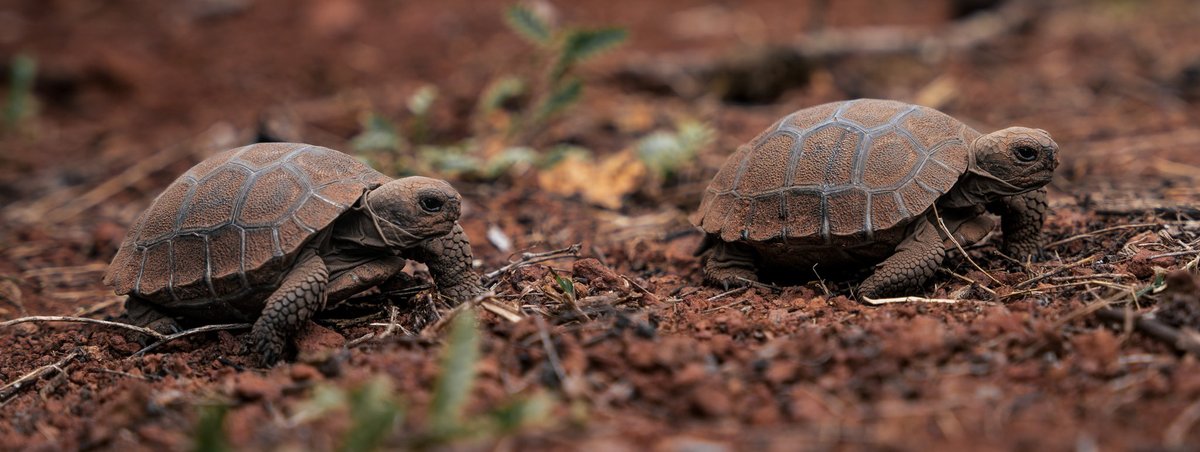
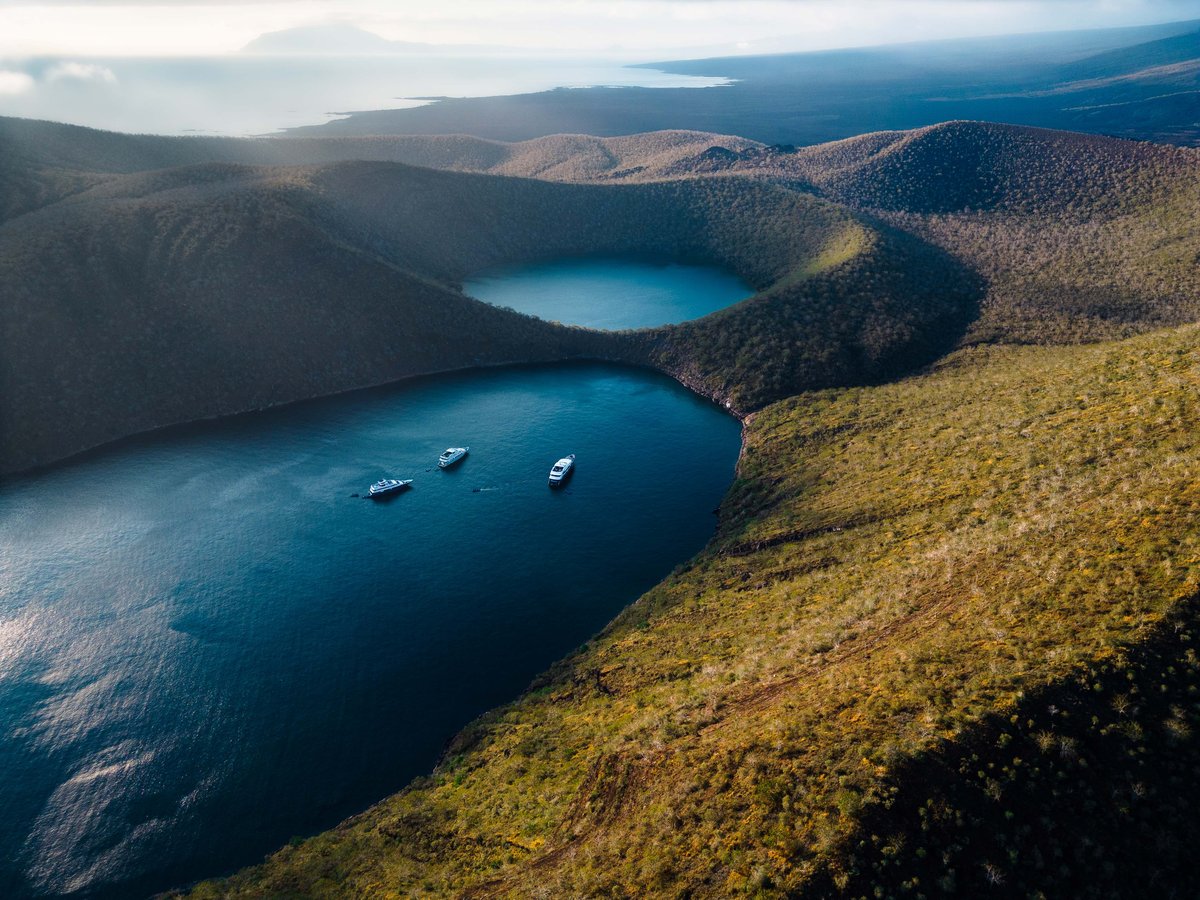
Floreana Island, heavily impacted by introduced species and biodiversity loss, now hosts one of Galápagos’ most ambitious restoration efforts. With a small community and 54 species still threatened, the Floreana Ecological Restoration Project aims to recover the island’s ecological balance through the removal of invasive species and the return of native wildlife.
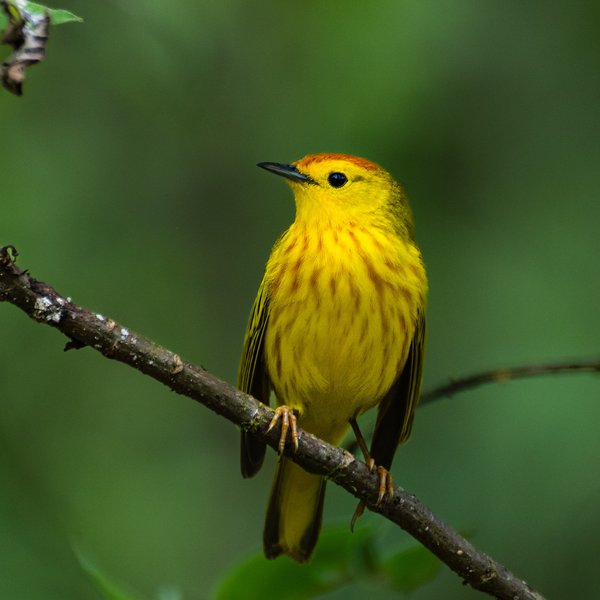
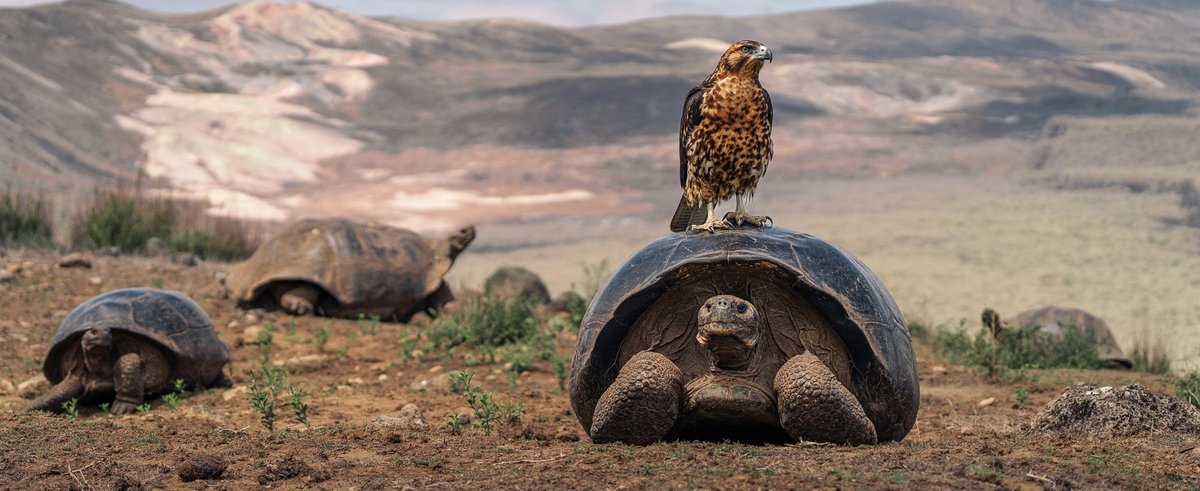
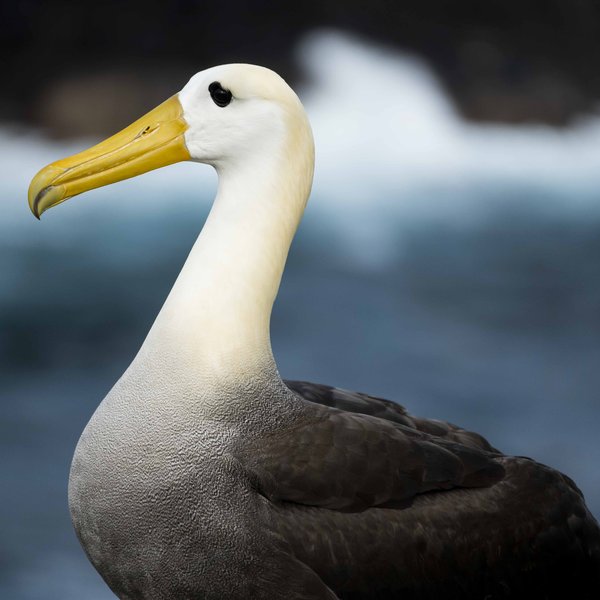
Beneath Galápagos’ iconic birds lies a hidden story of health and survival. A new study reveals the presence of viruses in landbird populations, offering the first baseline of disease risk in these unique species. Discover why monitoring “invisible diseases” is essential to protecting the future of Galápagos biodiversity.
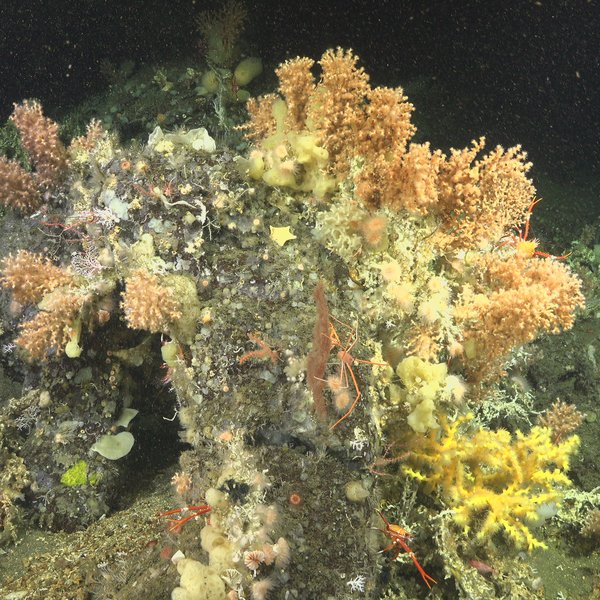
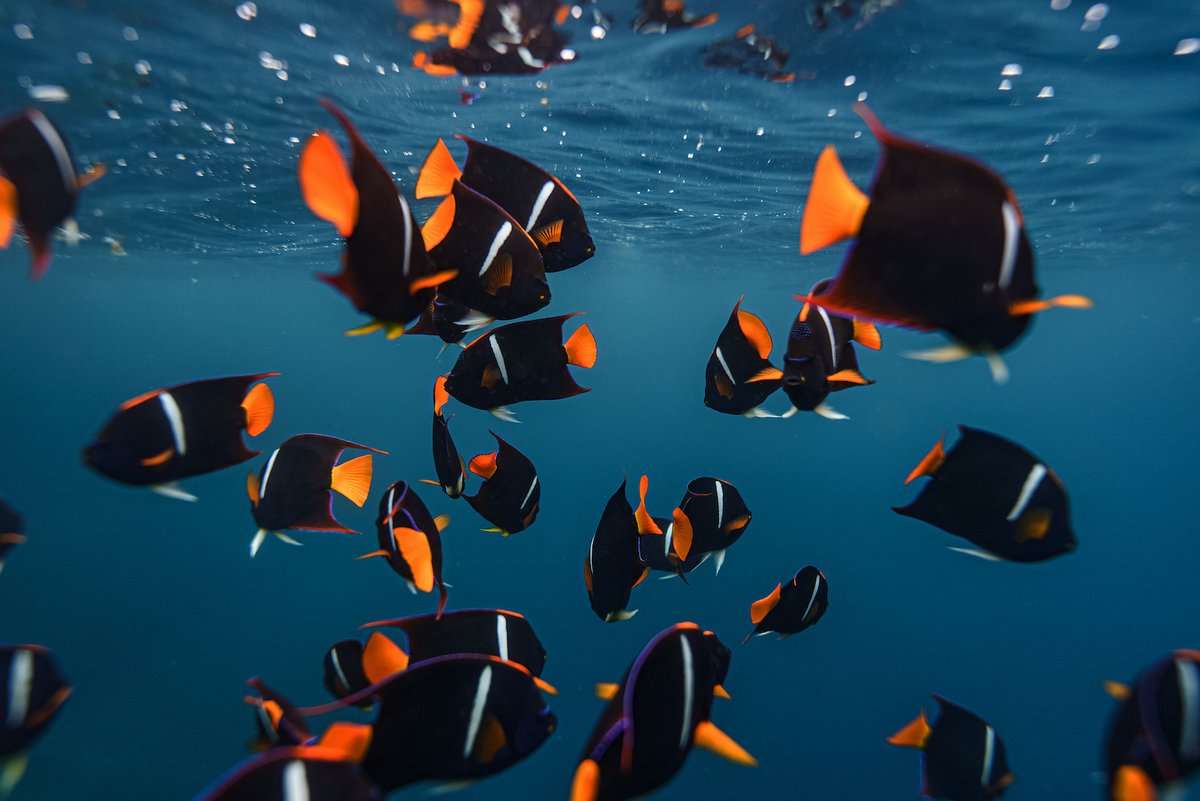
Scientists have uncovered a hidden collapse of Galápagos deep-sea corals, revealing a 1,000-year disappearance linked to ancient climate shifts. By reconstructing 117,000 years of ocean history, the study exposes the vulnerability—and resilience—of these unseen ecosystems, offering urgent insights into how climate change could reshape life in the deep ocean.