Results
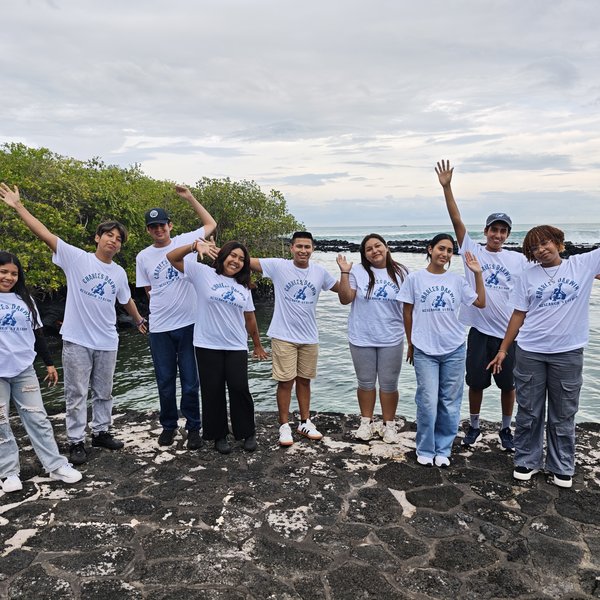
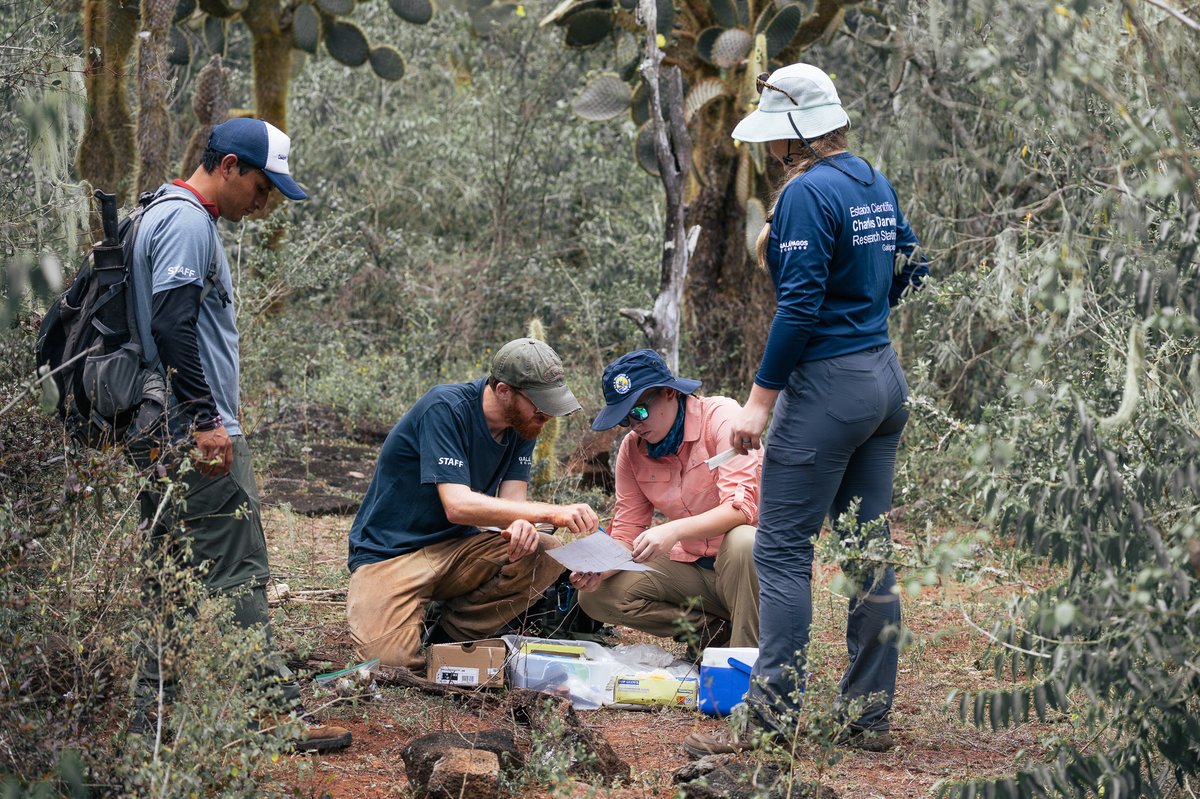
The Charles Darwin Foundation Leadership Club brought together young people from Santa Cruz and Isabela in a journey of learning, leadership, and conservation. Through workshops, community activities, and exchanges, participants strengthened their skills, promoted environmental education, and reinforced their commitment to a sustainable future for Galápagos.
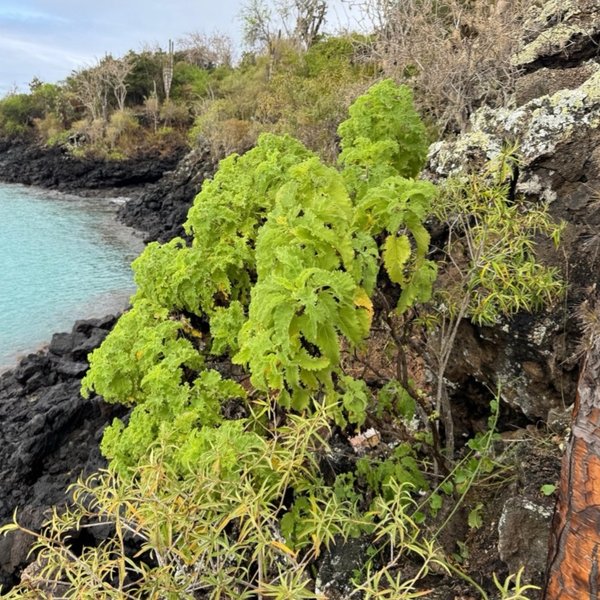
Scalesia plants in Galápagos illustrate adaptive radiation through variations in height, leaf size, and structure across environments. While these traits reflect their ability to adjust, rapid environmental changes may exceed their adaptive limits. Research identifies how these species respond, supporting monitoring and conservation efforts to protect vulnerable plant populations.
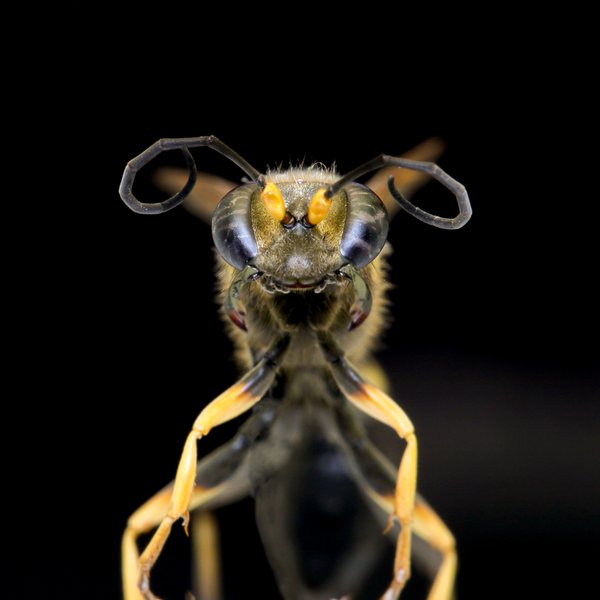
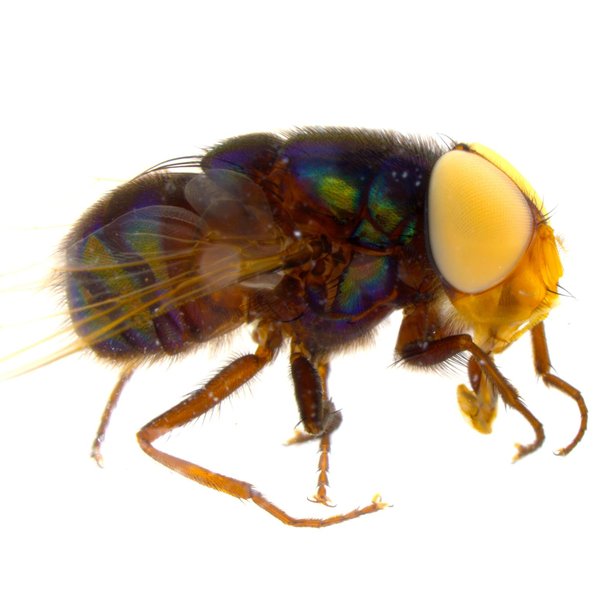
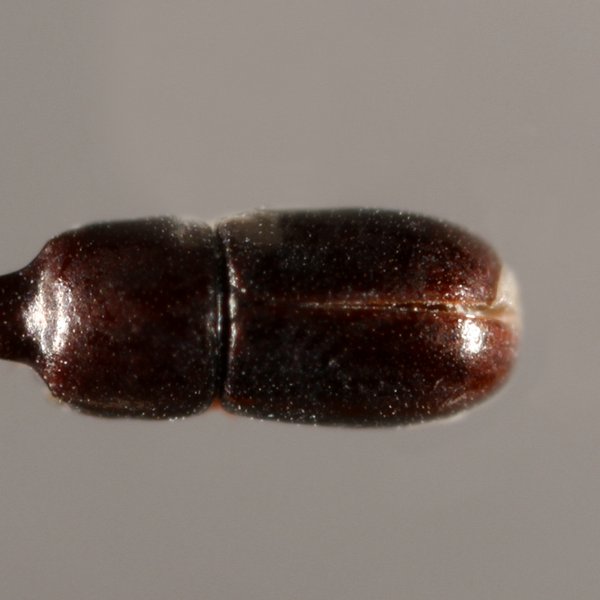
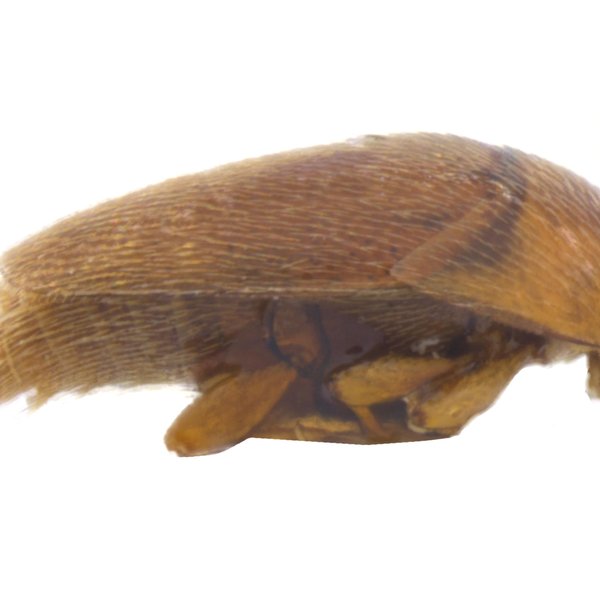
Research in the Scalesia forest on Santa Cruz Island revealed more than 200 taxa of parasitoid wasps, compared with only 30 species previously reported for Galapagos. These tiny insects play essential ecological roles and highlight how much remains unknown about the archipelago’s biodiversity and fragile ecosystems in the Pacific Ocean.
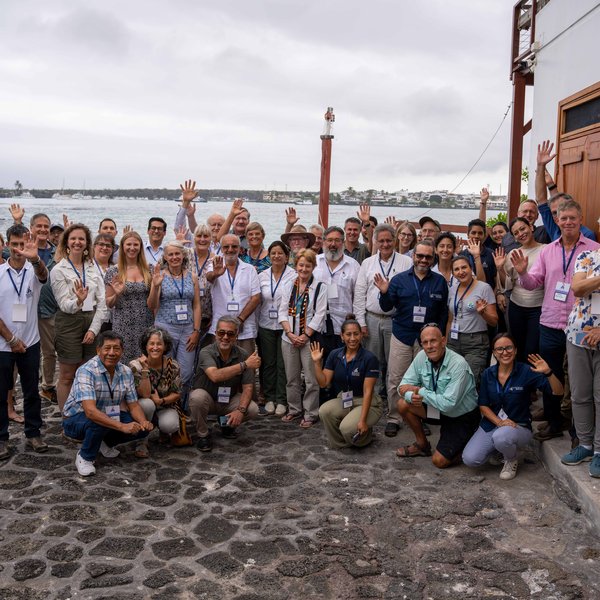
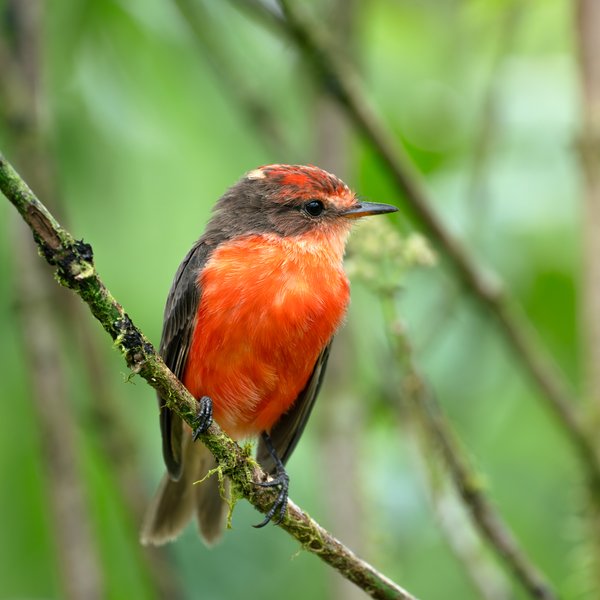
In Santa Cruz highlands, restoring Scalesia forests at Granillo Rojo supports biodiversity recovery, bringing back native plants and birds like the Little Vermilion Flycatcher through sustained, hands-on conservation efforts.
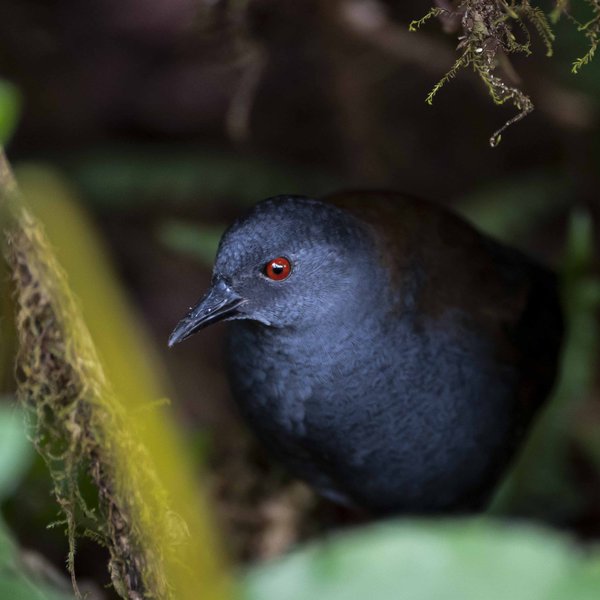
The Galapagos Rail (Laterallus spilonota) has been confirmed on Floreana Island for the first time in 190 years. This follows a 2023 eradication campaign that removed most invasive cats and rats, likely aiding its survival. Researchers will conduct genetic testing to determine if the species recolonized or persisted undetected.

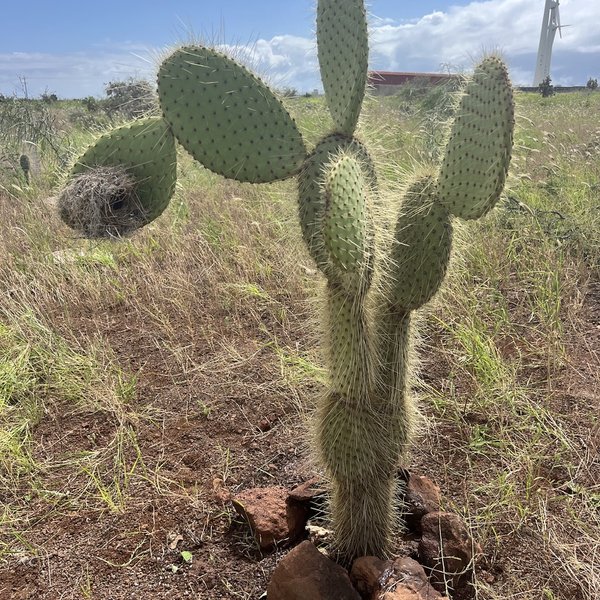
Baltra Island is coming back to life after more than a decade of restoration. Thanks to over 8,000 native plants introduced by the Charles Darwin Foundation and partners, ecosystems are regenerating naturally, offering new hope for Galápagos conservation.