
Home

Results

Rubus ulmifolius Schott.
Species Database Rubus ulmifolius Schott.
Carlos Espinosa/CDF
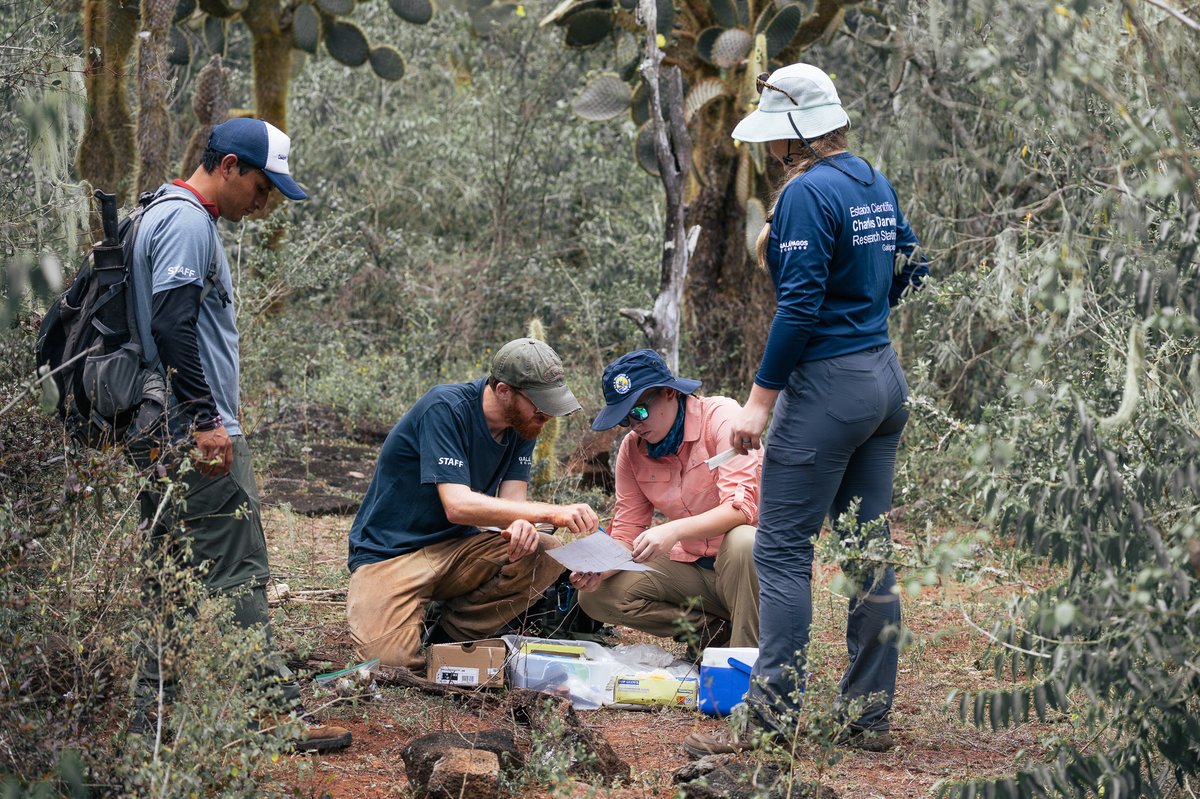
Las investigadoras Heinke Jäger y Miriam San José en el sitio cercado de Cerro Grande, donde más de 150 plántulas crecen desde 2021, gracias a las labores de control de plantas invasoras. Foto: Rashid Cruz.
Scalesia cordata: from concern to hope on Isabela, Galapagos

When we talk about Galapagos we always think of Darwin, giant tortoises and finches. But few outside Galapagos know about the Scalesia plants, commonly known as Darwin’s giant daisies.

Carlos Espinosa/CDF
How Can Galápagos Fishers Build Resilience Against Climate Threats?

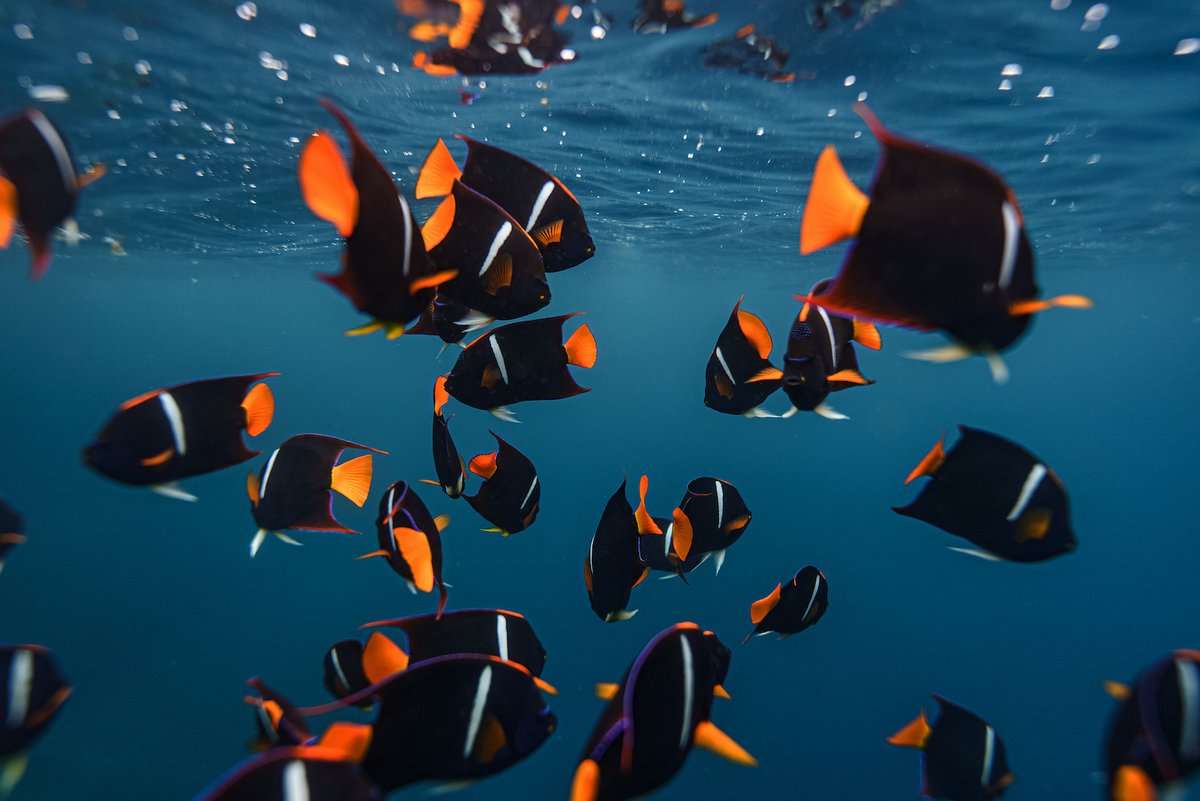
Artisanal fishing within the Galápagos Marine Reserve (GMR) is more than just a source of income—it is the livelihood of more than 500 families and an essential part of the islands' culture including hotels, cruise ships, restaurants and feeding local people. Yet, this vital tradition is under increasing pressure from the combined impacts of El Niño and climate change, which threaten marine biodiversity and the local economy. Drawing on insights from the recent scientific publication “An Overview of the Socioecological Impacts of the El Niño-Southern Oscillation and Climate Change on Artisanal Fisheries in the Galápagos”, co-authored by our Principal Investigator Jorge Ramírez, we explore how these threats affect local fisheries and what actions are needed to secure a more sustainable future.

Carlos Espinosa/CDF
Studying health in birds: An interview with Gislayne Mendoza Alcívar

Gislayne Mendoza Alcívar, our lab technician was interviewed by our donor, Galapagos Conservation Trust, in which she shares her experience in studying the health of some of the islands' most endangered birds.

Carlos Espinosa/CDF
Carlos Espinosa/CDF
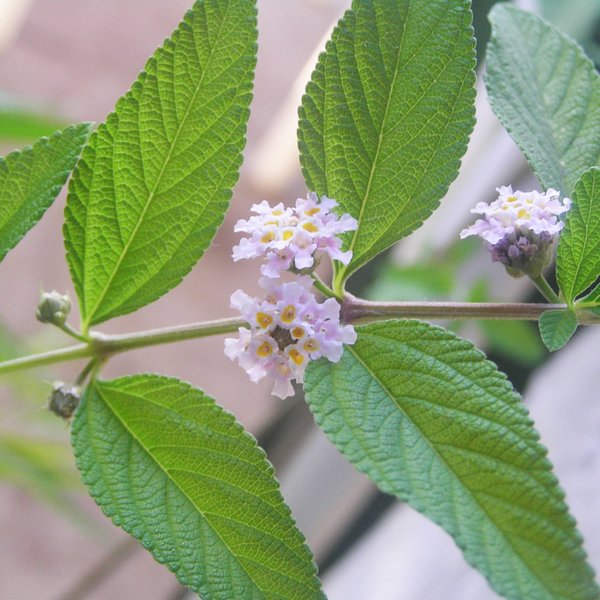
Species Database Ramalina camptospora Nyl.
Carlos Espinosa/CDF
Carlos Espinosa/CDF
Species Database Ramalina anceps Nyl.
Heinke Jäger-CDF
Scalesia forest restoration

Scalesia forests once thrived on the Galapagos Islands, forming a unique humid ecosystem for plants, insects, giant tortoises and birds. Today, only 1% of the forests’ original distribution remains, with several endemic species, including the Scalesia themselves, struggling to survive. We are working to restore this important habitat and given the rapid rate of forest loss, it is a race against time.

Carlos Espinosa/CDF
Carlos Espinosa/CDF
Carlos Espinosa/CDF
Species Database Physcia insularis Zahlbr.