Results
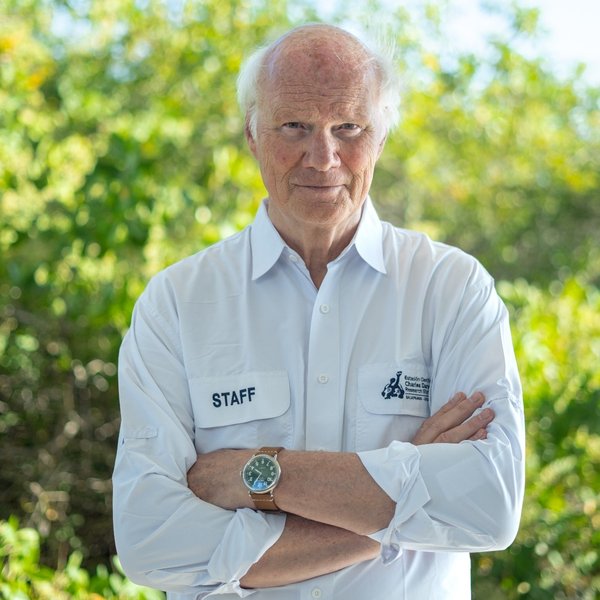
Phil van Haarlem was truly a force of nature. In celebration of his life, and to honour his time with us over the last 10 years, we have asked colleagues and friends to tell us their unique experience with Phil, whom we miss dearly.
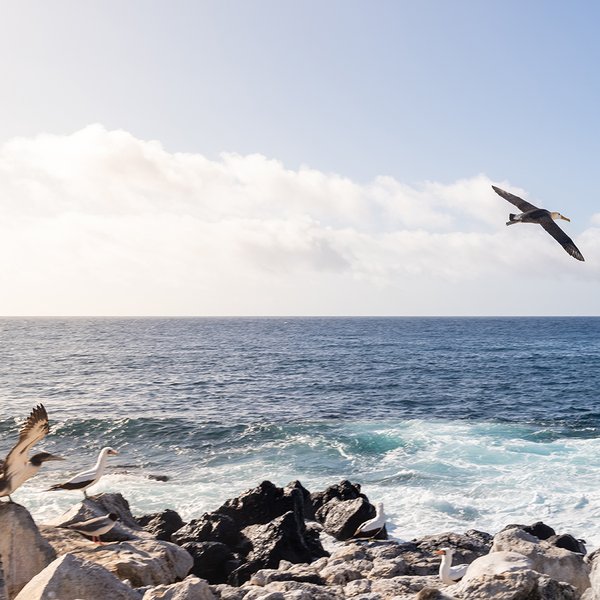
Possibly best known for its remoteness, giant tortoises and links with Charles Darwin, the Galápagos Islands—600 miles off the Ecuadorian coast—are also home with the magnificent Waved Albatross (Phoebastria irrorate), a huge bird that nests there and raises its young during nine months of the year. The largest bird in the Islands, it is the only albatross that lives in the tropics.
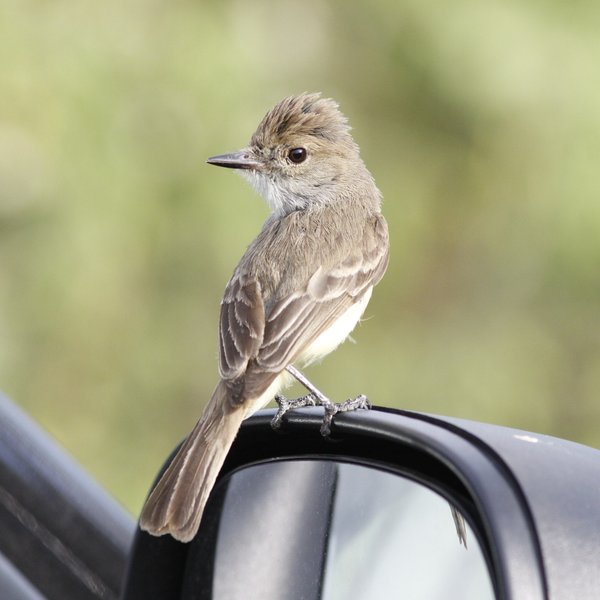
December marks the start of one of the most exciting activities of the year in Galápagos: the Christmas Bird Count. Now in its ninth consecutive year, this event, organized by the Charles Darwin Foundation (CDF) in collaboration with key partners, combines science, community, and fun to celebrate and protect the incredible diversity of birds on our islands.
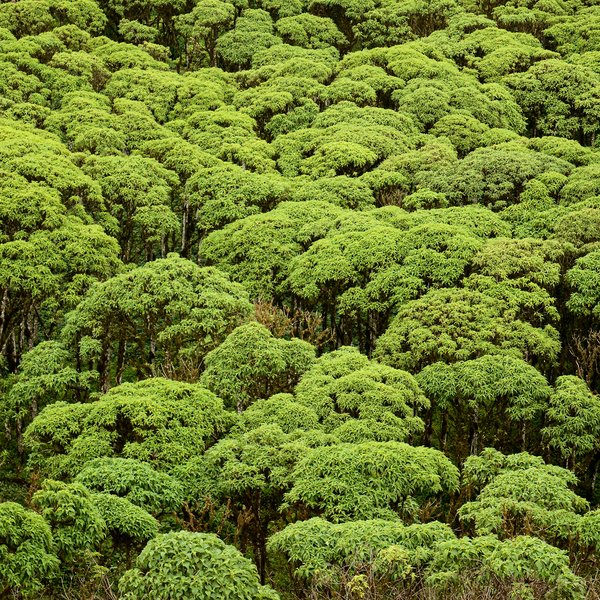
The Scalesia forest on Santa Cruz Island hosts 150 endemic insect species, representing 21% of those recorded in Galápagos within six studied groups. The research highlights their ecological importance and warns about threats from habitat loss and invasive species, reinforcing the urgent need for restoration and long-term conservation efforts.
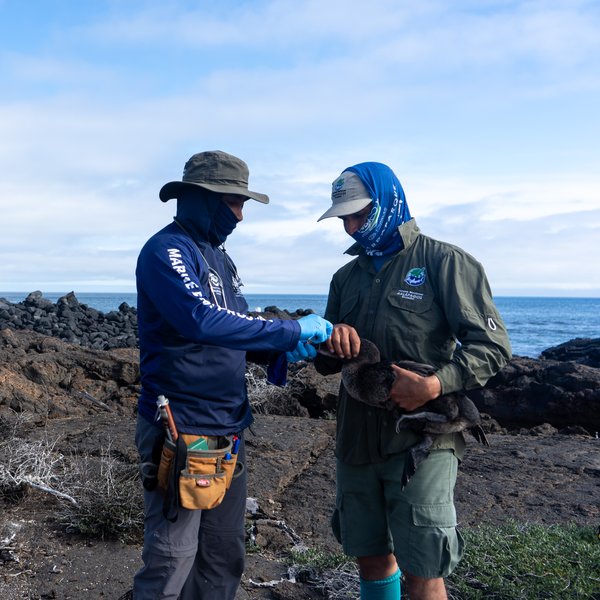
The Charles Darwin Foundation shared the main achievements of its 2025 work through a public accountability event. The initiative highlighted how scientific research supports Galapagos conservation, encouraged dialogue with the local community, and reaffirmed that transparency strengthens institutional trust, collaboration, and long-term commitment to protecting the archipelago.
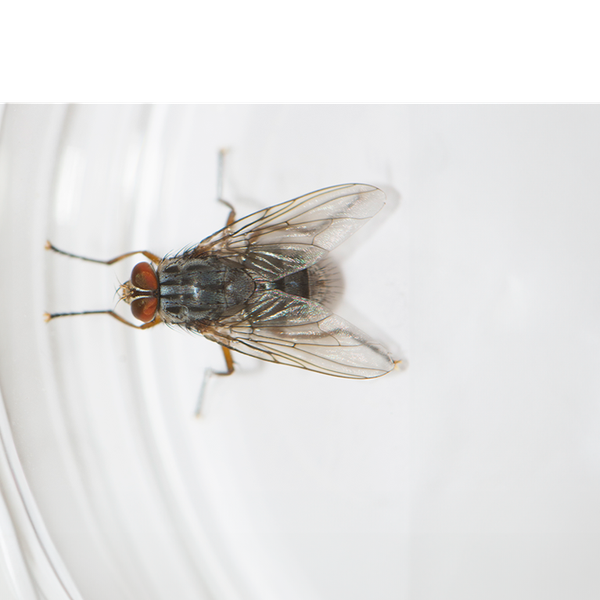
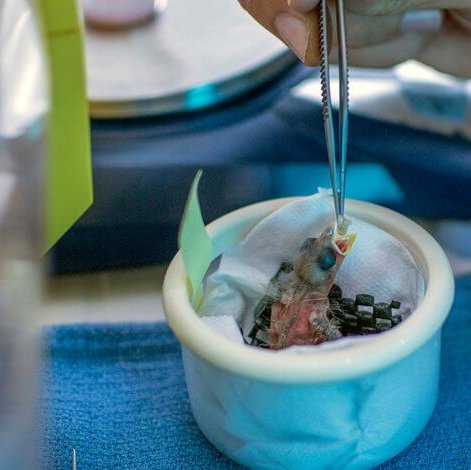
In a race against time, our scientists are working hard to find ways to control the avian vampire fly (Philornis downsi), an invasive parasitic fly that is affecting the survival of the unique small landbirds of the Galapagos Islands, including the iconic Darwin’s finches.
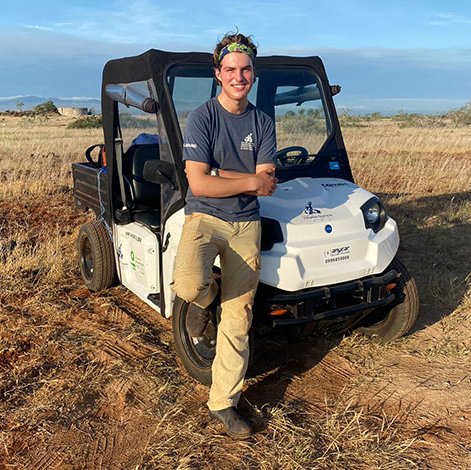
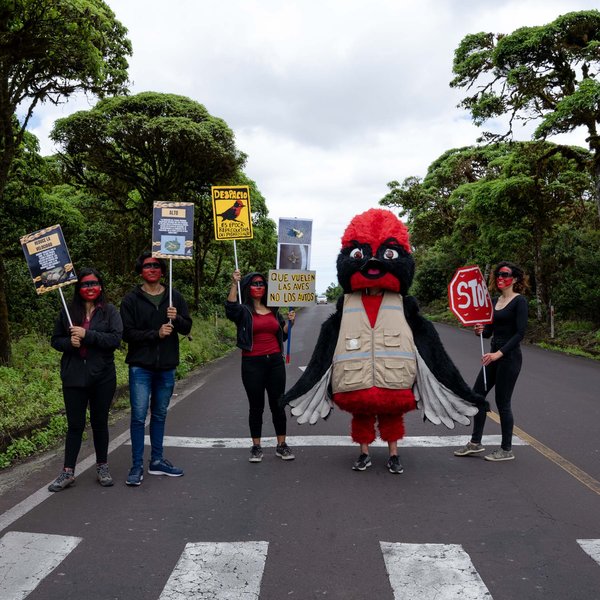
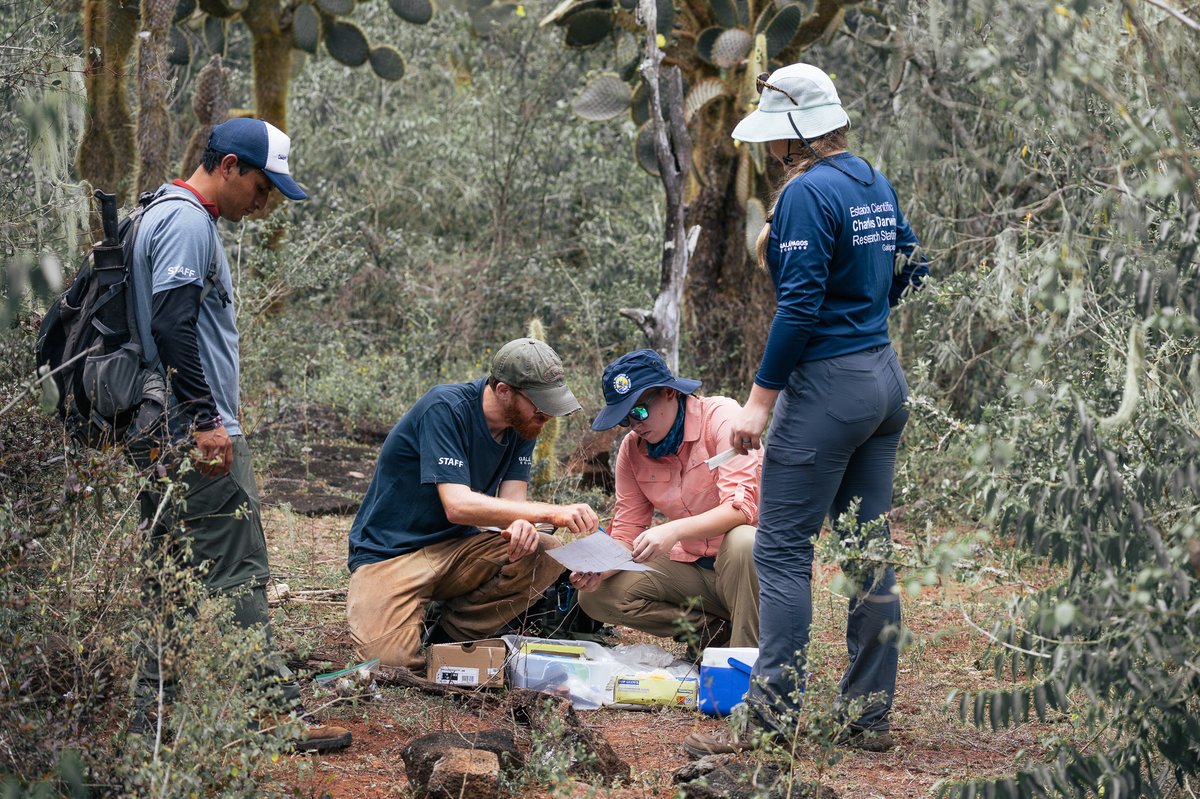
At the Charles Darwin Foundation, we believe that sustainable conservation depends on the involvement of the local community. Our goal is to inspire future generations of local conservation leaders, and embed conservation and sustainable development in the local culture.
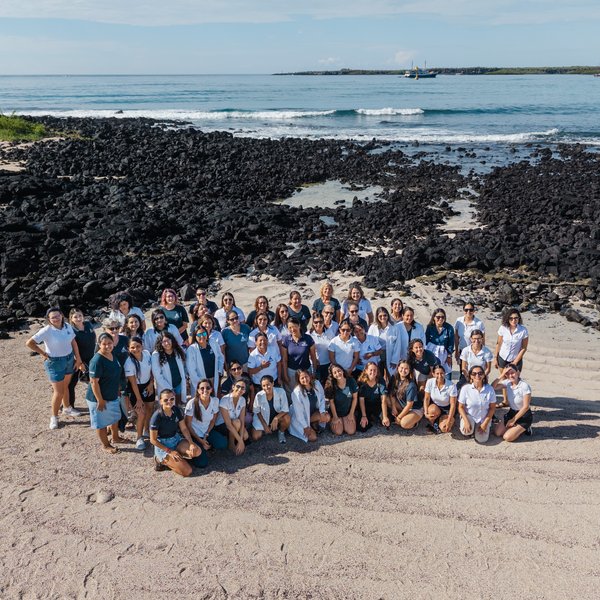
This International Women’s Day, discover how an equity lens is shaping conservation in the Galápagos. From the legacy of pioneering women in science to new research on gender roles in fisheries, the Charles Darwin Foundation highlights why inclusive leadership and gender equity are essential for stronger communities and more effective conservation.
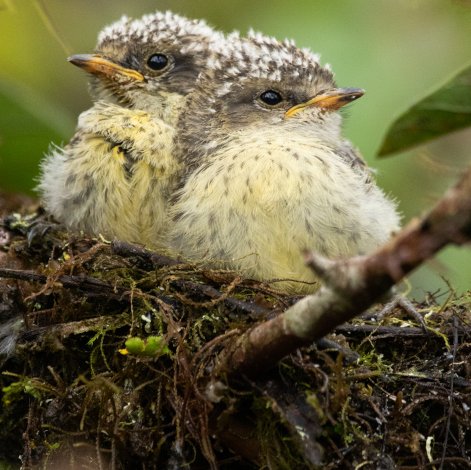
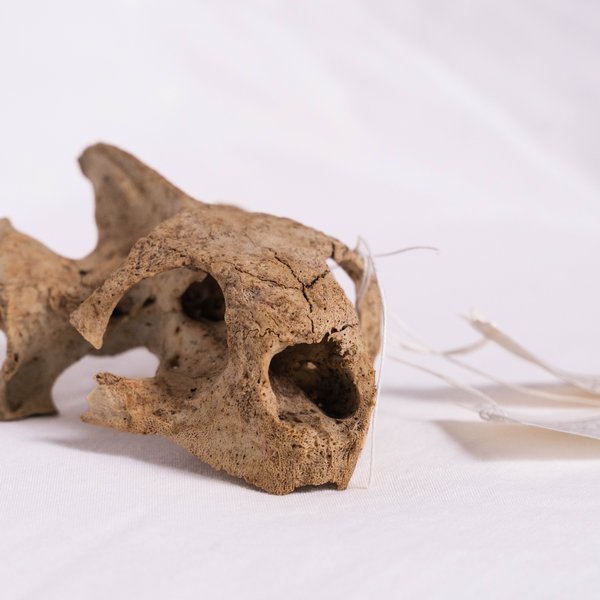
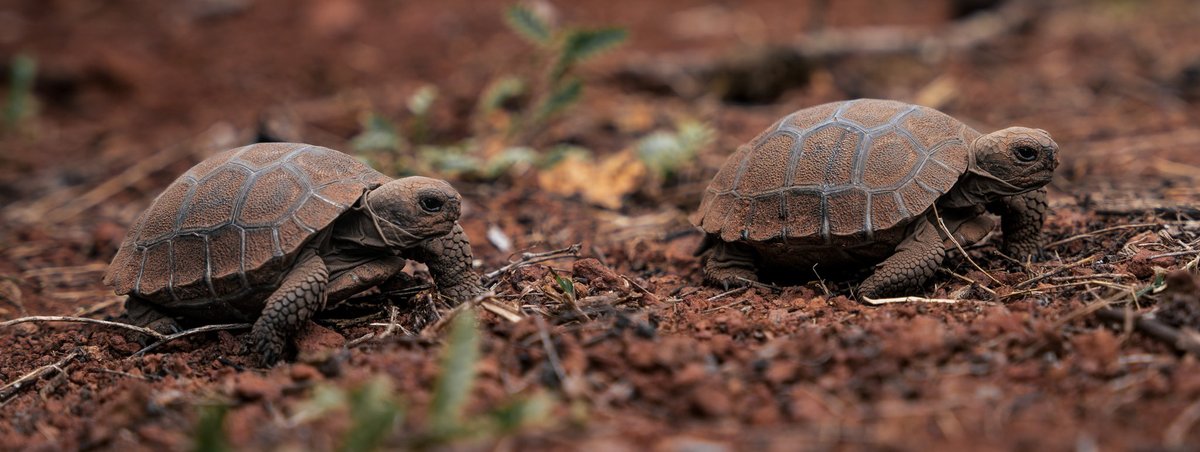
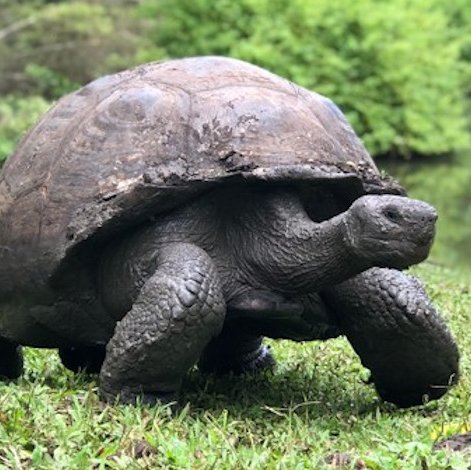
In 1969, during relentless rains on Santa Fe Island, scientist Tjitte de Vries discovered a small, well-preserved tortoise skull. Taken to the Charles Darwin Research Station, the find intrigued researchers, who believed it might belong to the island’s long-extinct giant tortoise.