Results
The 1905–1906 expedition of the California Academy of Sciences, led by Rollo Howard Beck, introduced a systematic approach to studying the Galápagos. By documenting specimen origins, it revealed variation among islands, established the archipelago as a natural laboratory of evolution, and laid foundations for ongoing research and conservation.
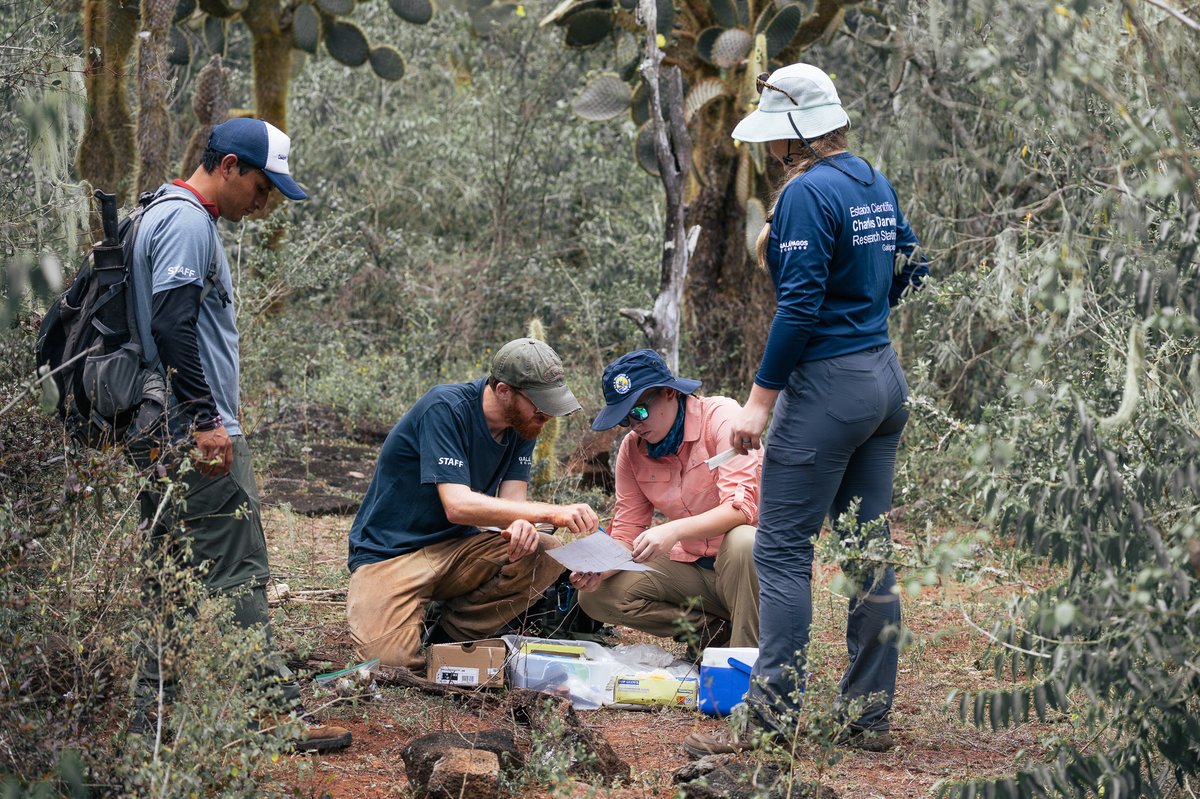
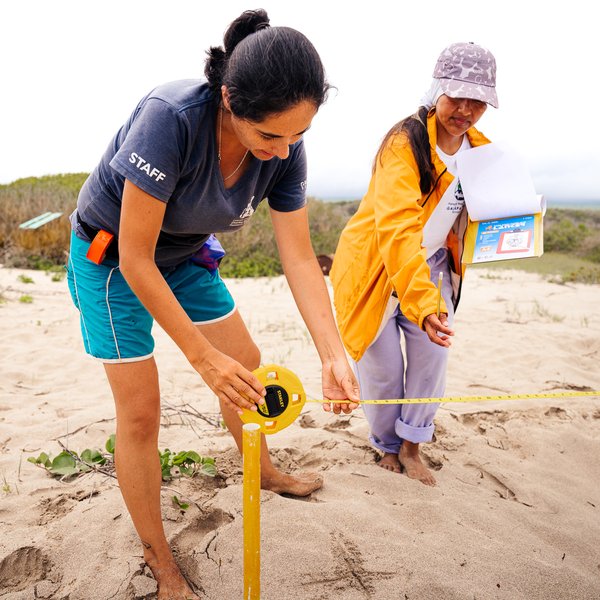
On February 11, we celebrate the International Day of Women and Girls in Science, a day to recognize the importance of strengthening female participation in science, especially in places like the Galapagos Islands. This archipelago, iconic for global conservation, has become a living laboratory where women and men work together to protect this unique ecosystem. The women of Galapagos, with their talent and dedication, demonstrate that conservation is stronger when everyone joins forces.
The Scalesia forest on Santa Cruz Island hosts 150 endemic insect species, representing 21% of those recorded in Galápagos within six studied groups. The research highlights their ecological importance and warns about threats from habitat loss and invasive species, reinforcing the urgent need for restoration and long-term conservation efforts.