Results
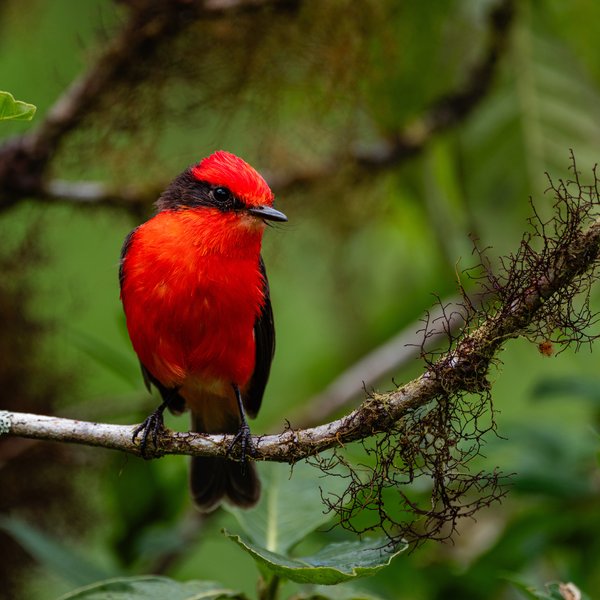
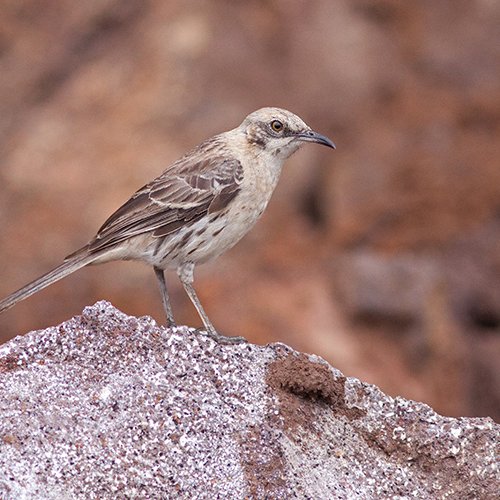
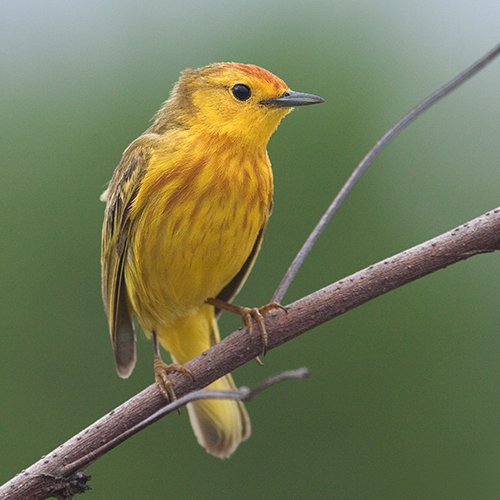
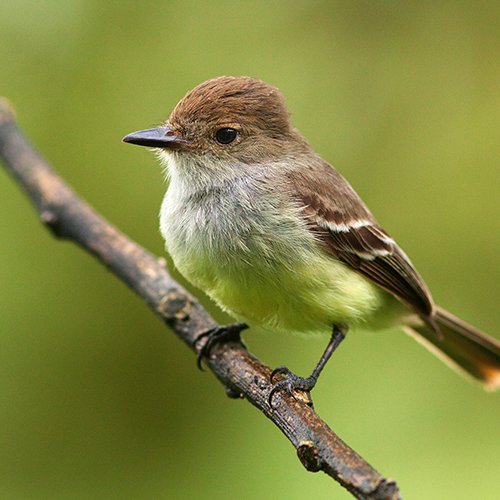
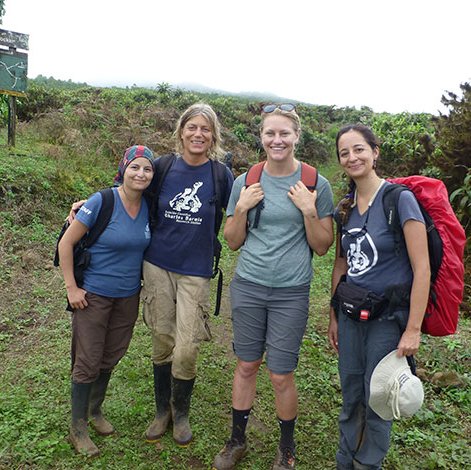
The Galápagos landbird breeding season (January–April) is critical for conservation. Monitoring and adaptive management, including innovative control of Philornis downsi, are improving nesting success. Early results show population recovery in key species, supported by habitat restoration. Ongoing data collection will determine long-term effectiveness and guide future conservation strategies.
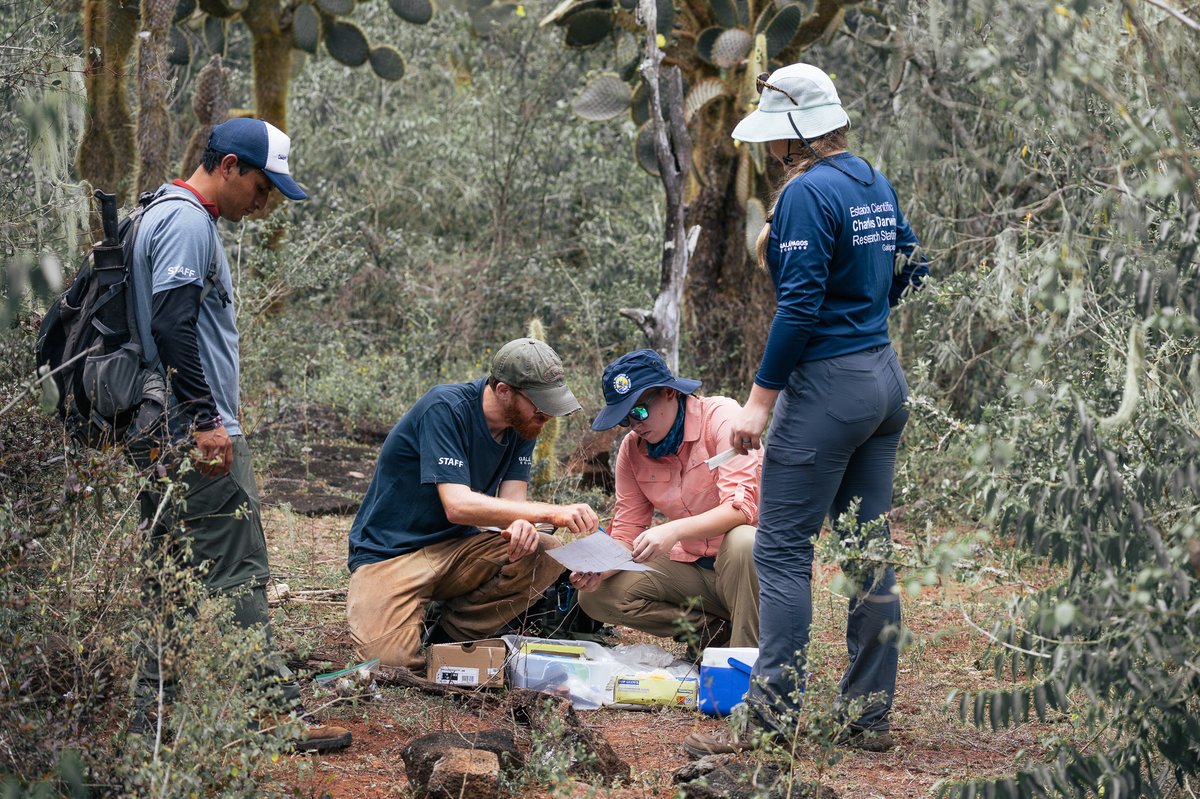
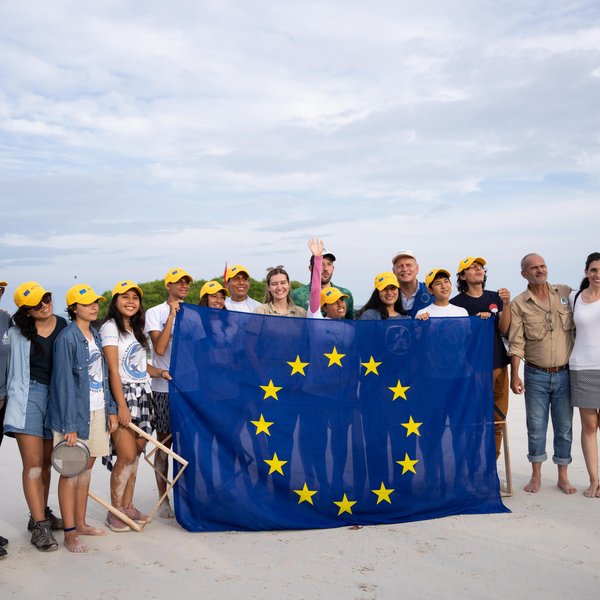
Our Ambassadors are passionate advocates that volunteer their time to enact lasting change for Galapagos and the world. Like us, they are united in their vision that if we can protect Galapagos, we can impact the world – inspiring others around the world to protect our planet’s fragile biodiversity, and ultimately protect our home. They do so by raising awareness and rallying support for our mission, while tailoring their involvement to their unique passions and skillsets.
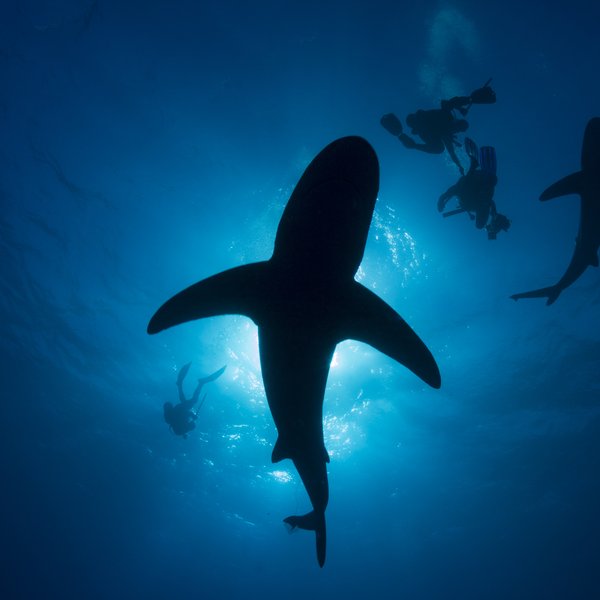
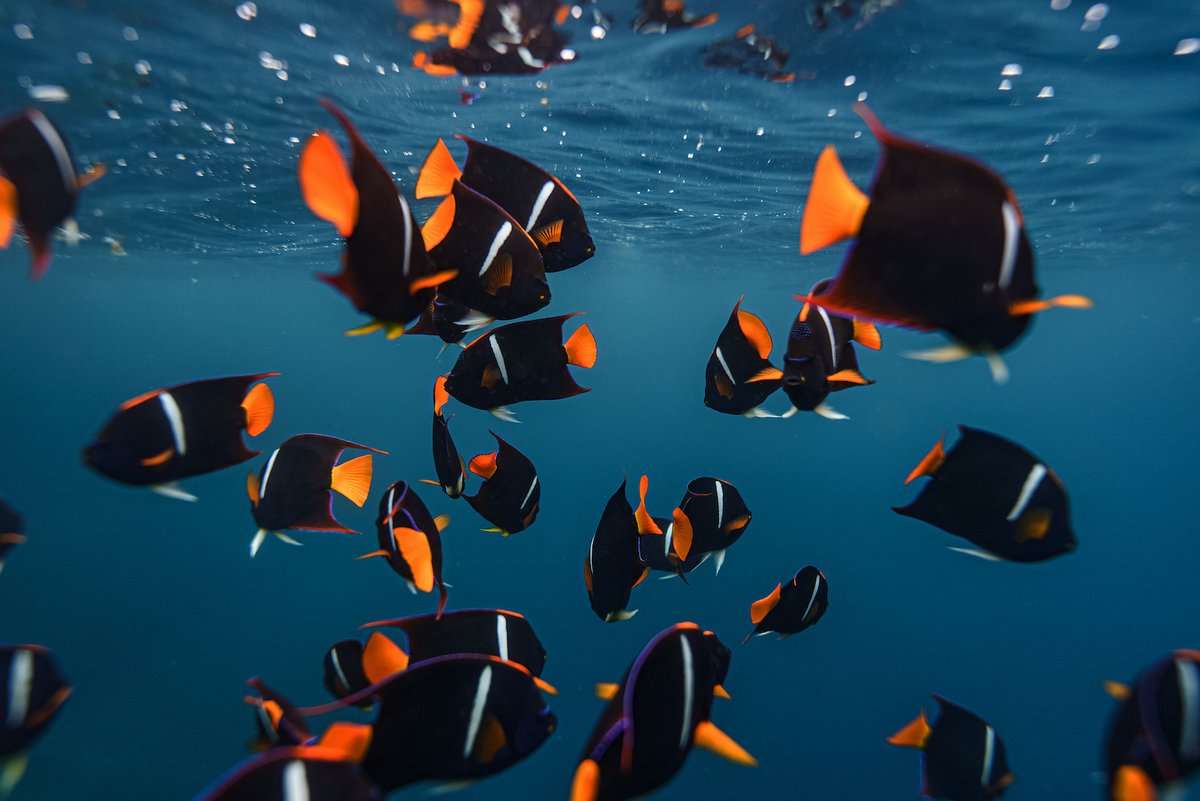
Habla Tiburón is a project that aims to improve the long-term health of shark and ray populations in Ecuadorian waters while empowering fishing communities.
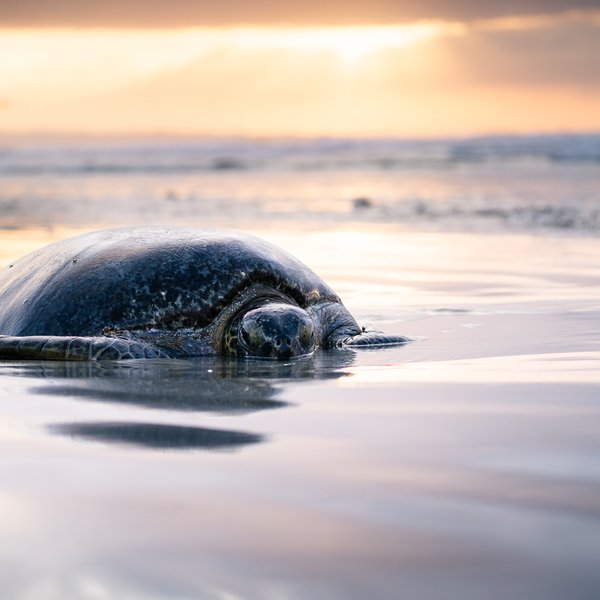
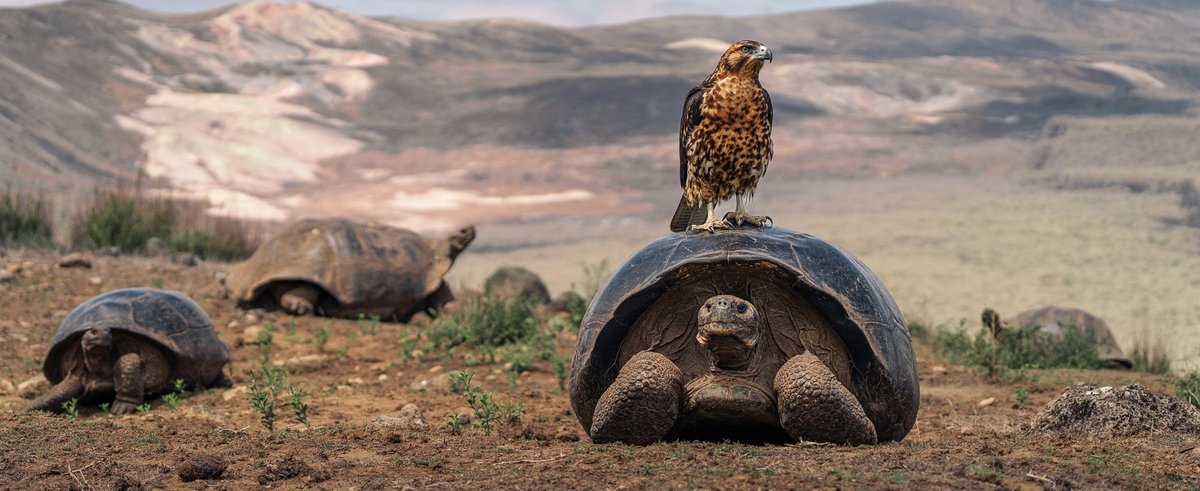
Galápagos green sea turtles play a vital role in maintaining healthy marine ecosystems. At Quinta Playa, scientists monitor their nesting activity to better understand the impacts of climate change. This research provides critical information to protect one of the most important green turtle nesting populations in the Eastern Pacific.
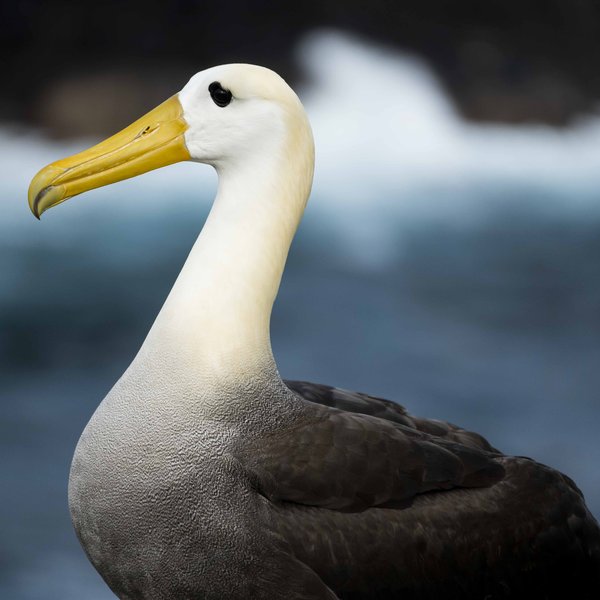
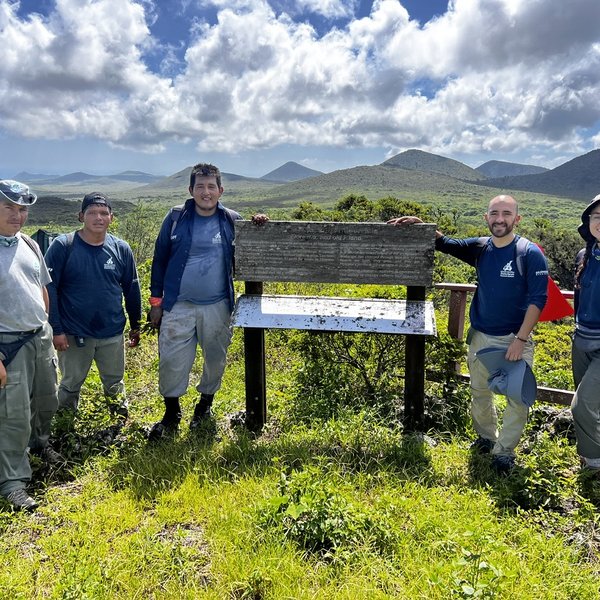
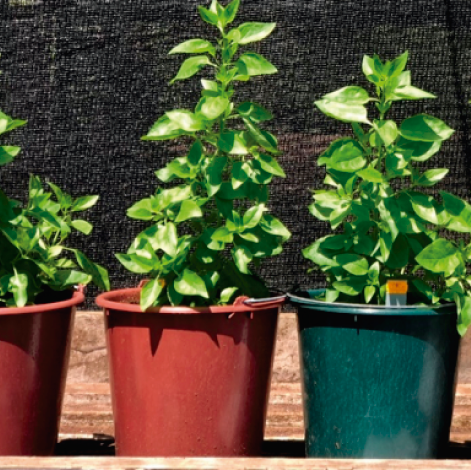
Find our the latest ecological restoration milestones of CDF's Galapagos Verde 2050 team in Floreana Island and how it is contributig to...
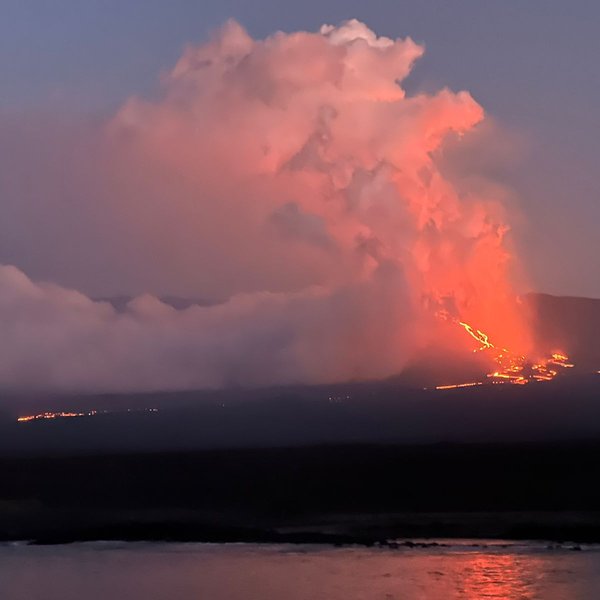
In an interview, renowned Galapagos volcanologist Dennis Geist tells us a bit more about the 2024 eruption and volcanic activity in Galapagos.
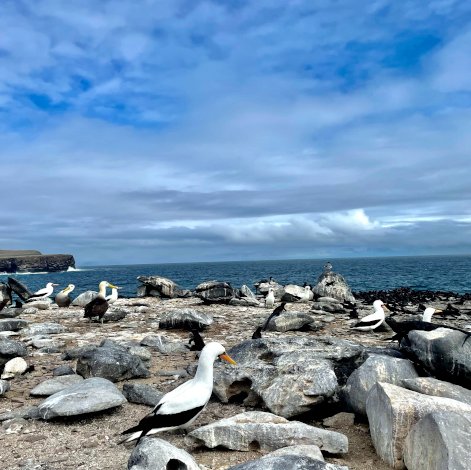
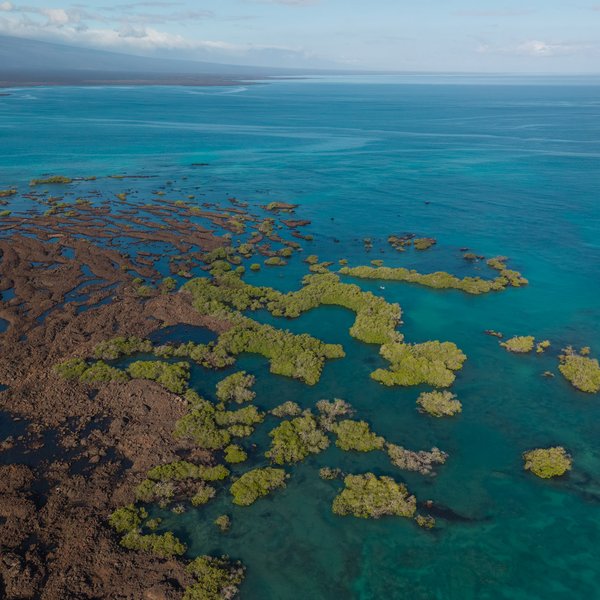
El Niño 2026 is transforming ocean conditions around Galápagos, with potential effects on food availability, reproduction, and survival across many species. Penguins, marine iguanas, sea lions, and corals are among the most vulnerable. Decades of scientific monitoring will help measure impacts and guide future conservation decisions across the archipelago effectively.