Results
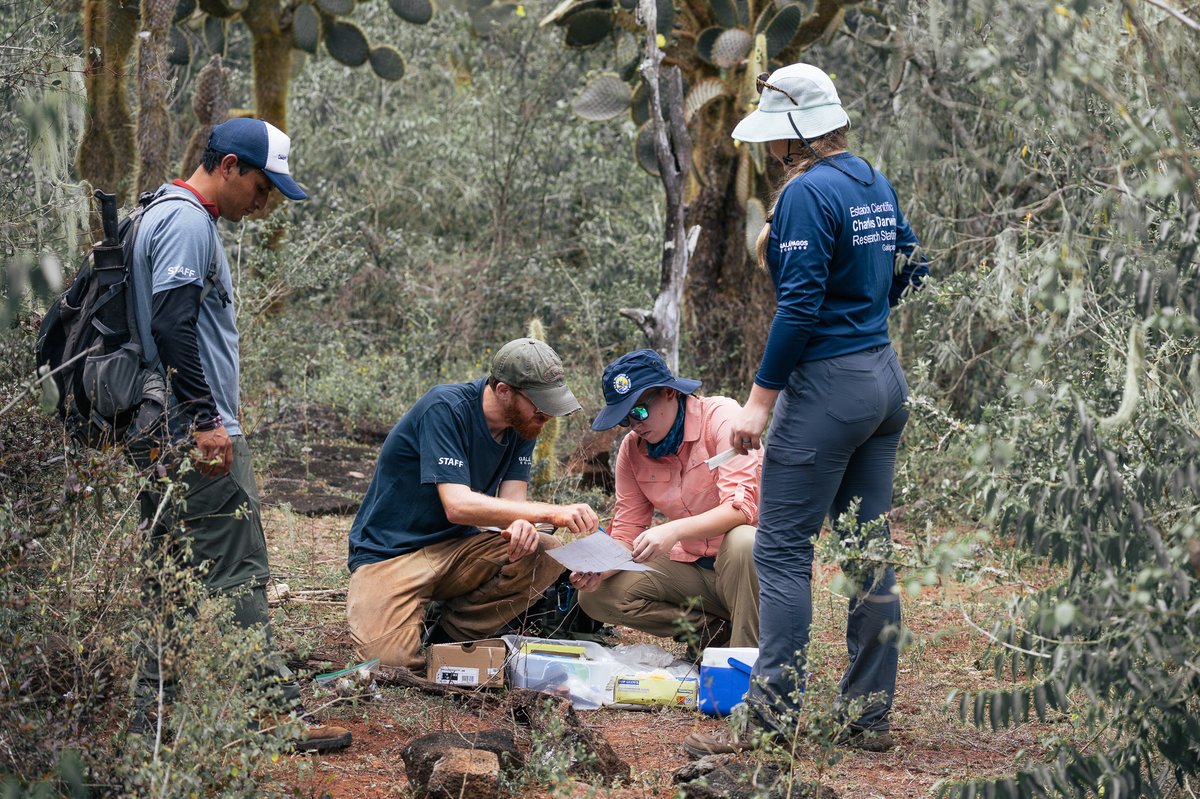
Meet CDF entemologist Karen Vera who talks about her work in the field and how it contributes to the restoration of Galapagos ecosystems.
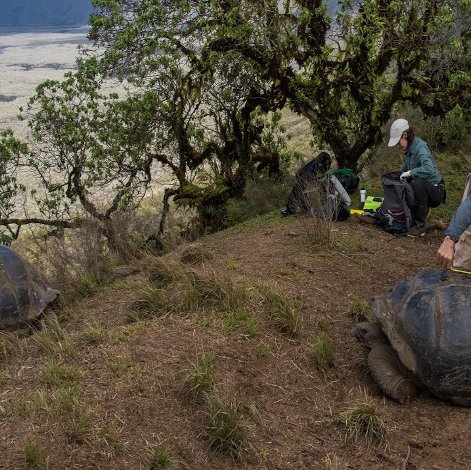
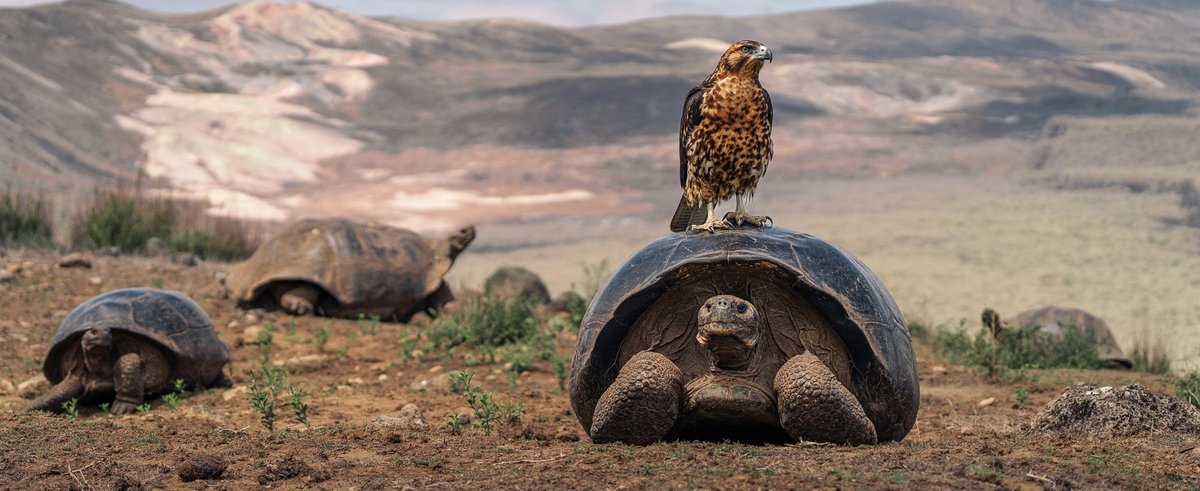
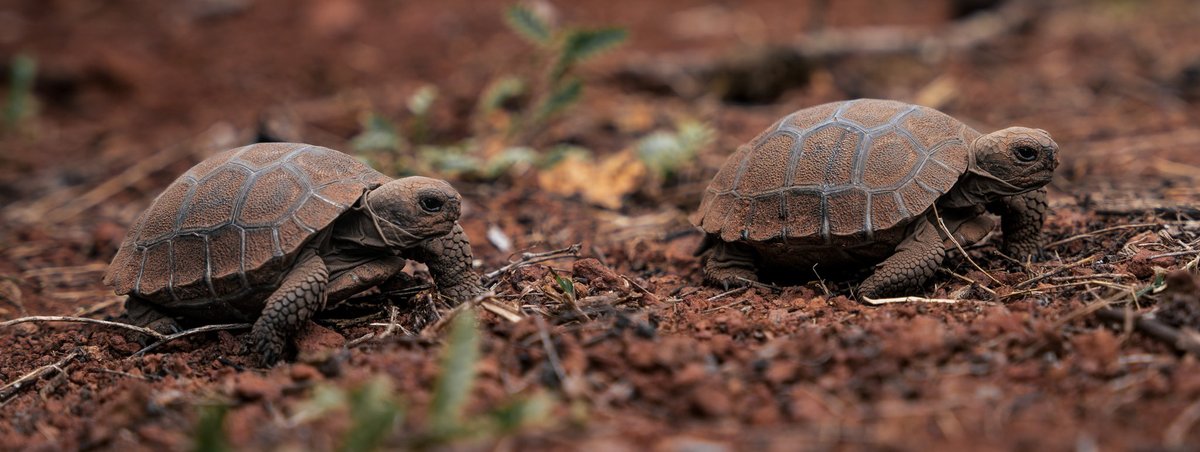
By adopting a Galapagos giant tortoise, you will contribute to our research and outreach activities related to various tortoise species. The Galapagos tortoises have become threatened largely due to habitat change and fragmentation, climate change, diseases, and introduced species. The Charles Darwin Foundation leads a multi-institutional project that aims to determine movement behavior, assess health, and describe the ecological role of tortoises in the Galapagos ecosystems.
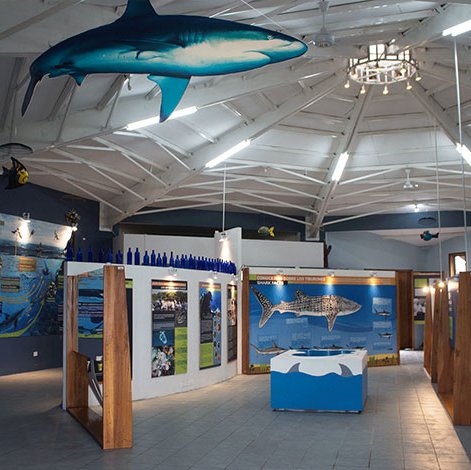
Important feeding and nesting sites for the endangered East Pacific green turtle in Galapagos are increasingly threatened by tourism, marine traffic and climate change. Our research is helping to identify the key areas where sea turtles are most vulnerable, and to develop solutions to protect them in the long term.
Ecologically, the ocean is one interconnected system. Yet international law has divided it into arbitrary maritime zones based on geopolitical interests. Our research seeks to improve transnational ocean governance and conservation outcomes in the Eastern Tropical Pacific, through collaboration with scientists, academics, practitioners, and decision-makers.
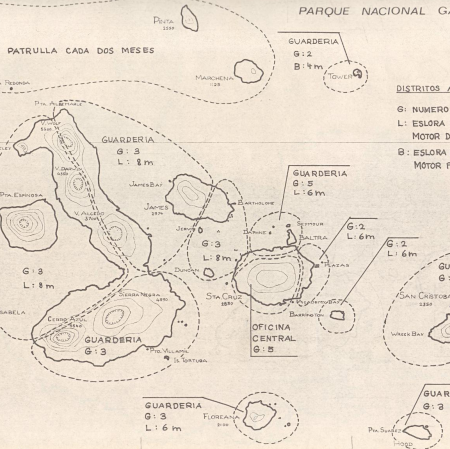
The 1973 Master Plan for the Protection and Use of Galapagos National Park was the first comprehensive planning framework for managing the archipelago. It introduced zoning, strengthened scientific research, and formalized collaboration with the Charles Darwin Research Station, laying the foundations for modern conservation in the Galapagos Islands.