Results
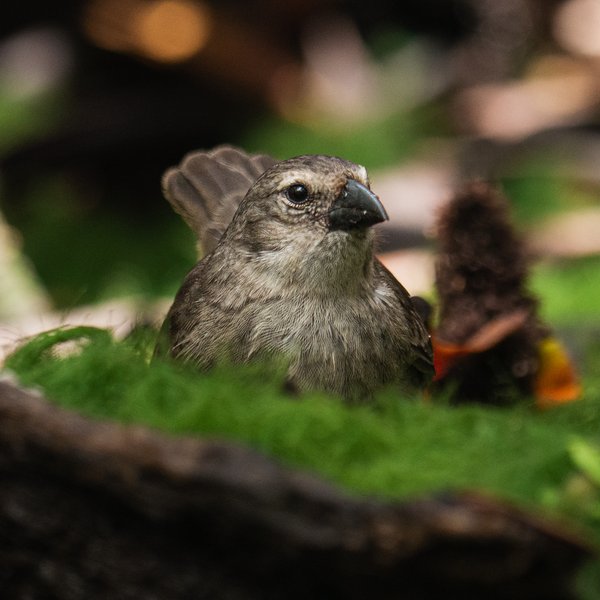
Scientists in Galápagos have recorded the most successful breeding season ever for the critically endangered Mangrove Finch, one of the world’s rarest birds. Discover how years of conservation work, innovative nest-protection strategies, and collaboration are offering new hope for this species’ survival in the remote mangrove forests of Isabela Island.
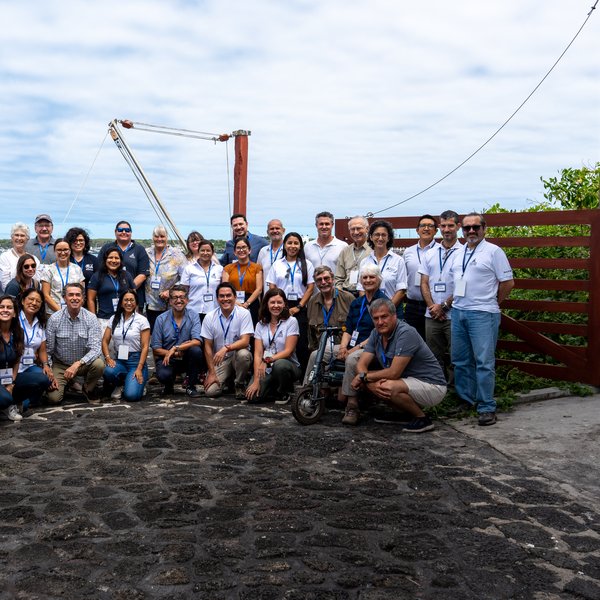
The Charles Darwin Foundation’s 2025 Impact Report highlights a year of scientific discoveries, conservation milestones, ecological restoration, and institutional growth across Galápagos. From species recoveries to new research infrastructure and large-scale restoration efforts, discover how science, collaboration, and local capacity are shaping a more resilient future for the archipelago.
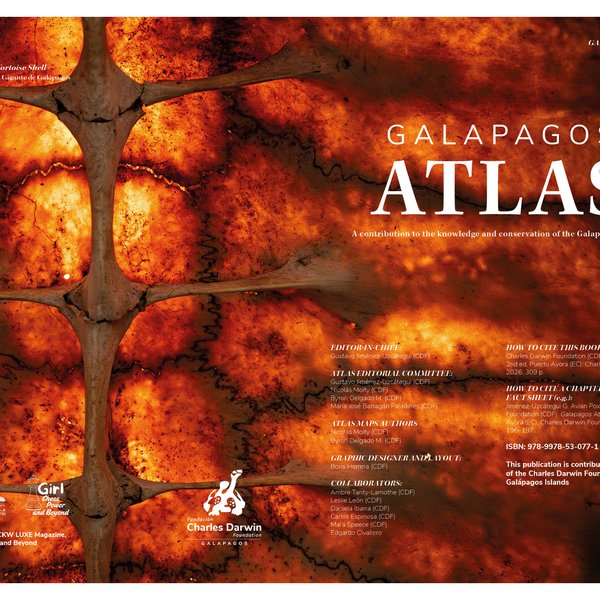
The new Galápagos Atlas 2026 offers a 309-page look at 68 species and species groups, combining purpose-built distribution maps with something rarely found in a reference guide: a clear record of what scientists still don’t know. Free to explore online, it highlights critical knowledge gaps and invites future research to strengthen conservation.
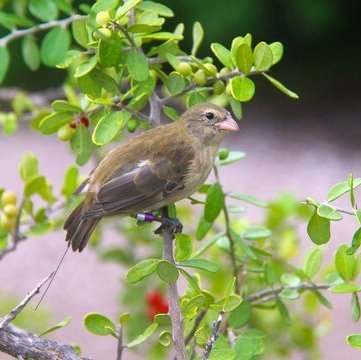
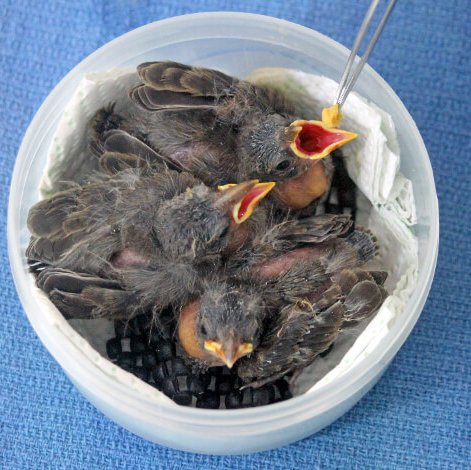
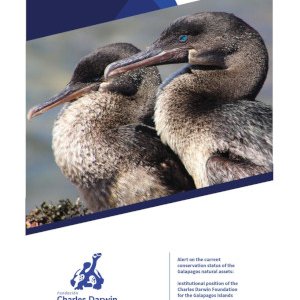
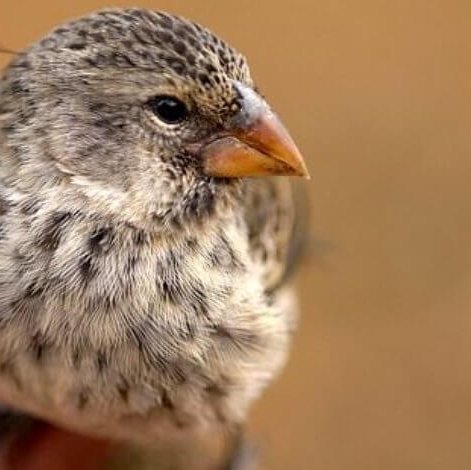
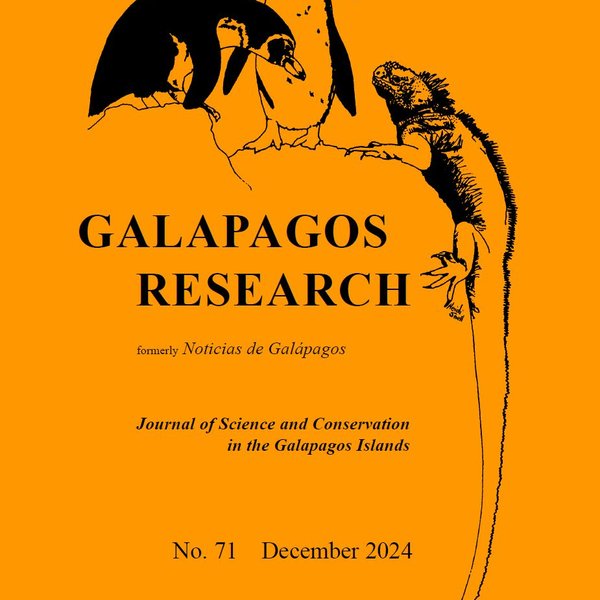
Galapagos Research (formerly Noticias de Galápagos) is the research journal of the Charles Darwin Foundation for the Galapagos Islands.
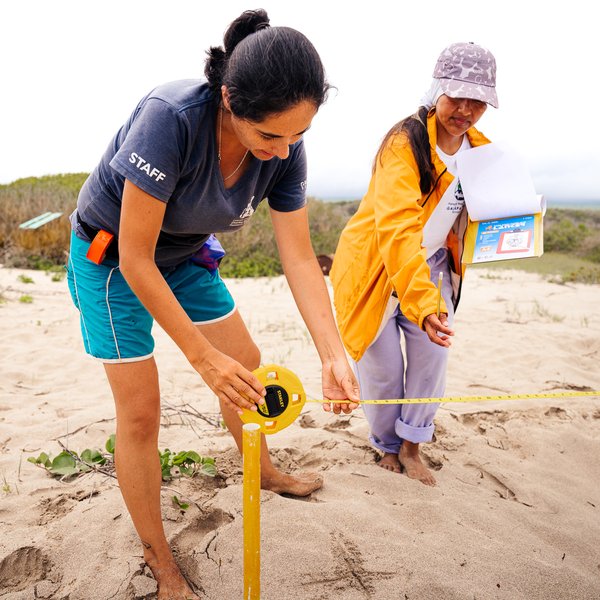
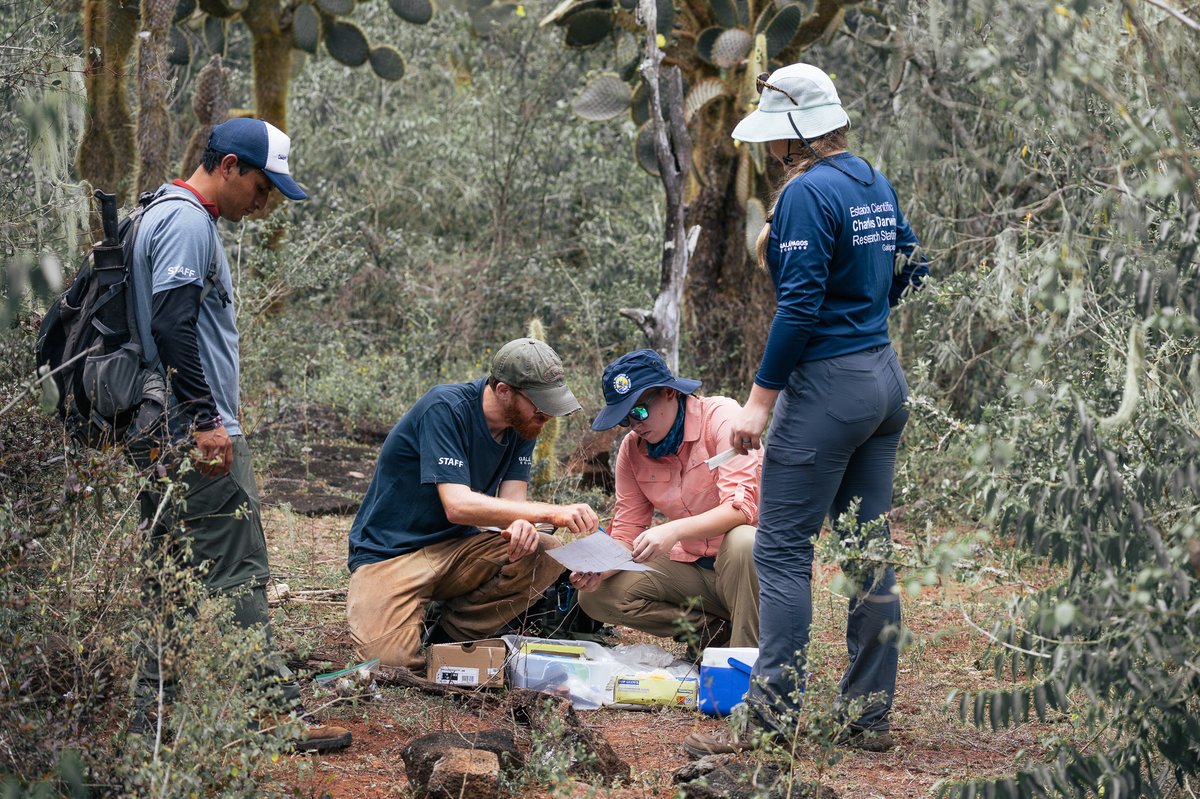
On February 11, we celebrate the International Day of Women and Girls in Science, a day to recognize the importance of strengthening female participation in science, especially in places like the Galapagos Islands. This archipelago, iconic for global conservation, has become a living laboratory where women and men work together to protect this unique ecosystem. The women of Galapagos, with their talent and dedication, demonstrate that conservation is stronger when everyone joins forces.
On February 11, we celebrate the International Day of Women and Girls in Science, a day to recognize the importance of strengthening female participation in science, especially in places like the Galapagos Islands. This archipelago, iconic for global conservation, has become a living laboratory where women and men work together to protect this unique ecosystem. The women of Galapagos, with their talent and dedication, demonstrate that conservation is stronger when everyone joins forces.
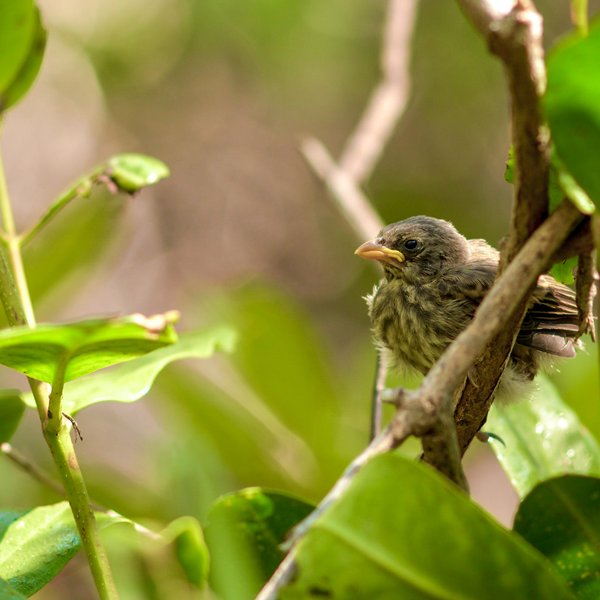
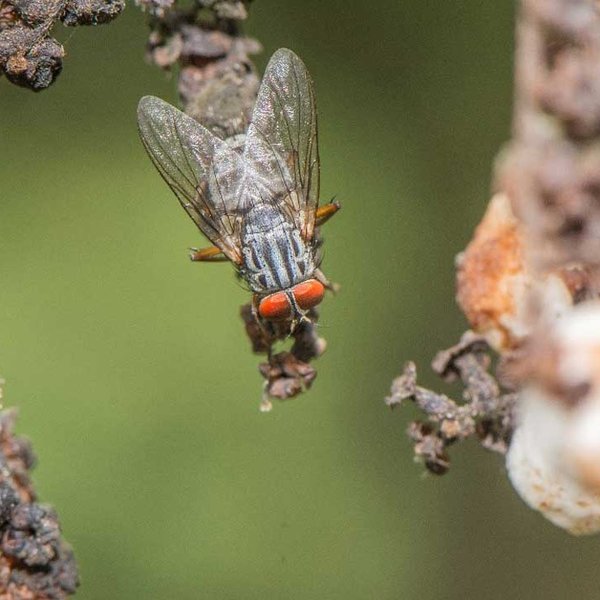
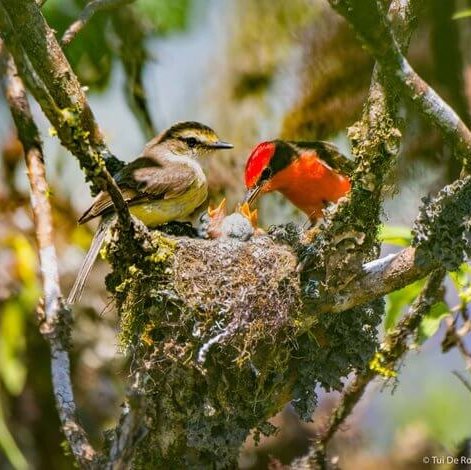
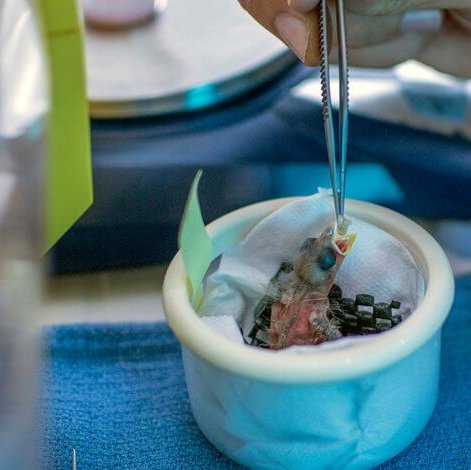
Scientists in Galápagos are tracing the origin of the invasive avian vampire fly to find a safe, long-term solution. This story follows a decade-long scientific journey into biological control—where patience, precaution, and nature itself may offer new hope for endemic birds on the brink.
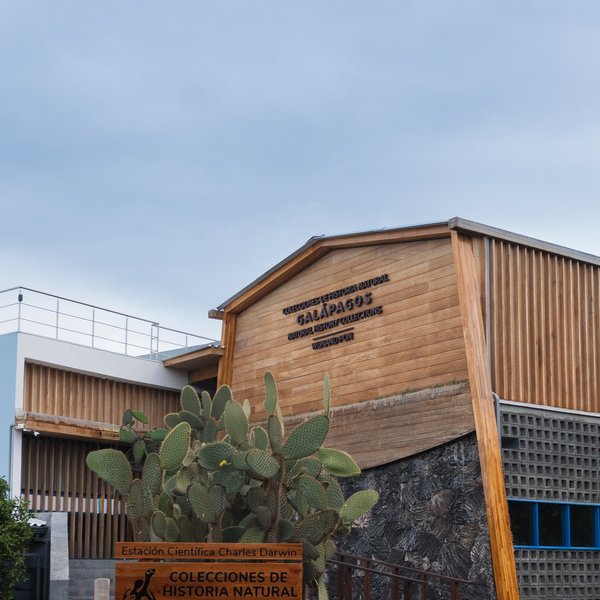
For the first time, the Charles Darwin Foundation opens Galápagos’ largest scientific collections to the public. Housing over 137,000 specimens, this new facility offers a rare glimpse into the science shaping conservation decisions and safeguarding one of the planet’s most extraordinary ecosystems.
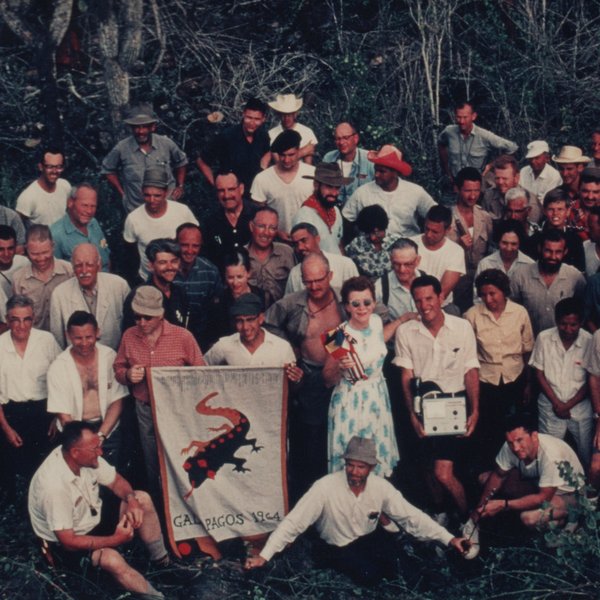
Discover the Charles Darwin Foundation, established in 1959 to protect the Galapagos Islands' fragile ecosystem. As the oldest and largest science and conservation organization in the archipelago, our Research Station leads efforts to preserve this unique environment through groundbreaking research and conservation milestones.
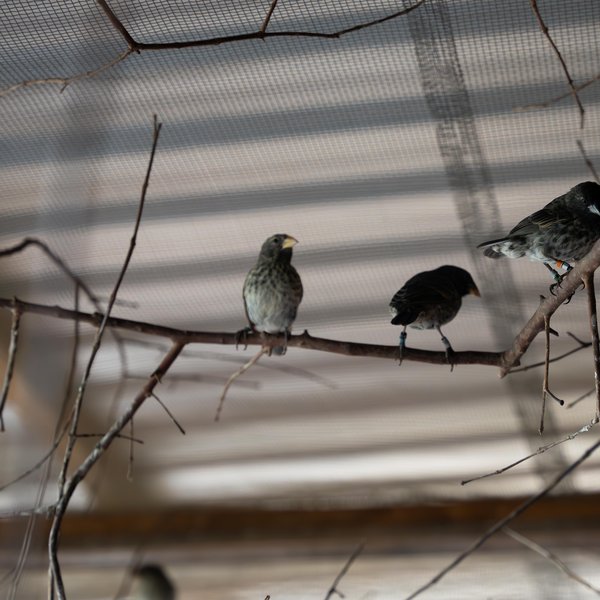
Behind the Floreana Finches "Flight Home": Q&A with biologist Professor Sonia Kleindorfer