Results
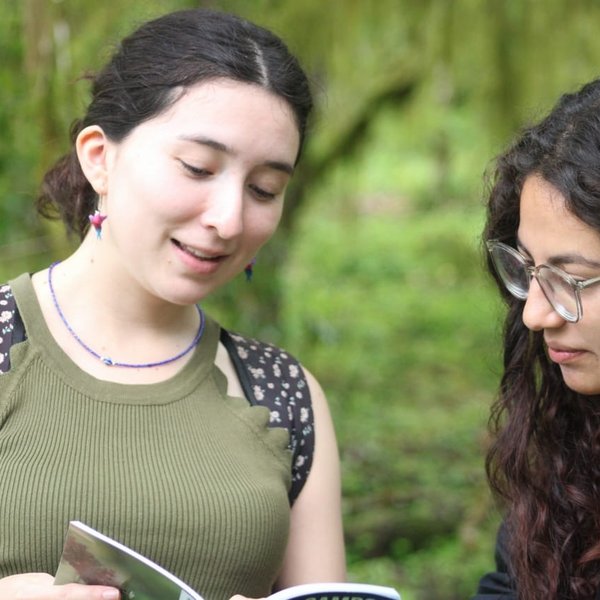
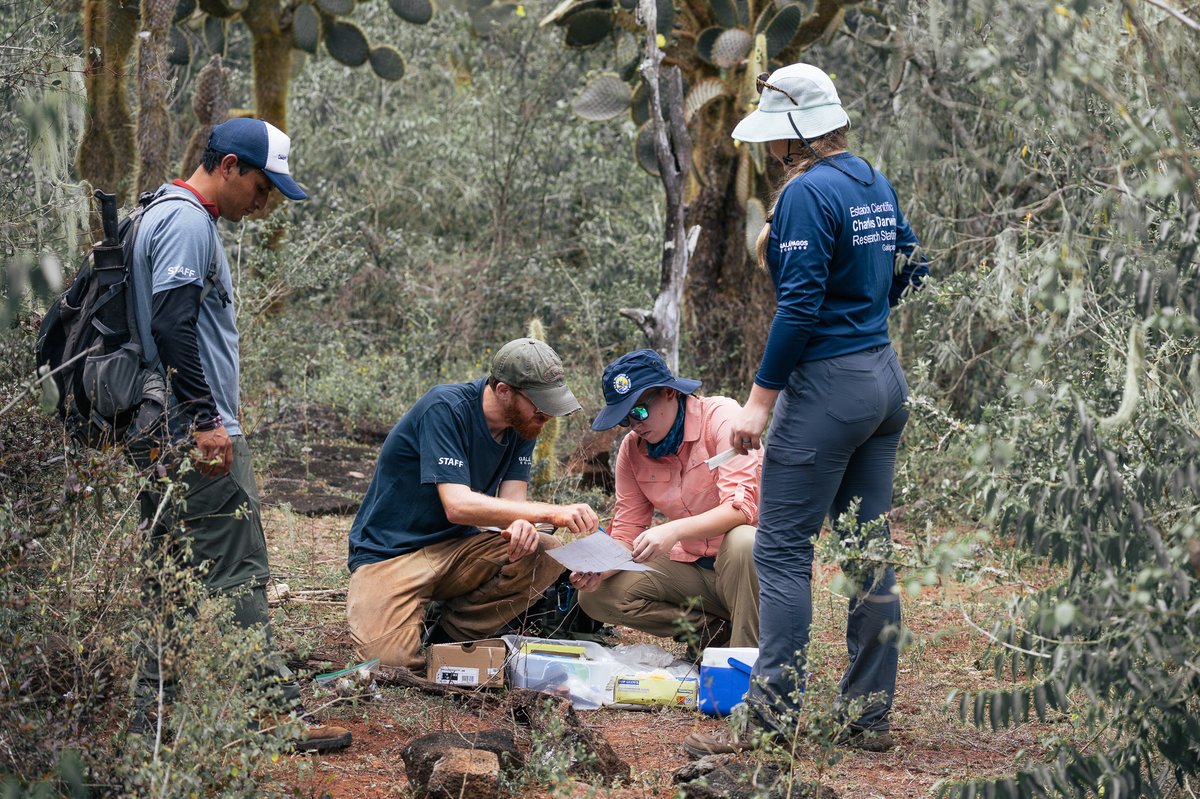
Today, I find myself here, by the sea, writing about my experience living on an island. It all started when I was searching for an opportunity, and I found a living dream instead: volunteering in the Galápagos. I applied to the Landbird Conservation Program of the Charles Darwin Foundation and had the privilege of becoming part of their team.Today, I find myself here, by the sea, writing about my experience living on an island. It all started when I was searching for an opportunity, and I found a living dream instead: volunteering in the Galápagos. I applied to the Landbird Conservation Program of the Charles Darwin Foundation and had the privilege of becoming part of their team.
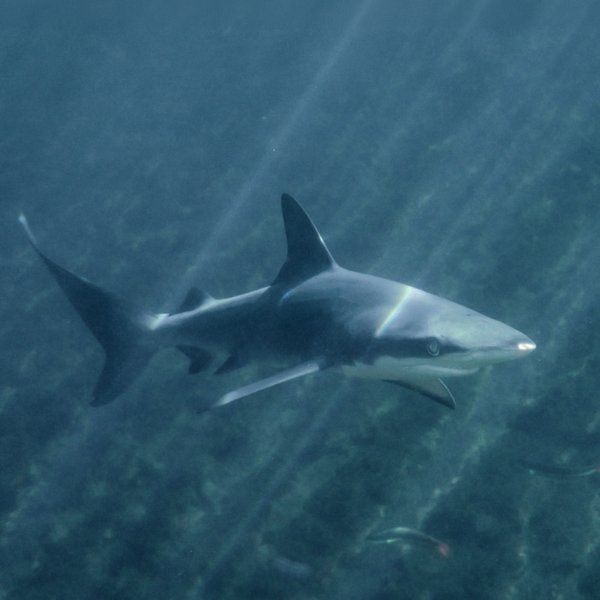
Galápagos sharks do not all behave the same. Hammerheads form large schools, whitetip reef sharks rest on reefs, tiger sharks repeatedly return to key feeding areas, and whale sharks undertake long migrations. Understanding these different behaviors helps protect critical habitats, migration routes, and supports more effective conservation strategies for each species.

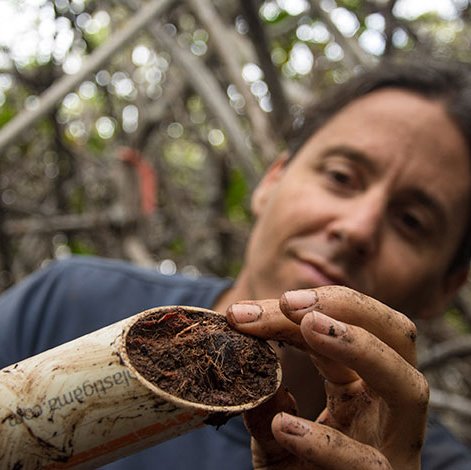
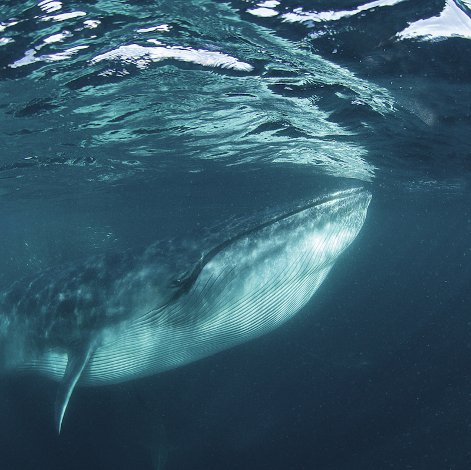
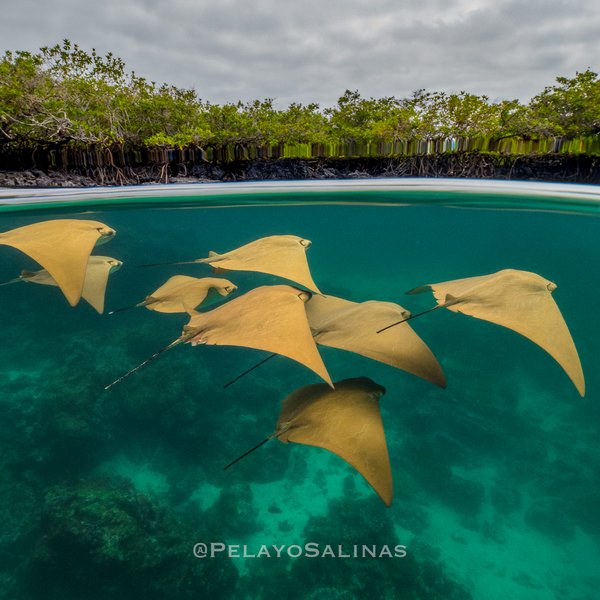
A recent study published in the prestigious scientific journal Global Change Biology reveals that nearly a quarter of chondrichthyan species (cartilaginous fish including sharks, rays, and chimeras) in the Eastern Tropical Pacific (ETP) are highly vulnerable to climate change.
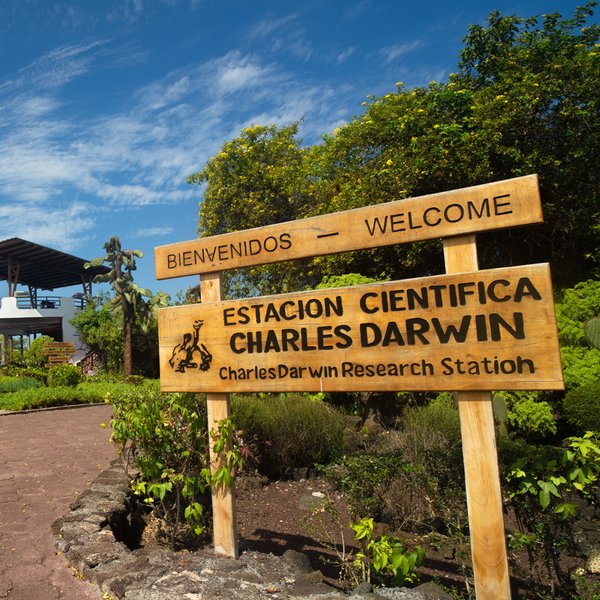
The Charles Darwin Research Station is open Monday-Sunday, from 08:00 to 18:00 (including public holidays). Come visit us in the heart of Galapagos!
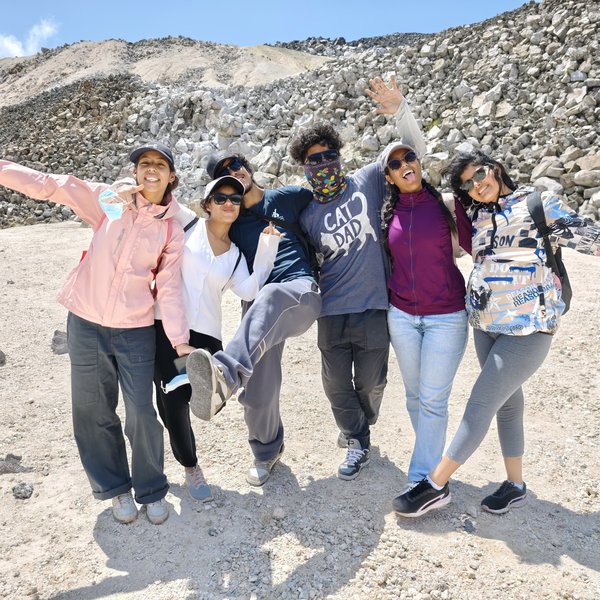
From shy “Shark-Strangers” to a united “Shark-Family,” the Charles Darwin Foundation Leaders Club is transforming young lives in Galápagos. Through leadership workshops, mentoring, adventures on Isabela Island, and unforgettable bonds, these youth are learning to believe in themselves and to protect their home. Discover their inspiring journey here.
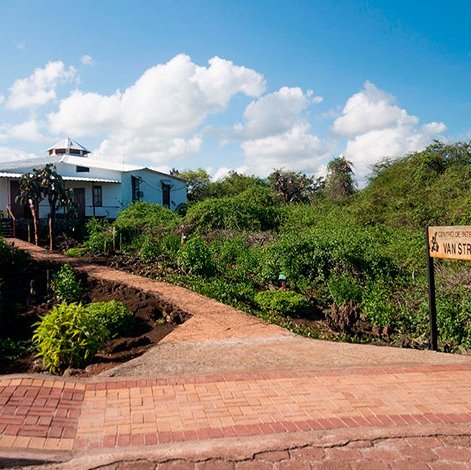

The G.T. Corley Smith Library at the Charles Darwin Foundation holds the world’s most comprehensive collection of publications on the Galápagos Islands. Its “Galápagos Collection” includes both scientific and grey literature, making it an invaluable resource for research and conservation. A digitization effort is underway to expand global access to this knowledge.
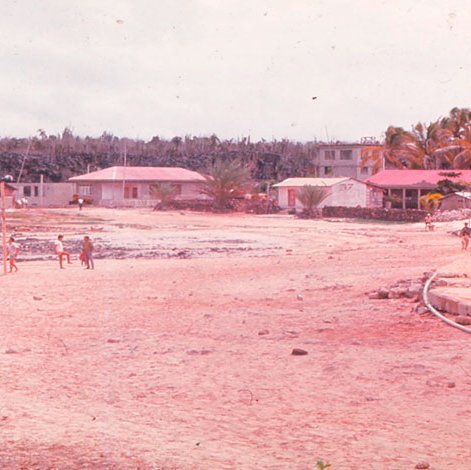
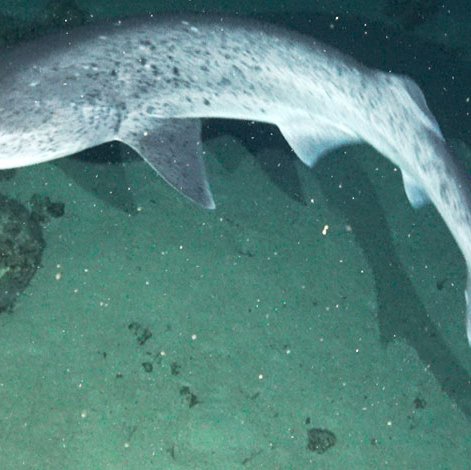
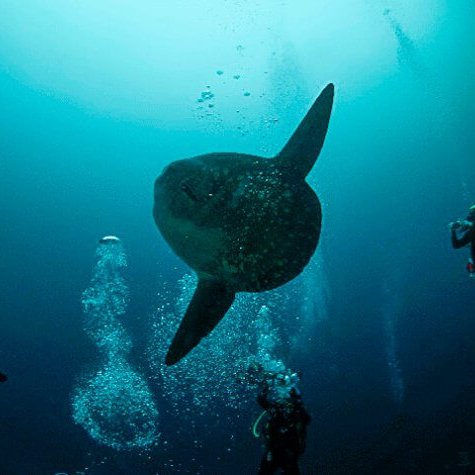
While diving in Galapagos, Erika De la Cruz encountered a hammerhead shark unlike any she’d seen before—one with a curved spine. What began as a routine dive turned into a groundbreaking scientific discovery. Read her story of wonder, resilience, and the power of observation beneath the waves.