Results
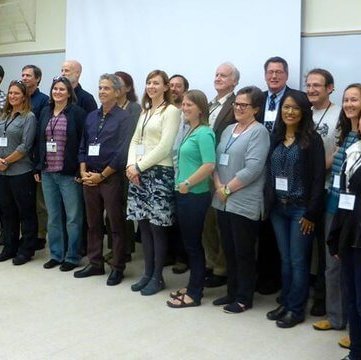
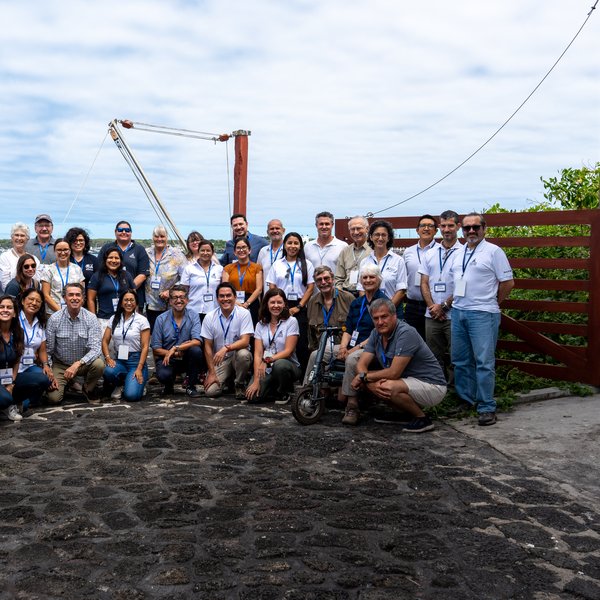
The Charles Darwin Foundation’s 2025 Impact Report highlights a year of scientific discoveries, conservation milestones, ecological restoration, and institutional growth across Galápagos. From species recoveries to new research infrastructure and large-scale restoration efforts, discover how science, collaboration, and local capacity are shaping a more resilient future for the archipelago.
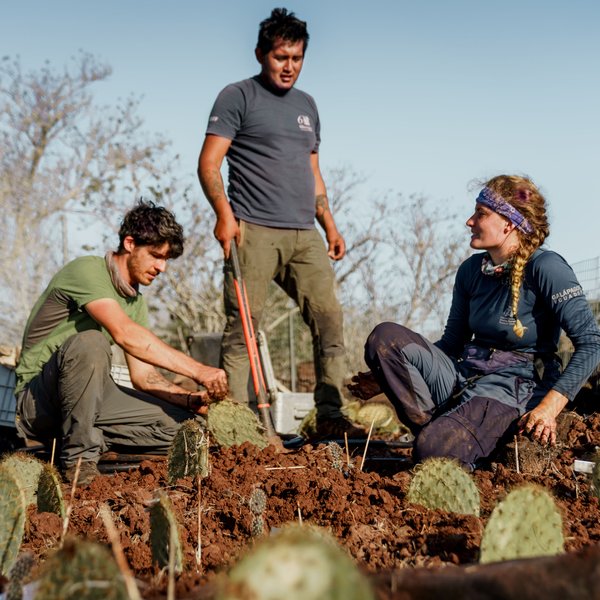
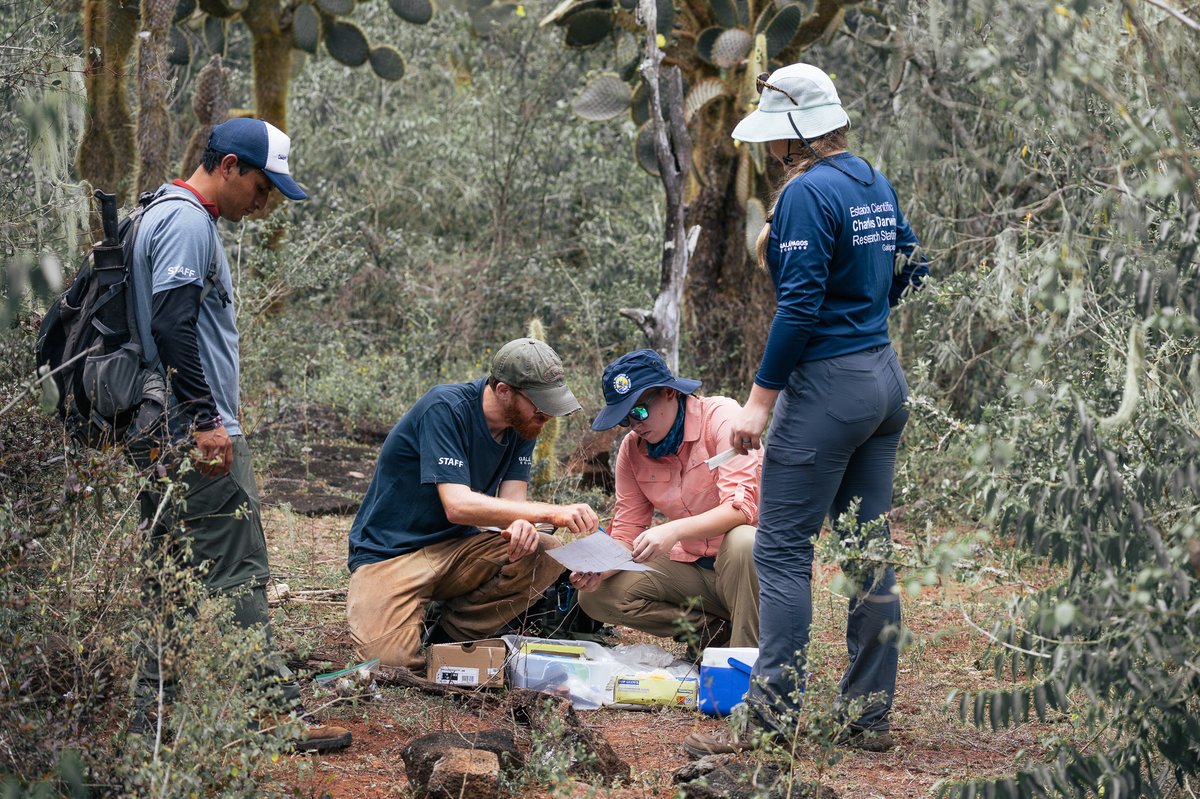
Every year since 1971 we have welcomed and trained volunteers from all over the world who are committed to the conservation of the Galapagos Islands. Volunteers are a vital part of what makes the Charles Darwin Foundation such a special place to be.
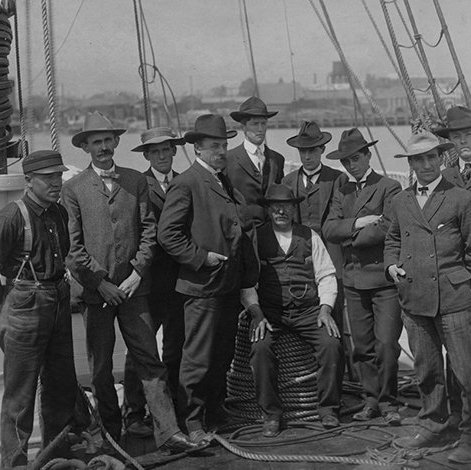
The 1905–1906 expedition of the California Academy of Sciences, led by Rollo Howard Beck, introduced a systematic approach to studying the Galápagos. By documenting specimen origins, it revealed variation among islands, established the archipelago as a natural laboratory of evolution, and laid foundations for ongoing research and conservation.
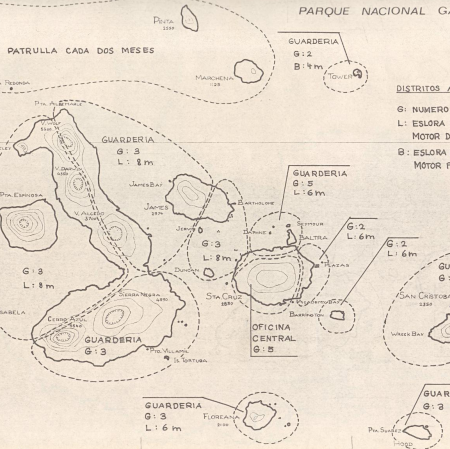
The 1973 Master Plan for the Protection and Use of Galapagos National Park was the first comprehensive planning framework for managing the archipelago. It introduced zoning, strengthened scientific research, and formalized collaboration with the Charles Darwin Research Station, laying the foundations for modern conservation in the Galapagos Islands.
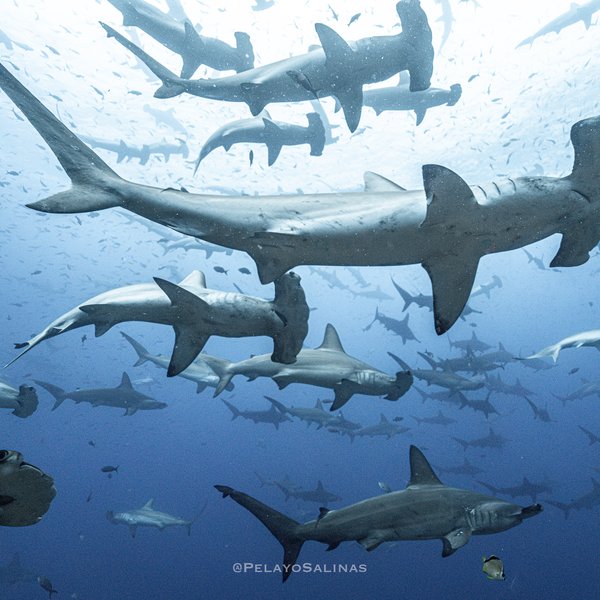
Sharks that migrate across oceans need global cooperation to survive. The Charles Darwin Foundation has joined the CMS Sharks Memorandum of Understanding as a Cooperating Partner, strengthening science-based conservation from Galápagos to the Eastern Tropical Pacific. Discover how this partnership advances research, policy, and collaboration to protect migratory sharks worldwide.