Results
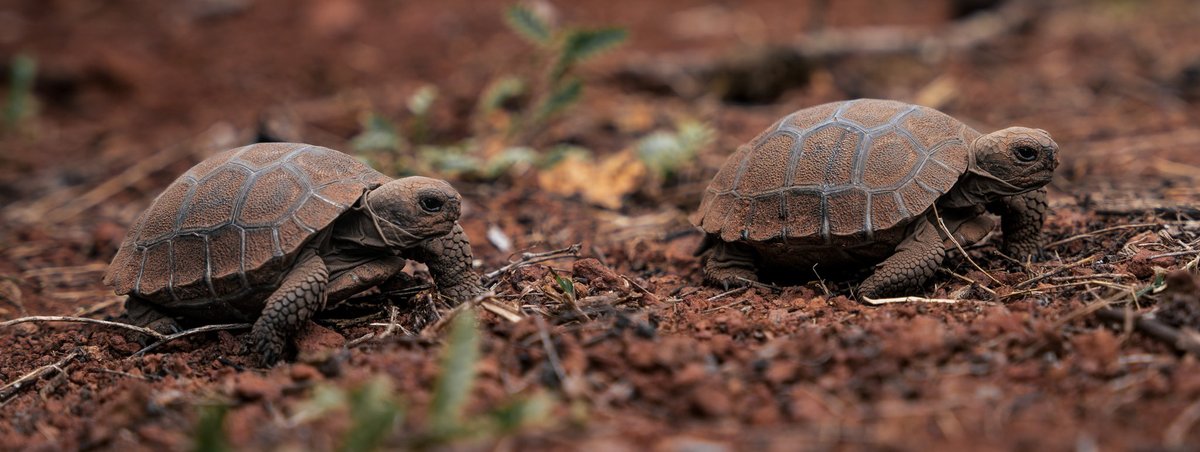
October 3, 2023, marks the beginning of the implementation phase of the Floreana Ecological Restoration Project, the largest and most ambitious restoration initiative currently underway in the Galapagos Islands.
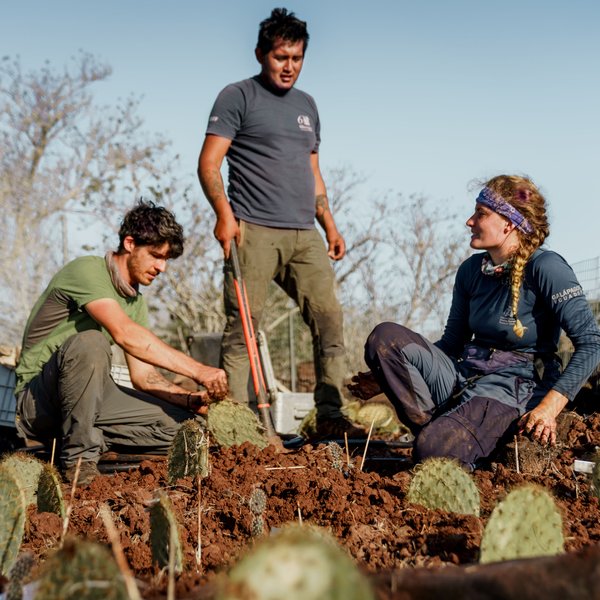
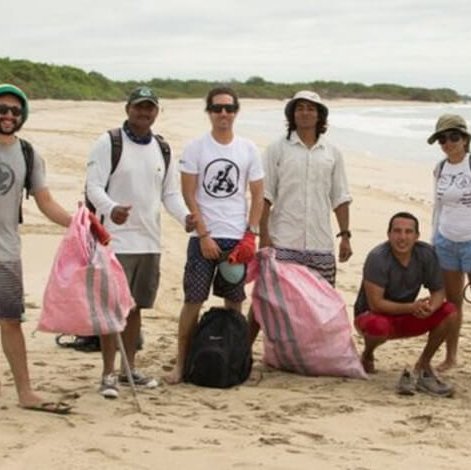
Every year since 1971 we have welcomed and trained volunteers from all over the world who are committed to the conservation of the Galapagos Islands. Volunteers are a vital part of what makes the Charles Darwin Foundation such a special place to be.
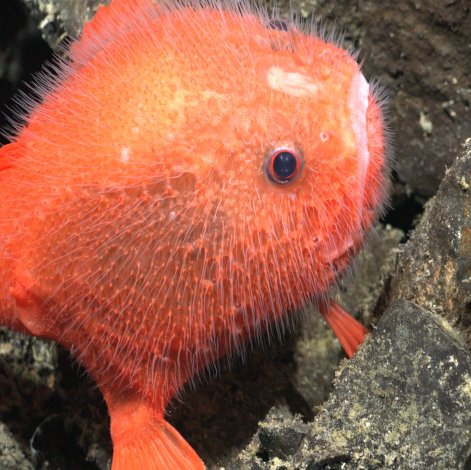
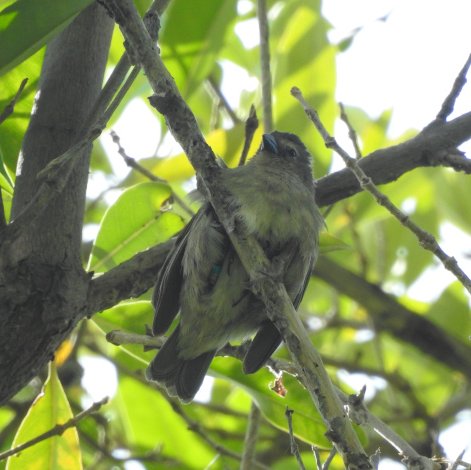
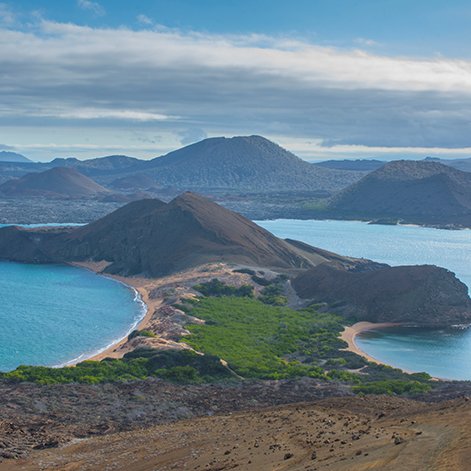
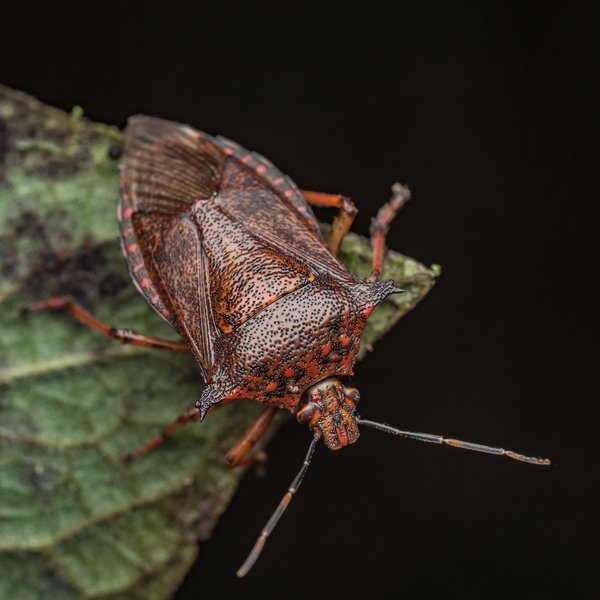
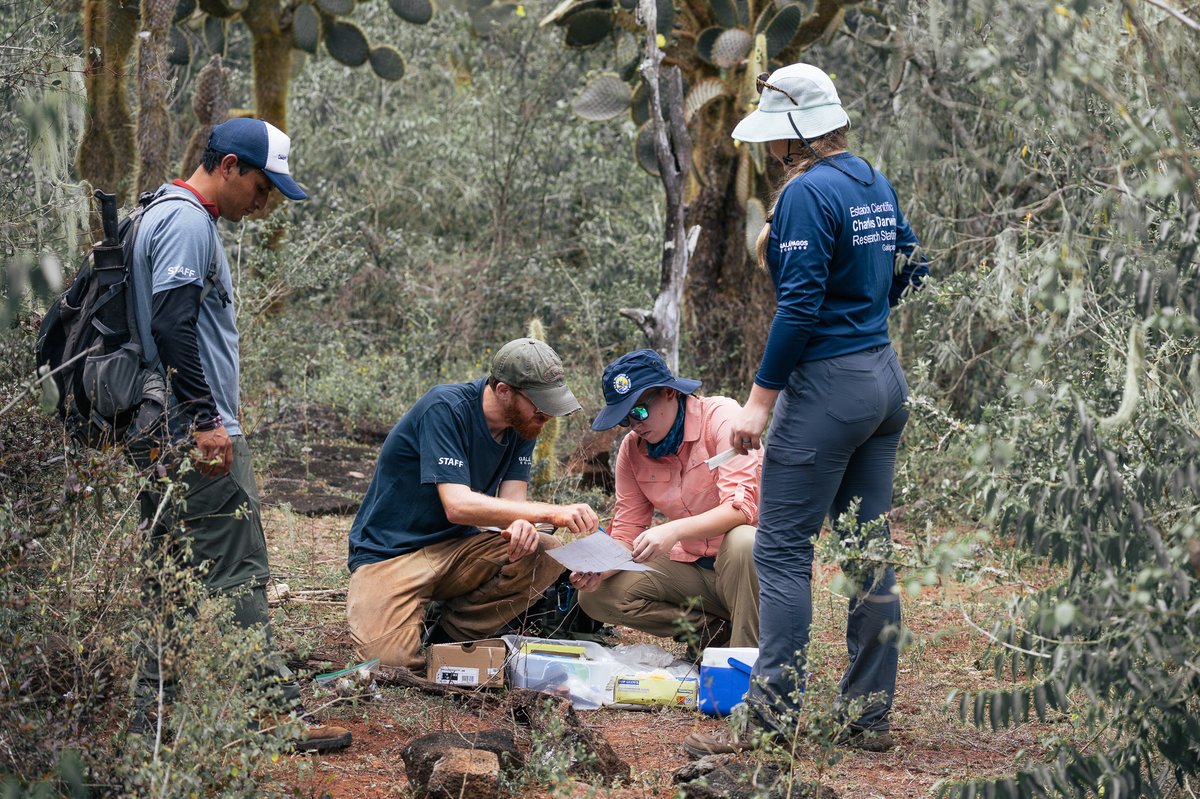
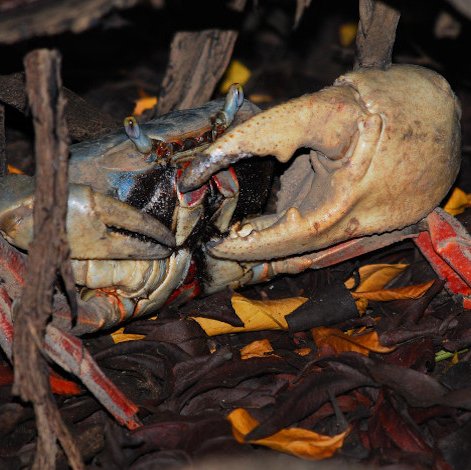
Ecological restoration requires a clear understanding of existing biodiversity. In 2022, the Charles Darwin Foundation (CDF) and the Galápagos National Park Directorate conducted the first baseline study of invertebrate communities on Floreana Island. Over 15,000 specimens were collected from both agricultural areas and National Park land.
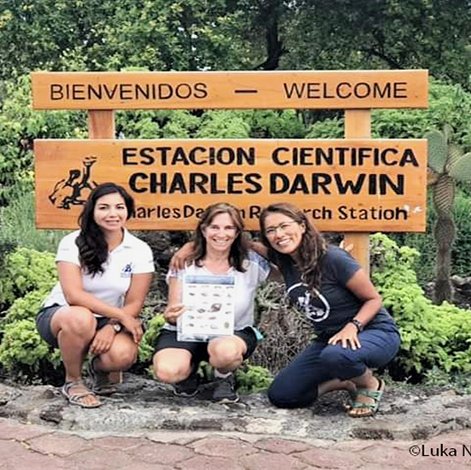
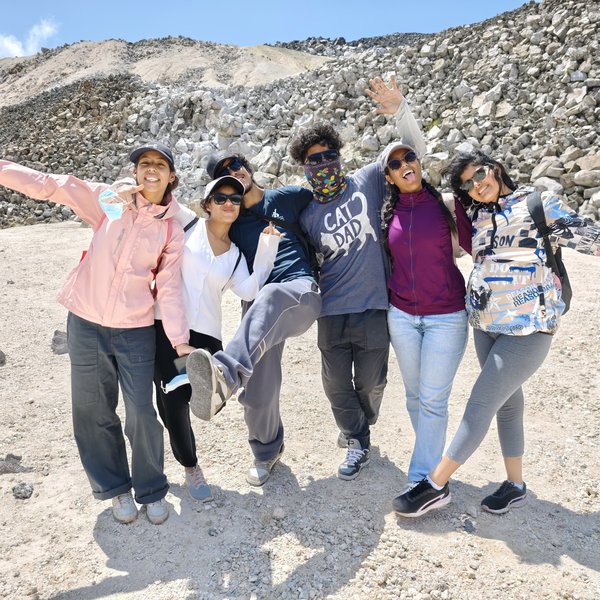
From shy “Shark-Strangers” to a united “Shark-Family,” the Charles Darwin Foundation Leaders Club is transforming young lives in Galápagos. Through leadership workshops, mentoring, adventures on Isabela Island, and unforgettable bonds, these youth are learning to believe in themselves and to protect their home. Discover their inspiring journey here.
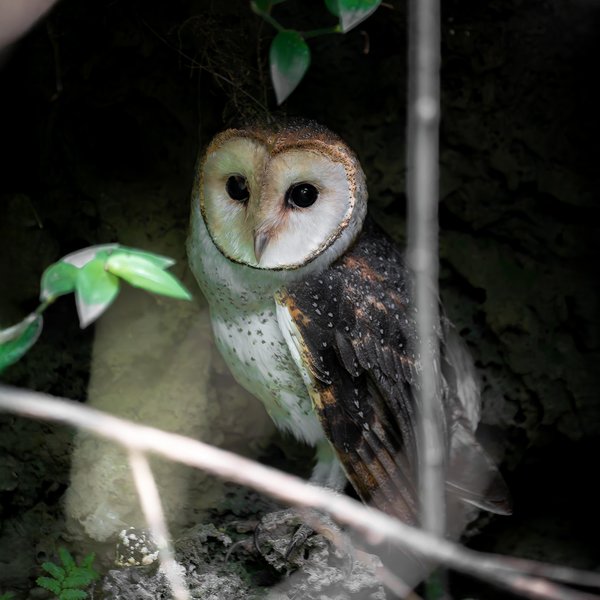
With a heart-shaped face and silent wings, the Galapagos barn owl is a quiet force of balance in the archipelago’s ecosystems. Endemic to the Islands, this elusive predator controls invasive rodent populations, supporting the survival of critically endangered species and ongoing ecological restoration. In the shadows of lava tunnels and forest canopies, it hunts with precision—and reminds us that even the smallest wings can carry the weight of conservation.
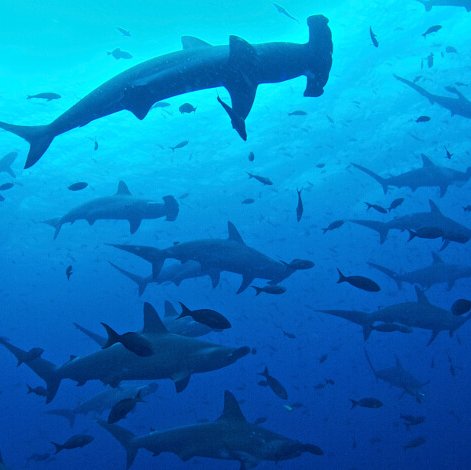
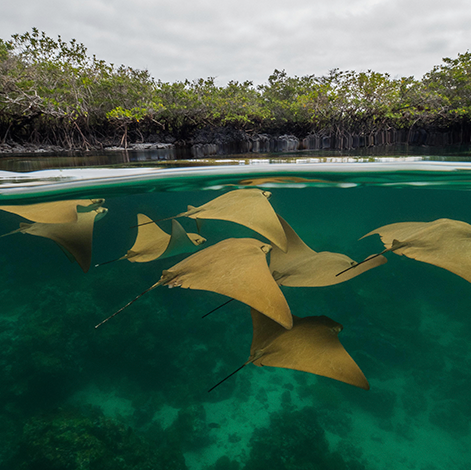
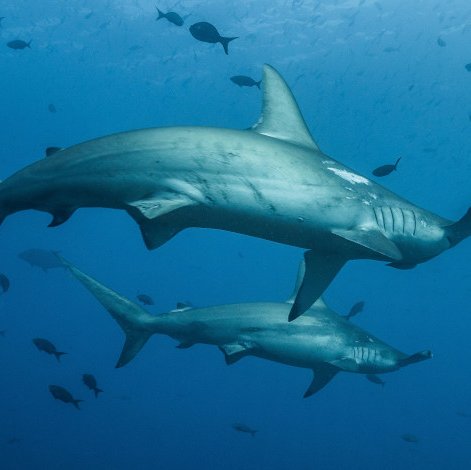
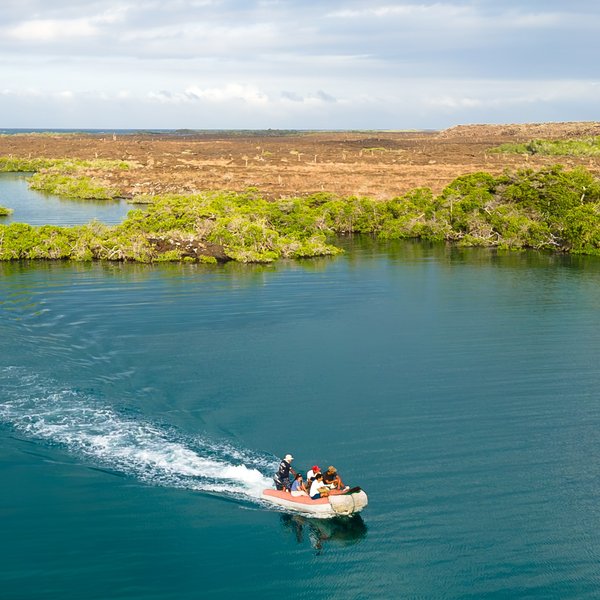
For more than 60 years, the research undertaken at the Charles Darwin Foundation has focused on furthering our understanding of the natural systems, their relationship with those living in the archipelago, and the intricate and relationship with those living in the archipelago, and the intricate and delicate balance between climate, mankind, and nature. Major research efforts have also focused on the prevention, control, and eradication of invasive species to maintain Galapagos as one of the best-conserved archipelagos in the world.
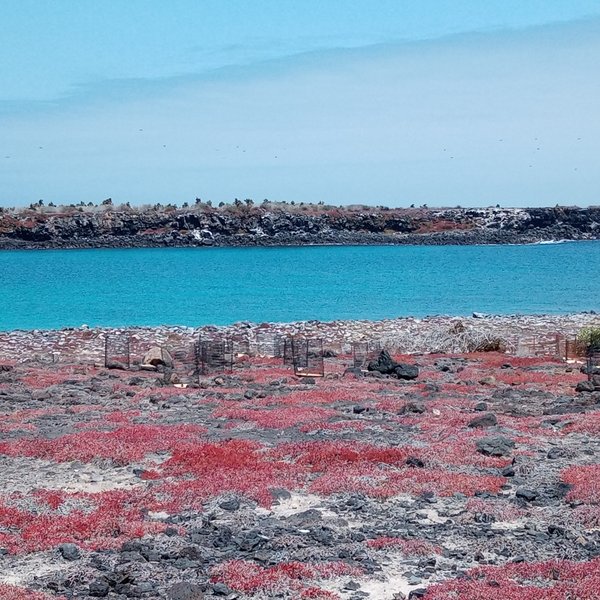
After nearly 70 years, the Opuntia echios cactus is naturally regenerating on Plaza Sur. This milestone marks a triumph for the Galápagos Verde 2050 program’s decade-long restoration efforts. Discover how science, teamwork, and innovation are helping revive a fragile island ecosystem—one cactus at a time. Read the full story.