Results

After 20 years, Nancy Tapia Paredes returned to the Galapagos, volunteering at the Community Library on Santa Cruz Island. Through storytelling and environmental education inspired by the UN's Sustainable Development Goals, she rediscovered her passion for conservation and found healing. Discover her story of second chances, growth, and a renewed purpose in protecting this extraordinary place.
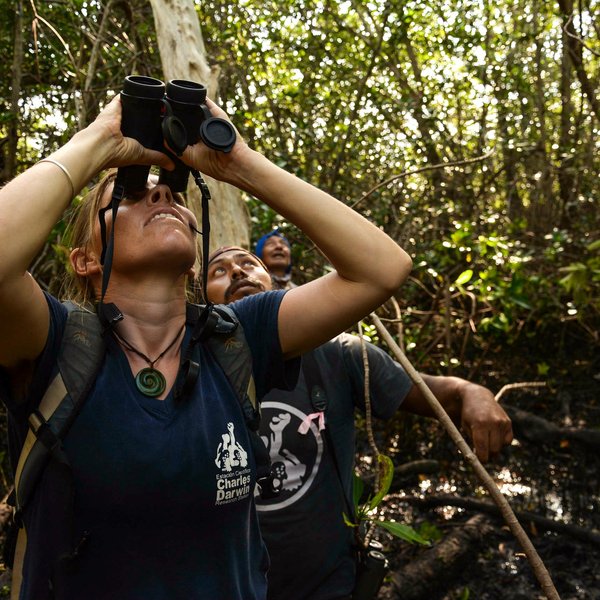
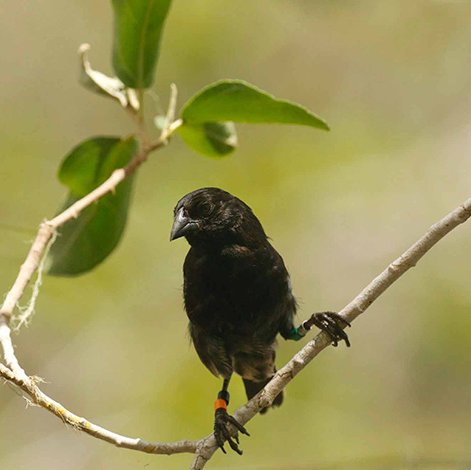
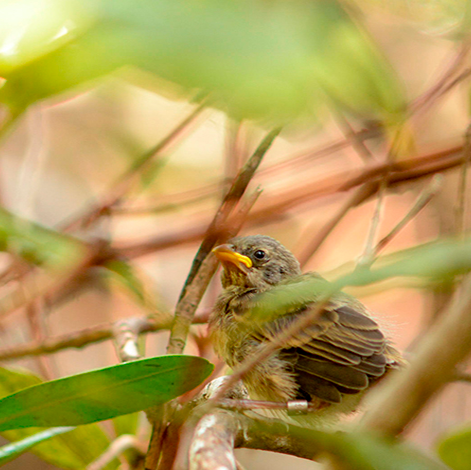
It is estimated that 20% of the populations of small landbirds found on the Galapagos Islands are declining or have gone locally extinct. Our scientists work to ensure the long-term conservation of small Galapagos landbird populations for the health of the islands’ ecosystems at large.

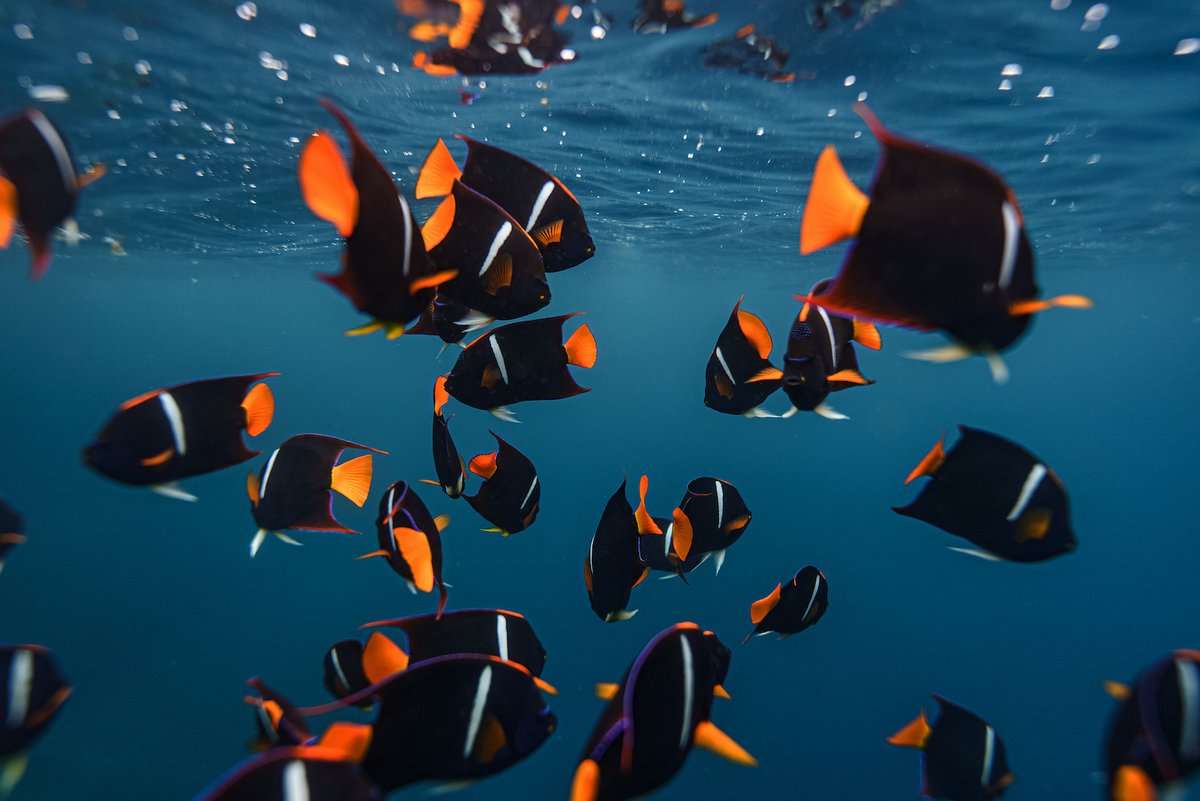
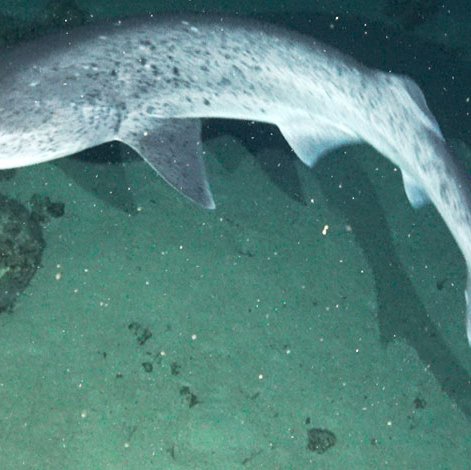
While diving in Galapagos, Erika De la Cruz encountered a hammerhead shark unlike any she’d seen before—one with a curved spine. What began as a routine dive turned into a groundbreaking scientific discovery. Read her story of wonder, resilience, and the power of observation beneath the waves.
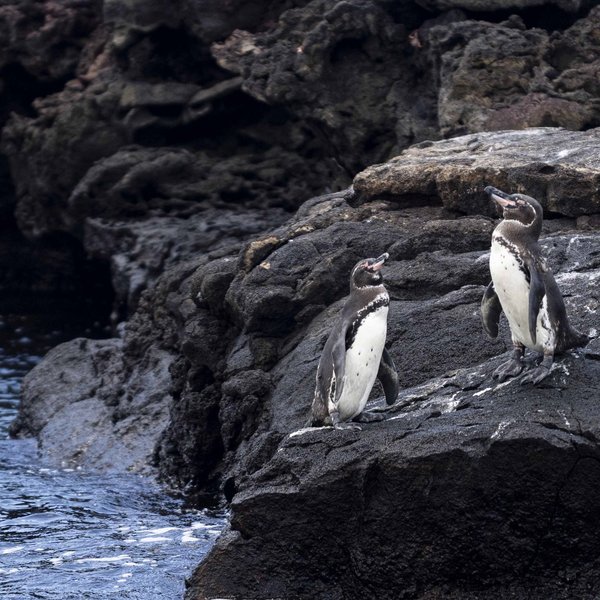
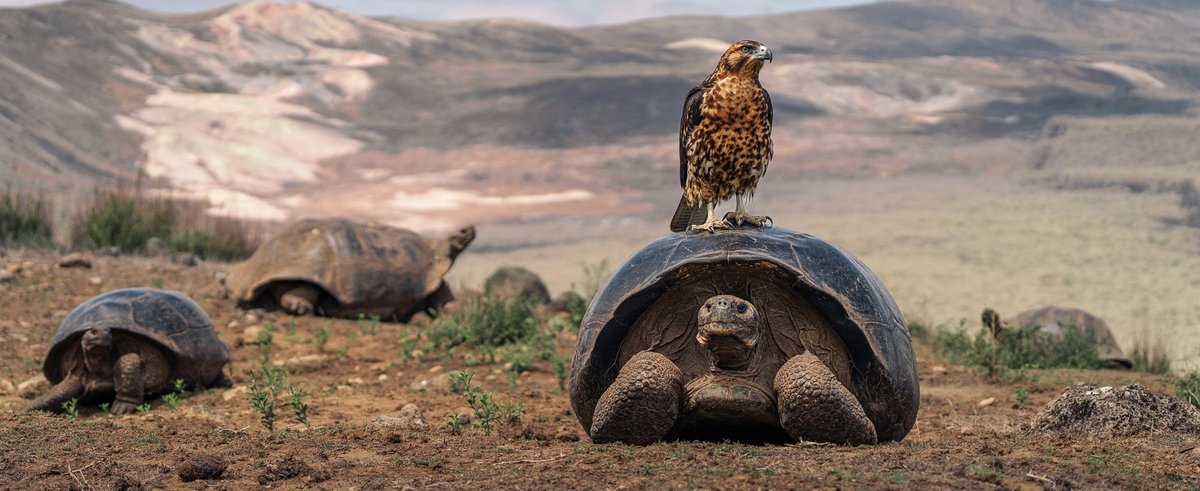
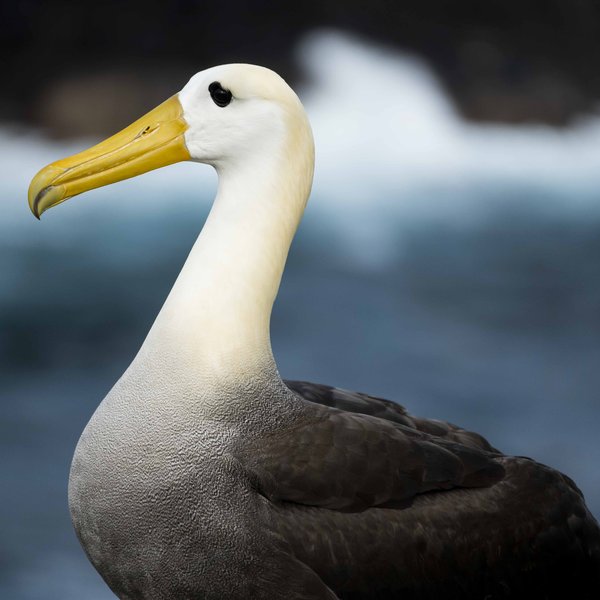
Galapagos penguins, flightless cormorants, waved albatross, and flamingos are among the most iconic birds in Galapagos. Yet, these sentinel species are all classified as threatened on the International Union for Conservation of Nature’s Red List, and face continued risk of population decline.
Embarking on a trip to the Galapagos Islands is an unforgettable experience, but packing for it requires some special consideration. To help you prepare, the researchers at the Charles Darwin Foundation have curated the ultimate packing list.


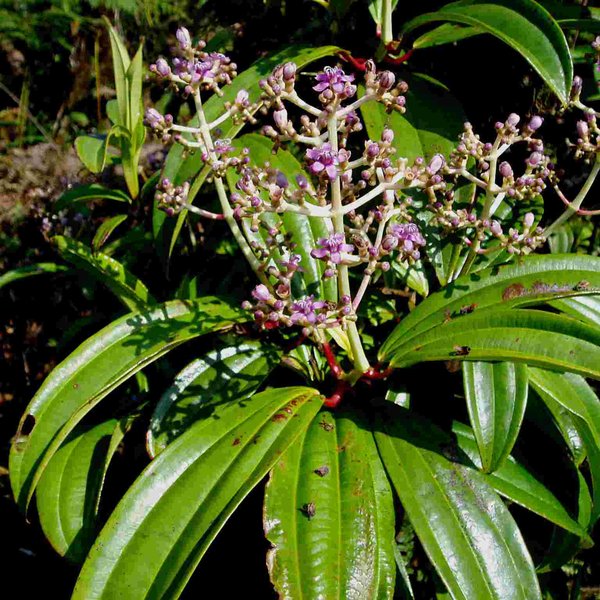
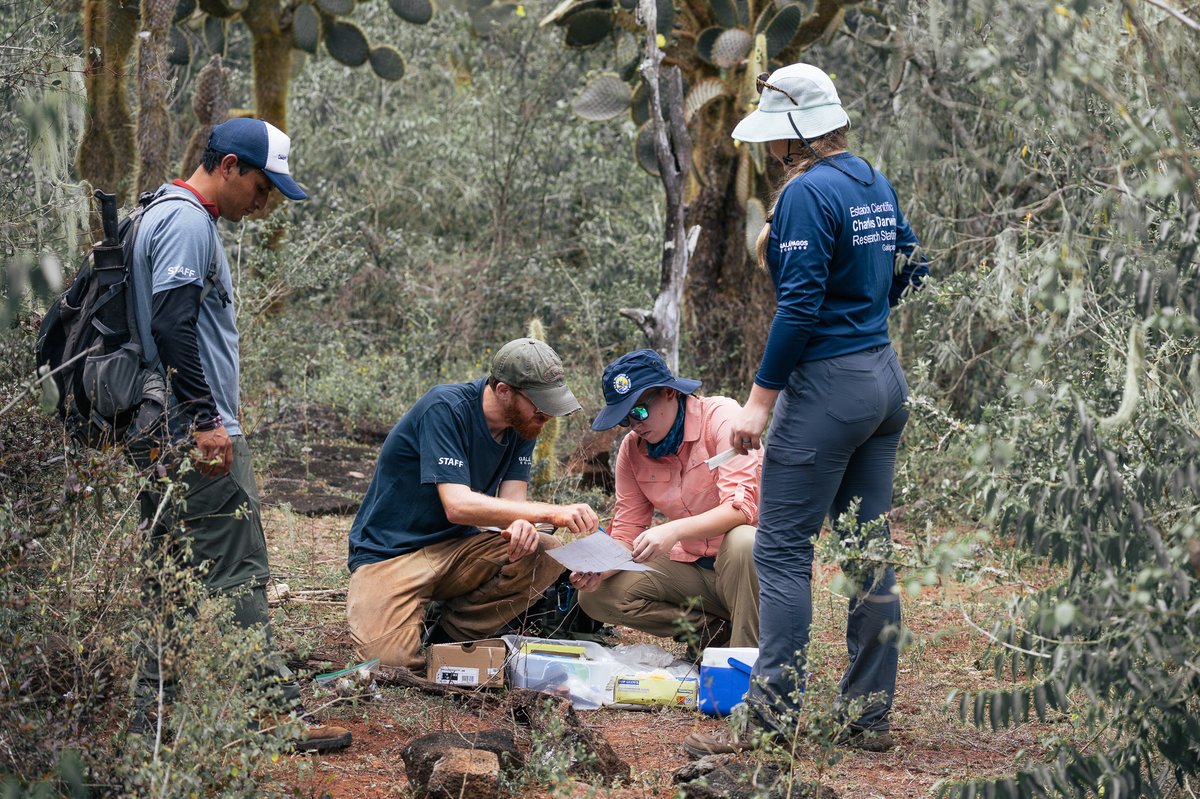
For 26 years, scientists have returned to the misty highlands of Santa Cruz to track the impacts of the invasive quinine and of the management actions. The continuous control of invasive plants resulted in the remarkable recovery of endemic plant species, especially that of the iconic Miconia robinsoniana. This is the story of endurance, restoration, and how a long-term commitment can strengthen conservation actions to protect the Galapagos ecosystems.
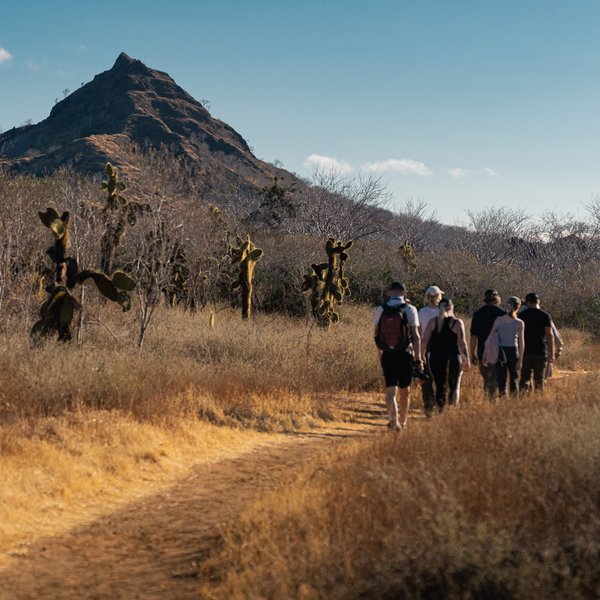
While the Galapagos Islands remain one of the best-conserved destinations in the world, they are faced with numerous challenges that are derived from growth in tourism and local population. The Charles Darwin Foundation is investigating how sustainable practices across multiple sectors such as urban planning and energy can mitigate these impacts while enhancing local community well-being through the health of the islands' socio-ecosystems.