Results


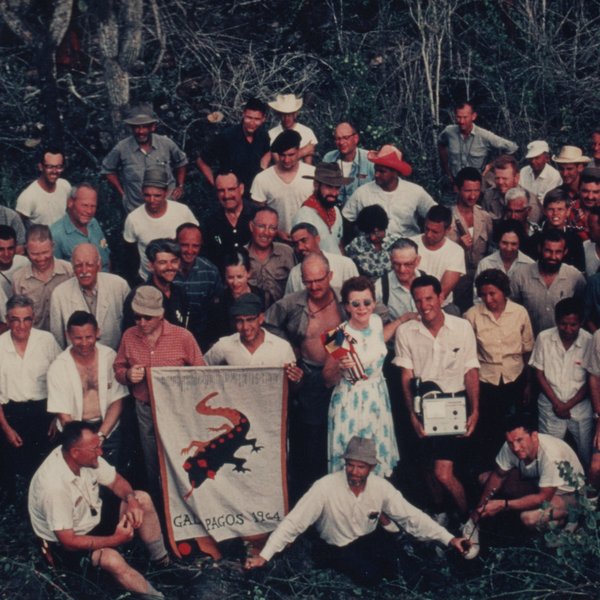
Discover the Charles Darwin Foundation, established in 1959 to protect the Galapagos Islands' fragile ecosystem. As the oldest and largest science and conservation organization in the archipelago, our Research Station leads efforts to preserve this unique environment through groundbreaking research and conservation milestones.
Together, we can ensure that the Galapagos Islands remain a beacon of biodiversity and scientific inspiration. Donate today!
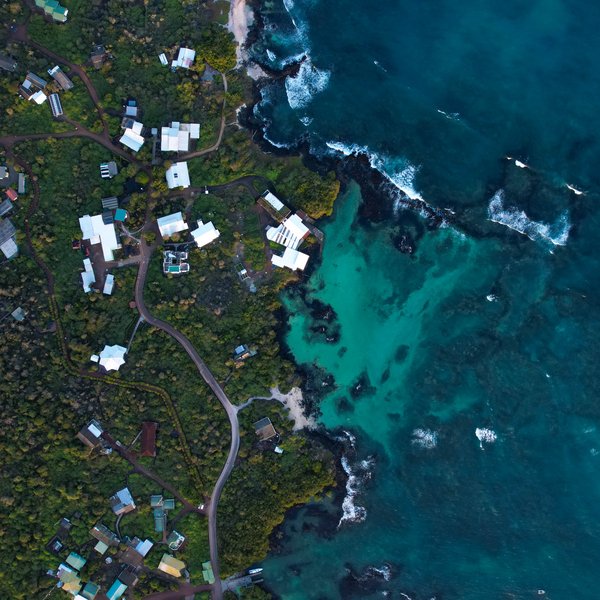
Discover the mission, vision, and impact of the Charles Darwin Foundation. Dedicated to preserving the Galapagos Islands through groundbreaking scientific research and conservation initiatives since 1964.
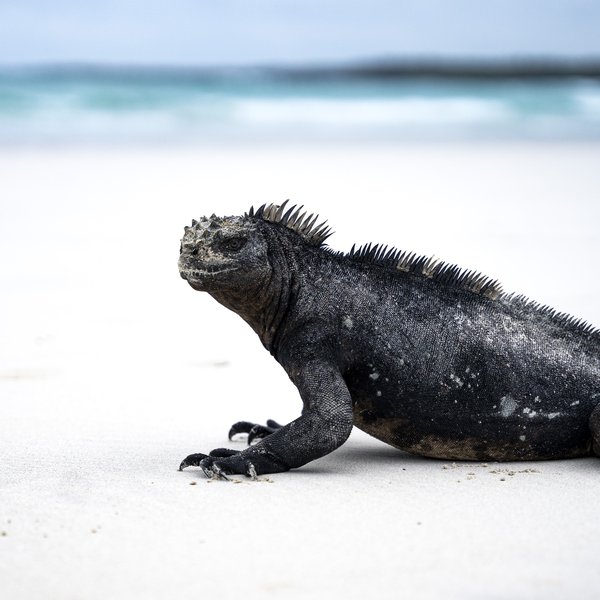
Donate to the Charles Darwin Foundation today and help us protect the Galapagos Islands for generations to come. Your donation is essential in helping us protect this unique biodiversity hotspot and continue our critical work to preserve the natural wonders of the Galapagos.
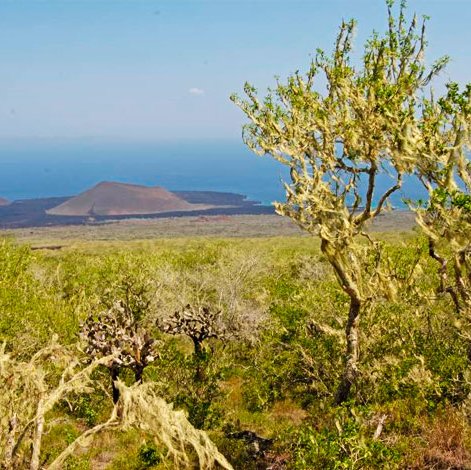
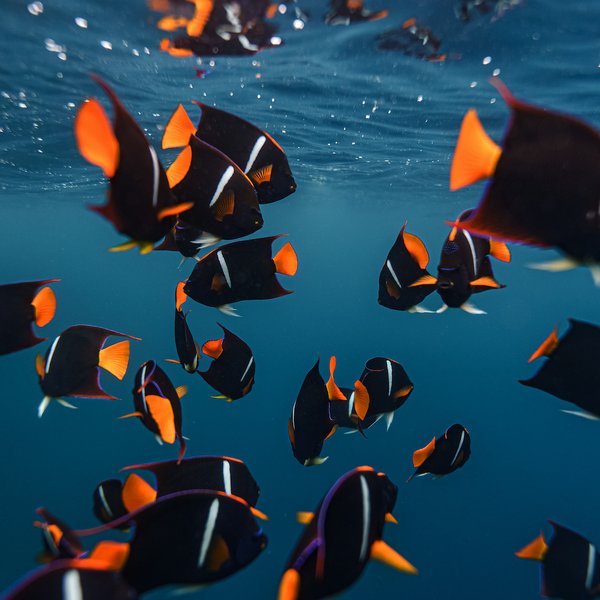
Support Galapagos conservation from the US, Switzerland, the Netherlands, Japan, Canada or Germany through independent Friends of Galapagos organisations.
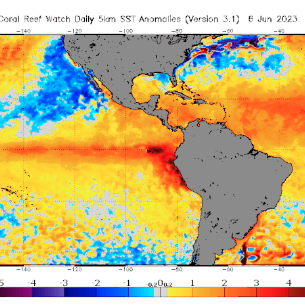
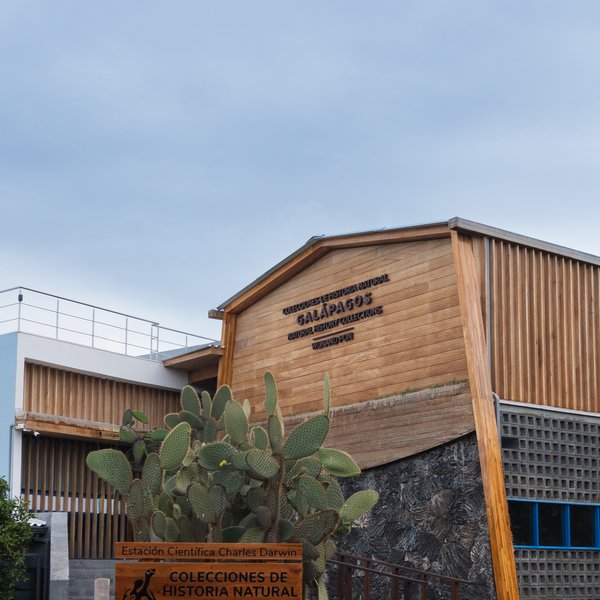
For the first time, the Charles Darwin Foundation opens Galápagos’ largest scientific collections to the public. Housing over 137,000 specimens, this new facility offers a rare glimpse into the science shaping conservation decisions and safeguarding one of the planet’s most extraordinary ecosystems.
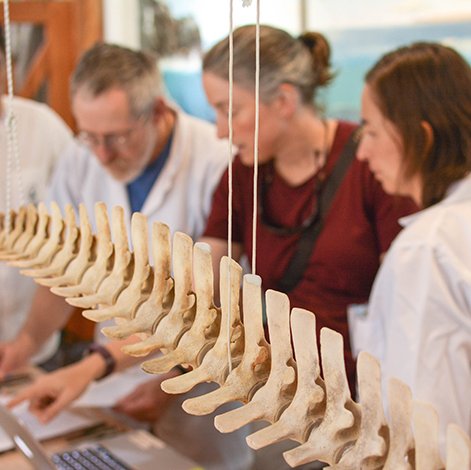
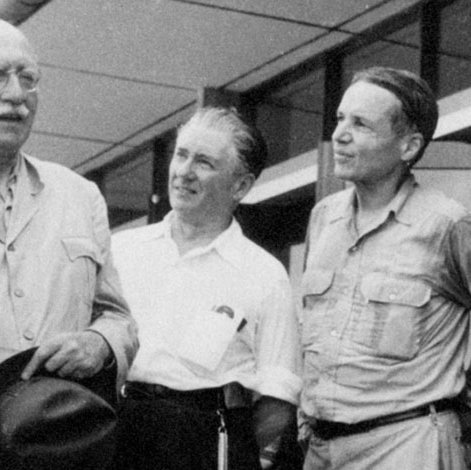
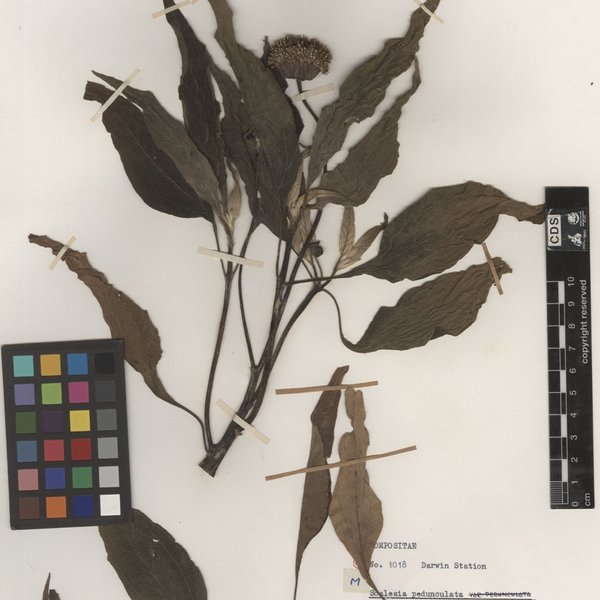
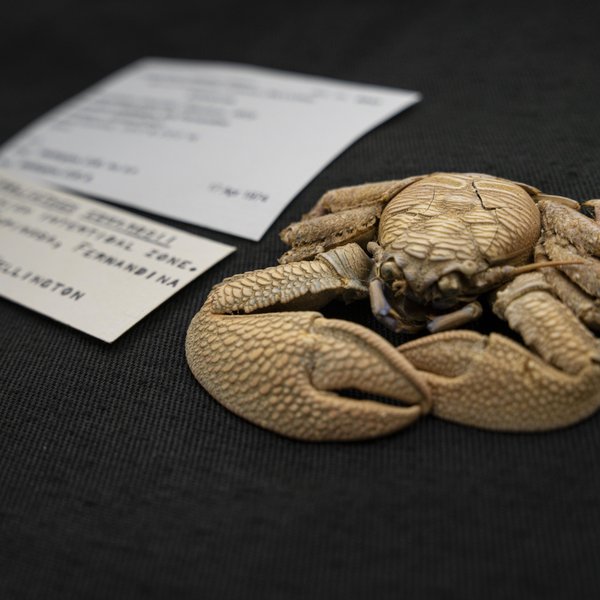
Between 1973 and 1999, marine ecologist Gerard Wellington collected 773 specimens in Galapagos, now housed at the Charles Darwin Research Station. They include the solitary coral named after him, considered possibly extinct until its rediscovery in 2024. His collection provides a historical baseline for measuring how the ocean is changing.


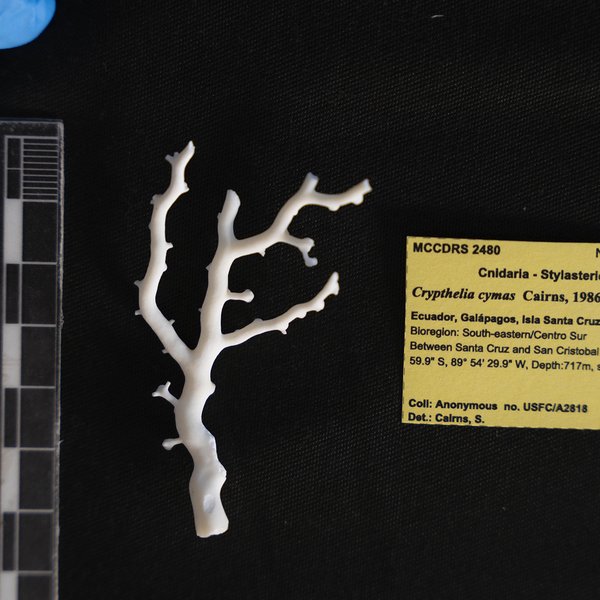
Collected more than 130 years ago, some of the oldest marine specimens from Galápagos are preserved at the Marine Organisms Collection of the Charles Darwin Research Station. These historic corals, gathered during the 1888 Albatross expedition, continue to provide valuable insights into the past and present of Galápagos marine biodiversity, highlighting the importance of scientific collections for research and conservation.
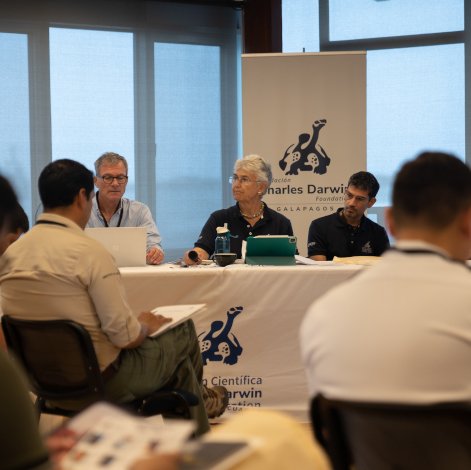
The Charles Darwin Foundation reveals its new mission and launches its 2022 Impact Report during its 52nd General Assembly