Results
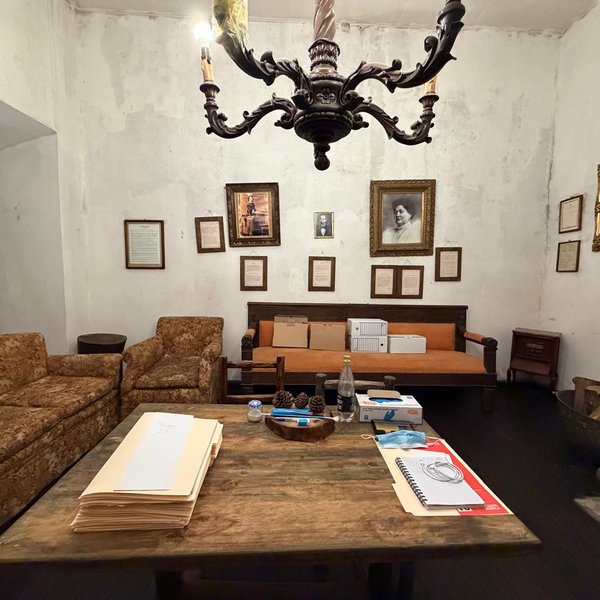
A look back at the origins of the Charles Darwin Foundation and the key role of Cristóbal Bonifaz in shaping science and conservation in Galápagos, and how the recovery of his archives reconnects us with that shared legacy.
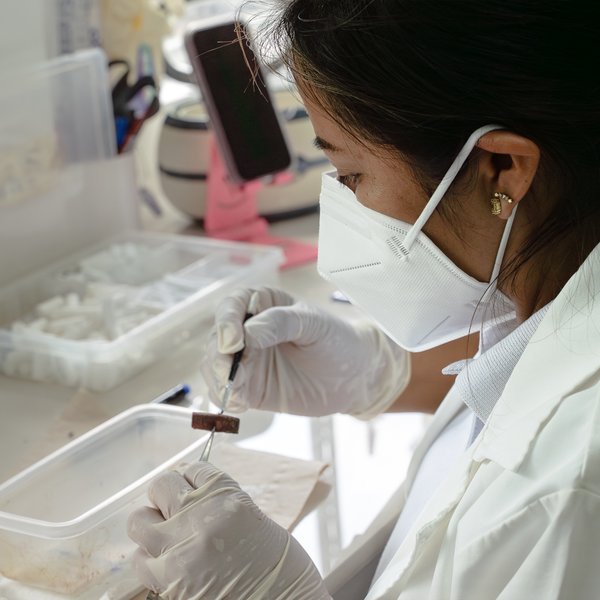
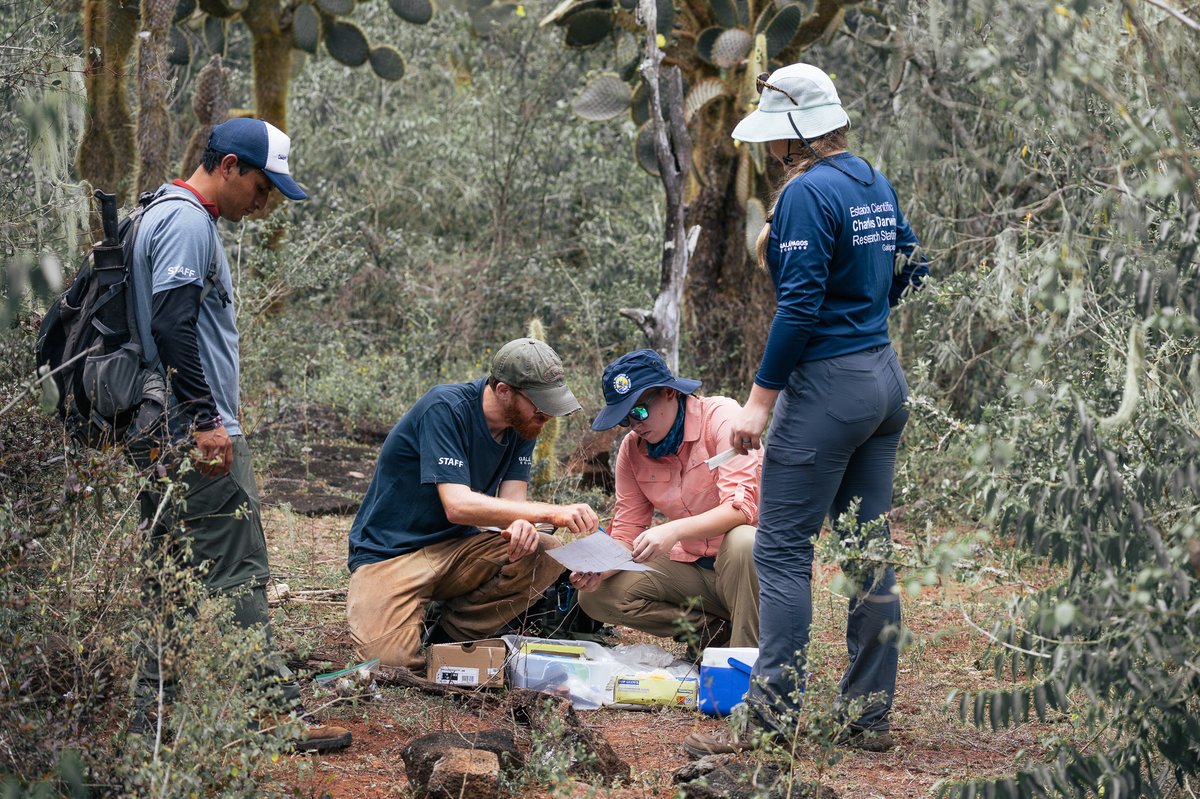
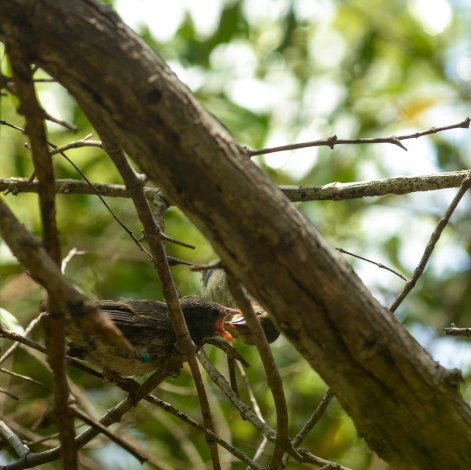
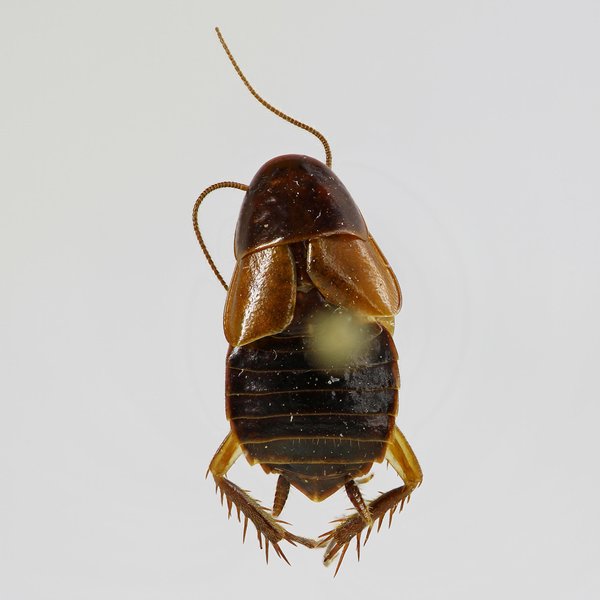
Researchers at the Charles Darwin Research Station study the invasive fly Philornis downsi to protect Galápagos birds. Through controlled rearing, data recording, and experiments on reproduction and behavior, they develop biological control methods. Despite challenges like low mating success, steady laboratory work supports conservation efforts and the survival of endemic species.

The G.T. Corley Smith Library at the Charles Darwin Foundation holds the world’s most comprehensive collection of publications on the Galápagos Islands. Its “Galápagos Collection” includes both scientific and grey literature, making it an invaluable resource for research and conservation. A digitization effort is underway to expand global access to this knowledge.
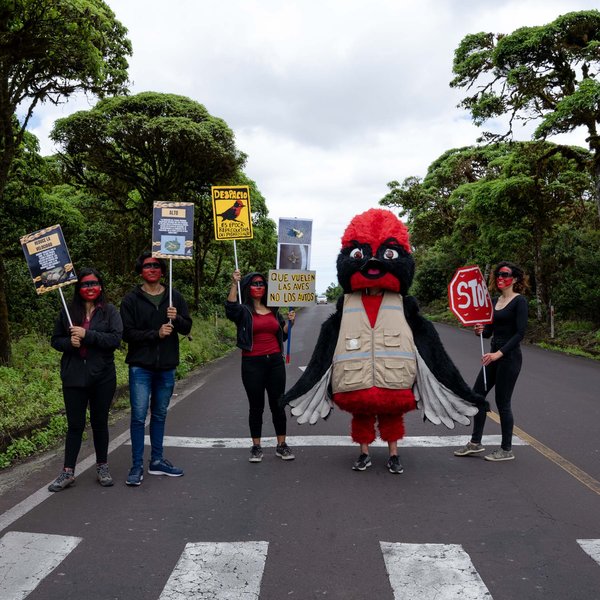
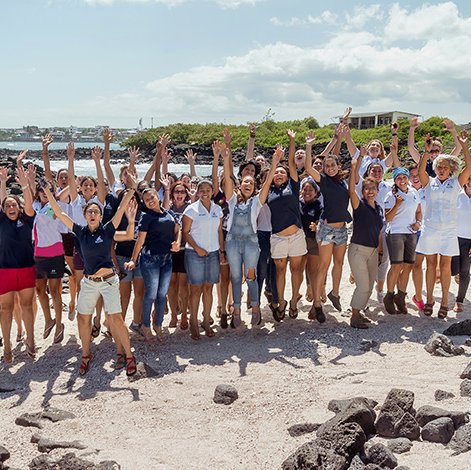
At the Charles Darwin Foundation, we believe that sustainable conservation depends on the involvement of the local community. Our goal is to inspire future generations of local conservation leaders, and embed conservation and sustainable development in the local culture.

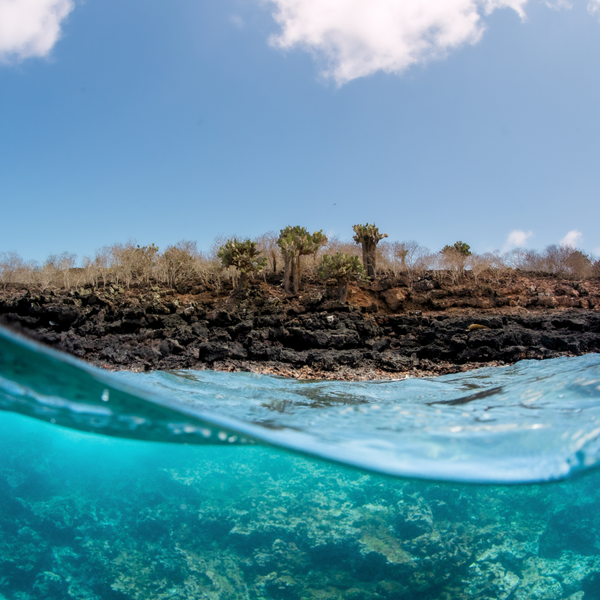
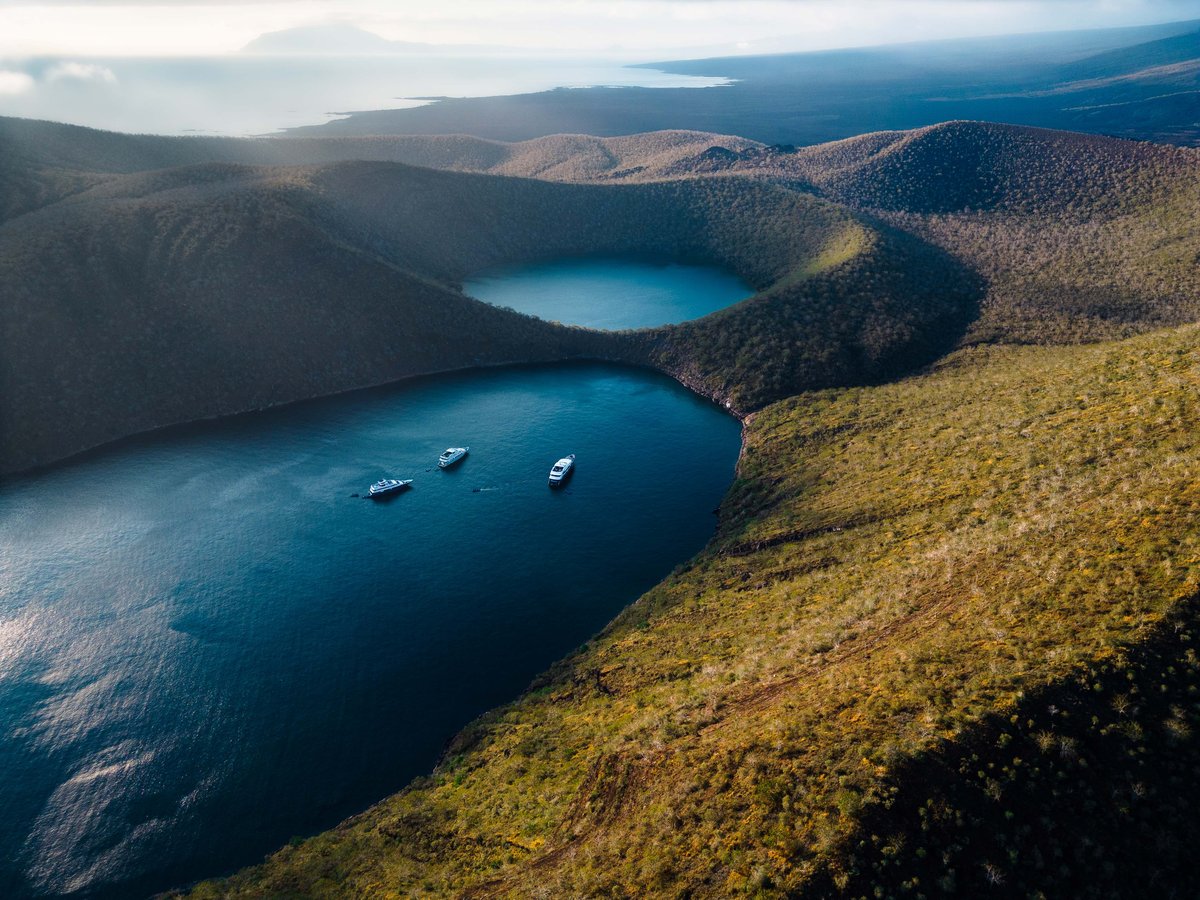
Explore the Galapagos Islands' volcanic beginnings, unique biodiversity, and the global conservation efforts led by the Charles Darwin Foundation to protect them.
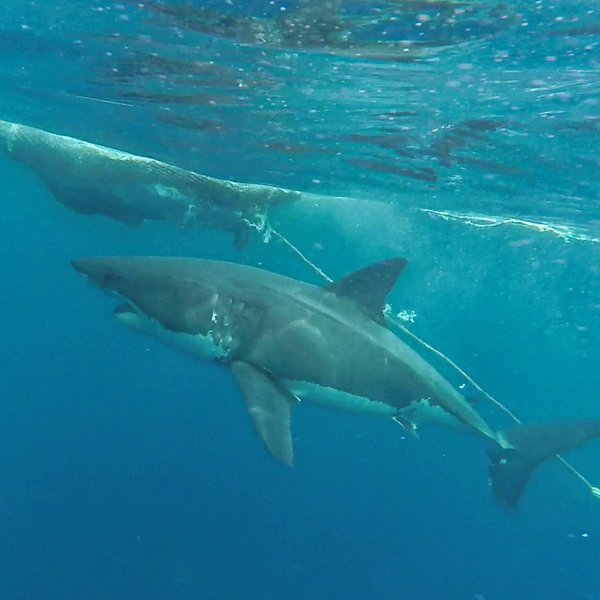
Researchers from the Charles Darwin Foundation and the Galapagos National Park have published the first confirmed record of a white shark in Ecuadorian waters. The encounter, roughly ninety kilometers west of Wolf Island and outside the Galapagos Marine Reserve (GMR), marks an unusual sighting of this species in the Eastern Tropical Pacific, where sightings south of Mexico's coastline are exceptionally rare.

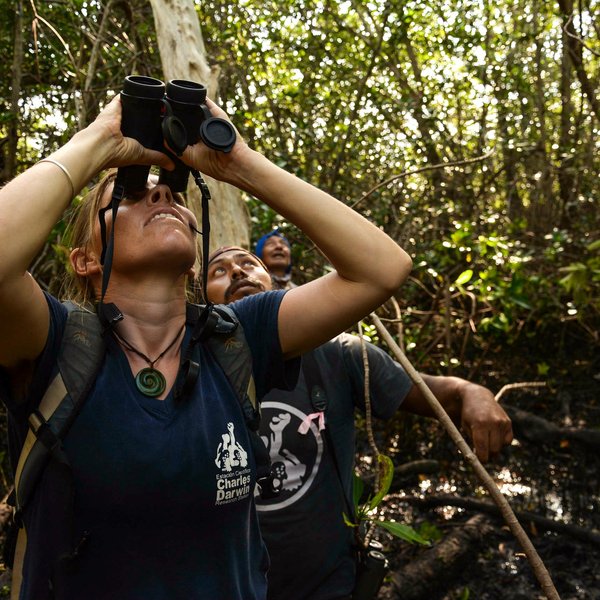
Since its inception in 1971, our Scholarship Program has enabled over 250 students from Galapagos to complete their education and pursue careers in conservation.
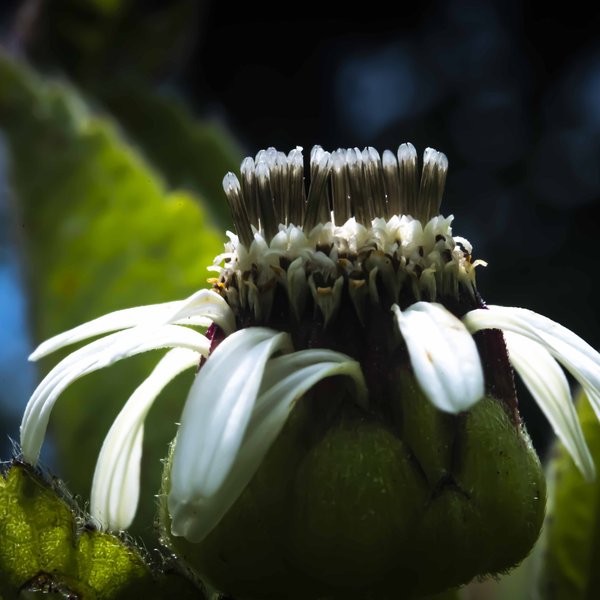
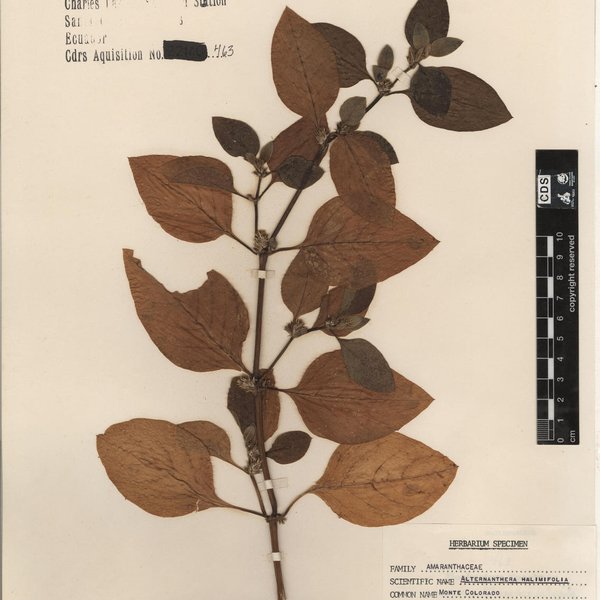
Dr. Syuzo Itow, a Japanese botanist and professor at Nagasaki University, was a key figure in the study of Galápagos. He researched the Scalesia forests, helped secure long-term support for botanical work at the Charles Darwin Foundation, and in 2005 founded the Japanese Association of Friends of Galápagos (JAGA), fostering scientific and cultural exchange between Japan, Galápagos, and the Ogasawara Islands.