Results
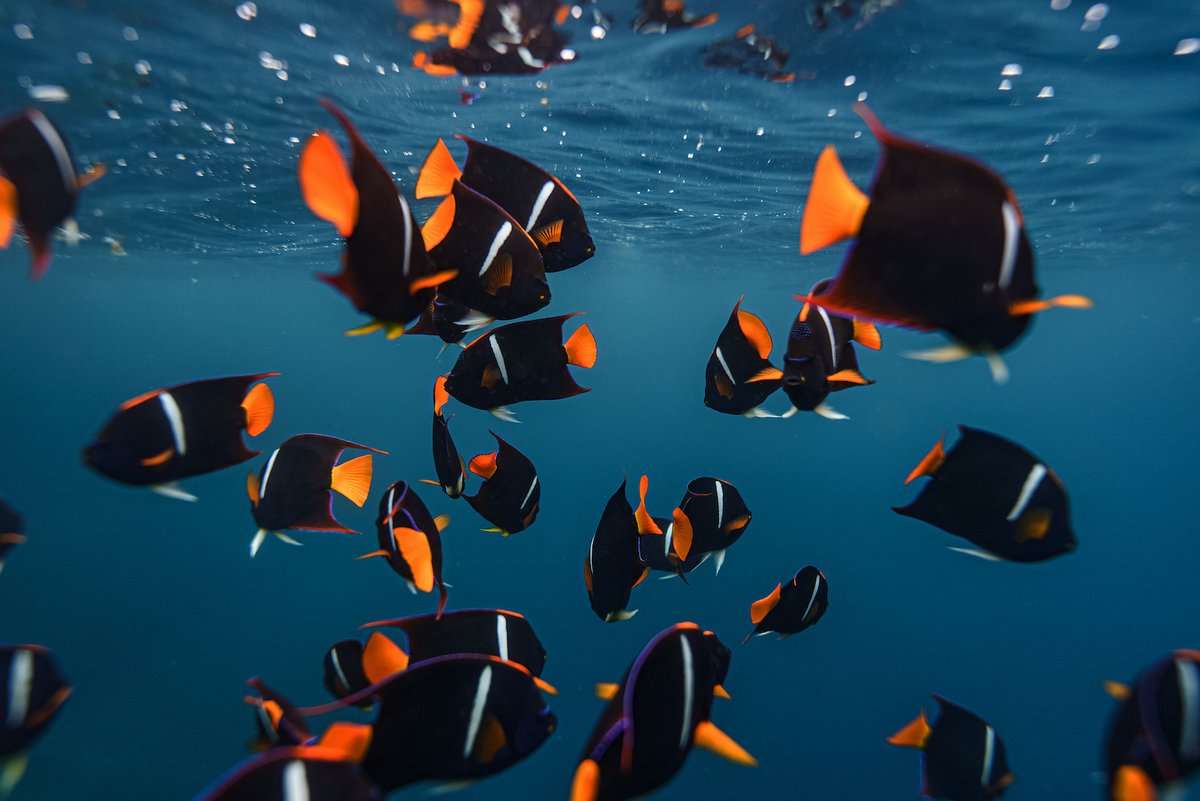
When Mathias Espinosa dived into the ocean, the world fell silent. “Diving is a kind of yoga underwater, where the only thing you hear is your own breathing,” he used to say. That philosophy marked more than three decades of explorations, encounters, and teachings that made him one of the pioneers of sustainable diving tourism and a fervent defender of the biodiversity of the Galápagos Islands.
A tiny blue octopus discovered nearly 6,000 feet beneath the waters of Galápagos is rewriting what scientists know about deep-sea life. From a chance encounter during an underwater expedition to cutting-edge CT scans revealing a species never seen before, this remarkable discovery highlights the mysteries still hidden in Earth’s oceans.
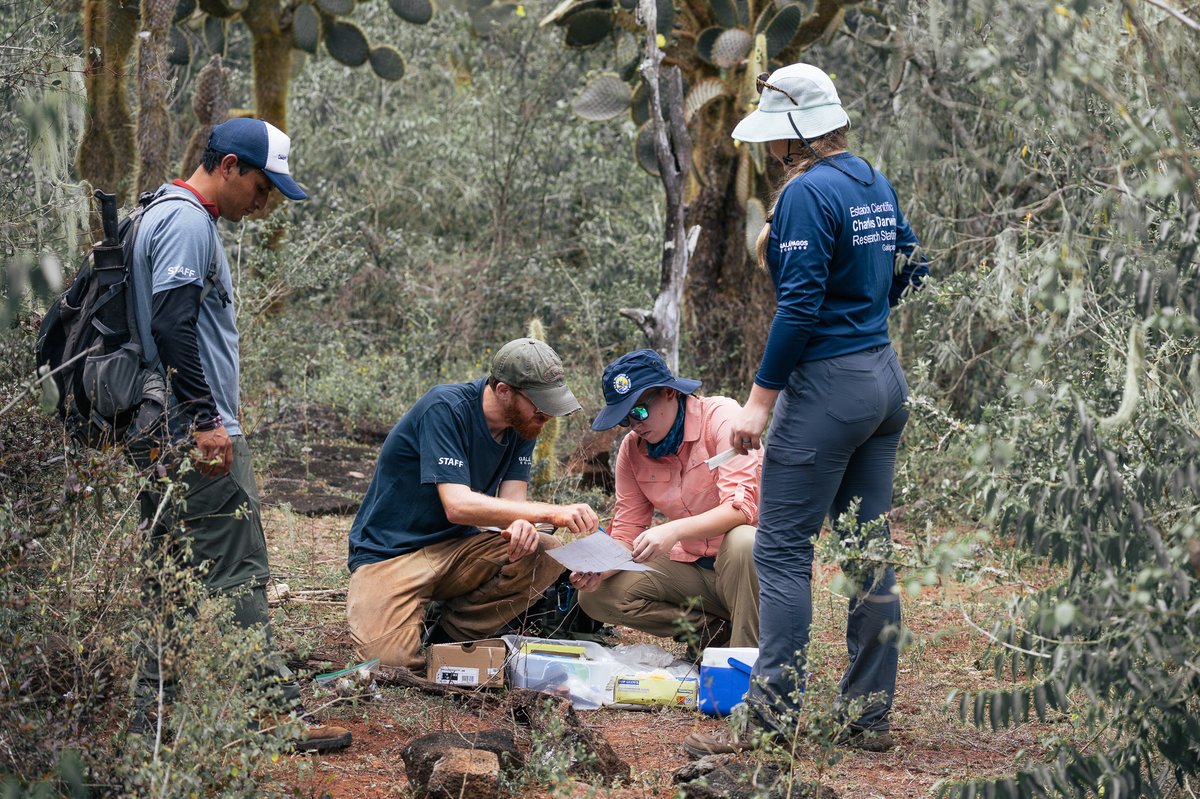
Park rangers from the Galapagos National Park Directorate (GNPD), in collaboration with scientists from the Charles Darwin Foundation (CDF), have discovered two new areas of Scalesia cordata on Sierra Negra volcano, located in southern Isabela Island. This discovery marks a significant milestone in the ongoing efforts to preserve this critically endangered species, which has seen its natural habitat severely reduced.
The Charles Darwin Foundation (CDF) is pleased to unveil the Galapagos Introduced Species Dashboard, the first open-access digital repository of information about species introduced to the Galapagos Islands.
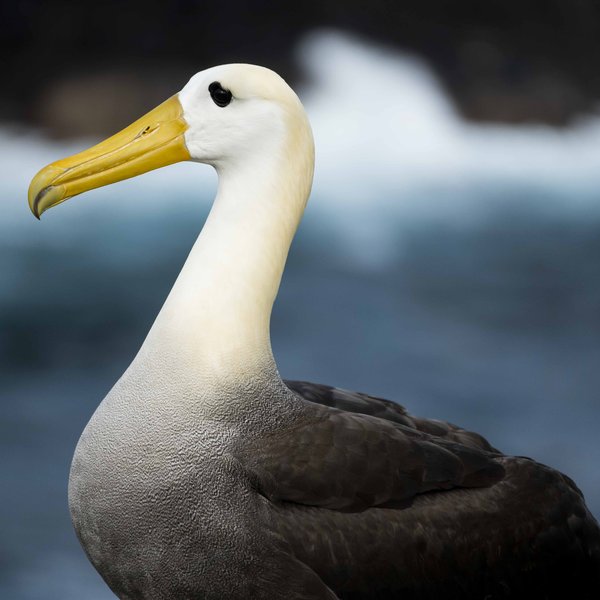
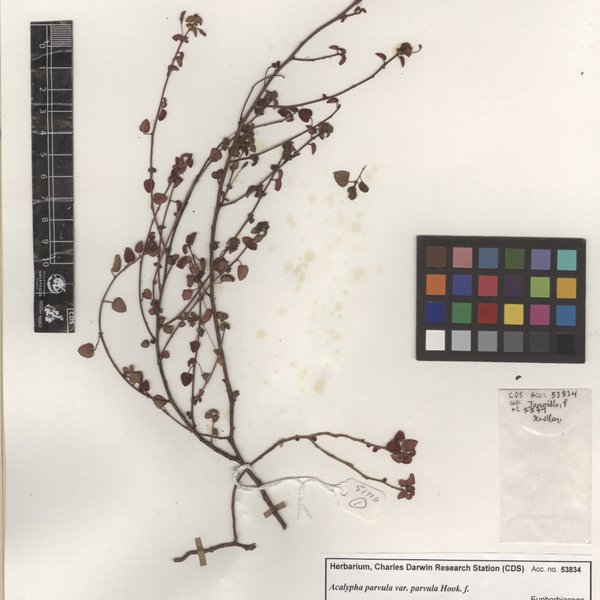
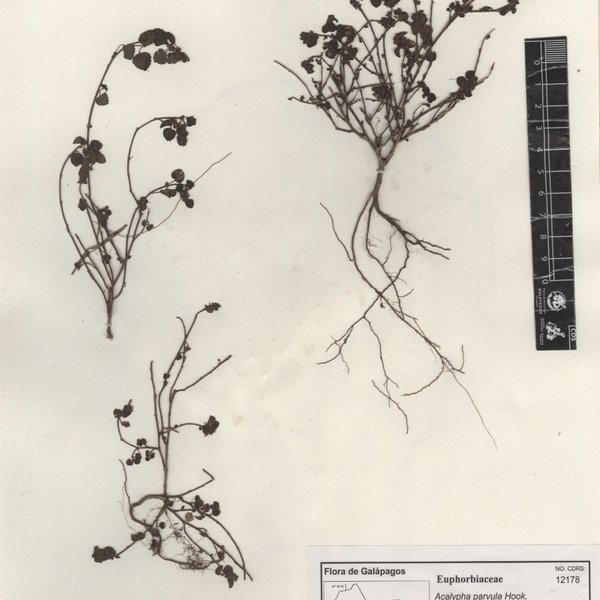
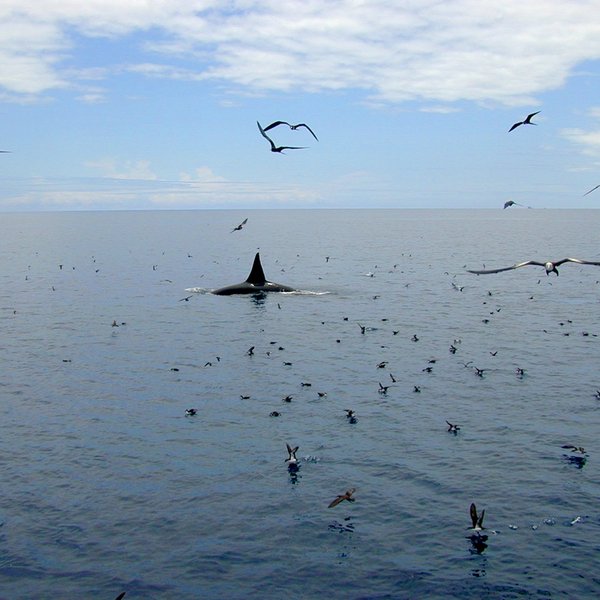
The new Galápagos Atlas 2026 offers a 309-page look at 68 species and species groups, combining purpose-built distribution maps with something rarely found in a reference guide: a clear record of what scientists still don’t know. Free to explore online, it highlights critical knowledge gaps and invites future research to strengthen conservation.
The Galapagos Atlas maps 69 endemic, native and invasive species across 309 pages — CDF's reference guide to Galapagos biodiversity.
- Date:
- 2026
- Language:
- English