Results
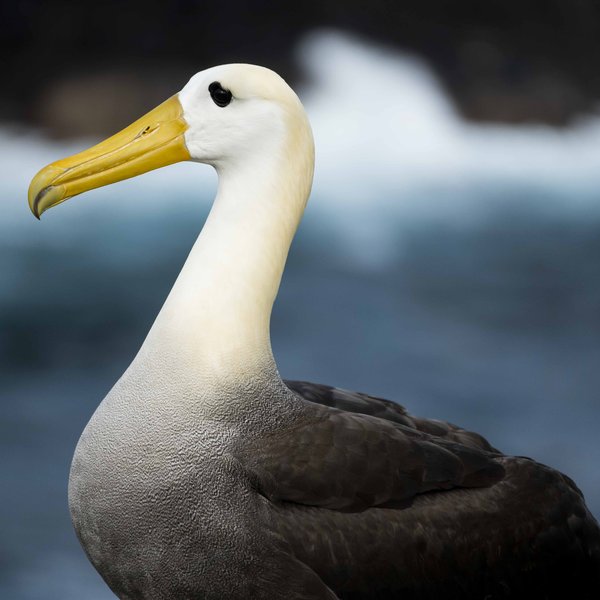
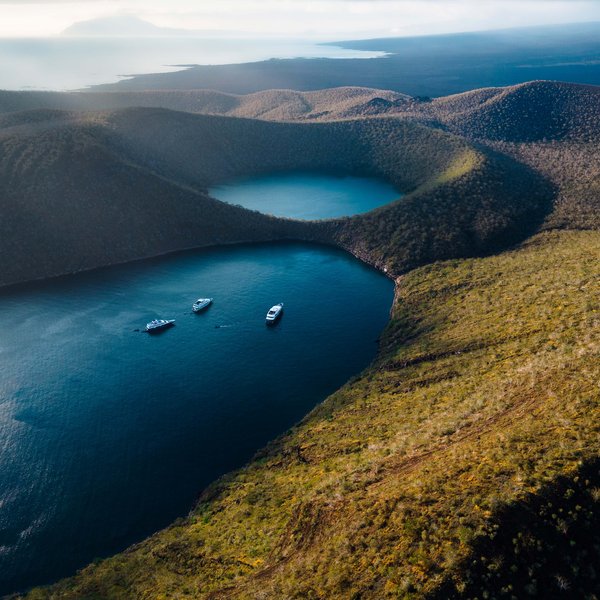
Planning your trip to the Galapagos Islands? Here are our top travel tips to help you prepare for an unforgettable and responsible journey to this unique destination.
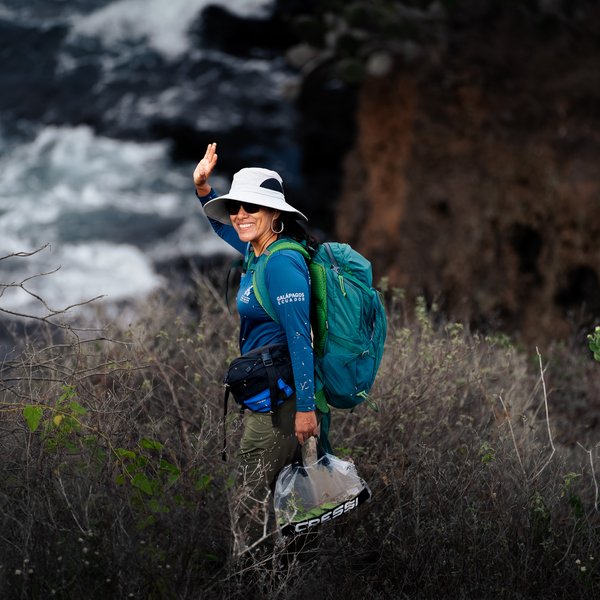
Floreana, the first inhabited island in Galapagos, faces significant environmental challenges due to both direct and indirect human impacts. However, thanks to the coordinated efforts of its community, research groups, local and international conservation organizations, authorities, protected area managers, and donors, it has become a symbol of collective action and hope for the restoration of the archipelago’s biodiversity.
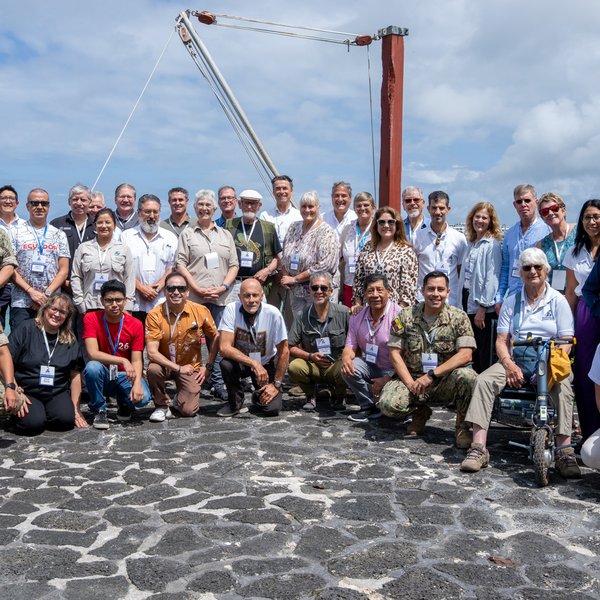
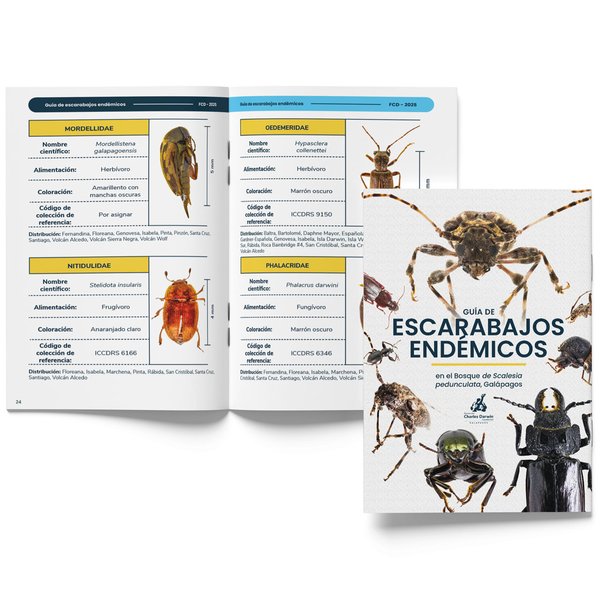
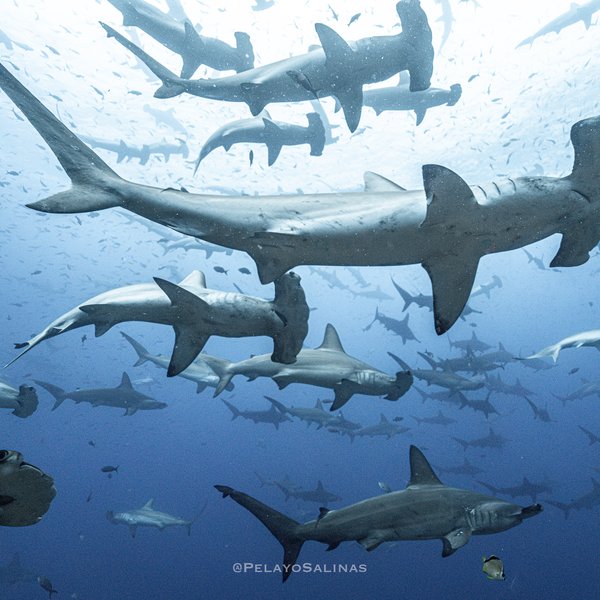
Sharks that migrate across oceans need global cooperation to survive. The Charles Darwin Foundation has joined the CMS Sharks Memorandum of Understanding as a Cooperating Partner, strengthening science-based conservation from Galápagos to the Eastern Tropical Pacific. Discover how this partnership advances research, policy, and collaboration to protect migratory sharks worldwide.
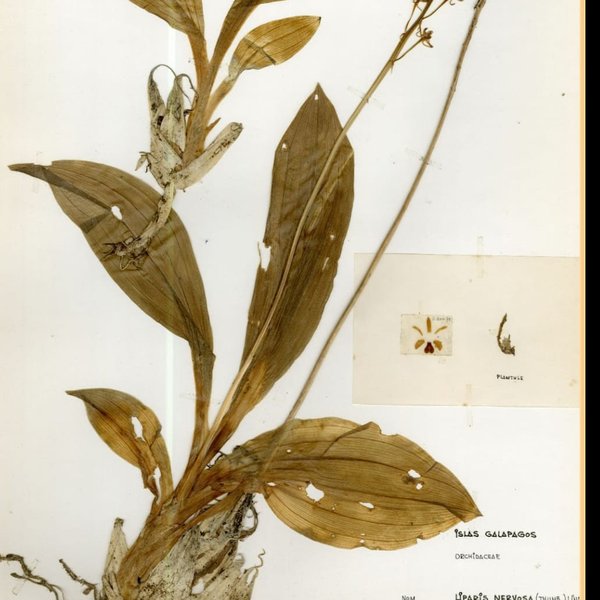
Orchids, art, and perseverance intertwine in this remarkable story of Daniel Weber, a Swiss architect whose passion for botany left a hidden legacy in Galápagos. Decades later, a near-lost orchid collection is rescued against the odds—revealing a powerful journey of science, memory, and the people determined to bring it back.
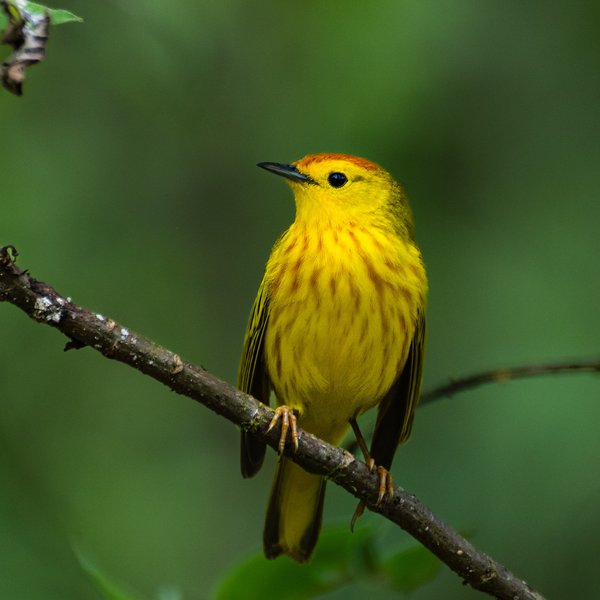
Beneath Galápagos’ iconic birds lies a hidden story of health and survival. A new study reveals the presence of viruses in landbird populations, offering the first baseline of disease risk in these unique species. Discover why monitoring “invisible diseases” is essential to protecting the future of Galápagos biodiversity.
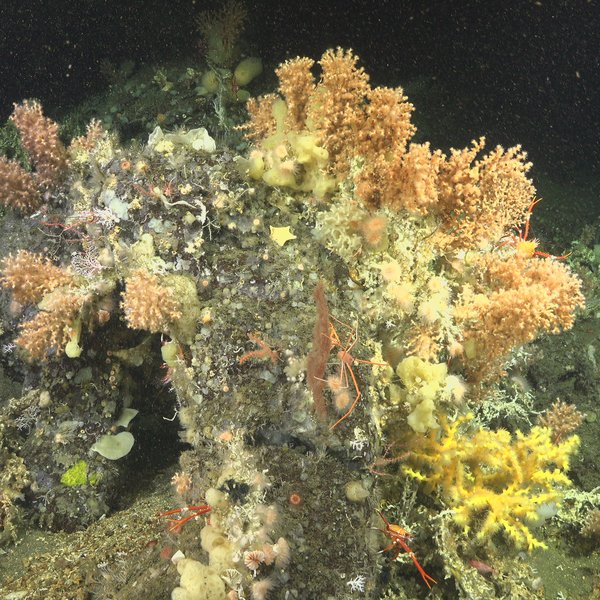
Scientists have uncovered a hidden collapse of Galápagos deep-sea corals, revealing a 1,000-year disappearance linked to ancient climate shifts. By reconstructing 117,000 years of ocean history, the study exposes the vulnerability—and resilience—of these unseen ecosystems, offering urgent insights into how climate change could reshape life in the deep ocean.
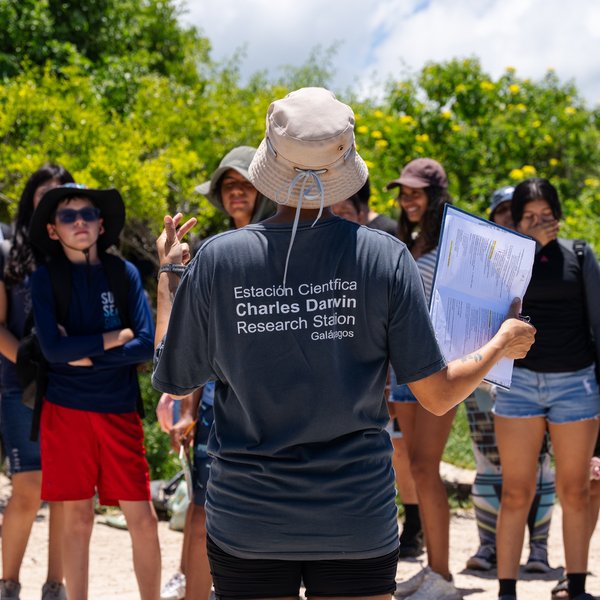
In 1966, a course at the Charles Darwin Research Station marked the beginning of environmental education in Galápagos. Teachers learned to use the natural environment as a teaching tool, linking conservation and community. This experience laid the foundation for context-based education that remains essential to protect the islands’ unique ecosystems.
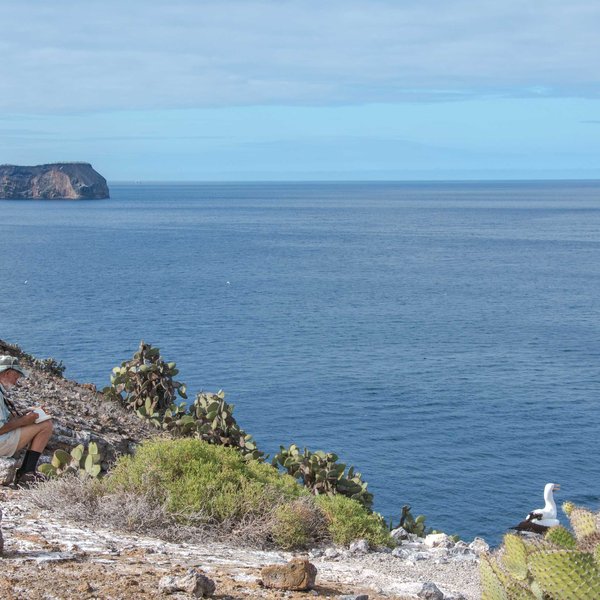
In 1973, evolutionary scientists Peter Grant and Rosemary Grant began a research project in the Galápagos Islands that would permanently change the modern understanding of evolution.
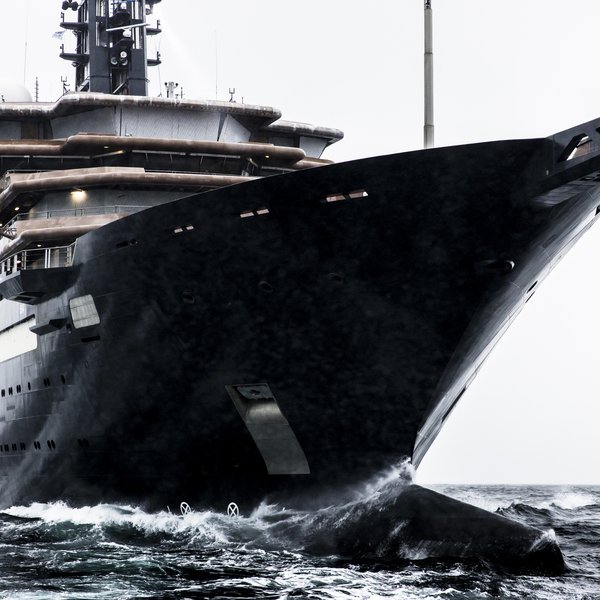
A new regional alliance is opening a window into the deep ocean of the Eastern Tropical Pacific, one of the least explored parts of our planet. By joining scientific expertise, conservation action, and international collaboration, this initiative aims to generate the knowledge needed to better protect vast marine ecosystems and inform ocean stewardship.