Results
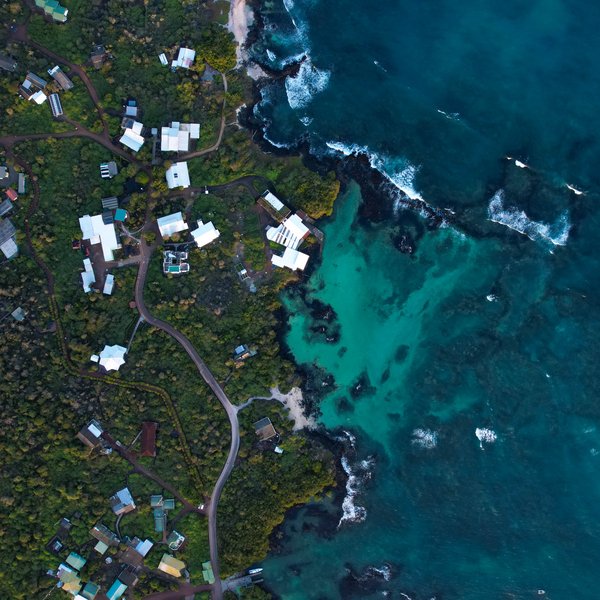
Discover the mission, vision, and impact of the Charles Darwin Foundation. Dedicated to preserving the Galapagos Islands through groundbreaking scientific research and conservation initiatives since 1964.
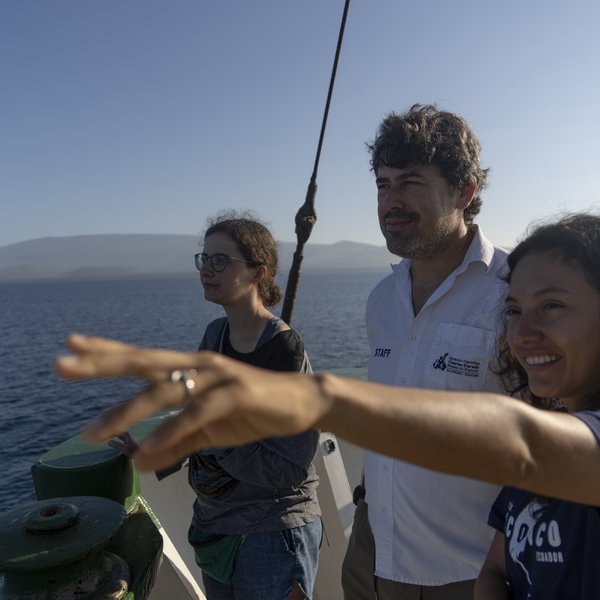
18 NGOs and civil society organisations have today published a statement calling for the governments of Ecuador, Costa Rica, Colombia and Panama to ratify the UN High Seas Treaty in order to accelerate the protection of the oceans.

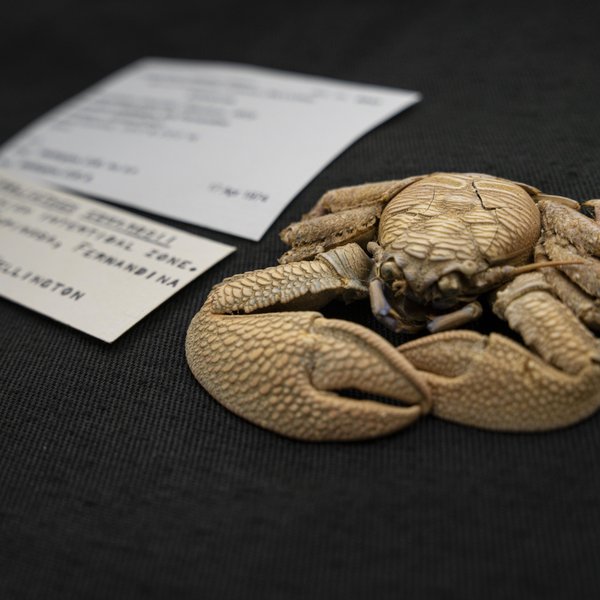
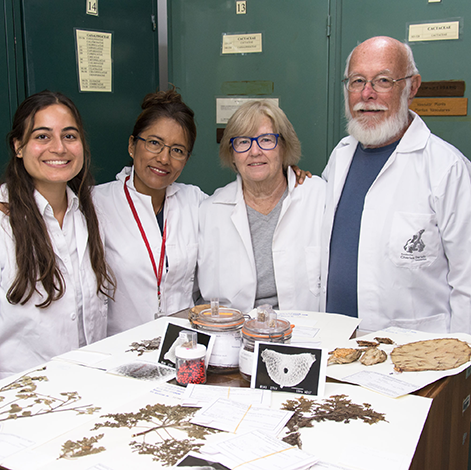
Between 1973 and 1999, marine ecologist Gerard Wellington collected 773 specimens in Galapagos, now housed at the Charles Darwin Research Station. They include the solitary coral named after him, considered possibly extinct until its rediscovery in 2024. His collection provides a historical baseline for measuring how the ocean is changing.
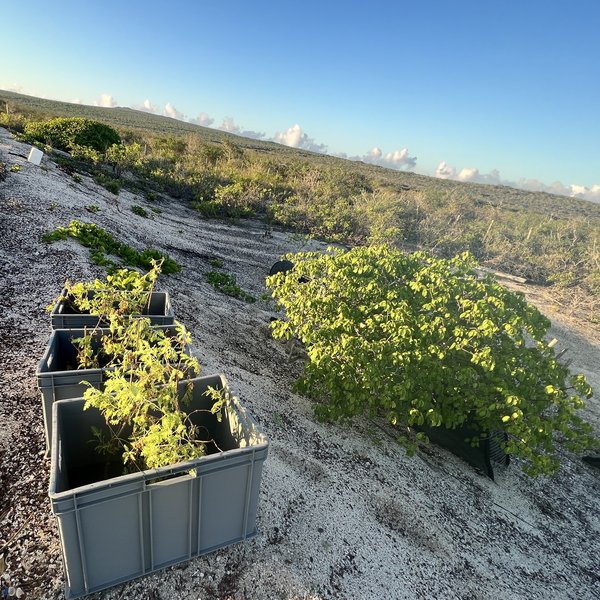
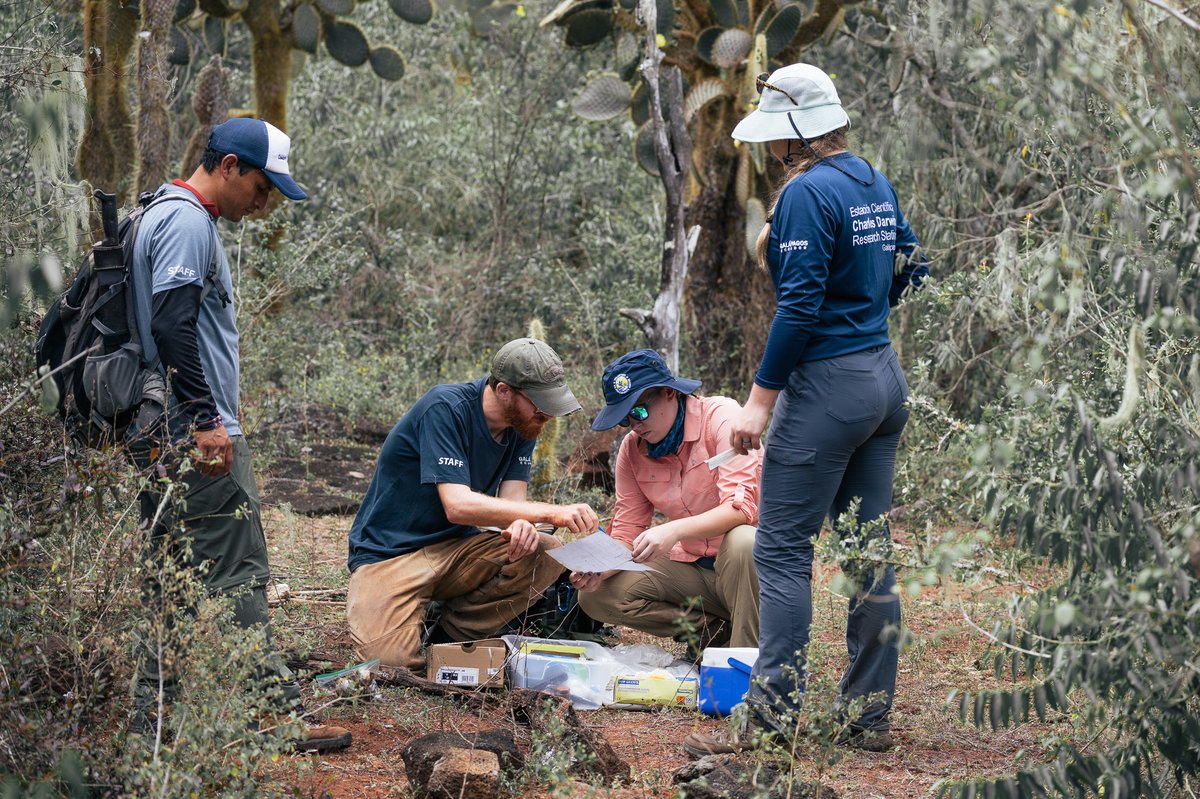
In November 2020, I joined the Galapagos Verde 2050 (GV2050) team during an exciting time. The team had just returned from an expedition to Punta Manzanillo on Española Island, where they had rediscovered a small population of Lecocarpus lecocarpoides, a species thought to be locally extinct. With 50 precious seeds collected, I was given a mission: to use these seeds to help recover the only population of this endangered species on the island.
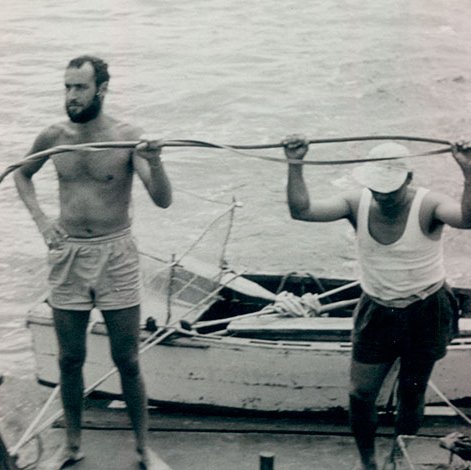
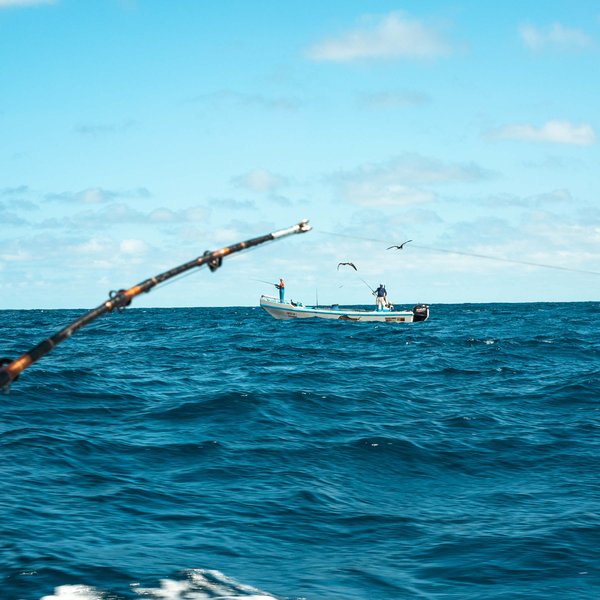
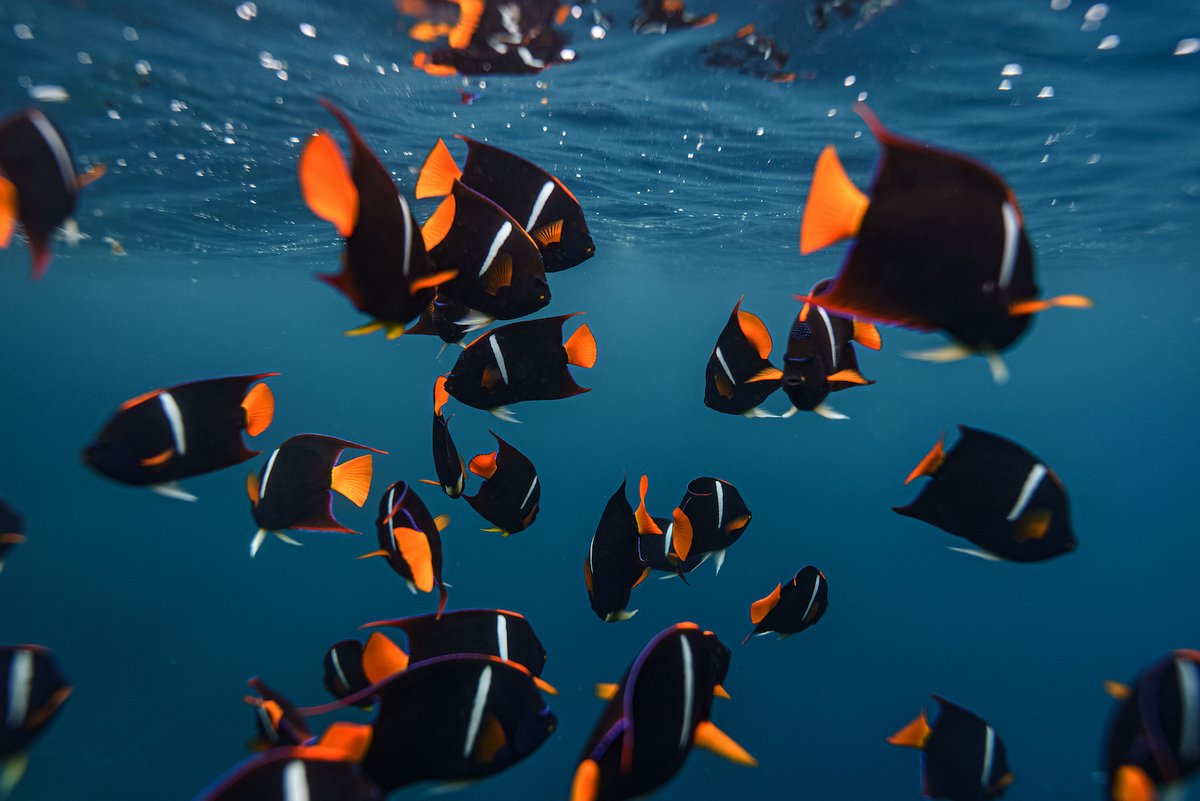
Discover how Galápagos waters fuel Ecuador’s economy and fight climate change. A groundbreaking study by CDF and partners reveals the immense value of marine ecosystems—from carbon-storing mangroves to booming tourism and fishing industries. Learn why protecting these waters is essential for sustainable development and global conservation efforts.
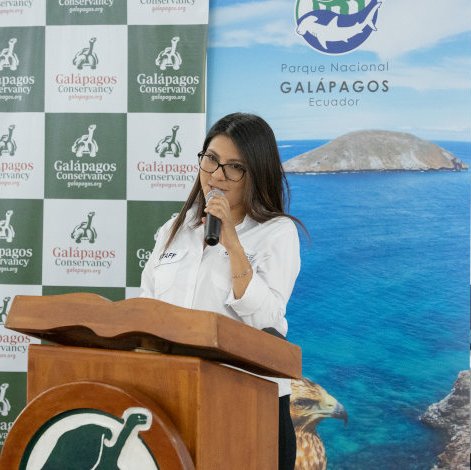
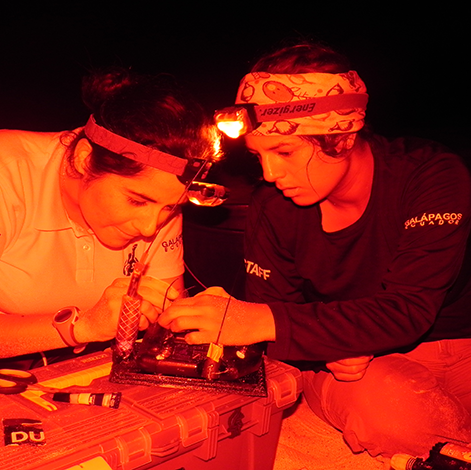
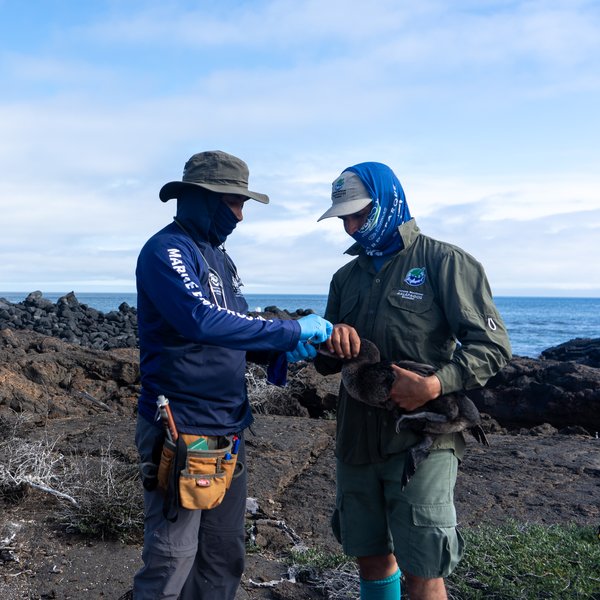
The Charles Darwin Foundation shared the main achievements of its 2025 work through a public accountability event. The initiative highlighted how scientific research supports Galapagos conservation, encouraged dialogue with the local community, and reaffirmed that transparency strengthens institutional trust, collaboration, and long-term commitment to protecting the archipelago.
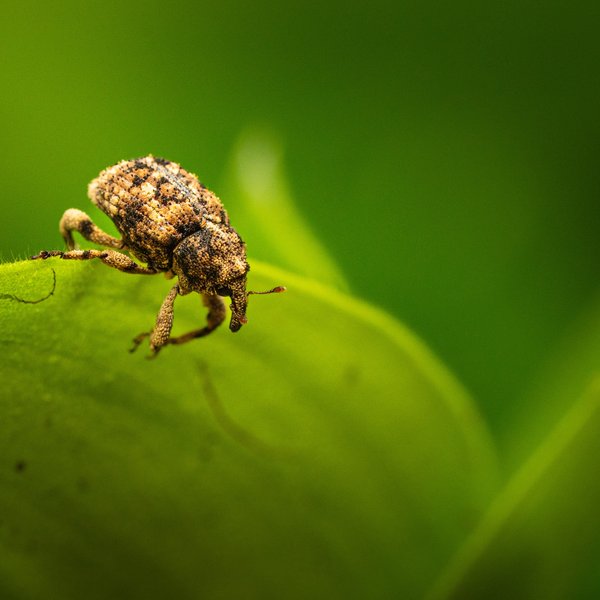
Tiny and often overlooked, Galapagos beetles sustain ecosystems: they decompose organic matter, recycle nutrients, pollinate and feed birds and reptiles. Entomologist María Sol Herrera uses photography to reveal their hidden beauty. Conserving the Scalesia pedunculata forest protects their diversity, because once we truly know something, it no longer remains invisible.
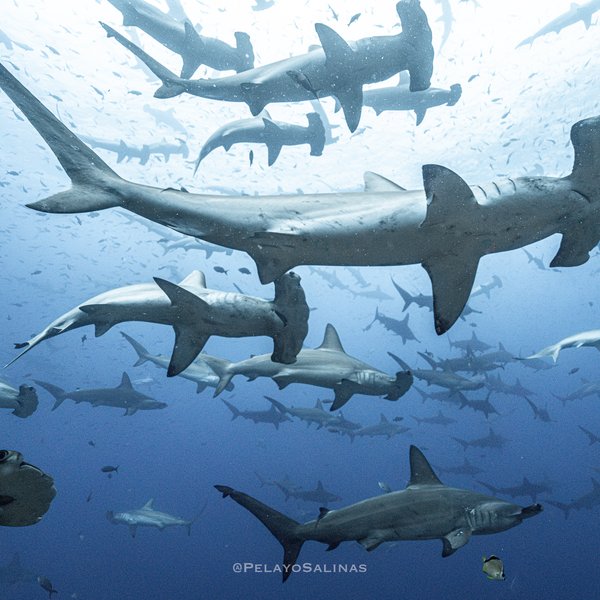
As threats to oceans intensify, bridging science and policy is key to protecting migratory species. This piece explores how UN conventions like CMS translate research into action, spotlighting efforts to uplist the Critically Endangered scalloped hammerhead shark and strengthen international conservation through collaboration, evidence, and policy innovation.

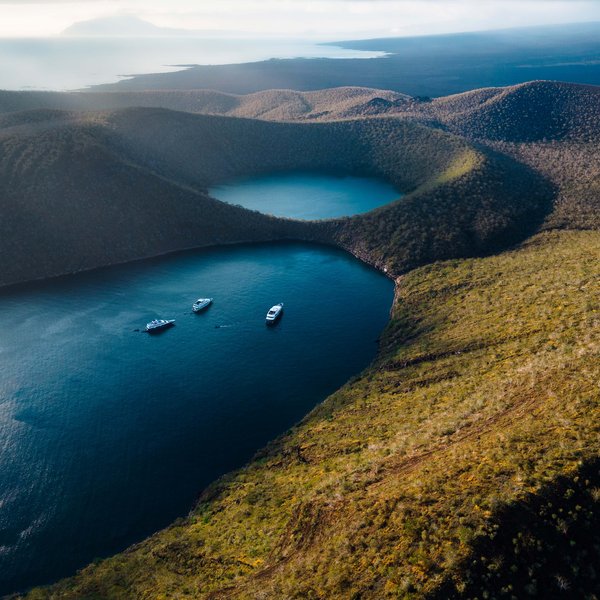
The Charles Darwin Foundation and Oceans Finance Company are delighted to announce a strategic partnership aimed at advancing crucial long-term conservation initiatives to enhance resilience to climate change in the archipelago and surrounding areas.