Results

Join our Wild Club today! By scheduling a recurring monthly gift, you will increase your impact on Galapagos conservation.
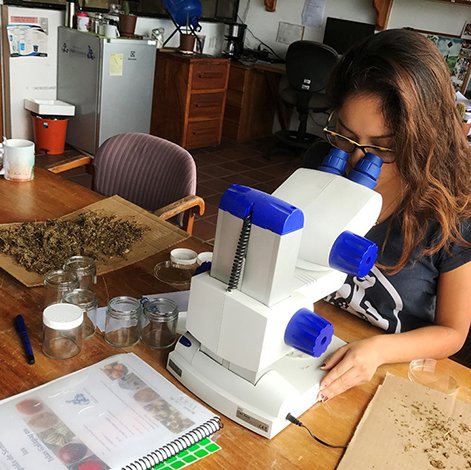
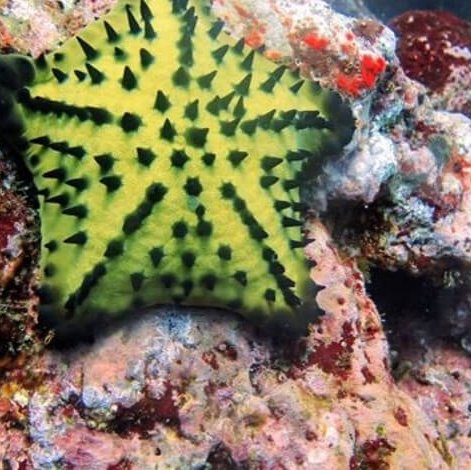
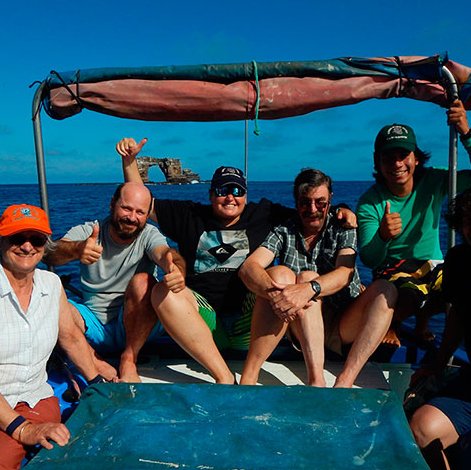
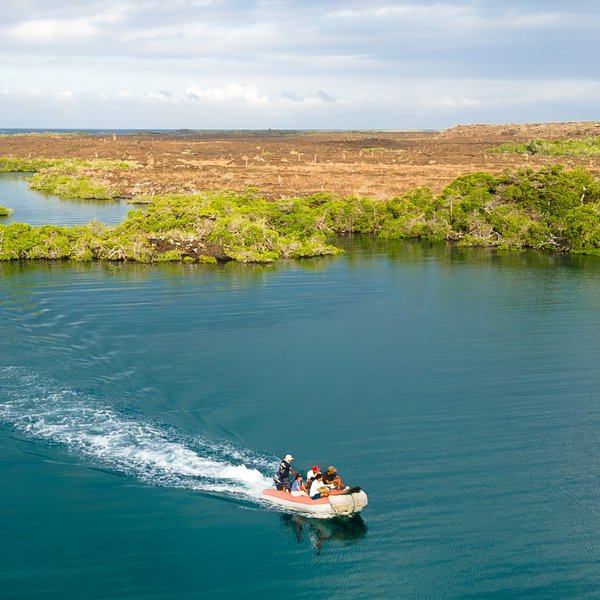
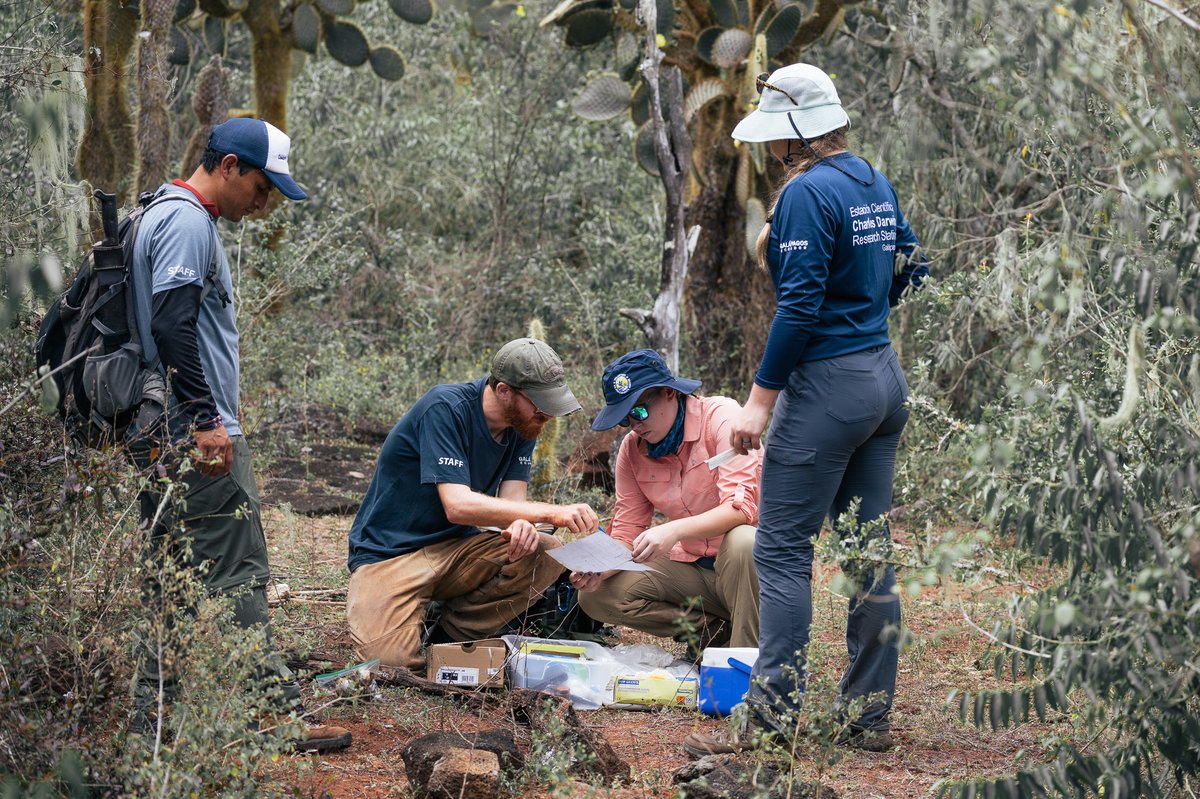
For more than 60 years, the research undertaken at the Charles Darwin Foundation has focused on furthering our understanding of the natural systems, their relationship with those living in the archipelago, and the intricate and relationship with those living in the archipelago, and the intricate and delicate balance between climate, mankind, and nature. Major research efforts have also focused on the prevention, control, and eradication of invasive species to maintain Galapagos as one of the best-conserved archipelagos in the world.
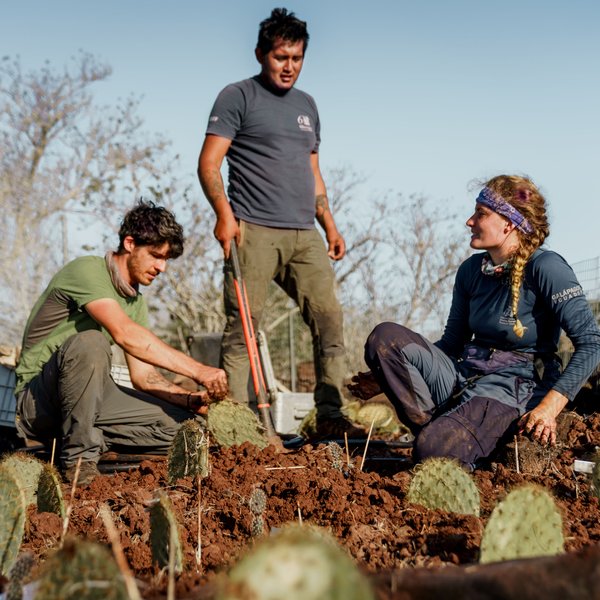
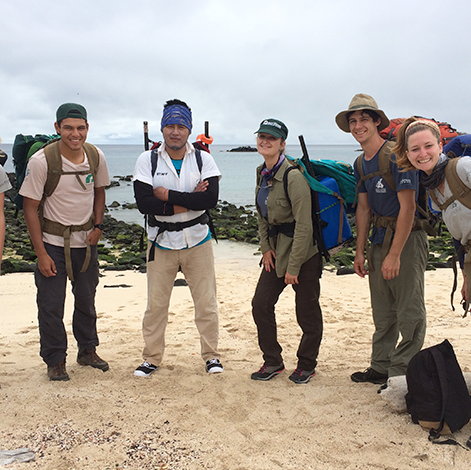
Every year since 1971 we have welcomed and trained volunteers from all over the world who are committed to the conservation of the Galapagos Islands. Volunteers are a vital part of what makes the Charles Darwin Foundation such a special place to be.
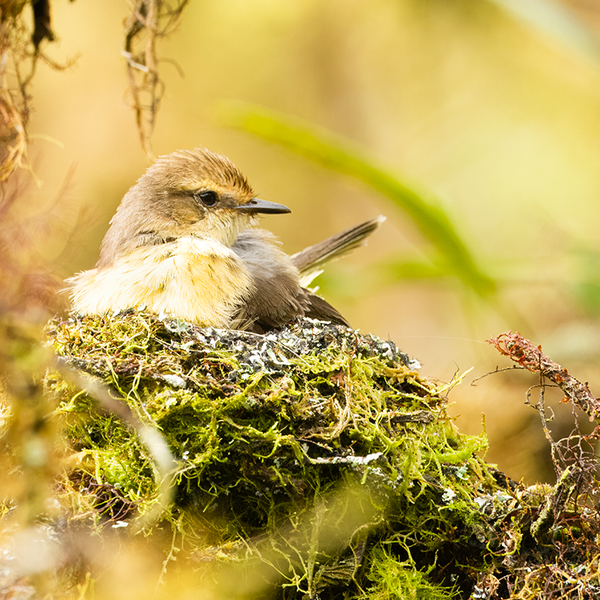
Record Year for Vermilion Flycatcher Season and Advances in the Recovery of the Mangrove Finch
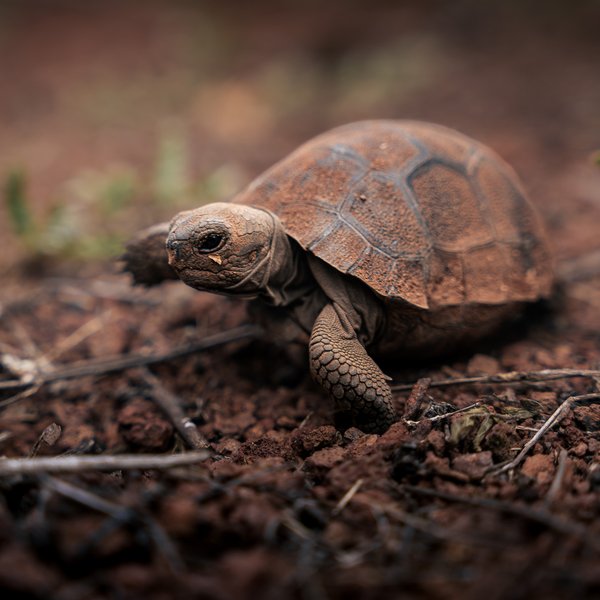
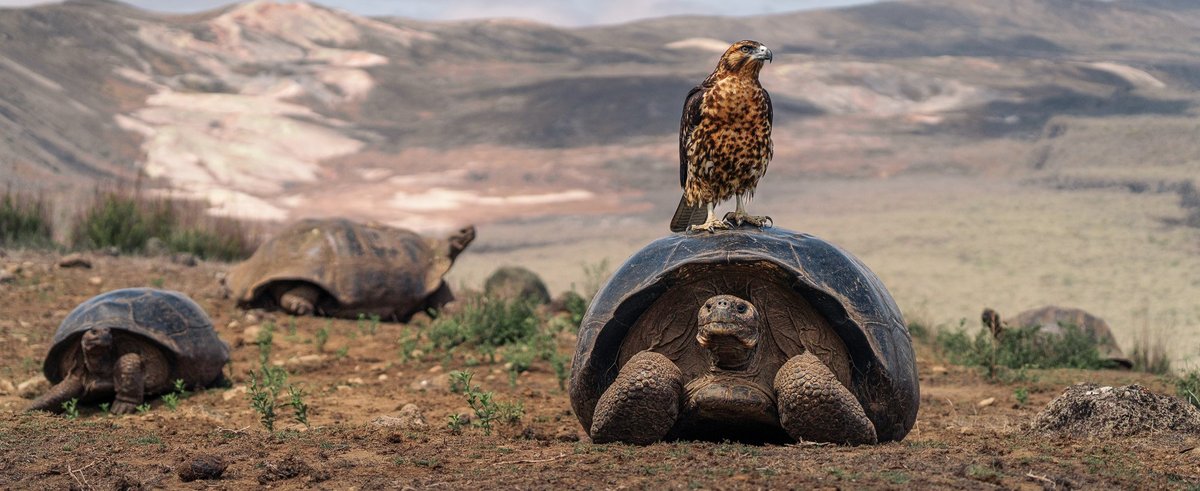
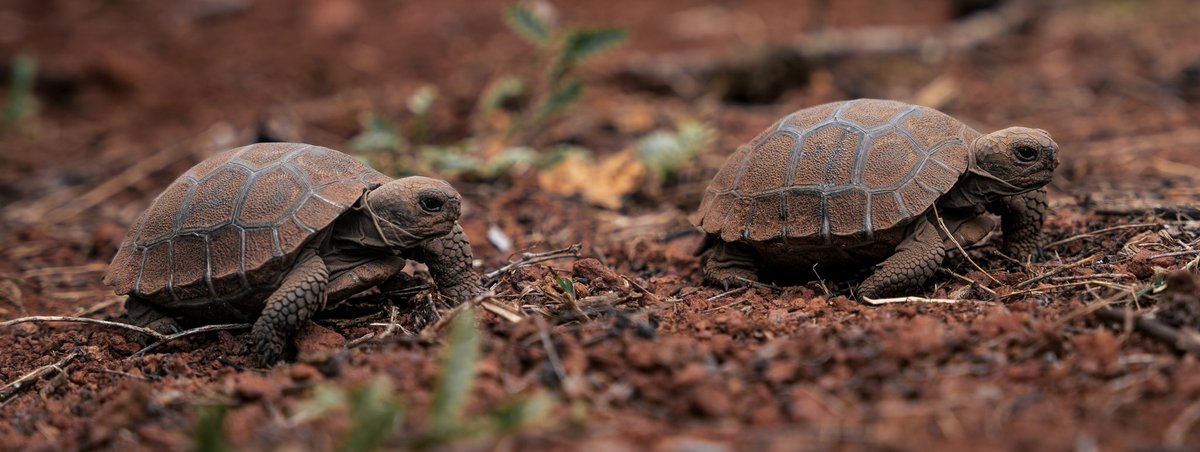
What can giant tortoises teach us about health, science, and hope?
Follow researcher Gislayne Mendoza from her roots in San Cristóbal to the rugged landscapes of Galapagos. Her story unveils surprising virus discoveries, the power of local science, and why protecting these ancient creatures means protecting the delicate balance between wildlife, people, and planet.
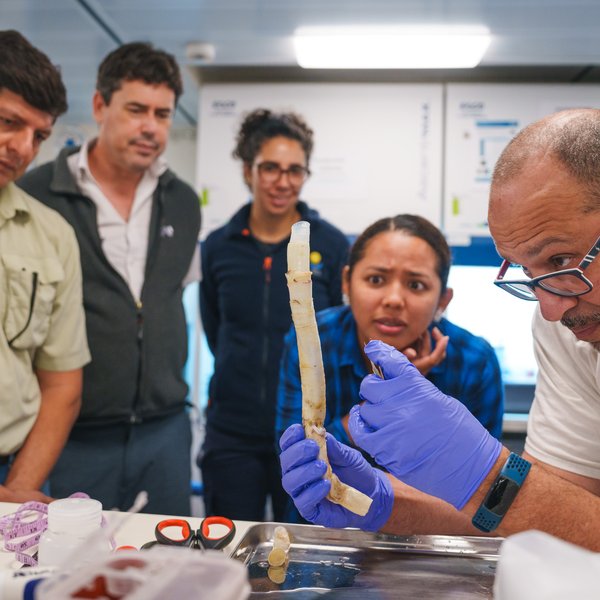
Whether you're a scientist seeking to collaborate , a student aspiring to complete your graduate degree under our guidance, or a university looking to establish a semester abroad program in the Galapagos, the Charles Darwin Foundation is here to provide support.

A study of the Charles Darwin Foundation Historical Archive, presented at the 2nd Latin American World Congress of Historical Sciences, shows how Galápagos joined international scientific networks from the mid-twentieth century. Letters, maps and field notebooks reveal a web of scientists, diplomats and institutions with the CDF at its center.
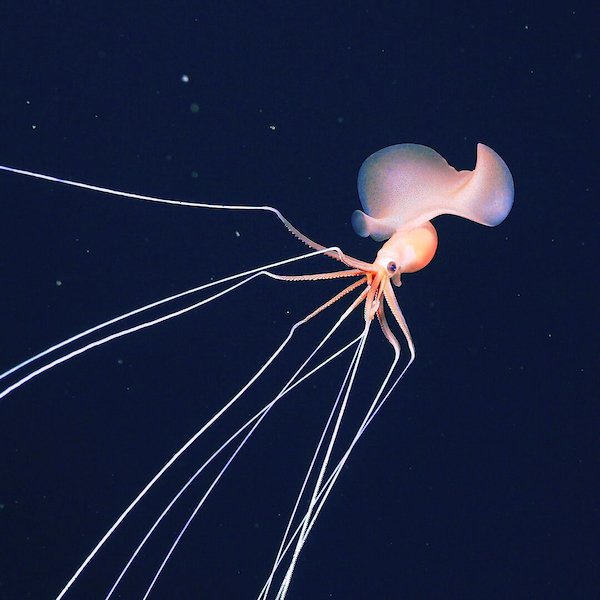
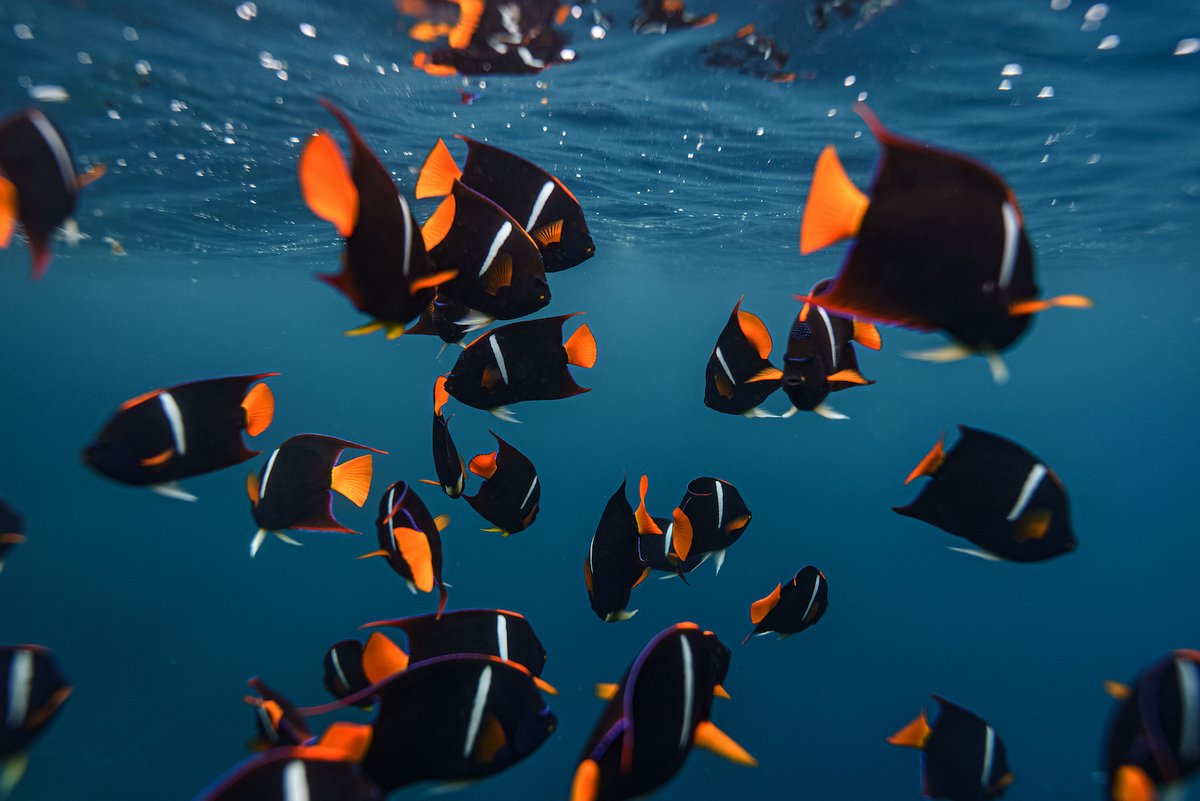
The Deep Ocean Alliance brings together institutions from Costa Rica, Panama, Colombia, and Ecuador to strengthen deep-ocean science and marine conservation in the Eastern Tropical Pacific. Through scientific expeditions, regional collaboration, and technological innovation, the Alliance is improving understanding of deep-sea biodiversity and supporting evidence-based protection of interconnected marine ecosystems.
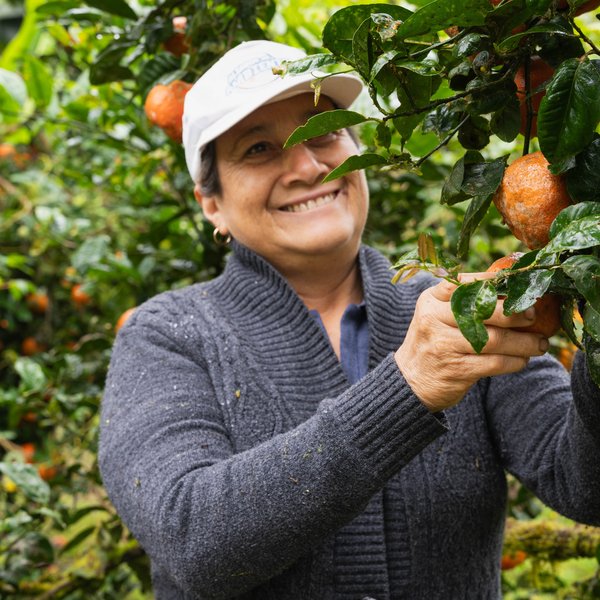
In Galápagos, three out of every four food items come from mainland Ecuador, opening the door to invasive species. Research by the Charles Darwin Foundation shows that active farms, sustainable small-scale fisheries and restaurants that buy local reduce this dependence, protect unique biodiversity and strengthen the archipelago’s long-term sustainability.
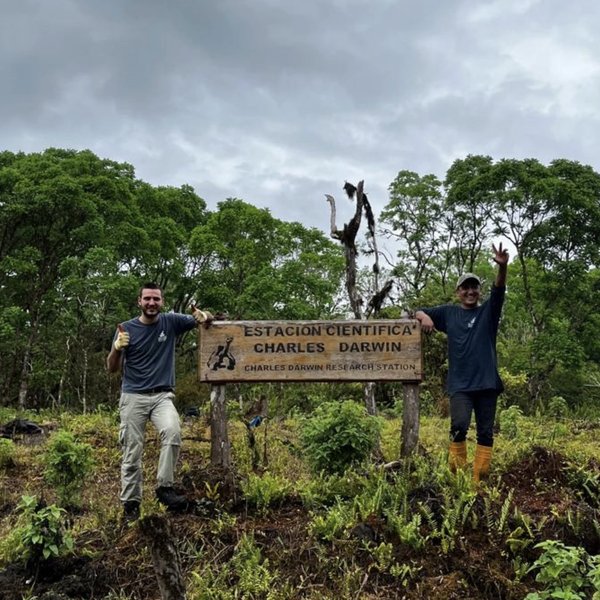
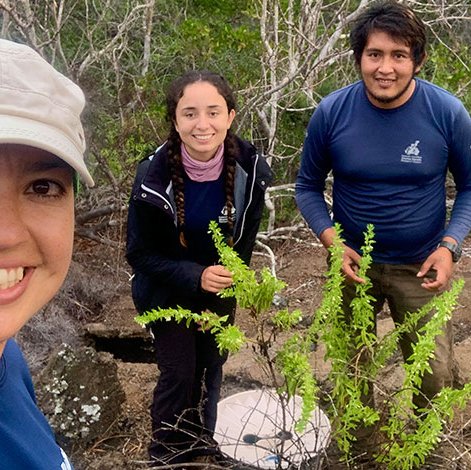
A volunteer’s journey helping restore the endangered Scalesia cordata forests of Isabela through science, fieldwork, and community collaboration.
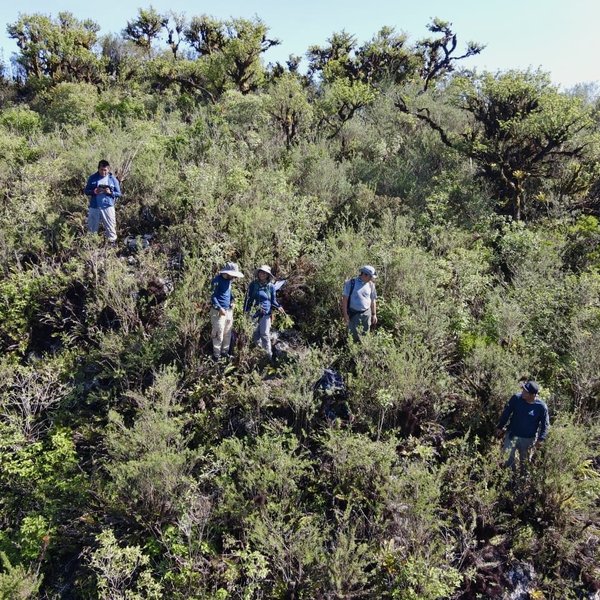
More than half of the endemic plant species in Galapagos are currently classified as threatened. The potential loss of these imperiled species not only disrupts ecosystem integrity, but also jeopardizes the survival of iconic native fauna that depend on it. We are updating the IUCN Red List of endangered plant species of Galapagos in order to enable targeted species conservation actions.
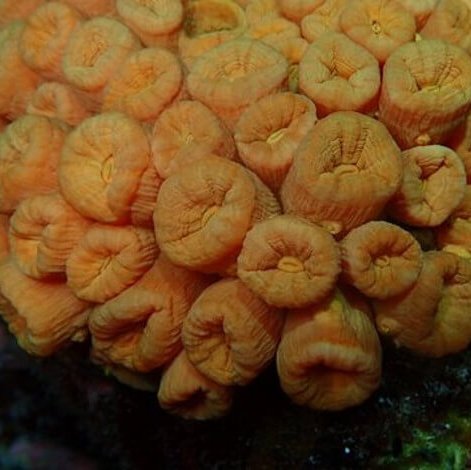
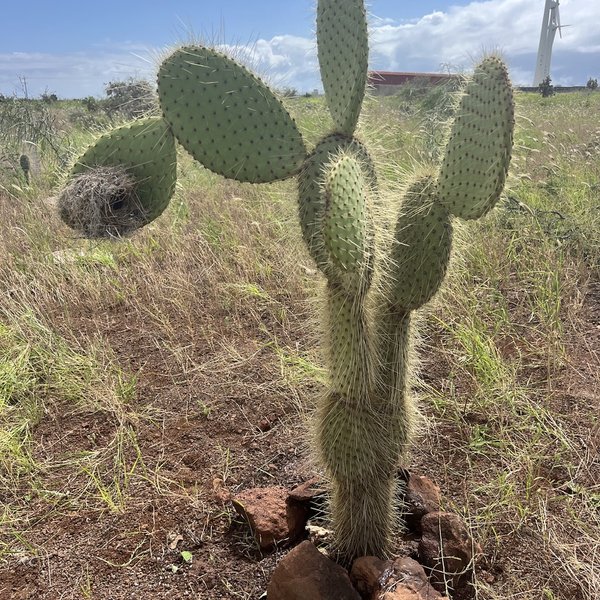
Baltra Island is coming back to life after more than a decade of restoration. Thanks to over 8,000 native plants introduced by the Charles Darwin Foundation and partners, ecosystems are regenerating naturally, offering new hope for Galápagos conservation.
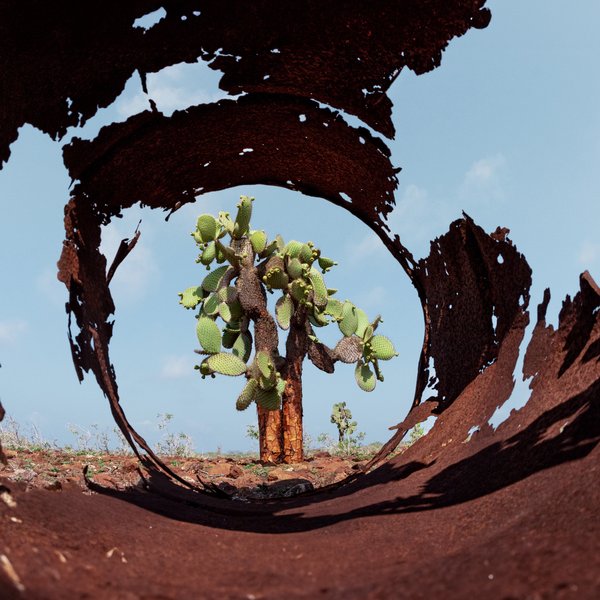
In Galapagos, 83% of the landmass falls within the arid zone. Restoring plant communities in this zone is challenging and slow, and natural regeneration in severely degraded areas is very limiting. Our scientists work to restore the arid habitat across various islands in the archipelago, notably Baltra Island, which has undergone significant human alteration, and special use sites such as garbage dumps and quarries on inhabited islands.