Results
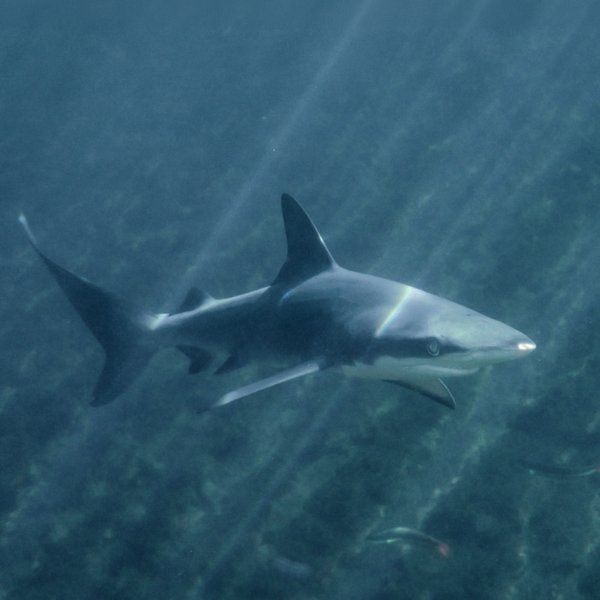
Galápagos sharks do not all behave the same. Hammerheads form large schools, whitetip reef sharks rest on reefs, tiger sharks repeatedly return to key feeding areas, and whale sharks undertake long migrations. Understanding these different behaviors helps protect critical habitats, migration routes, and supports more effective conservation strategies for each species.
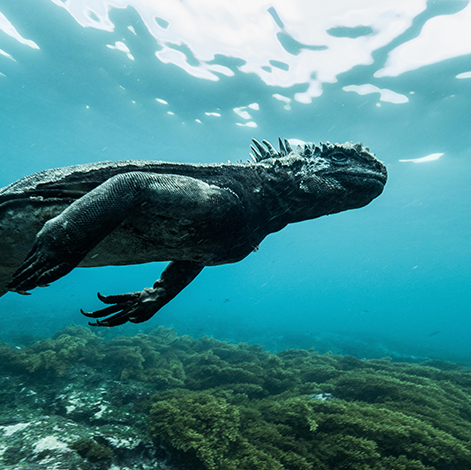
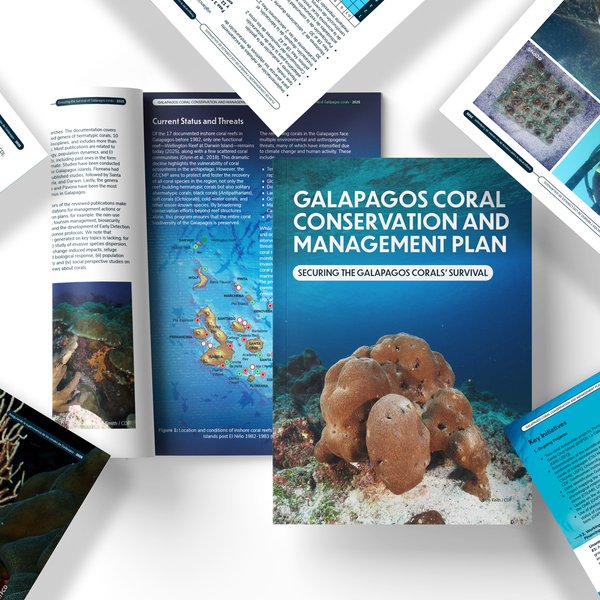
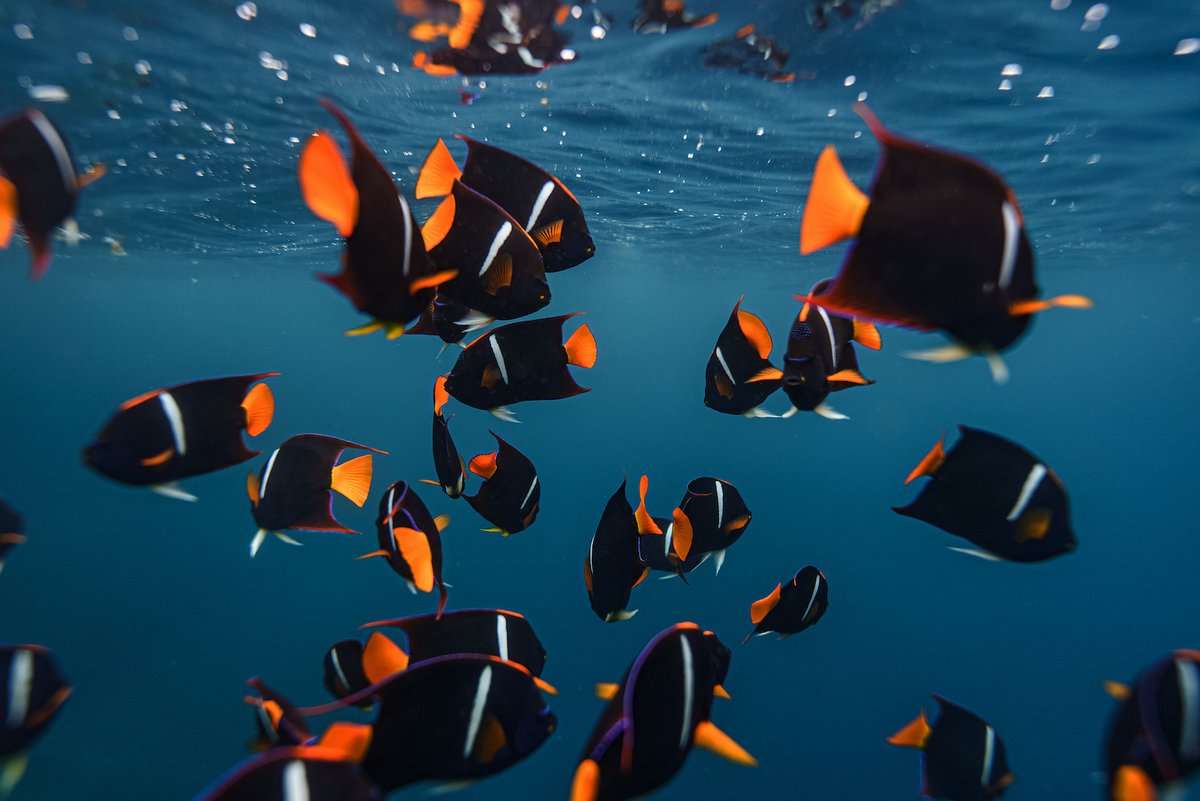
The Galapagos Coral Conservation and Management Plan (PCMCG) aims to protect and restore corals across the archipelago through a management plan to 2030 combining long-term research with prioritized actions, recognizing the role corals play in marine ecosystems, coastal protection, tourism, fisheries, and science.
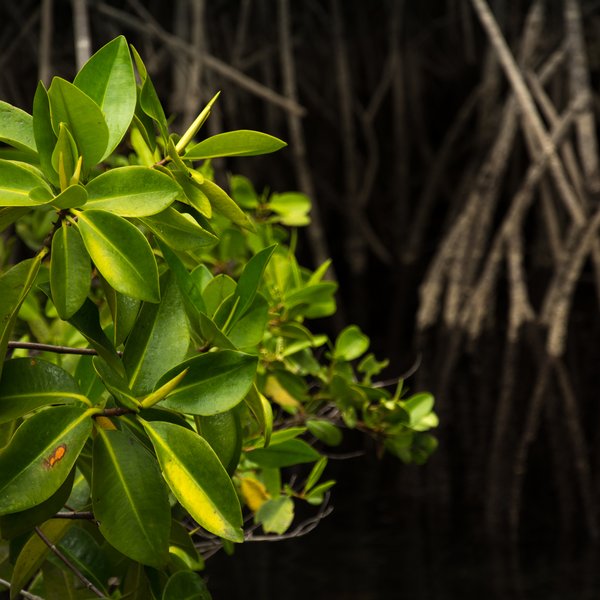
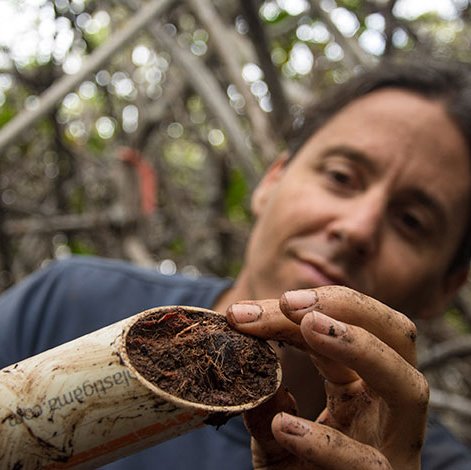
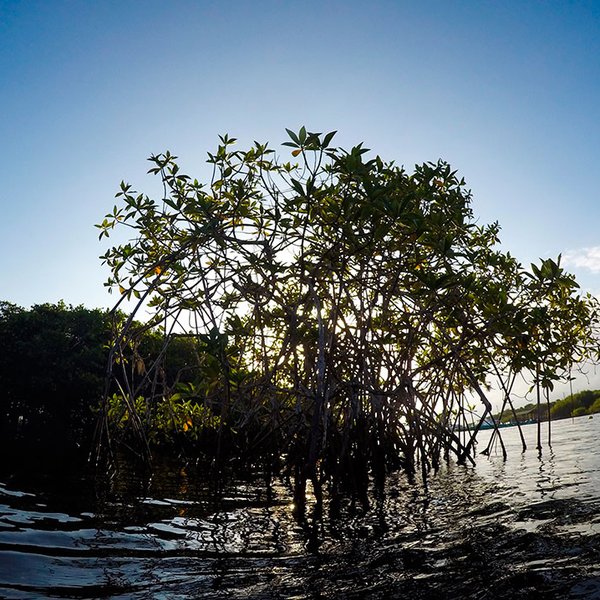
Mangroves in Galapagos provide important habitat for endemic and threatened species, offer essential ecosystem services like carbon sequestration, and support the well-being of local communities through tourism and fisheries. Despite their importance and pristine condition, these mangrove ecosystems and their potential for climate mitigation remain understudied.
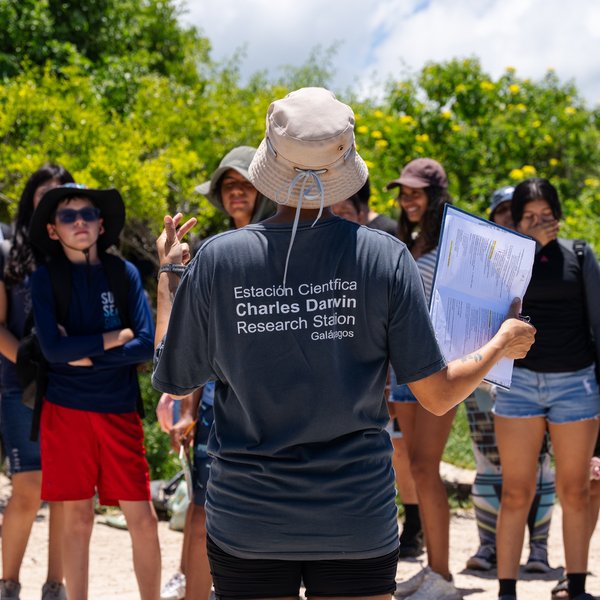
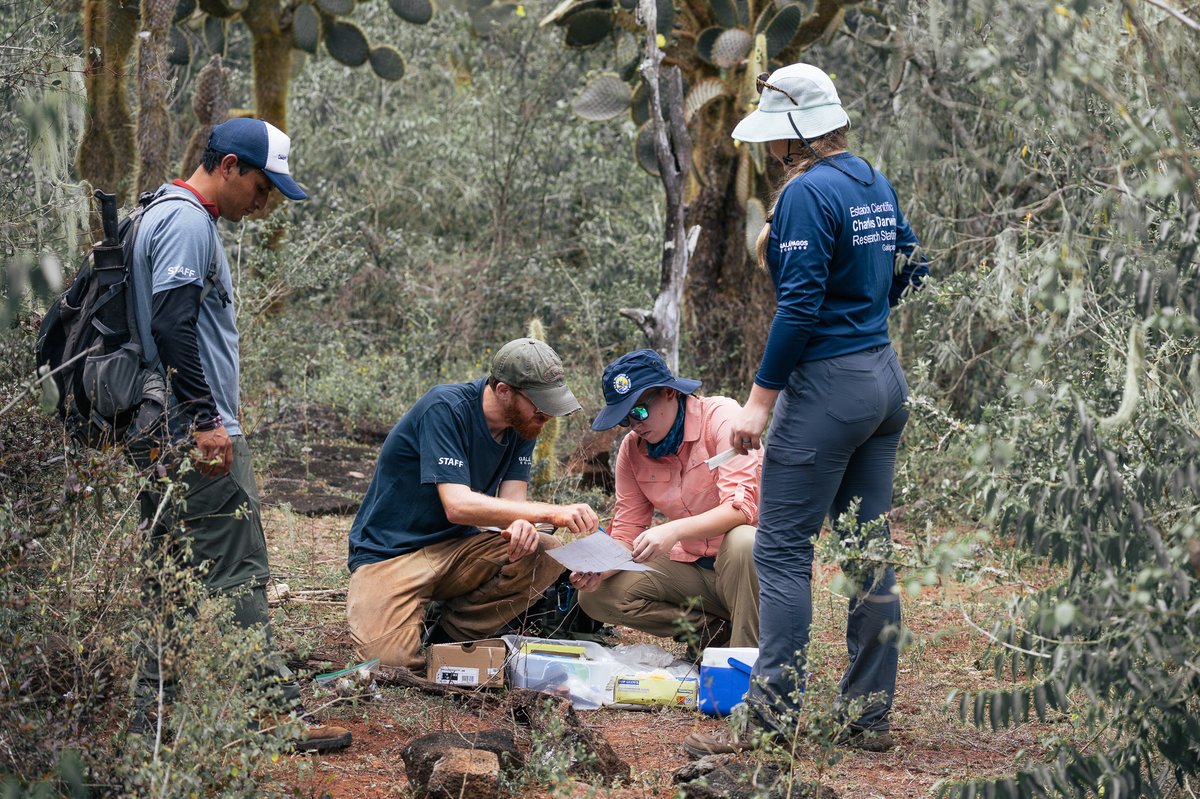
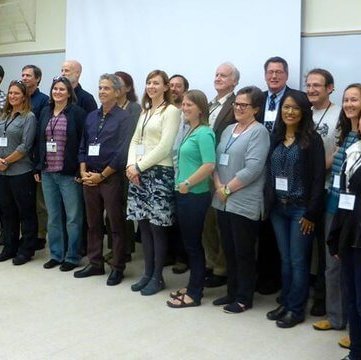
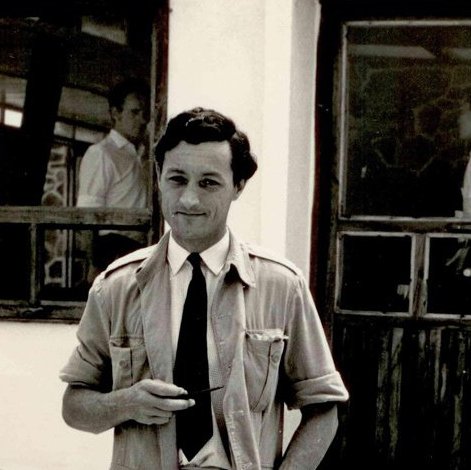
In 1966, a course at the Charles Darwin Research Station marked the beginning of environmental education in Galápagos. Teachers learned to use the natural environment as a teaching tool, linking conservation and community. This experience laid the foundation for context-based education that remains essential to protect the islands’ unique ecosystems.