Results
Embarking on a trip to the Galapagos Islands is an unforgettable experience, but packing for it requires some special consideration. To help you prepare, the researchers at the Charles Darwin Foundation have curated the ultimate packing list.
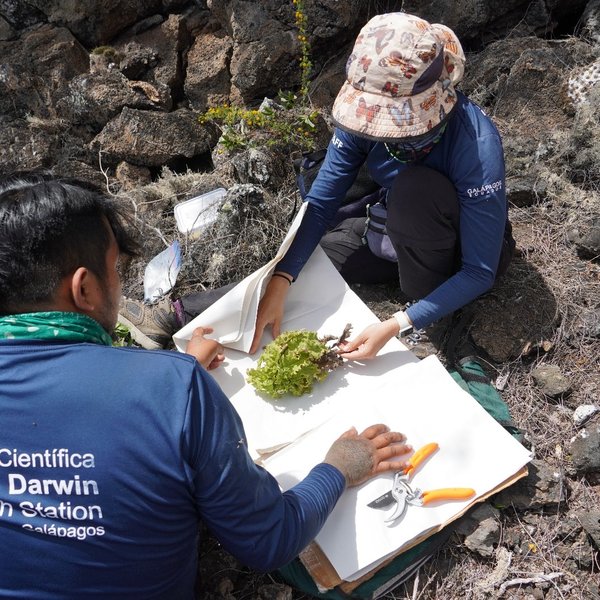
While kayaking along El Garrapatero Beach, a chance sighting led to the re-encounter of Scalesia retroflexa, one of Galápagos’ rarest plants. What began as a weekend outing became a pivotal moment for conservation. Discover how this unexpected find could reshape the future of an endangered species.
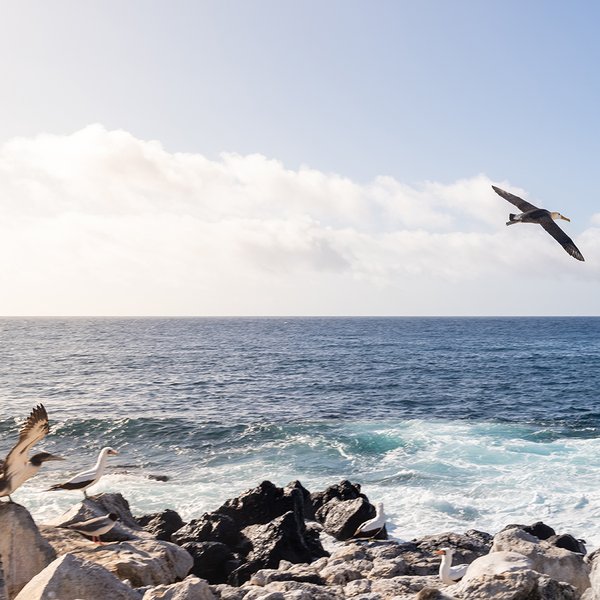
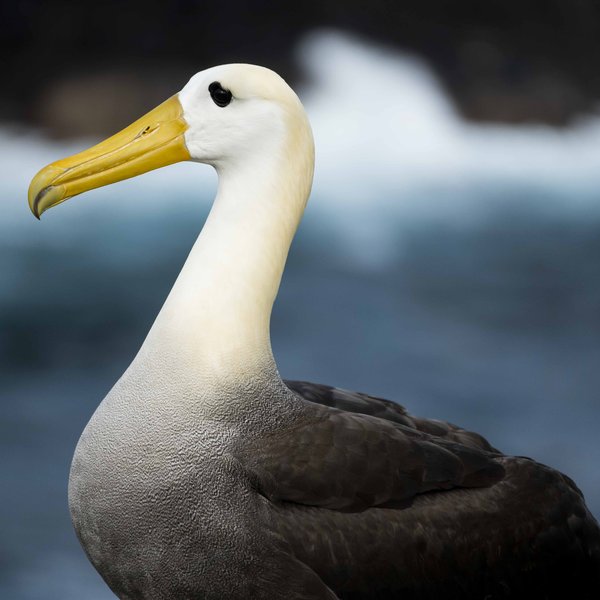
Possibly best known for its remoteness, giant tortoises and links with Charles Darwin, the Galápagos Islands—600 miles off the Ecuadorian coast—are also home with the magnificent Waved Albatross (Phoebastria irrorate), a huge bird that nests there and raises its young during nine months of the year. The largest bird in the Islands, it is the only albatross that lives in the tropics.
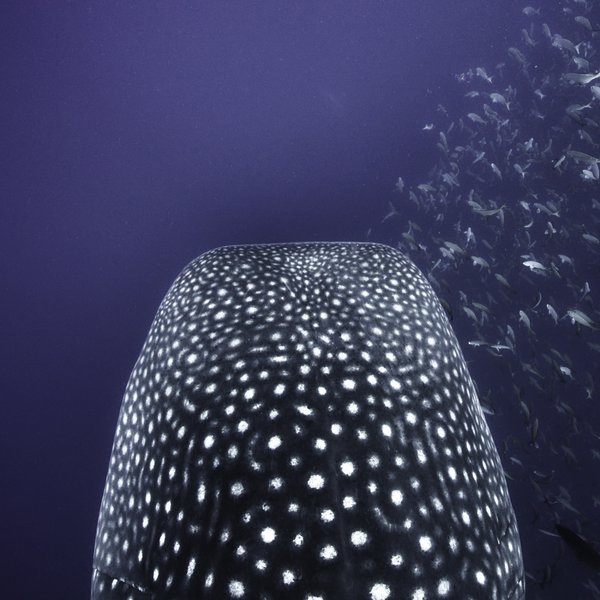
Ushering in a new chapter for ocean governance ratification of the BBNJ agreement.
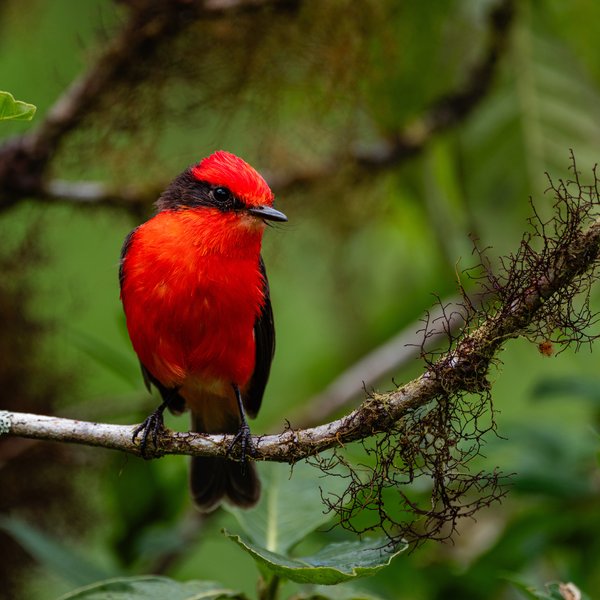
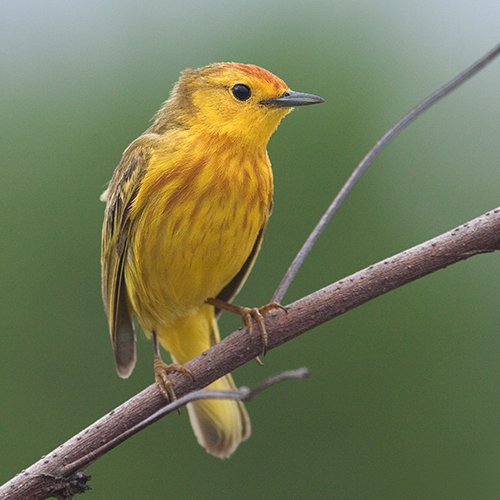
The Galápagos landbird breeding season (January–April) is critical for conservation. Monitoring and adaptive management, including innovative control of Philornis downsi, are improving nesting success. Early results show population recovery in key species, supported by habitat restoration. Ongoing data collection will determine long-term effectiveness and guide future conservation strategies.
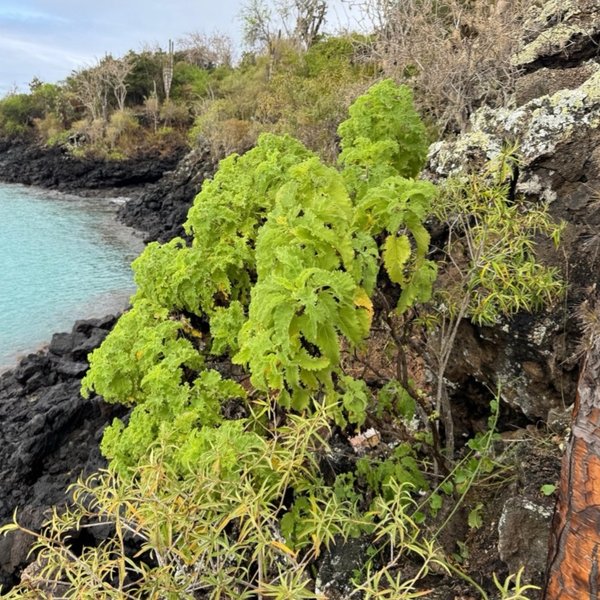
Scalesia plants in Galápagos illustrate adaptive radiation through variations in height, leaf size, and structure across environments. While these traits reflect their ability to adjust, rapid environmental changes may exceed their adaptive limits. Research identifies how these species respond, supporting monitoring and conservation efforts to protect vulnerable plant populations.
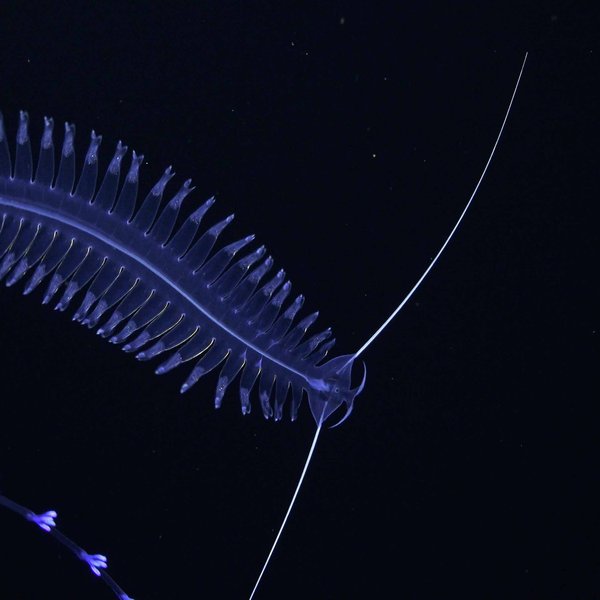
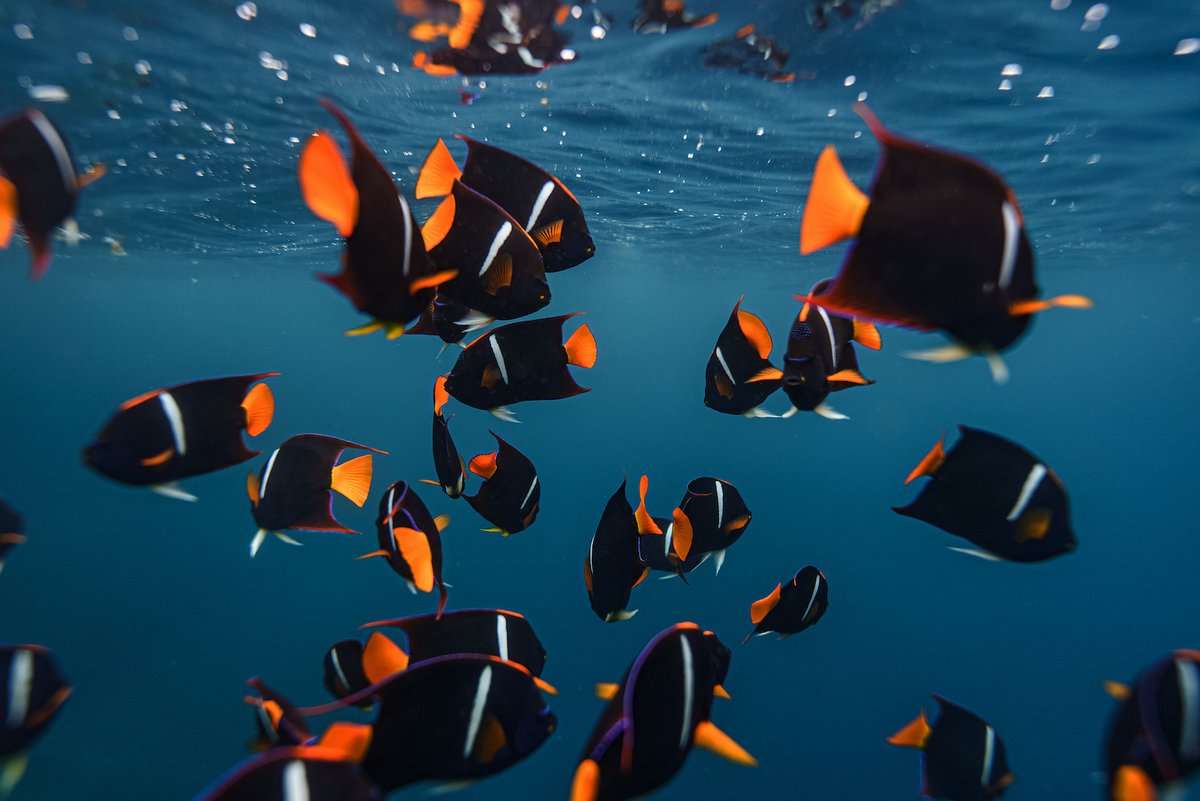
The deep ocean of the Eastern Tropical Pacific hosts unique ecosystems, including seamounts, deep reefs, and abyssal habitats. These environments support remarkable biodiversity, regulate climate, and connect migratory species. Scientific research is essential to discover new species, understand ecological processes, and strengthen conservation against growing environmental threats.

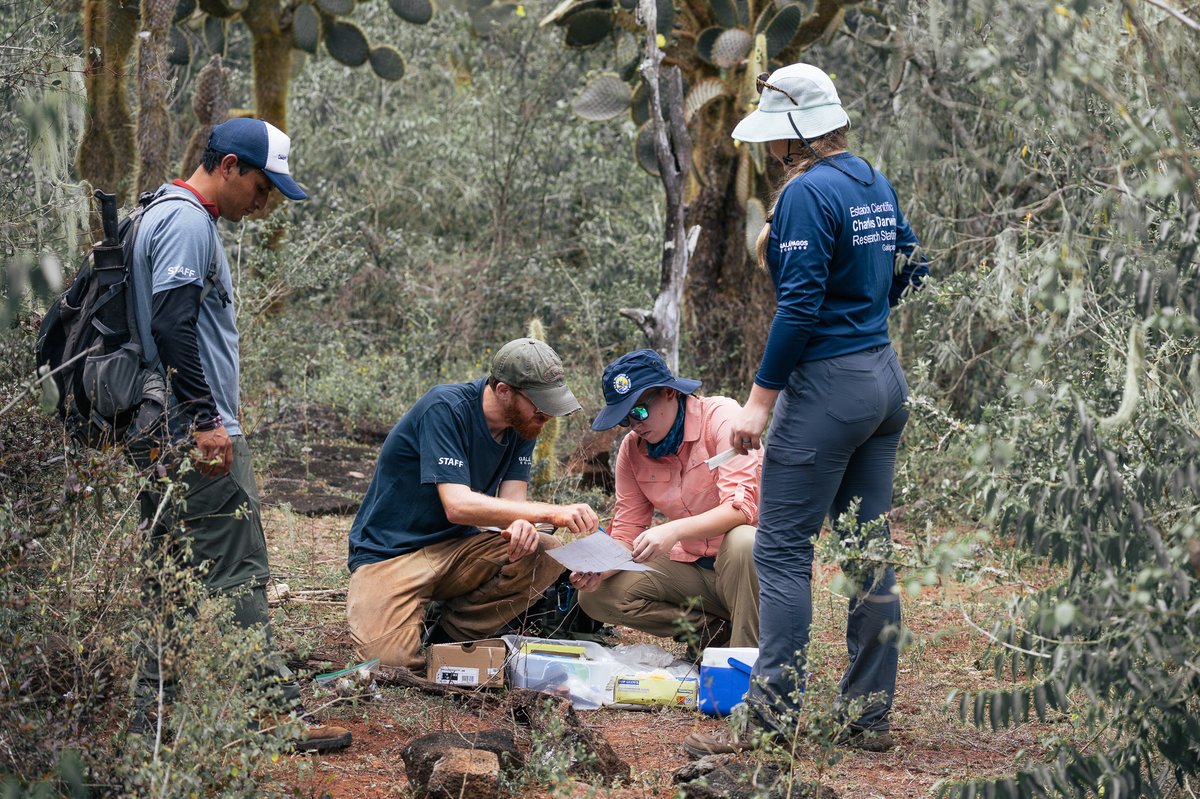
After nearly two decades of research, Lecocarpus lecocarpoides, a threatened Galápagos plant, is showing signs of recovery at Punta Manzanillo. The discovery of 54 seedlings shows that reintroduced plants produced viable seeds capable of naturally regenerating the population.
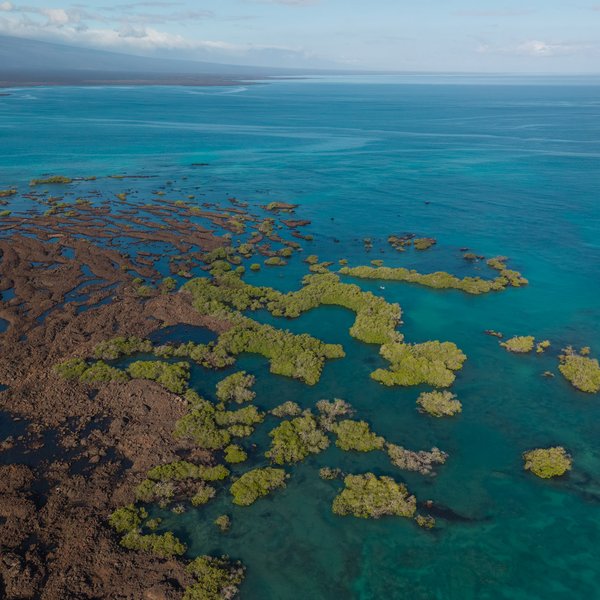
El Niño 2026 is transforming ocean conditions around Galápagos, with potential effects on food availability, reproduction, and survival across many species. Penguins, marine iguanas, sea lions, and corals are among the most vulnerable. Decades of scientific monitoring will help measure impacts and guide future conservation decisions across the archipelago effectively.
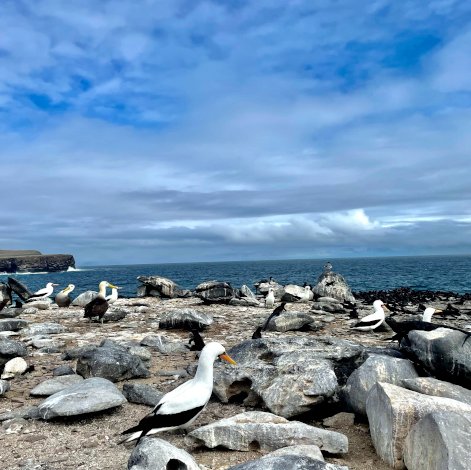
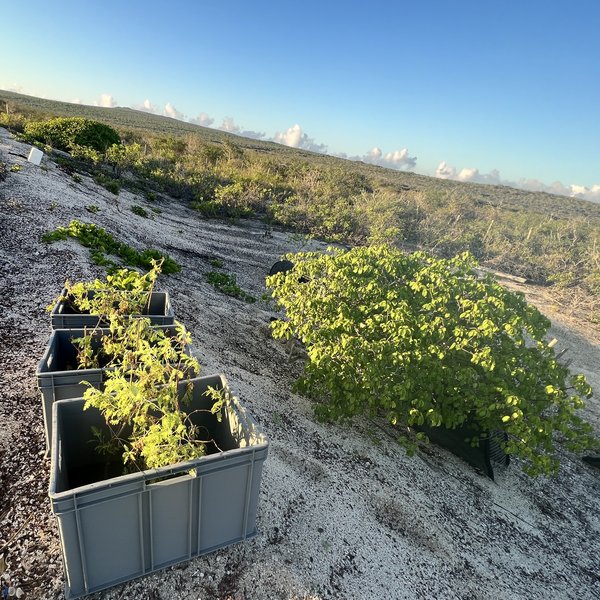
In November 2020, I joined the Galapagos Verde 2050 (GV2050) team during an exciting time. The team had just returned from an expedition to Punta Manzanillo on Española Island, where they had rediscovered a small population of Lecocarpus lecocarpoides, a species thought to be locally extinct. With 50 precious seeds collected, I was given a mission: to use these seeds to help recover the only population of this endangered species on the island.
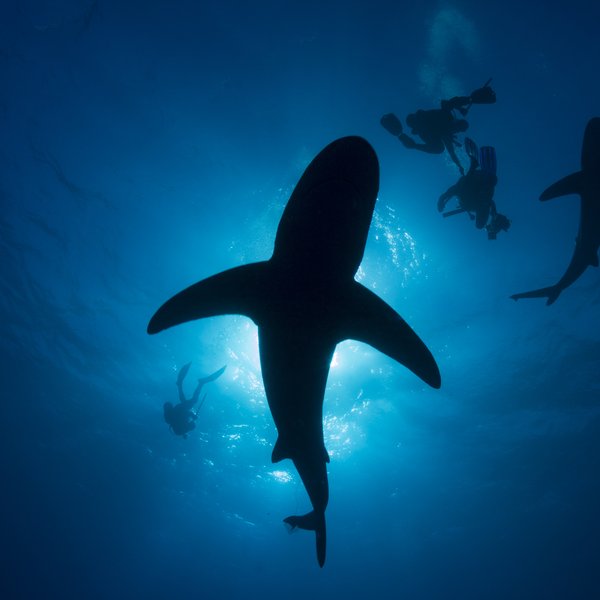
Habla Tiburón is a project that aims to improve the long-term health of shark and ray populations in Ecuadorian waters while empowering fishing communities.
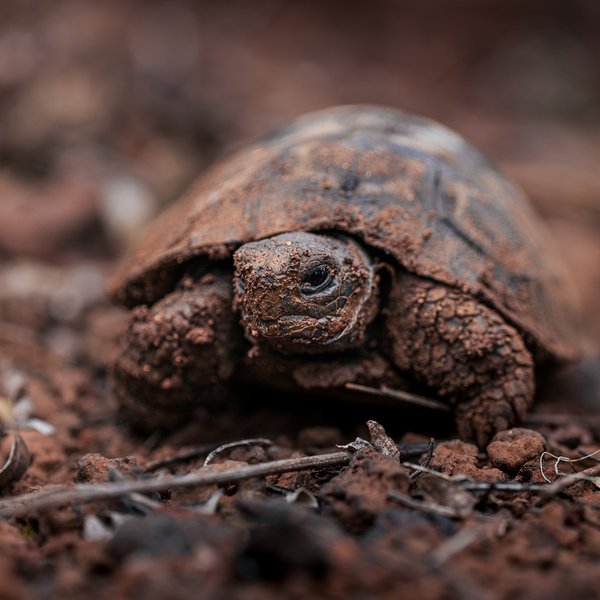
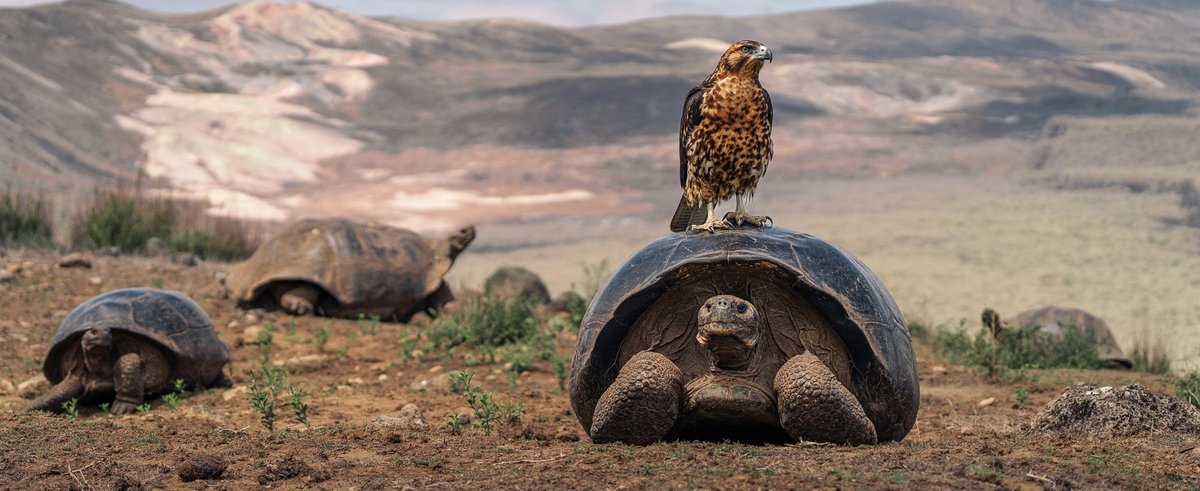
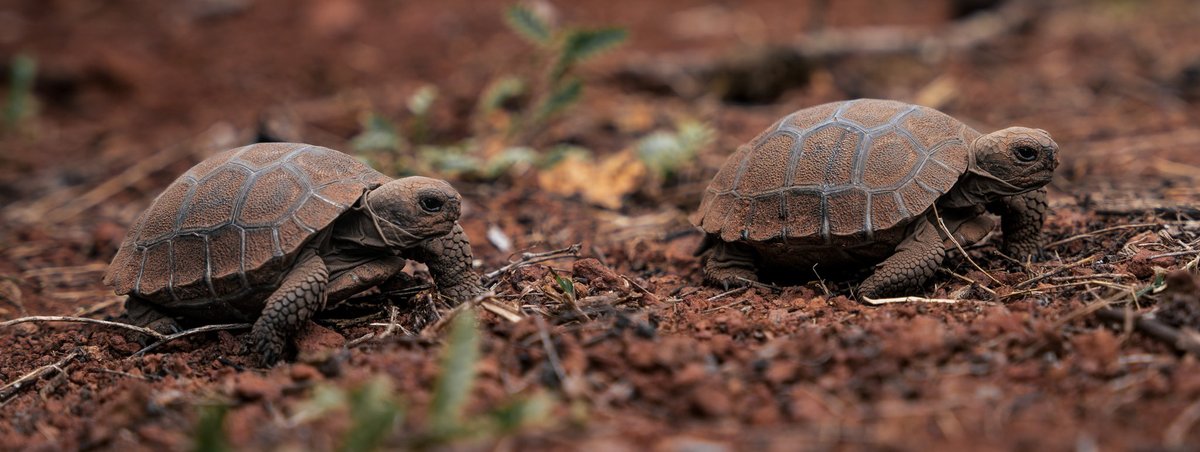
By adopting a Galapagos giant tortoise, you will contribute to our research and outreach activities related to various tortoise species. The Galapagos tortoises have become threatened largely due to habitat change and fragmentation, climate change, diseases, and introduced species. The Charles Darwin Foundation leads a multi-institutional project that aims to determine movement behavior, assess health, and describe the ecological role of tortoises in the Galapagos ecosystems.
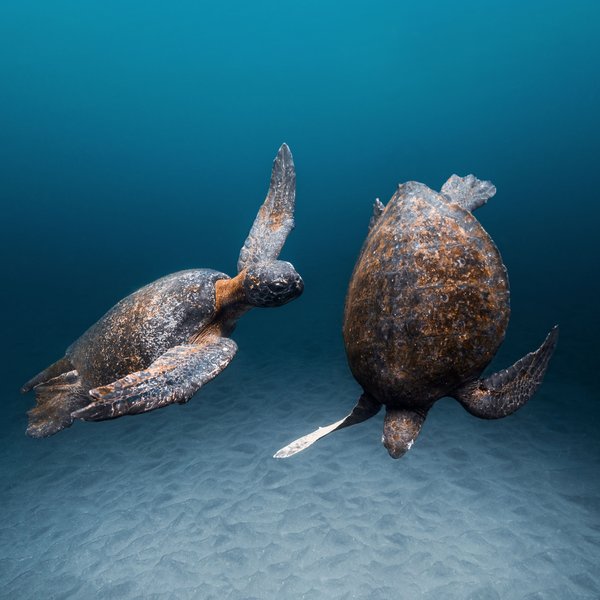
Important feeding and nesting sites for the endangered East Pacific green turtle in Galapagos are increasingly threatened by tourism, marine traffic and climate change. Our research is helping to identify the key areas where sea turtles are most vulnerable, and to develop solutions to protect them in the long term.
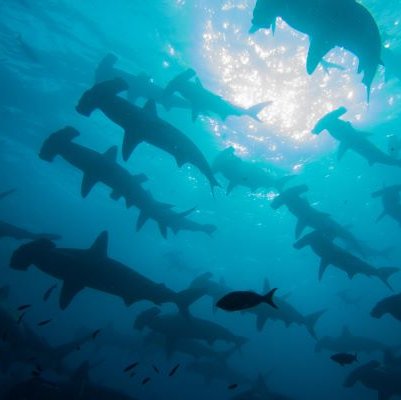
Ecologically, the ocean is one interconnected system. Yet international law has divided it into arbitrary maritime zones based on geopolitical interests. Our research seeks to improve transnational ocean governance and conservation outcomes in the Eastern Tropical Pacific, through collaboration with scientists, academics, practitioners, and decision-makers.