Results
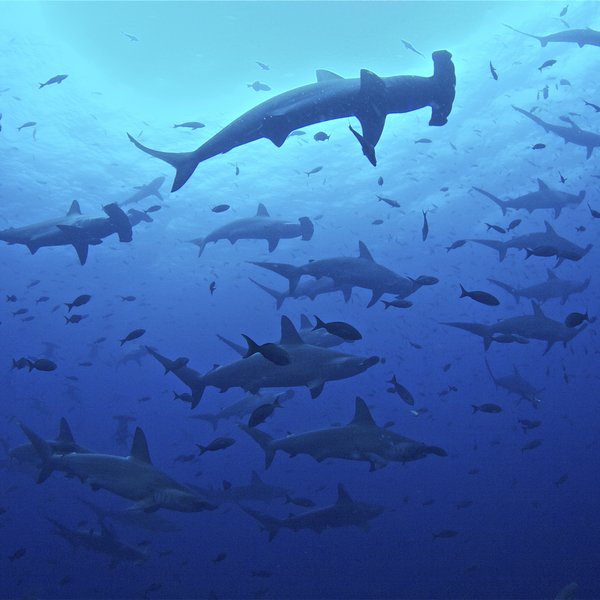
From the heart of the Galapagos, discover how science, community, and conservation unite to protect sharks, turtles, seabirds, and more. Explore the threats, the efforts, and how you can help safeguard our shared blue planet.
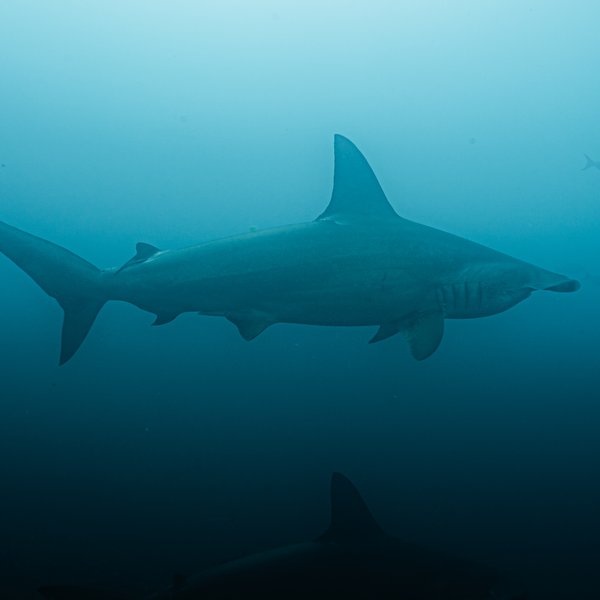
Dive into the mysterious world of sharks and discover their vital role in keeping our oceans healthy. Far from being monsters, sharks are guardians of balance, threatened by human actions. Learn how these majestic creatures sustain marine ecosystems—and how you can help protect them during Shark Week.
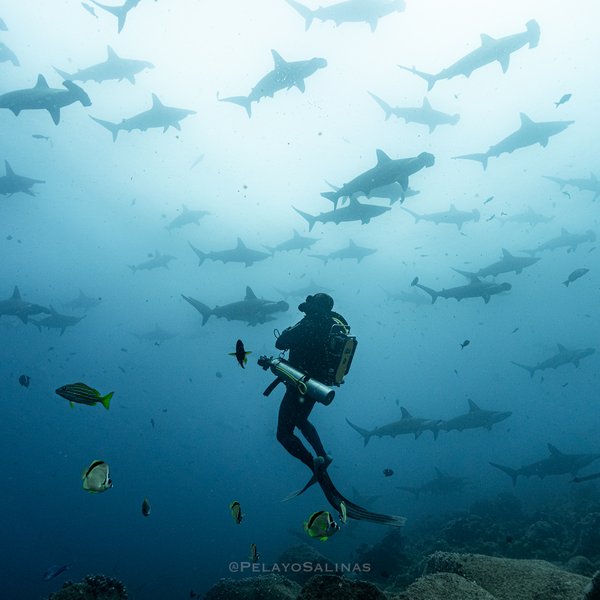
Scientists from the Charles Darwin Foundation’s shark ecology and conservation program and collaborators, have published what is likely the first-ever scientifically recorded birthing migration for the critically endangered scalloped hammerhead shark (Sphyrna lewini).
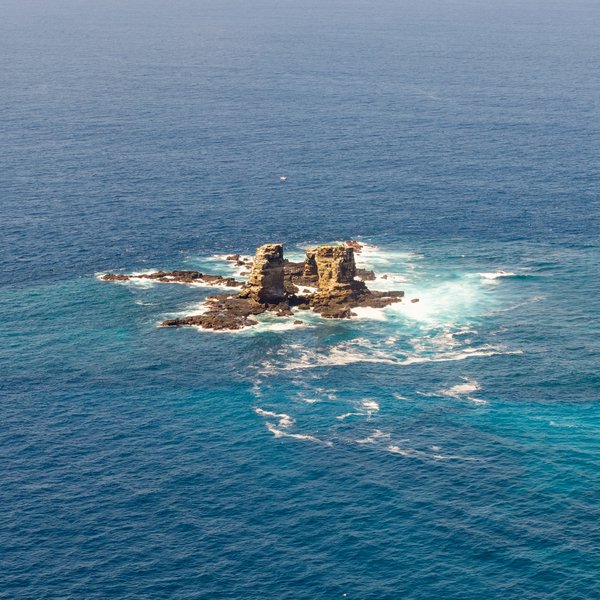
While diving in Galapagos, Erika De la Cruz encountered a hammerhead shark unlike any she’d seen before—one with a curved spine. What began as a routine dive turned into a groundbreaking scientific discovery. Read her story of wonder, resilience, and the power of observation beneath the waves.
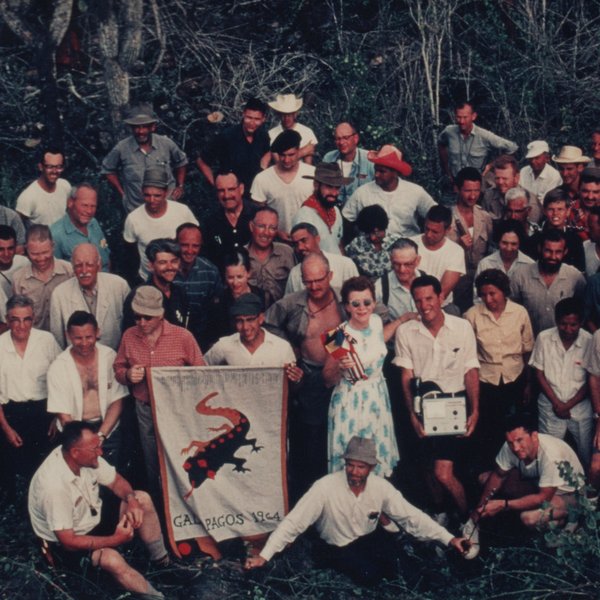
In 2024, the Charles Darwin Foundation (CDF) commemorated 65 years of continuous work in favor of scientific research and conservation of the Galapagos Islands. This anniversary not only marks an outstanding trajectory, but also invites reflection on the role that new generations and authorities must assume to strengthen the protection of this unique natural heritage.
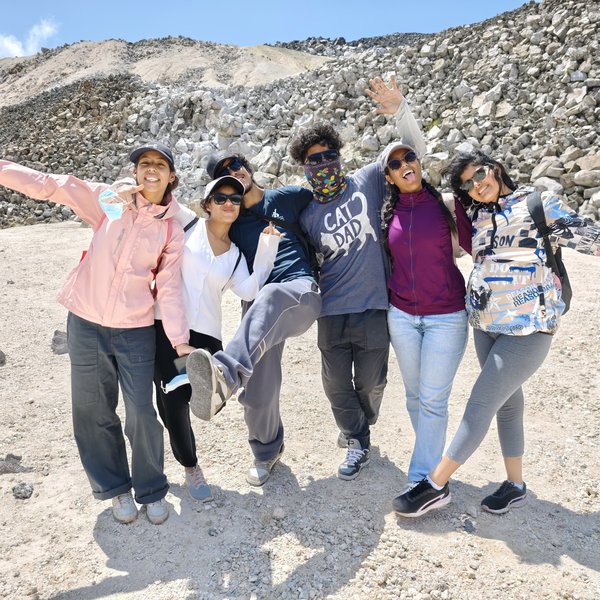
From shy “Shark-Strangers” to a united “Shark-Family,” the Charles Darwin Foundation Leaders Club is transforming young lives in Galápagos. Through leadership workshops, mentoring, adventures on Isabela Island, and unforgettable bonds, these youth are learning to believe in themselves and to protect their home. Discover their inspiring journey here.
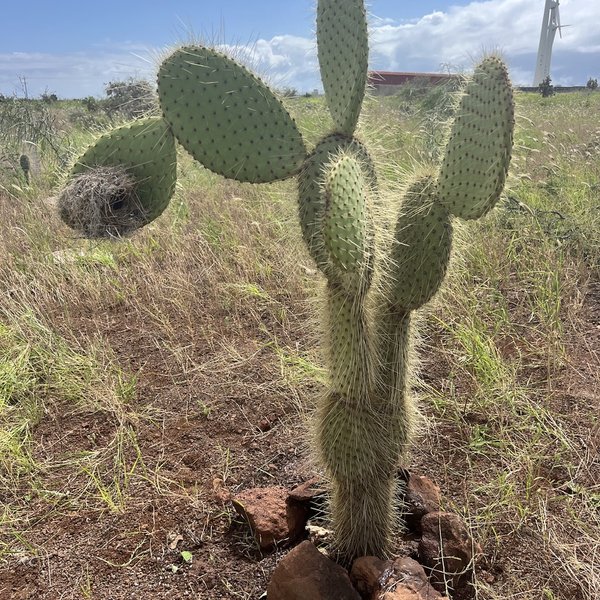
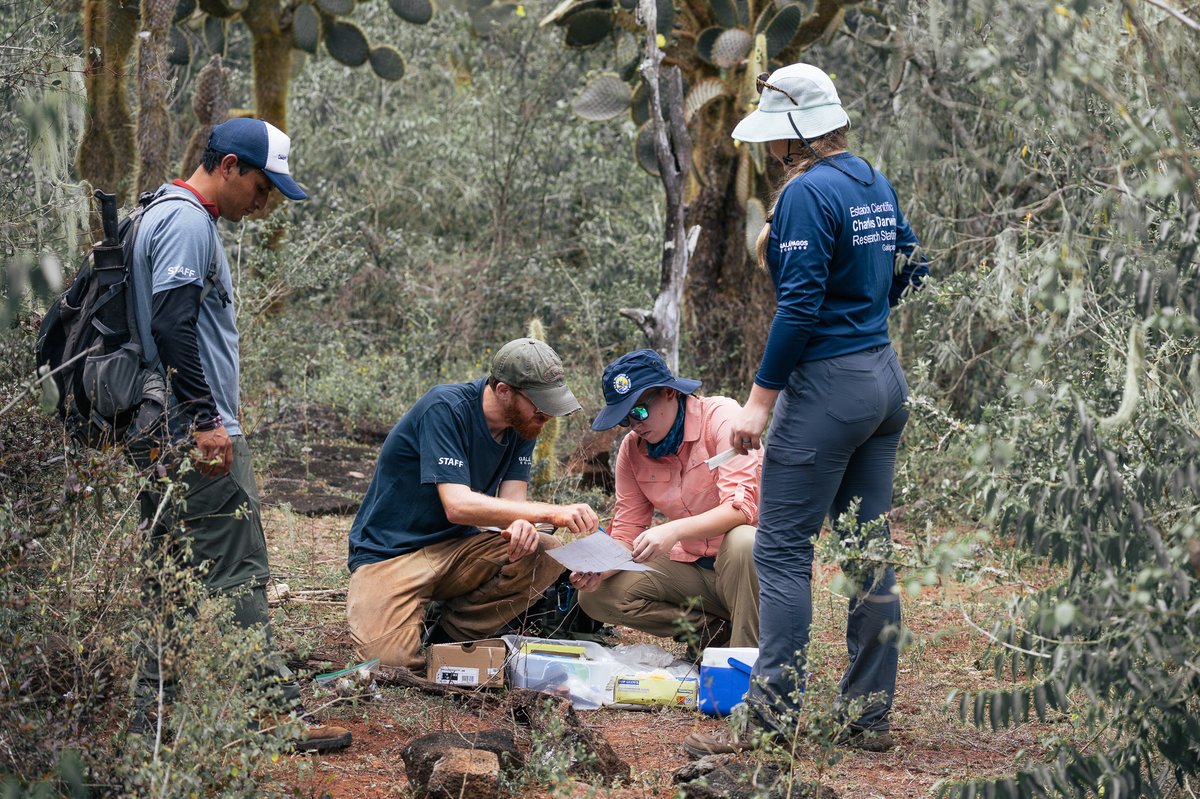
Baltra Island is coming back to life after more than a decade of restoration. Thanks to over 8,000 native plants introduced by the Charles Darwin Foundation and partners, ecosystems are regenerating naturally, offering new hope for Galápagos conservation.
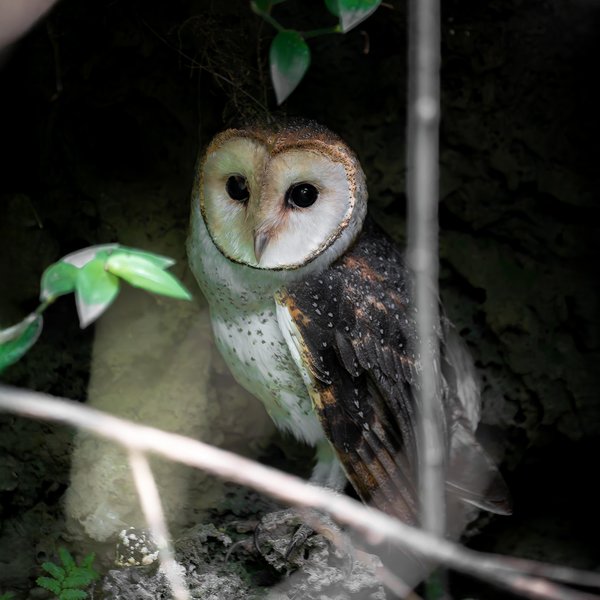
With a heart-shaped face and silent wings, the Galapagos barn owl is a quiet force of balance in the archipelago’s ecosystems. Endemic to the Islands, this elusive predator controls invasive rodent populations, supporting the survival of critically endangered species and ongoing ecological restoration. In the shadows of lava tunnels and forest canopies, it hunts with precision—and reminds us that even the smallest wings can carry the weight of conservation.
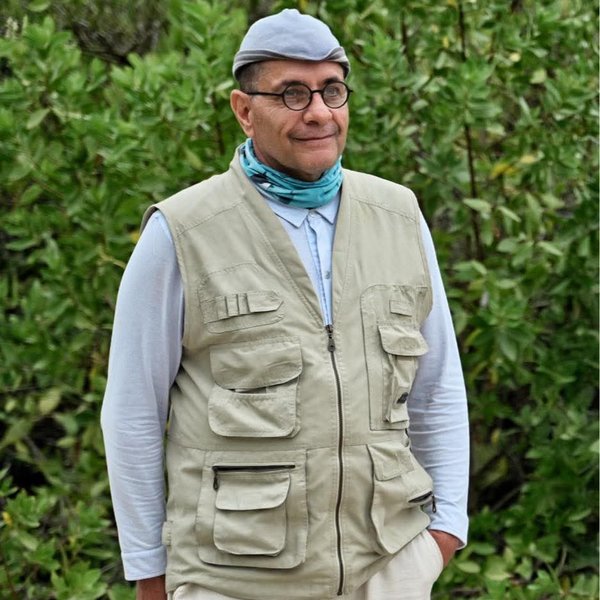
When Mathias Espinosa dived into the ocean, the world fell silent. “Diving is a kind of yoga underwater, where the only thing you hear is your own breathing,” he used to say. That philosophy marked more than three decades of explorations, encounters, and teachings that made him one of the pioneers of sustainable diving tourism and a fervent defender of the biodiversity of the Galápagos Islands.
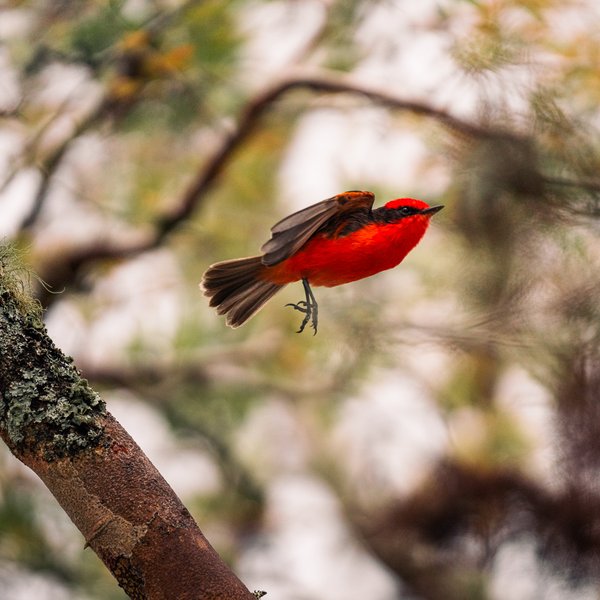
We are excited to announce that the Charles Darwin Foundation (CDF) is now a member of the Global Rewilding Alliance, an international network of over 170 organizations restoring nature around the world. Together, we believe that rewilding is one of the most powerful paths forward to tackle biodiversity loss, climate change, and the global environmental crisis.
For more than 65 years, CDF has grounded its work in rigorous science and deep commitment to conservation in the Galápagos Islands. From wildlife monitoring to habitat restoration, from policy advice to community engagement — our efforts center on restoring natural systems so they thrive. Joining the Global Rewilding Alliance now lets us share what we’ve learned, collaborate with new partners, and scale up our impact.
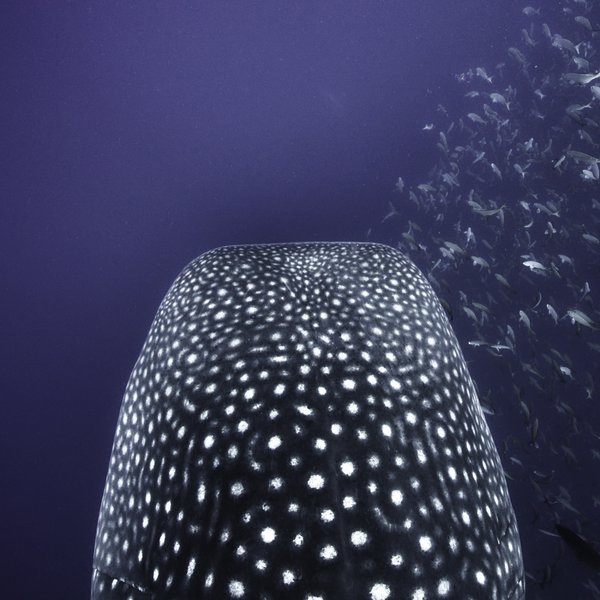
Ushering in a new chapter for ocean governance ratification of the BBNJ agreement.
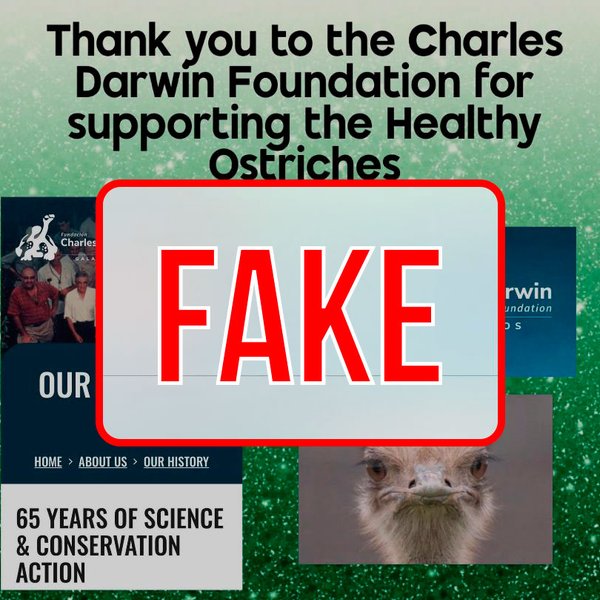

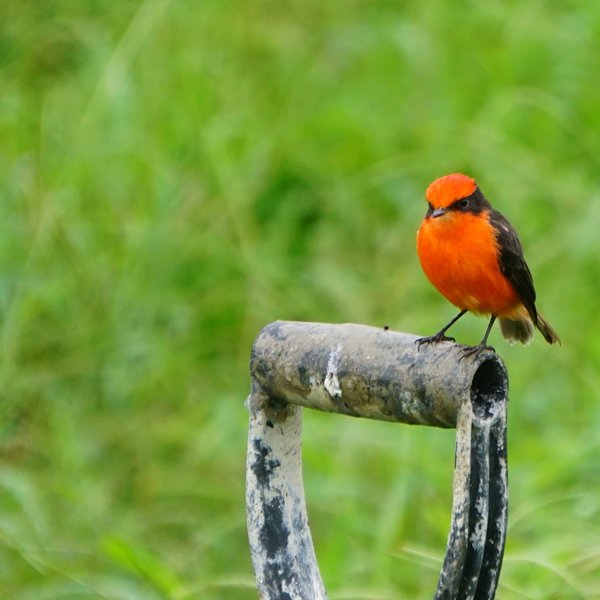
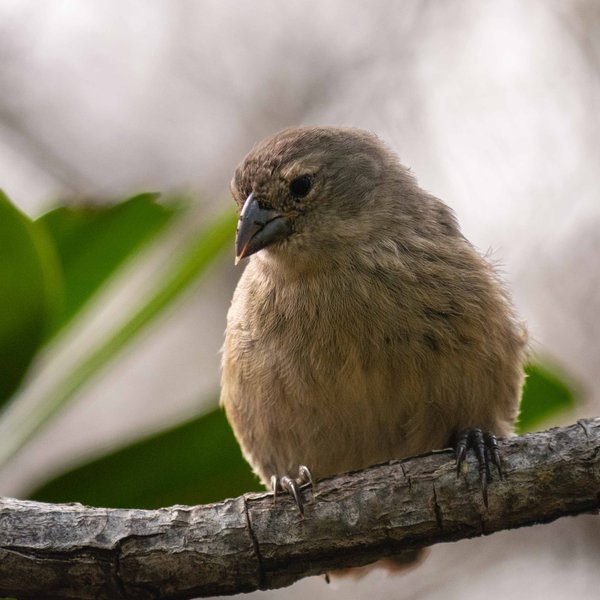
The Galápagos Islands face a growing threat from invasive species that endanger native biodiversity. Classical biological control, using natural enemies to regulate these species, offers a sustainable and safe way to restore ecological balance and protect this unique ecosystem.
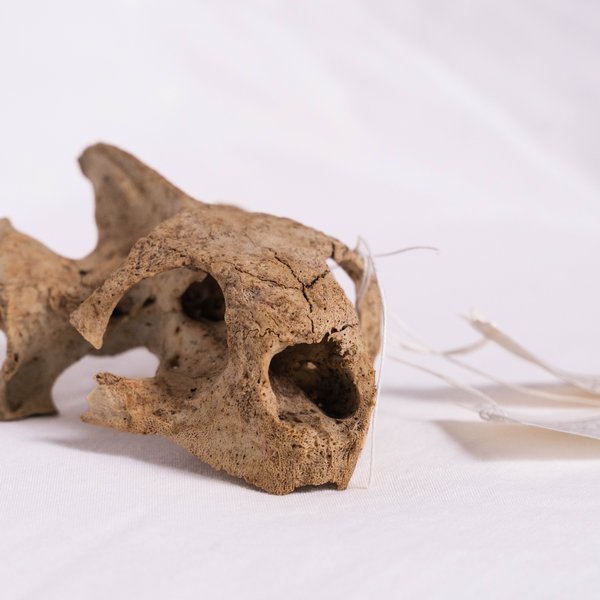
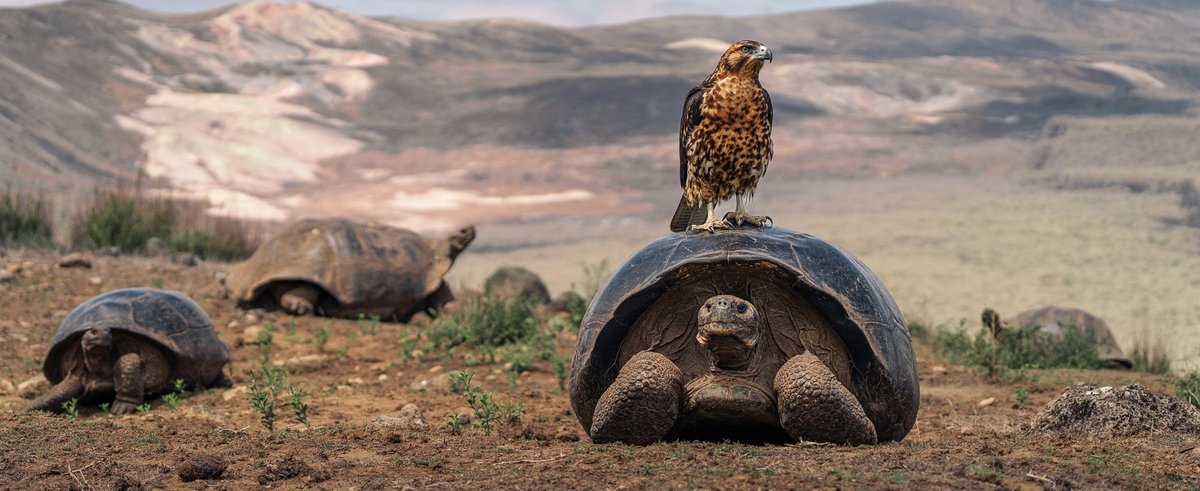
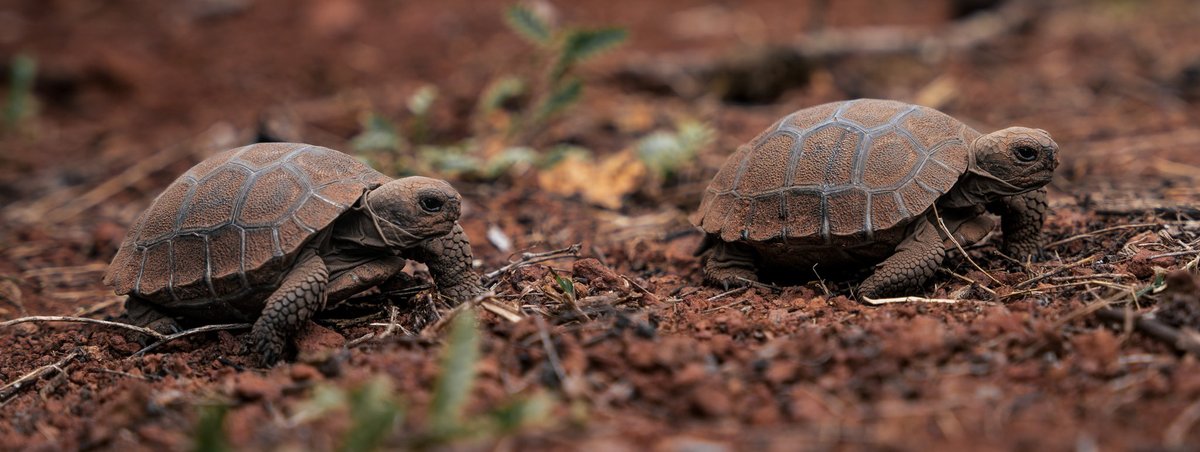
In 1969, during relentless rains on Santa Fe Island, scientist Tjitte de Vries discovered a small, well-preserved tortoise skull. Taken to the Charles Darwin Research Station, the find intrigued researchers, who believed it might belong to the island’s long-extinct giant tortoise.
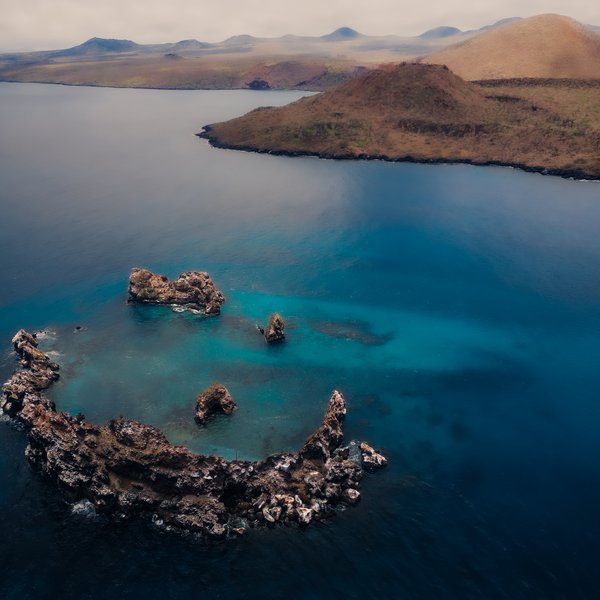
Floreana Island, heavily impacted by introduced species and biodiversity loss, now hosts one of Galápagos’ most ambitious restoration efforts. With a small community and 54 species still threatened, the Floreana Ecological Restoration Project aims to recover the island’s ecological balance through the removal of invasive species and the return of native wildlife.
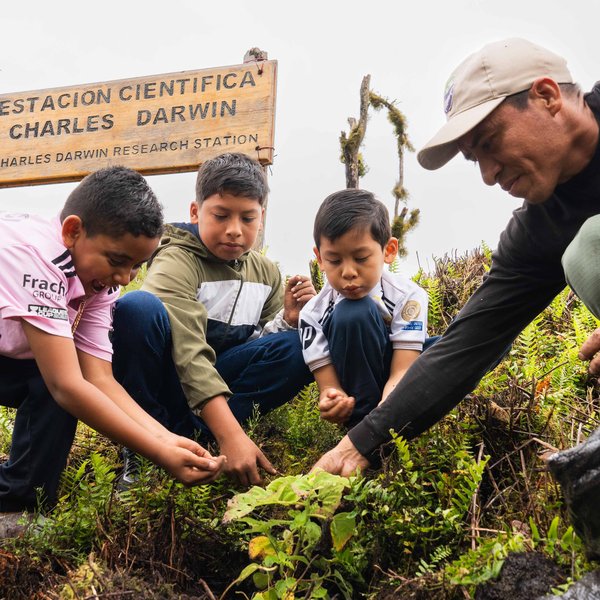
Discover the revival of Isabela Island’s historic Children’s Forest, a once-forgotten sanctuary of the endangered Scalesia cordata. From its origins with Don Jacinto to today’s community-led restoration, this story reconnects generations through conservation, memory, and hope. Click to explore how a beloved forest is coming back to life.
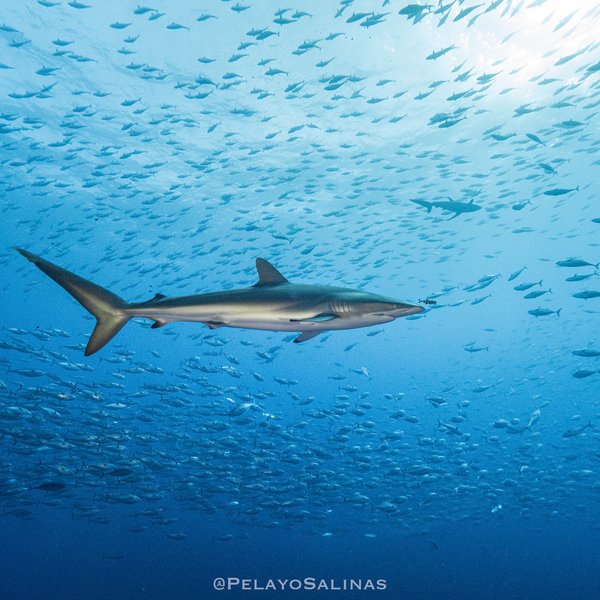
Dive into a powerful reflection on ocean decline—and the surprising places where hope still thrives. This story journeys from centuries-old seas teeming with life to today’s threatened oceans, revealing why Galápagos remains a living window into the past. Discover why witnessing these wonders fuels the fight to protect our blue planet.