Results
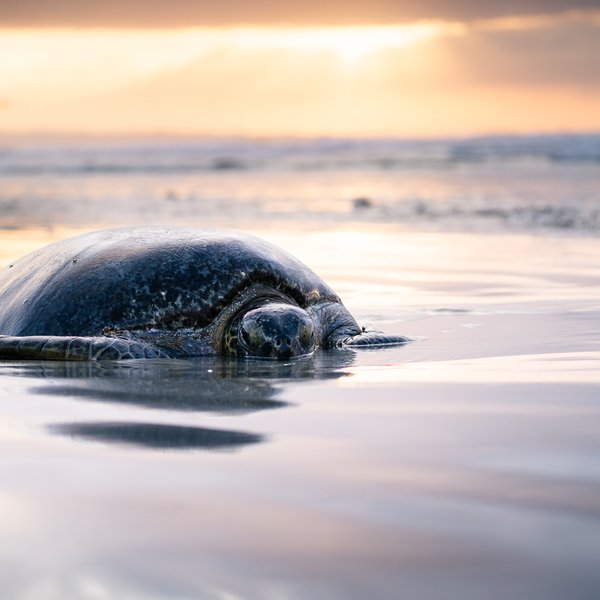
Galápagos green sea turtles play a vital role in maintaining healthy marine ecosystems. At Quinta Playa, scientists monitor their nesting activity to better understand the impacts of climate change. This research provides critical information to protect one of the most important green turtle nesting populations in the Eastern Pacific.
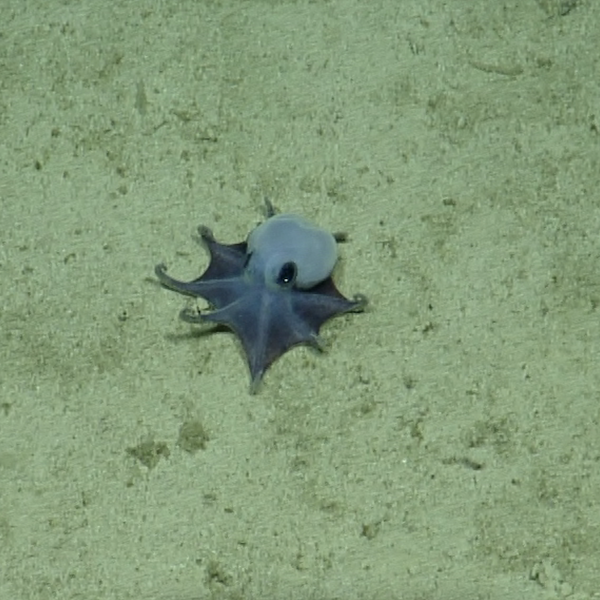
Microeledone galapagensis, a tiny blue octopus discovered 1,770 meters beneath the waters of Galápagos, highlights how much remains unknown about the deep sea. Its identification as a new species was made possible by years of preservation in the Charles Darwin Foundation’s marine collections, underscoring their importance for scientific research.
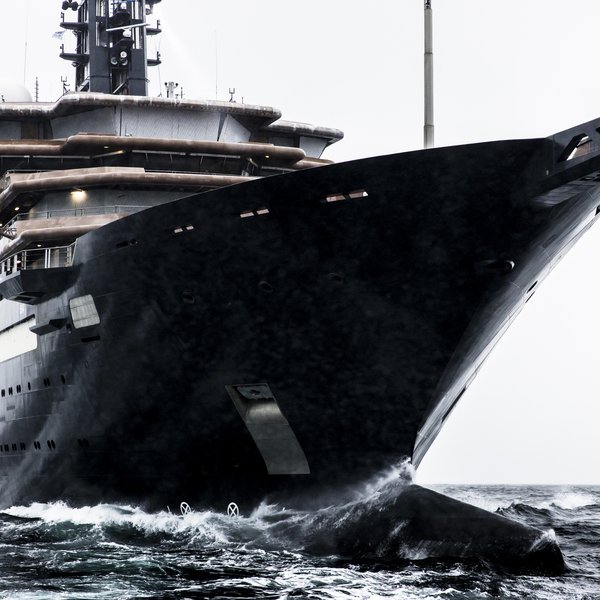
A new regional alliance is opening a window into the deep ocean of the Eastern Tropical Pacific, one of the least explored parts of our planet. By joining scientific expertise, conservation action, and international collaboration, this initiative aims to generate the knowledge needed to better protect vast marine ecosystems and inform ocean stewardship.
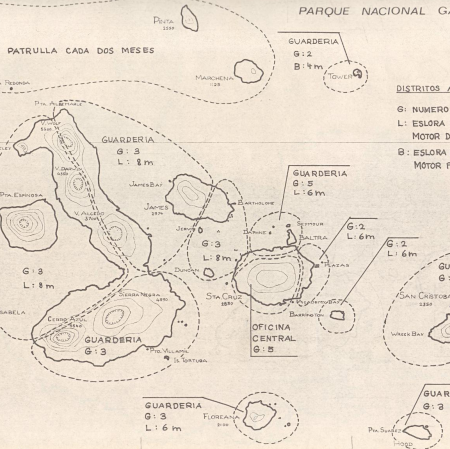
The 1973 Master Plan for the Protection and Use of Galapagos National Park was the first comprehensive planning framework for managing the archipelago. It introduced zoning, strengthened scientific research, and formalized collaboration with the Charles Darwin Research Station, laying the foundations for modern conservation in the Galapagos Islands.
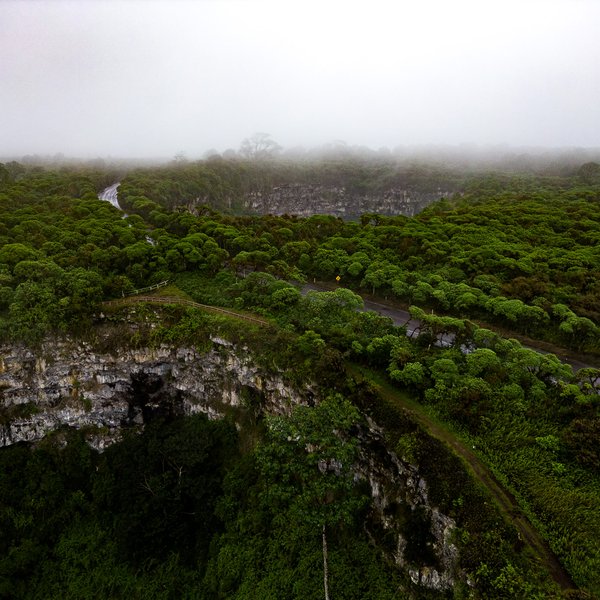
A new international research initiative is investigating how climate change could reshape the Galápagos cloud forests by altering the iconic garúa fog. Discover how scientists will study water, biodiversity, and invasive species to generate the knowledge needed to protect the archipelago’s unique ecosystems and freshwater resources for future generations.
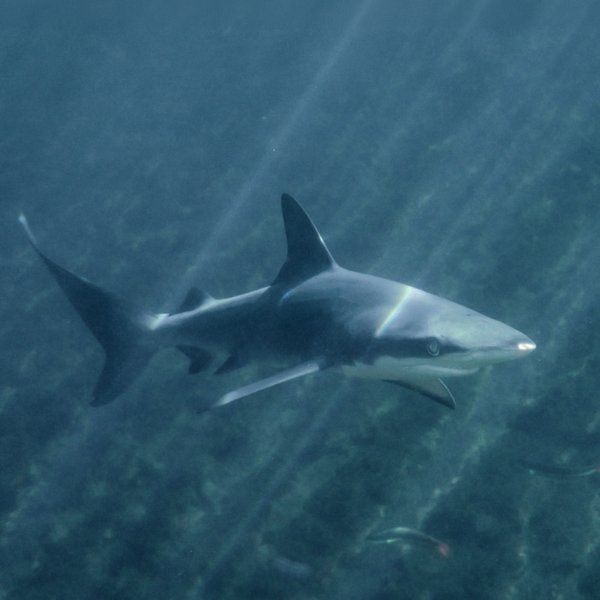
Galápagos sharks do not all behave the same. Hammerheads form large schools, whitetip reef sharks rest on reefs, tiger sharks repeatedly return to key feeding areas, and whale sharks undertake long migrations. Understanding these different behaviors helps protect critical habitats, migration routes, and supports more effective conservation strategies for each species.
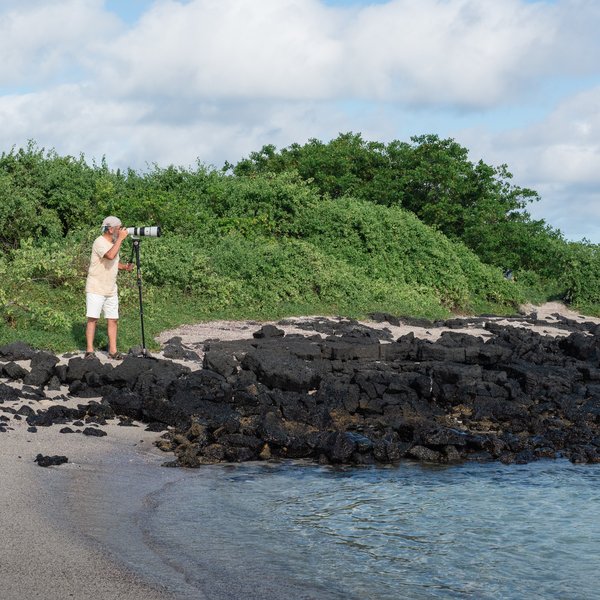
Ornithologist Juan Manuel Carrión shares his perspective on the Galápagos as the world's greatest living laboratory for understanding evolution. In this interview, he discusses endemic birds, the contributions of Peter and Rosemary Grant, the potential of birdwatching tourism, and the Charles Darwin Foundation's role in conservation and scientific capacity building.
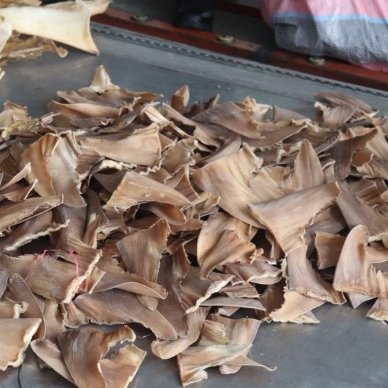
The seizure of 22,000 shark fins highlights contradictions in Ecuador’s shark trade. Although legal exports declined after CITES restrictions, shark landings remain high, much of the meat appears in domestic markets under different labels, and concerns over traceability, illegal trade, and fisheries governance continue to grow.
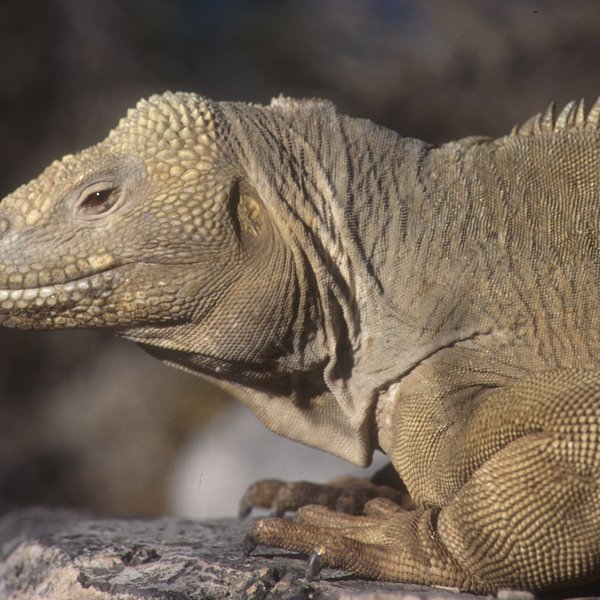
Discover how the Galápagos land iguana recovery program began. From the 1932 translocation to the leadership of Howard and Heidi Snell, this article shows how scientific research, captive breeding, and habitat restoration made possible one of the world's most successful conservation stories.
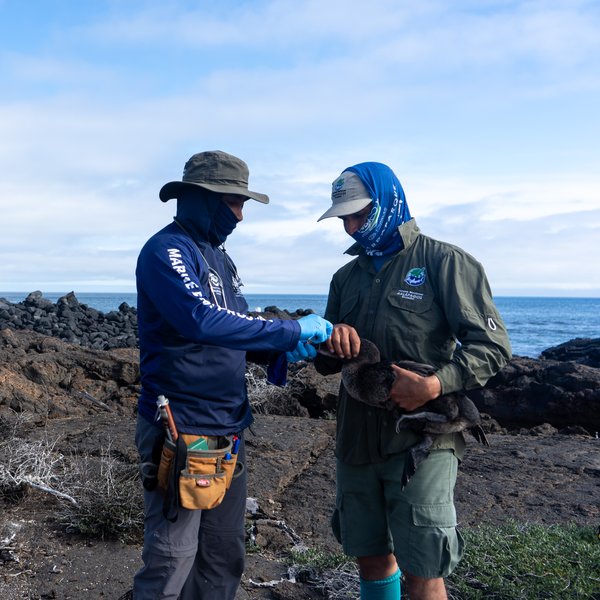
The Charles Darwin Foundation shared the main achievements of its 2025 work through a public accountability event. The initiative highlighted how scientific research supports Galapagos conservation, encouraged dialogue with the local community, and reaffirmed that transparency strengthens institutional trust, collaboration, and long-term commitment to protecting the archipelago.
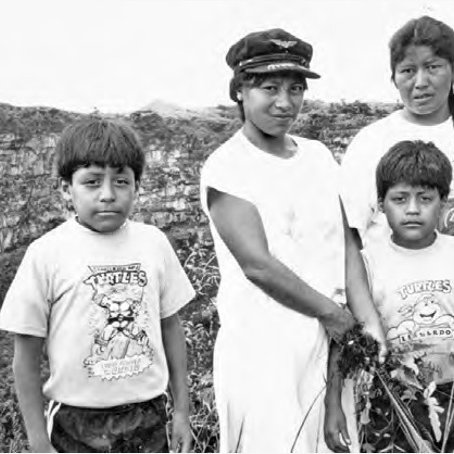
Salasacas de Galápagos tells the overlooked story of an Indigenous community that helped shape Santa Cruz. Drawing on historical research and personal testimonies, the book explores migration, discrimination, community organization, and cultural reaffirmation, revealing how the Salasaca people preserved their identity while contributing to the development of the Galapagos Islands.
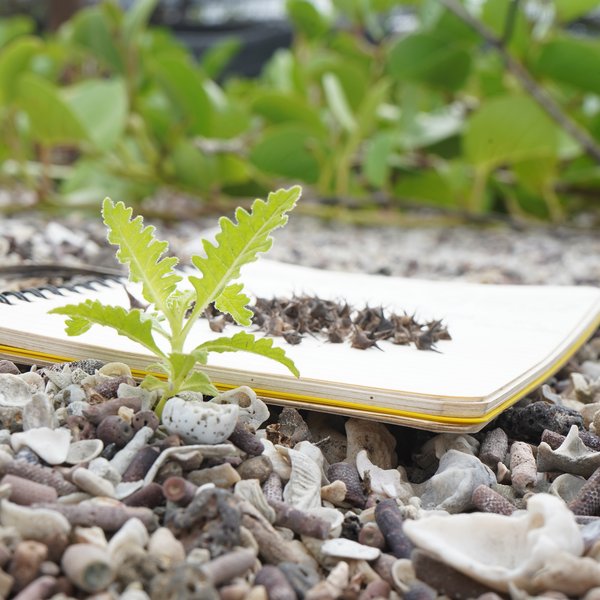
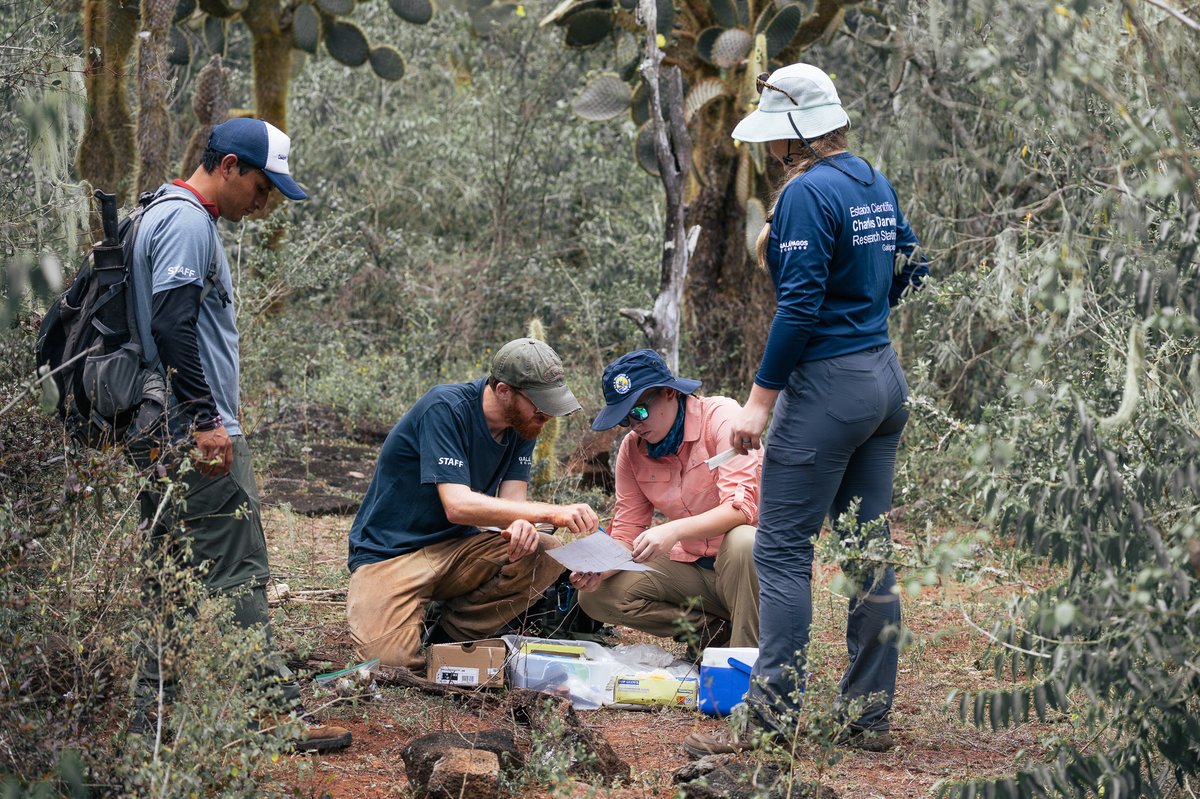
After nearly two decades of research, Lecocarpus lecocarpoides, a threatened Galápagos plant, is showing signs of recovery at Punta Manzanillo. The discovery of 54 seedlings shows that reintroduced plants produced viable seeds capable of naturally regenerating the population.

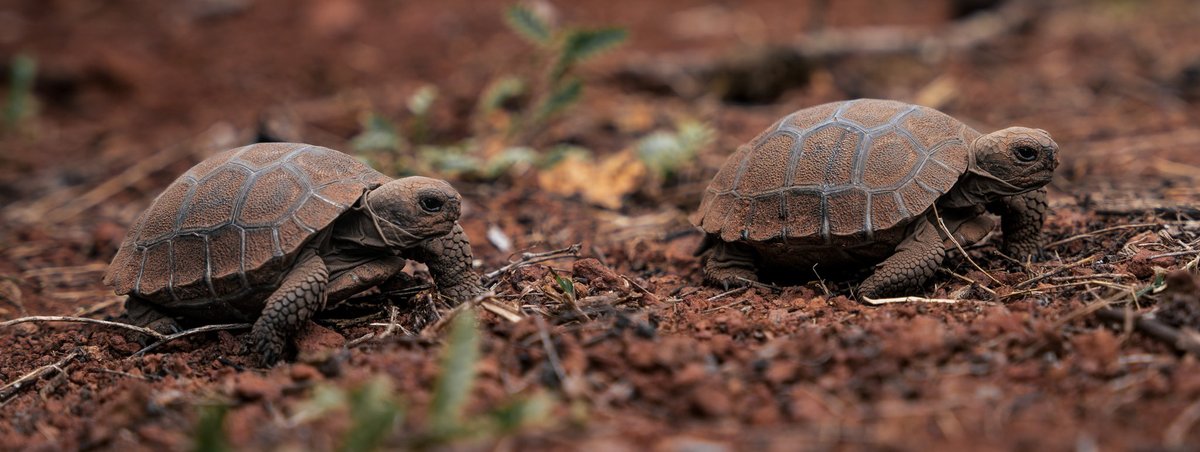
At Quinta Playa, one of Galápagos’ most important sea turtle nesting sites, every hatchling faces a remarkable journey. Through rare photographs and firsthand experiences, discover the hidden challenges—from rising tides and predators to life beneath the sand—and the dedicated conservation work helping protect the vulnerable East Pacific green turtle.
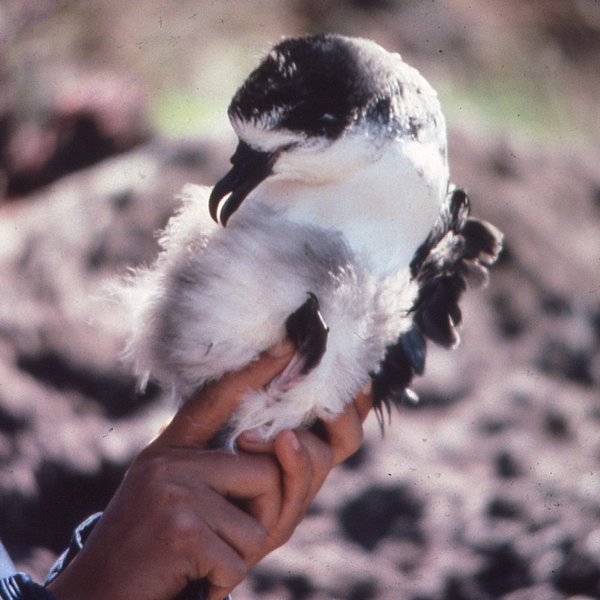
In 1982, a pioneering effort began at Cerro Pajas, Floreana, to protect the critically endangered Galápagos petrel. Scientists, park rangers, and conservation practitioners controlled introduced species, monitored nests, and tested new techniques. The results showed that science, sustained management, and collaboration could improve the breeding success of this threatened seabird population.
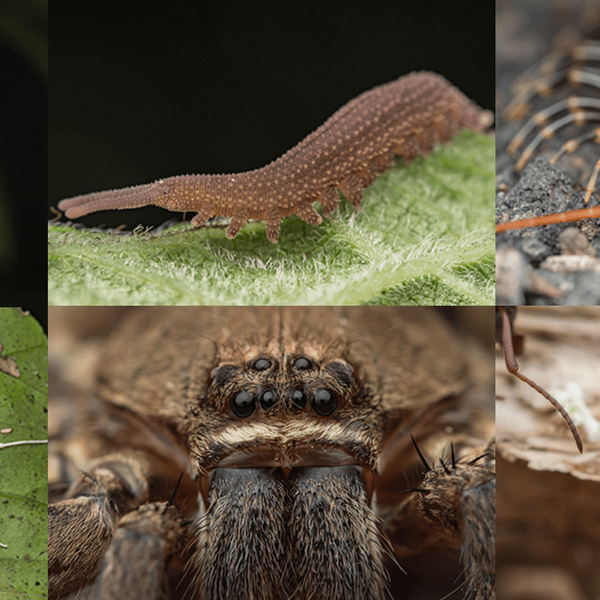
On Floreana, terrestrial invertebrates act as indicators of ecological recovery and as food for insectivorous birds. Monitoring them in protected and agricultural areas helps track habitat changes, detect invasive species, and assess whether the ecosystem is ready to support the reintroduction of animals that once disappeared locally from the island.
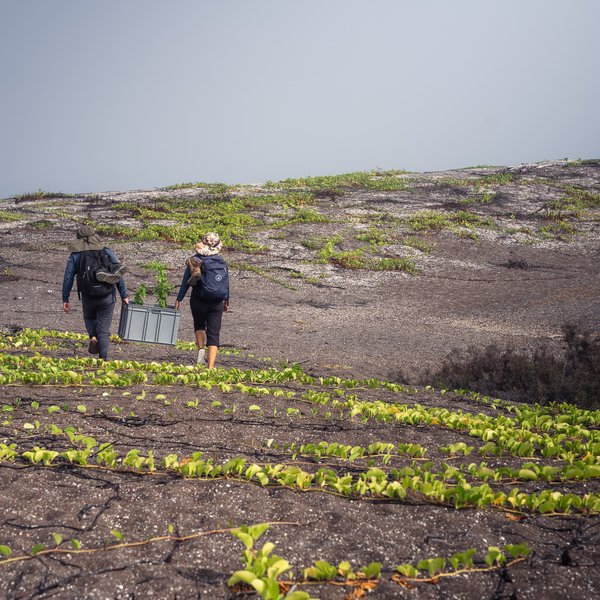
Once on the brink of extinction, the Galápagos snapdragon (Galvezia leucantha) is showing encouraging signs of recovery after 30 years of conservation. From just six surviving plants to 28 adults today, science, restoration and collaboration are helping bring this critically endangered species back to its historic habitat. Discover its remarkable journey.
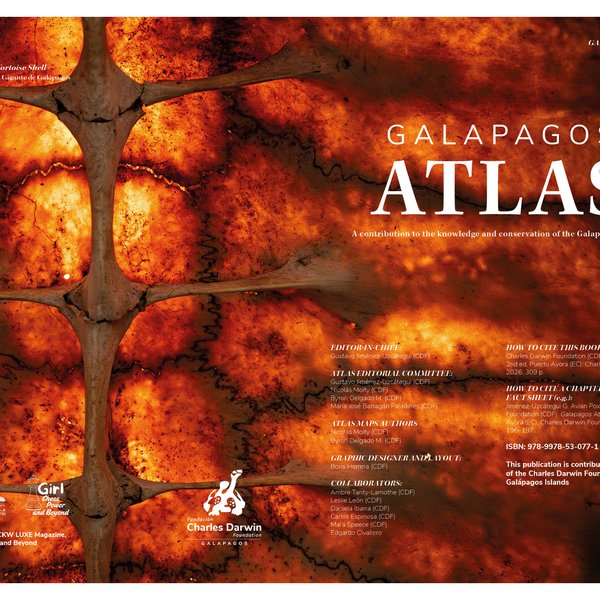
The new Galápagos Atlas 2026 offers a 309-page look at 68 species and species groups, combining purpose-built distribution maps with something rarely found in a reference guide: a clear record of what scientists still don’t know. Free to explore online, it highlights critical knowledge gaps and invites future research to strengthen conservation.
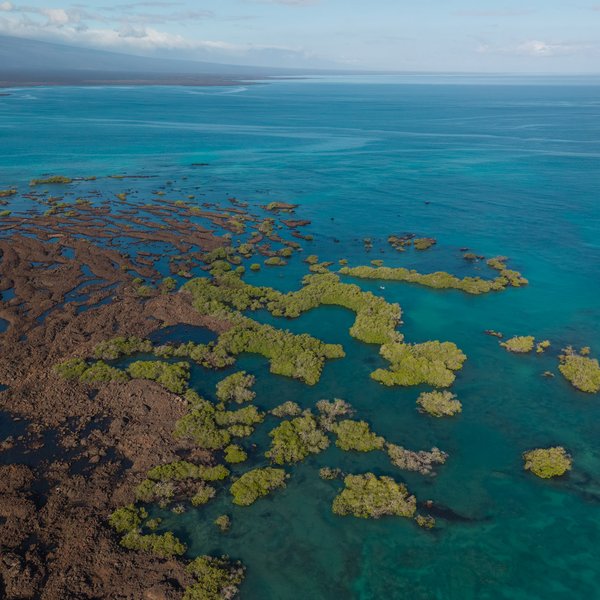
El Niño 2026 is transforming ocean conditions around Galápagos, with potential effects on food availability, reproduction, and survival across many species. Penguins, marine iguanas, sea lions, and corals are among the most vulnerable. Decades of scientific monitoring will help measure impacts and guide future conservation decisions across the archipelago effectively.

For the first time in Galápagos, researchers established 24 mesocosms that simulate natural ponds to study freshwater ecosystems. The experiment examines how nutrients provided by giant tortoises can alter water conditions and how these changes relate to the development of tadpoles of the archipelago’s only introduced tree frog Scinax quinquefasciatus.
Welcome to The Station
A podcast series, coming to you directly from the Charles Darwin Research Station, where we dive into stories of science and wonder from the Galápagos Islands.