Results
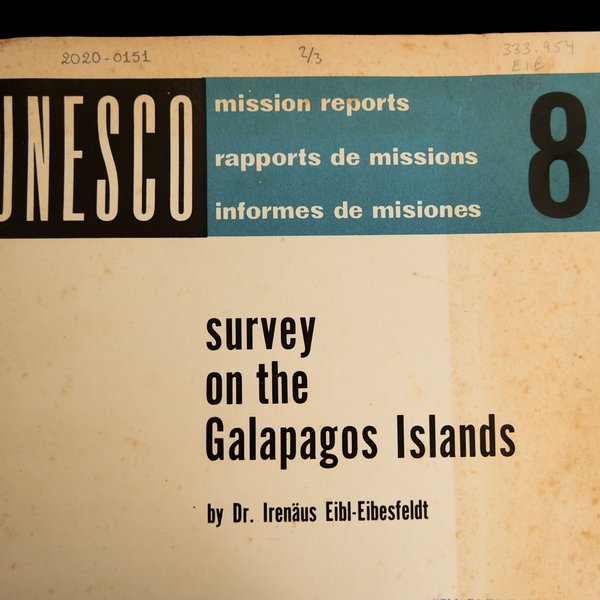
The conservation of Galápagos began in the 1950s, when scientists first raised concerns about threats to the islands’ unique biodiversity. This period led to the creation of the Charles Darwin Foundation and the Galápagos National Park in 1959.
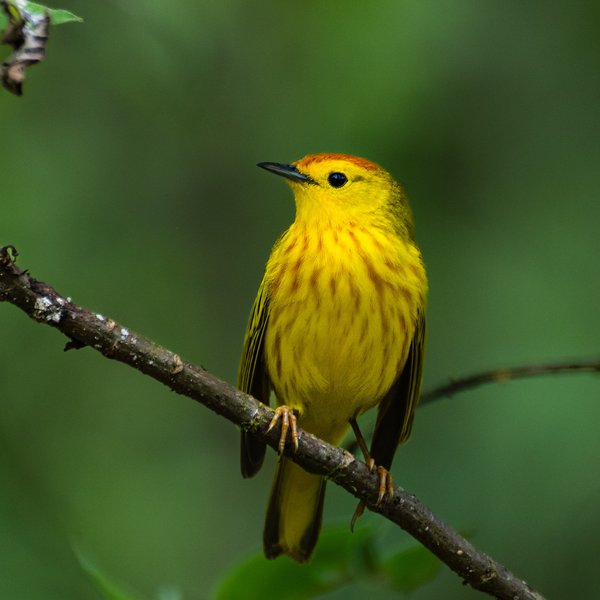
Beneath Galápagos’ iconic birds lies a hidden story of health and survival. A new study reveals the presence of viruses in landbird populations, offering the first baseline of disease risk in these unique species. Discover why monitoring “invisible diseases” is essential to protecting the future of Galápagos biodiversity.
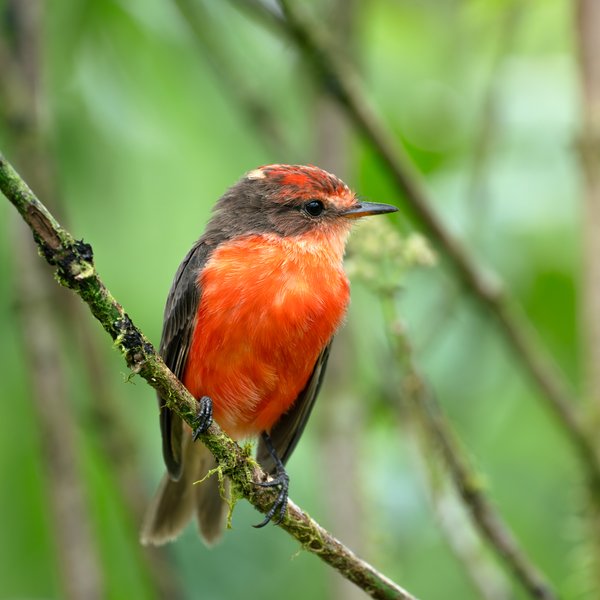
In Santa Cruz highlands, restoring Scalesia forests at Granillo Rojo supports biodiversity recovery, bringing back native plants and birds like the Little Vermilion Flycatcher through sustained, hands-on conservation efforts.
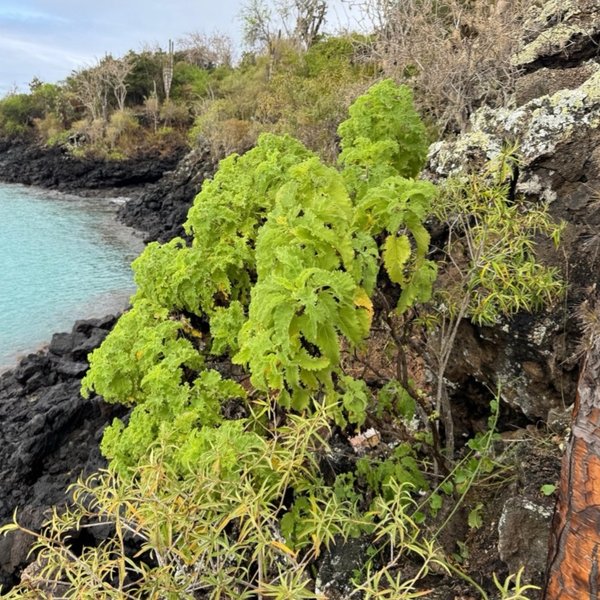
Scalesia plants in Galápagos illustrate adaptive radiation through variations in height, leaf size, and structure across environments. While these traits reflect their ability to adjust, rapid environmental changes may exceed their adaptive limits. Research identifies how these species respond, supporting monitoring and conservation efforts to protect vulnerable plant populations.
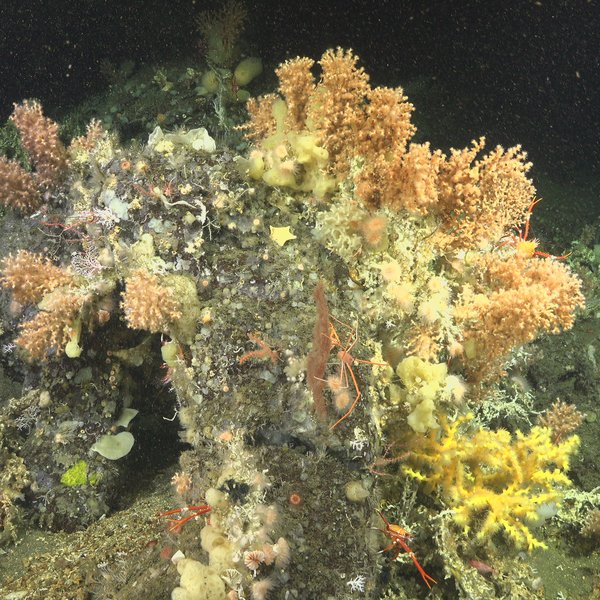
Scientists have uncovered a hidden collapse of Galápagos deep-sea corals, revealing a 1,000-year disappearance linked to ancient climate shifts. By reconstructing 117,000 years of ocean history, the study exposes the vulnerability—and resilience—of these unseen ecosystems, offering urgent insights into how climate change could reshape life in the deep ocean.
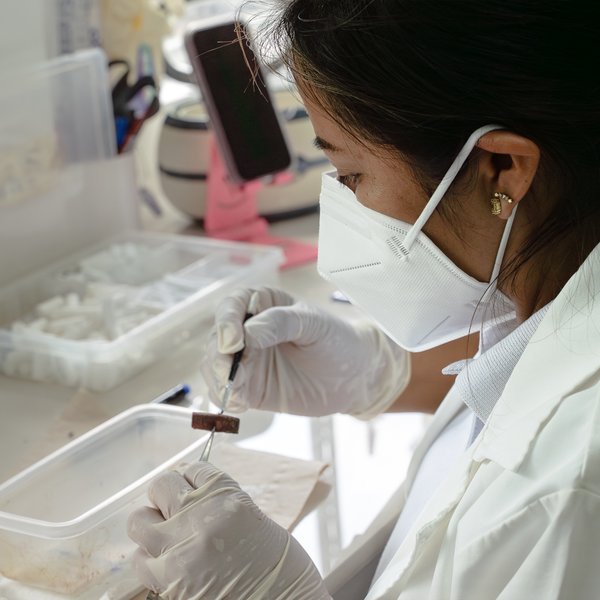
Researchers at the Charles Darwin Research Station study the invasive fly Philornis downsi to protect Galápagos birds. Through controlled rearing, data recording, and experiments on reproduction and behavior, they develop biological control methods. Despite challenges like low mating success, steady laboratory work supports conservation efforts and the survival of endemic species.
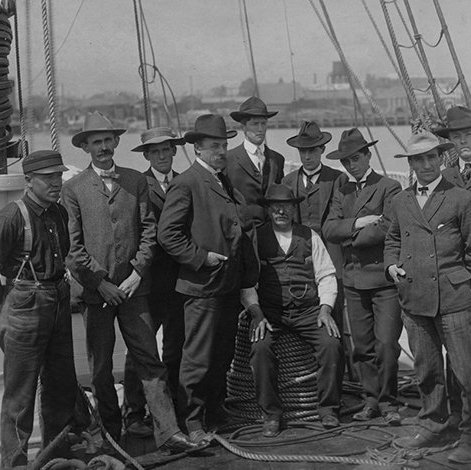
The 1905–1906 expedition of the California Academy of Sciences, led by Rollo Howard Beck, introduced a systematic approach to studying the Galápagos. By documenting specimen origins, it revealed variation among islands, established the archipelago as a natural laboratory of evolution, and laid foundations for ongoing research and conservation.
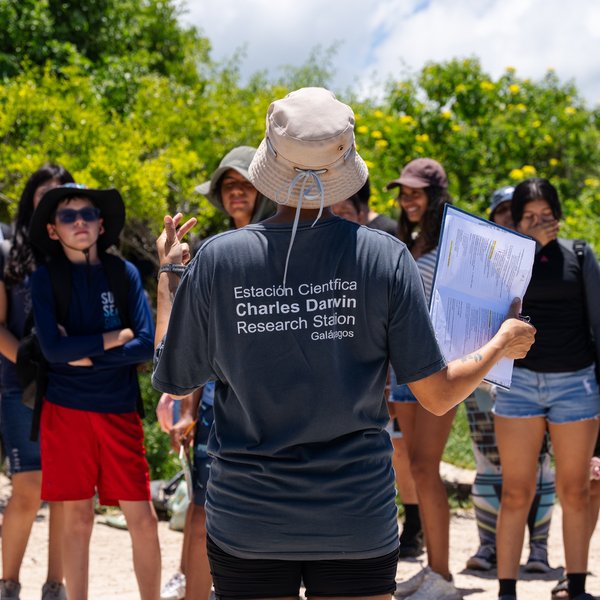
In 1966, a course at the Charles Darwin Research Station marked the beginning of environmental education in Galápagos. Teachers learned to use the natural environment as a teaching tool, linking conservation and community. This experience laid the foundation for context-based education that remains essential to protect the islands’ unique ecosystems.
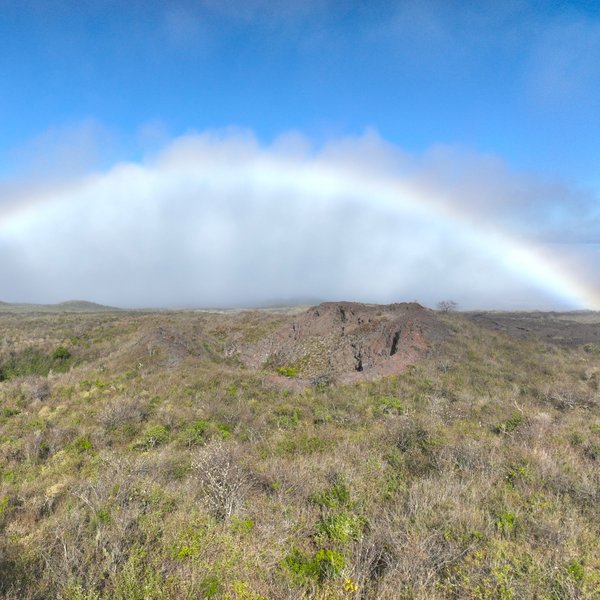
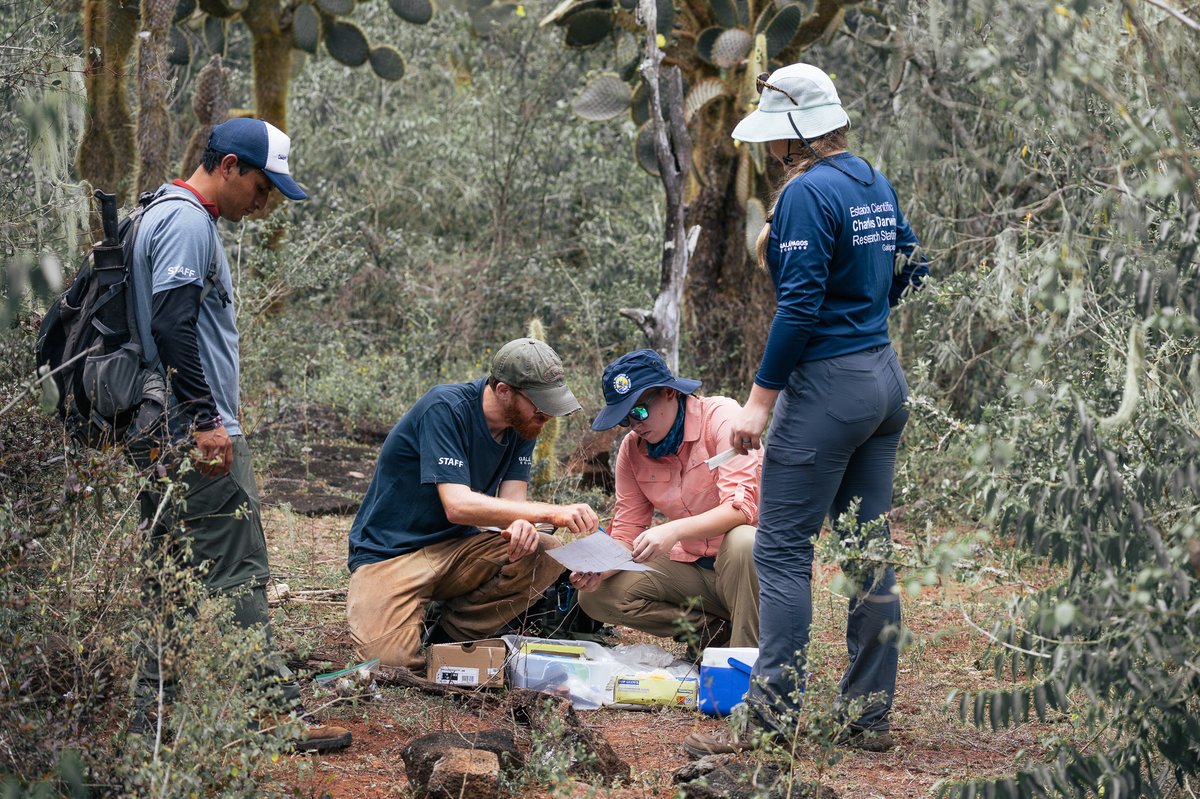
Vegetation mapping in Galapagos combines adventure, science, and conservation. Using drones and fieldwork in remote landscapes, essential maps are produced to monitor ecosystems and protect biodiversity. Each expedition highlights nature’s resilience and the importance of collective effort in preserving these unique and fragile island environments.
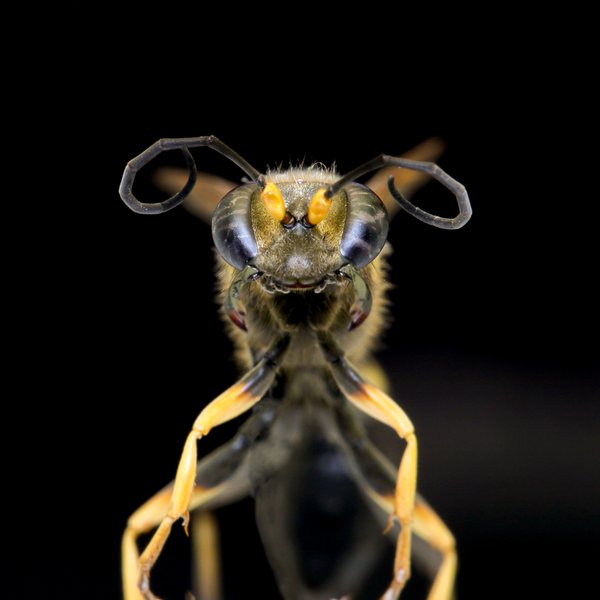
Research in the Scalesia forest on Santa Cruz Island revealed more than 200 taxa of parasitoid wasps, compared with only 30 species previously reported for Galapagos. These tiny insects play essential ecological roles and highlight how much remains unknown about the archipelago’s biodiversity and fragile ecosystems in the Pacific Ocean.
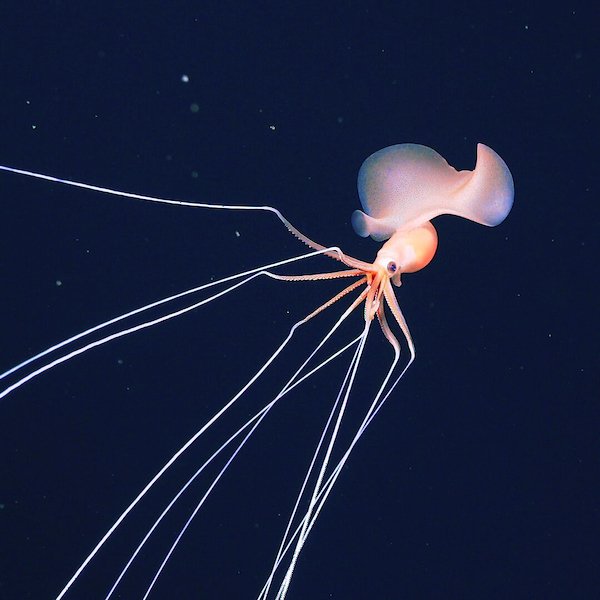
The Deep Ocean Alliance brings together institutions from Costa Rica, Panama, Colombia, and Ecuador to strengthen deep-ocean science and marine conservation in the Eastern Tropical Pacific. Through scientific expeditions, regional collaboration, and technological innovation, the Alliance is improving understanding of deep-sea biodiversity and supporting evidence-based protection of interconnected marine ecosystems.

Wolf, Kup, and Pinta are three detection dogs donated by the Charles Darwin Foundation to Ecuador’s National Police to strengthen efforts against illegal trafficking of protected species in Galápagos. Trained to detect biological material, these dogs represent an innovative conservation and control tool for safeguarding the archipelago’s biodiversity.
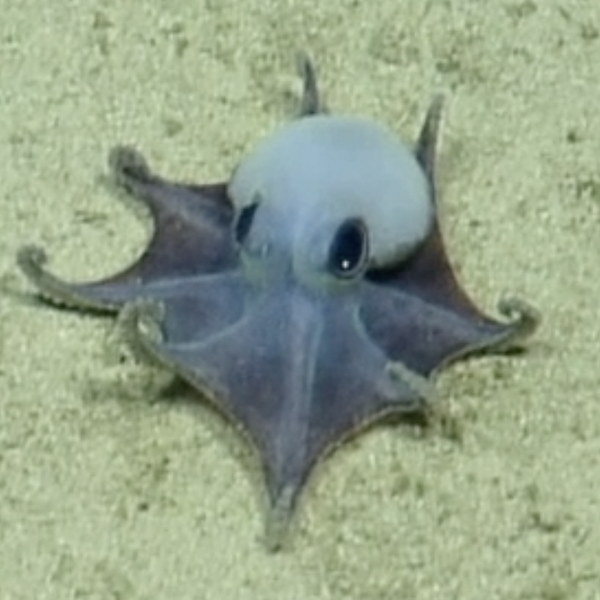
A tiny blue octopus discovered nearly 6,000 feet beneath the waters of Galápagos is rewriting what scientists know about deep-sea life. From a chance encounter during an underwater expedition to cutting-edge CT scans revealing a species never seen before, this remarkable discovery highlights the mysteries still hidden in Earth’s oceans.
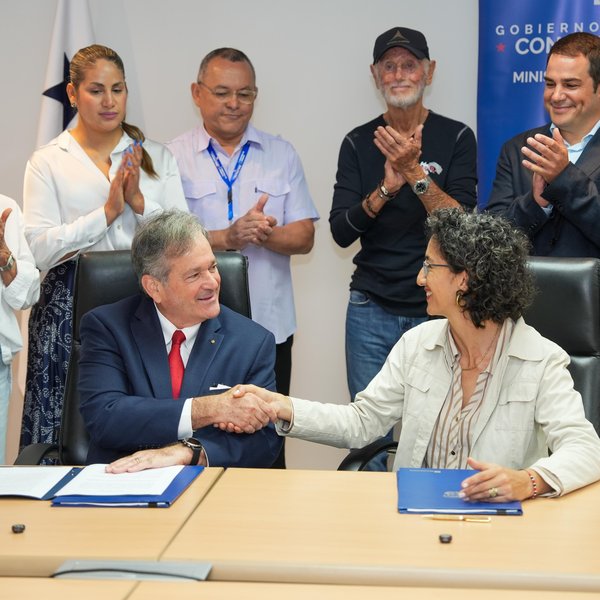
The Ministry of Environment of Panama and the Charles Darwin Foundation signed a Memorandum of Understanding to strengthen the transboundary protection of the migratory scalloped hammerhead shark and advance the recovery of their populations within the Eastern Tropical Pacific.
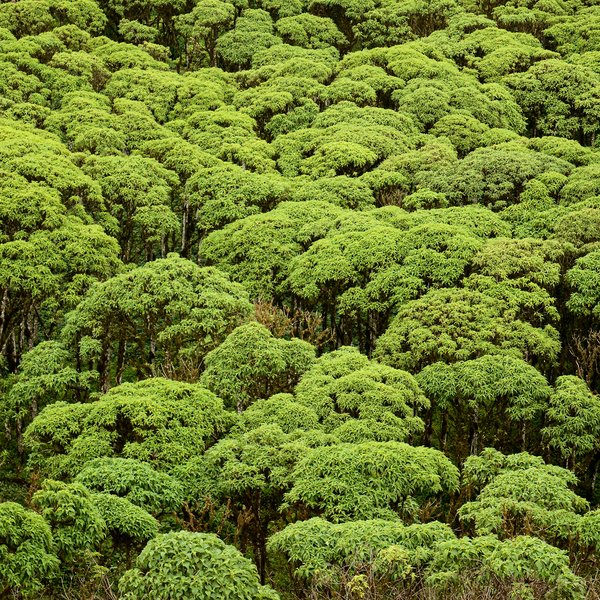
The Scalesia forest on Santa Cruz Island hosts 150 endemic insect species, representing 21% of those recorded in Galápagos within six studied groups. The research highlights their ecological importance and warns about threats from habitat loss and invasive species, reinforcing the urgent need for restoration and long-term conservation efforts.
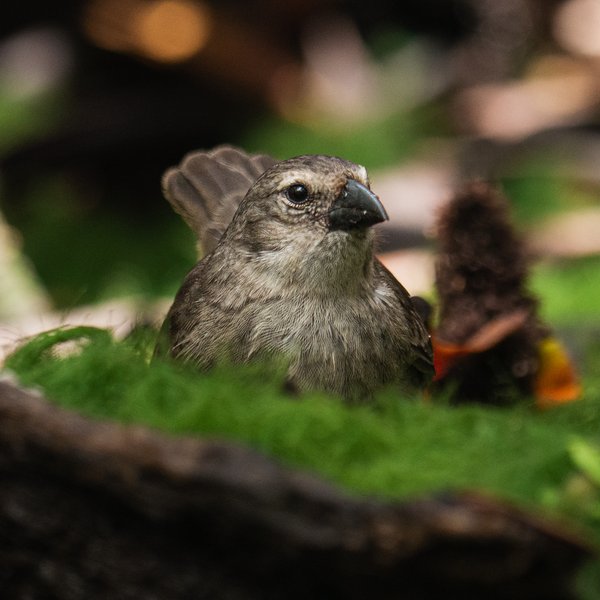
Scientists in Galápagos have recorded the most successful breeding season ever for the critically endangered Mangrove Finch, one of the world’s rarest birds. Discover how years of conservation work, innovative nest-protection strategies, and collaboration are offering new hope for this species’ survival in the remote mangrove forests of Isabela Island.
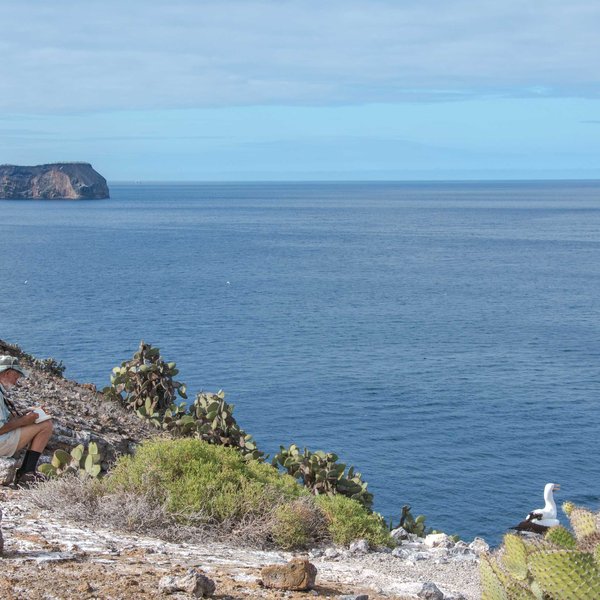
In 1973, evolutionary scientists Peter Grant and Rosemary Grant began a research project in the Galápagos Islands that would permanently change the modern understanding of evolution.
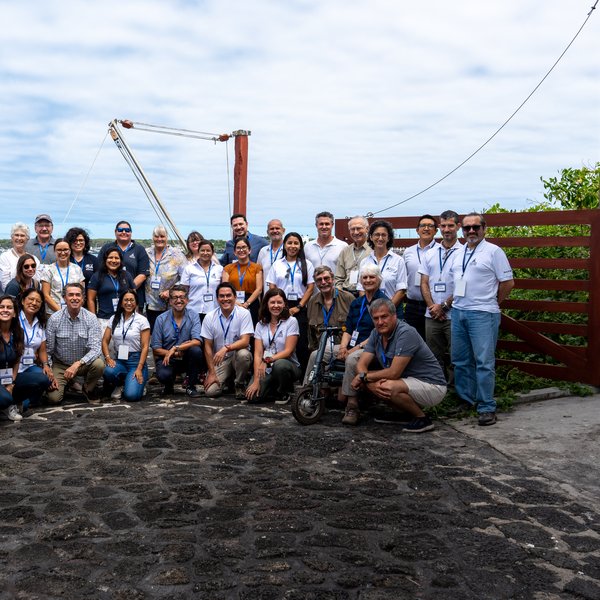
The Charles Darwin Foundation’s 2025 Impact Report highlights a year of scientific discoveries, conservation milestones, ecological restoration, and institutional growth across Galápagos. From species recoveries to new research infrastructure and large-scale restoration efforts, discover how science, collaboration, and local capacity are shaping a more resilient future for the archipelago.
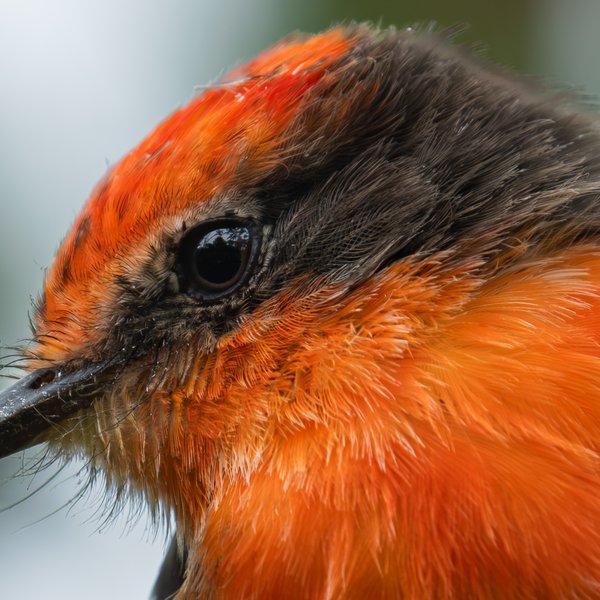
After more than a decade of conservation work, researchers have documented 56 fledglings so far in 2026 — with more nests still active
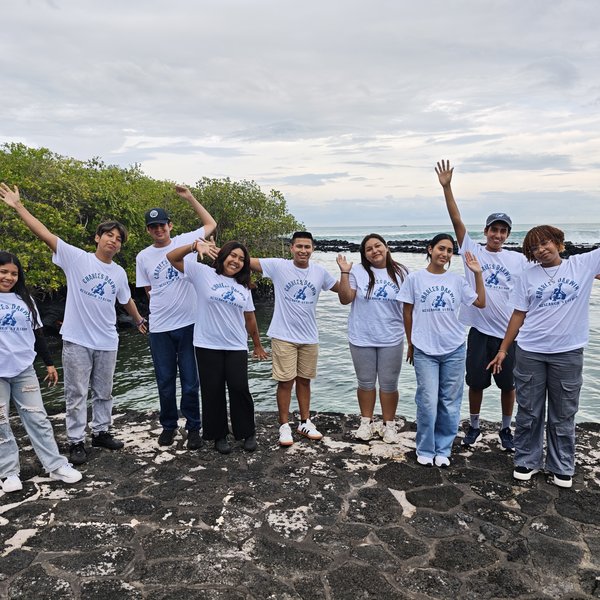
The Charles Darwin Foundation Leadership Club brought together young people from Santa Cruz and Isabela in a journey of learning, leadership, and conservation. Through workshops, community activities, and exchanges, participants strengthened their skills, promoted environmental education, and reinforced their commitment to a sustainable future for Galápagos.