Results
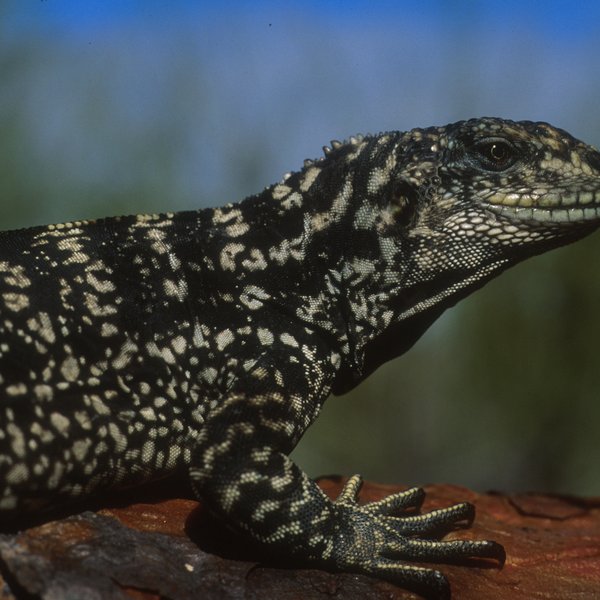
In 1984, six years after becoming a World Heritage Site, Galápagos was designated a UNESCO Biosphere Reserve. Peter Kramer's 1980 proposal and Köster and Villa's 1983 research built the scientific case, showing that reconciling conservation with sustainable development, economic growth, tourism, urbanization, and immigration required integrating ecological and social criteria.
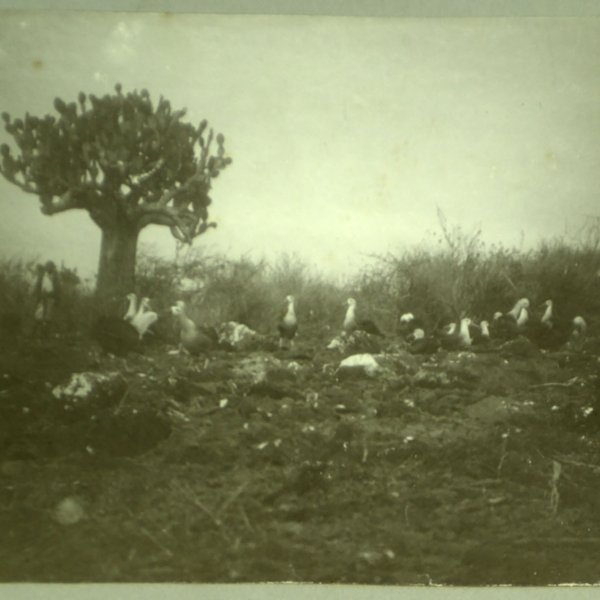
In October 1914, a rumor of German warships in Galápagos alarmed France and Britain, which asked the United States to step in. Neutral Ecuador investigated and ruled out a military base. Historian Élodie Lenoël explains how the episode led the Ecuadorian state to assert its sovereignty over the remote islands.
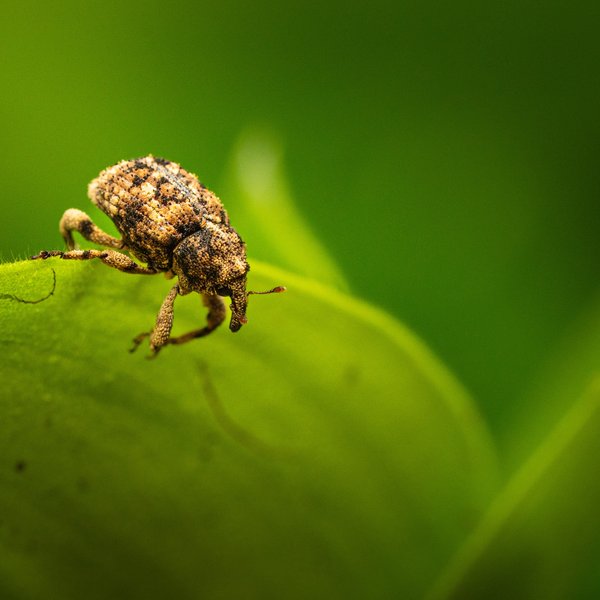
Tiny and often overlooked, Galapagos beetles sustain ecosystems: they decompose organic matter, recycle nutrients, pollinate and feed birds and reptiles. Entomologist María Sol Herrera uses photography to reveal their hidden beauty. Conserving the Scalesia pedunculata forest protects their diversity, because once we truly know something, it no longer remains invisible.
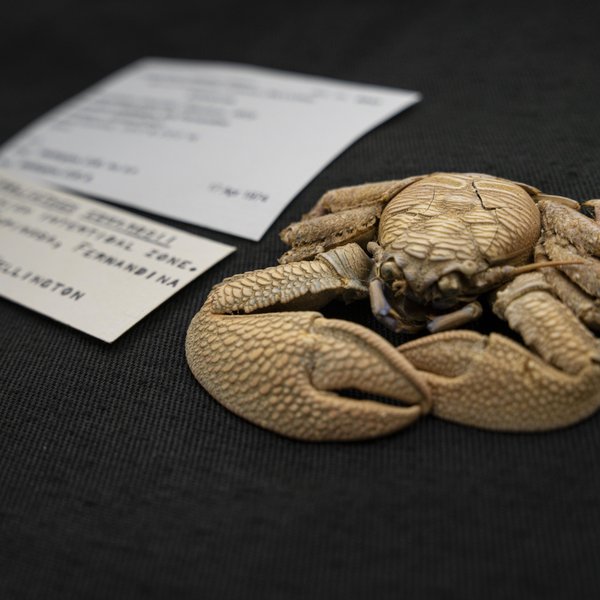
Between 1973 and 1999, marine ecologist Gerard Wellington collected 773 specimens in Galapagos, now housed at the Charles Darwin Research Station. They include the solitary coral named after him, considered possibly extinct until its rediscovery in 2024. His collection provides a historical baseline for measuring how the ocean is changing.
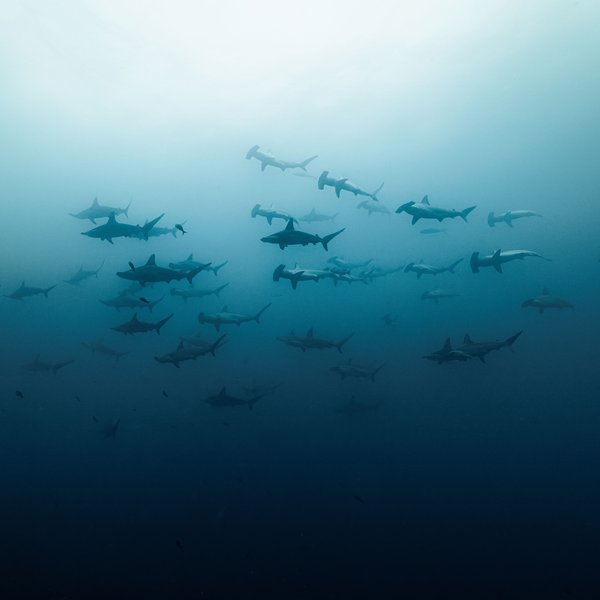
The Charles Darwin Foundation and Manta fishing associations have joined forces to better understand and reduce shark bycatch in Ecuador’s longline fisheries. Through satellite tagging, fisheries data and collaboration with fishers, the initiative will map bycatch hotspots, track shark movements and generate science to support more responsible, sustainable fisheries management.
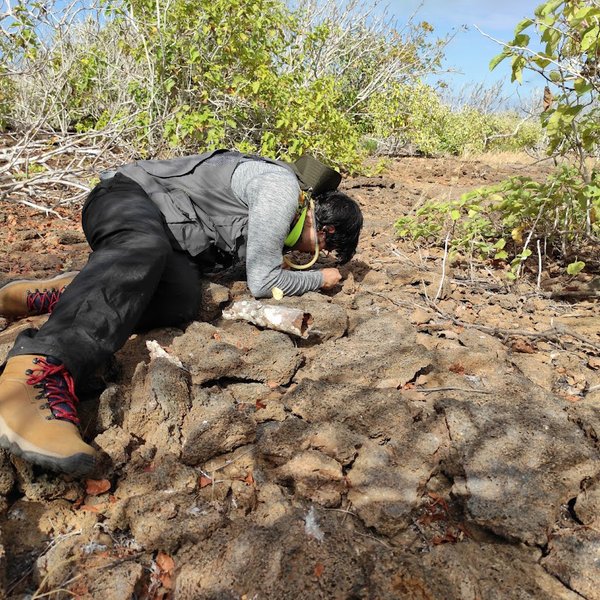
Galápagos still hides biodiversity. A study led by ESPOCH, with CDF and the Universidad Nacional de Colombia, compiled 21,364 records and raised the archipelago’s known bees, ants and wasps from 84 to 524 species and morphospecies. It also recorded 20 species, 134 genera and 11 families never before documented there.
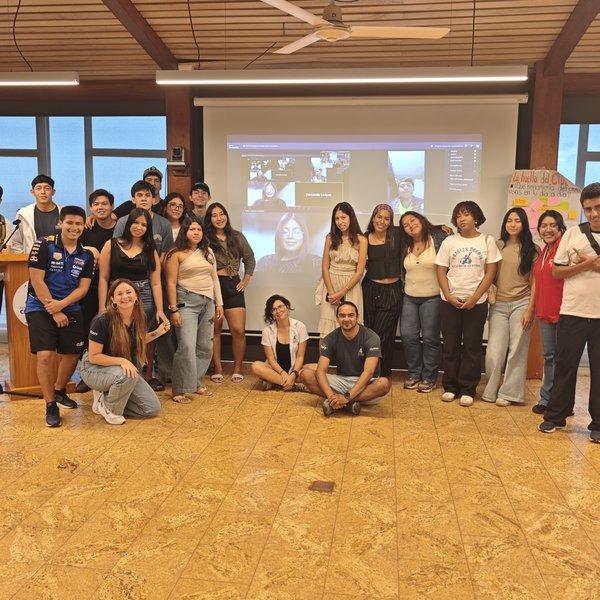
The Charles Darwin Foundation created the CDF Leaders Alumni Network to support young people who graduate from its environmental education clubs. The Network offers scholarships and workshops and, in return, gains its members’ fresh perspectives. Its first gathering brought together 26 participants from all five generations committed to Galápagos conservation.
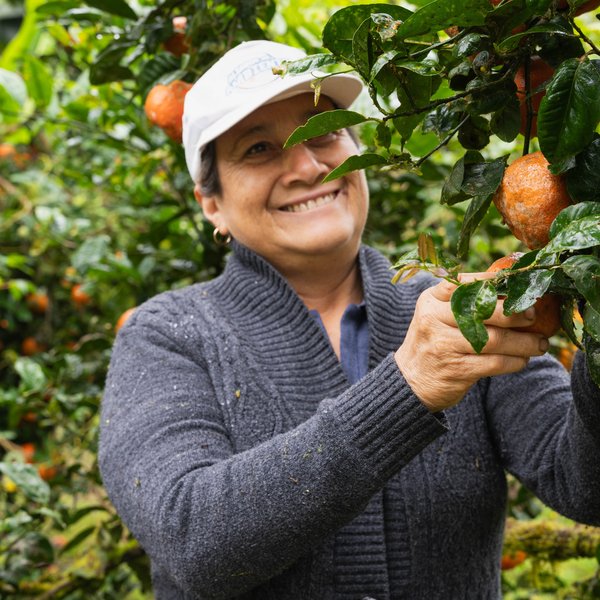
In Galápagos, three out of every four food items come from mainland Ecuador, opening the door to invasive species. Research by the Charles Darwin Foundation shows that active farms, sustainable small-scale fisheries and restaurants that buy local reduce this dependence, protect unique biodiversity and strengthen the archipelago’s long-term sustainability.
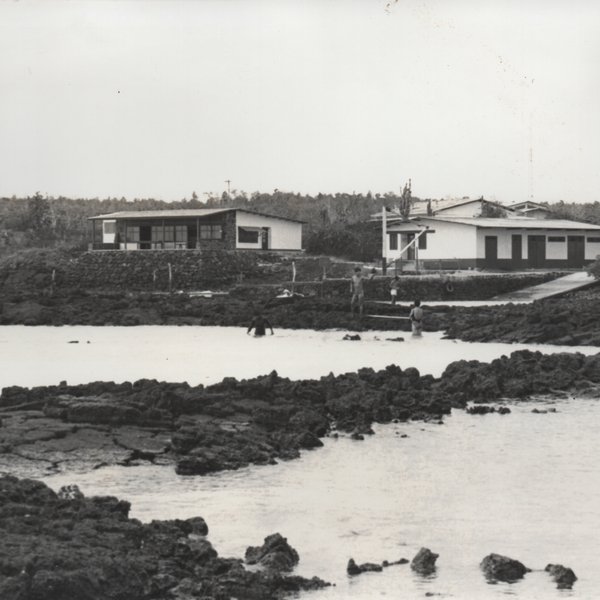
In 1985, the Charles Darwin Foundation created the Darwin Scientific Foundation in the United States to manage an endowment built with The Nature Conservancy and the Smithsonian. It allowed American donors to make tax-deductible contributions and gave scientific work in Galápagos stable, long-term funding that still endures four decades later.
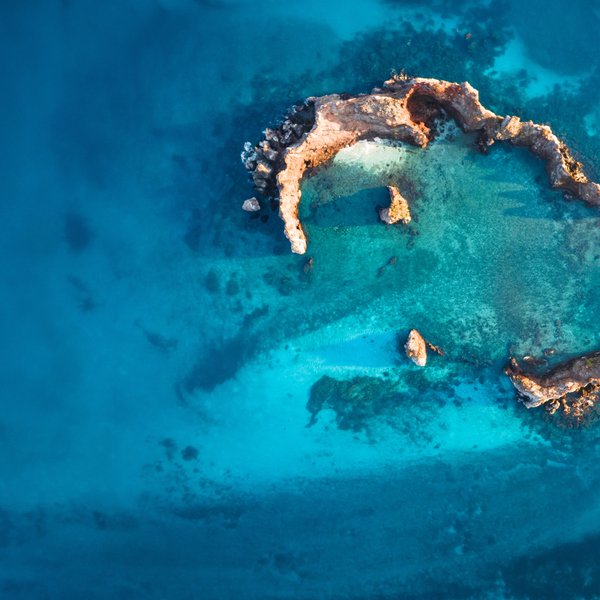
Welcome to The Station
A podcast series, coming to you directly from the Charles Darwin Research Station, where we dive into stories of science and wonder from the Galápagos Islands.
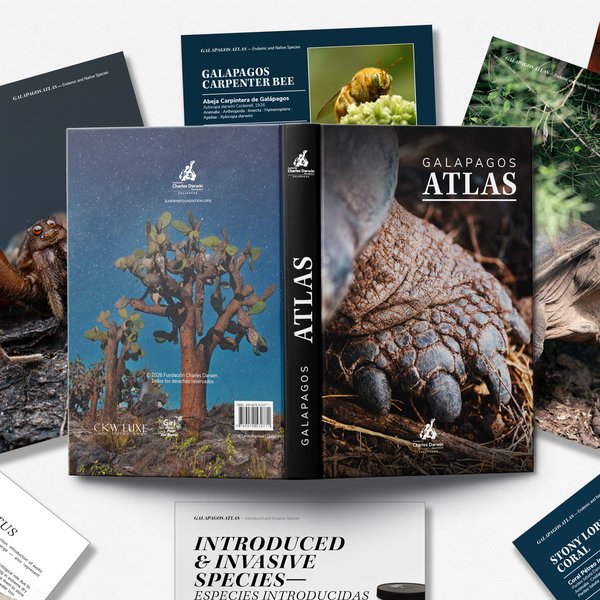
Explore a wealth of resources from the Charles Darwin Foundation available for download. From annual reports to research journals, species identification guides to educational texts like the Galapagos Atlas, our publications provide valuable insights into conservation efforts and biodiversity in the Galapagos Islands. Dive into our comprehensive collection today!
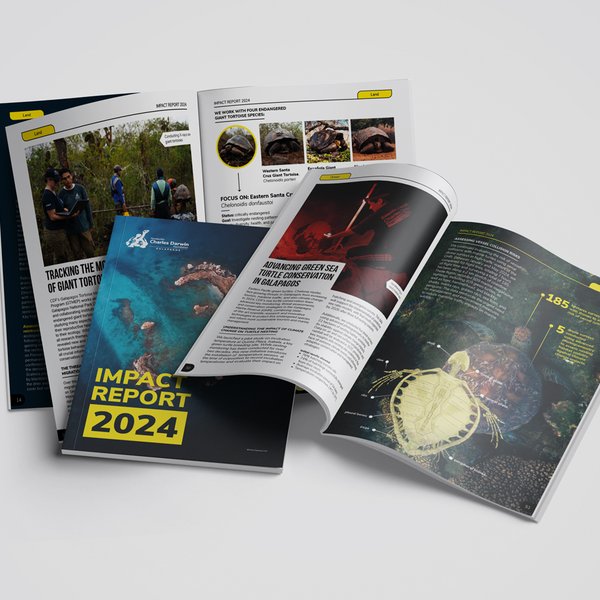
Discover how the Charles Darwin Foundation makes a positive impact on Galapagos conservation through our annual reports.