Results

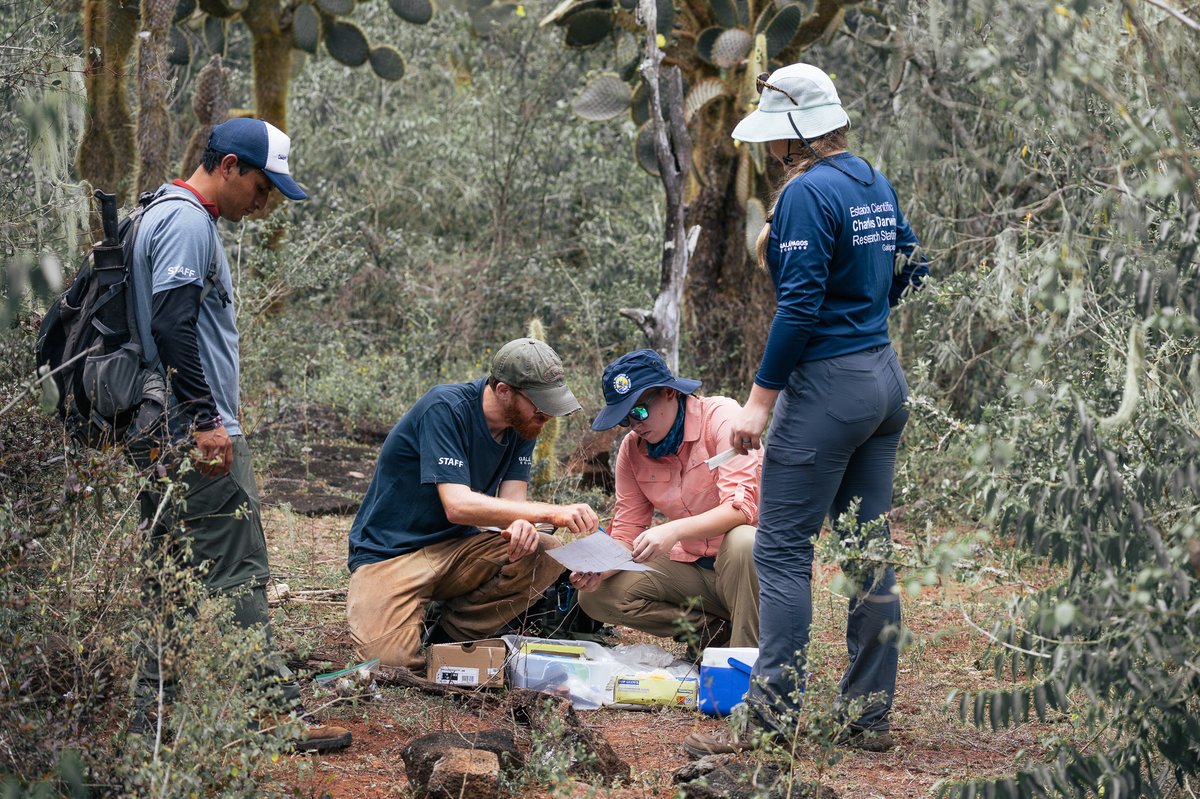
Meet CDF entemologist Karen Vera who talks about her work in the field and how it contributes to the restoration of Galapagos ecosystems.
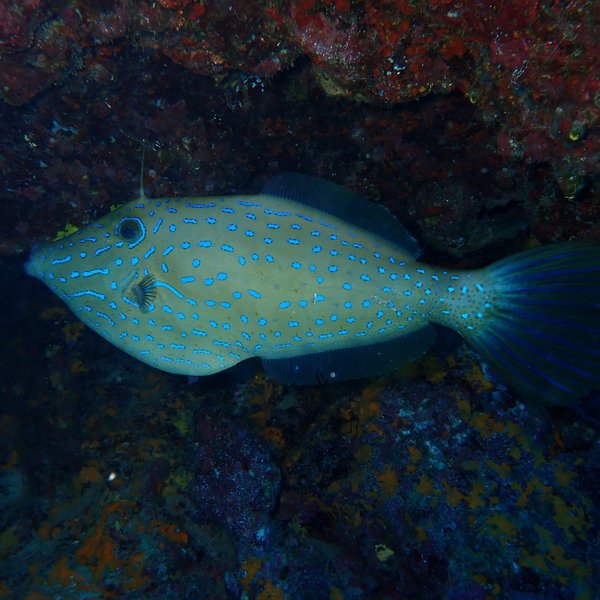
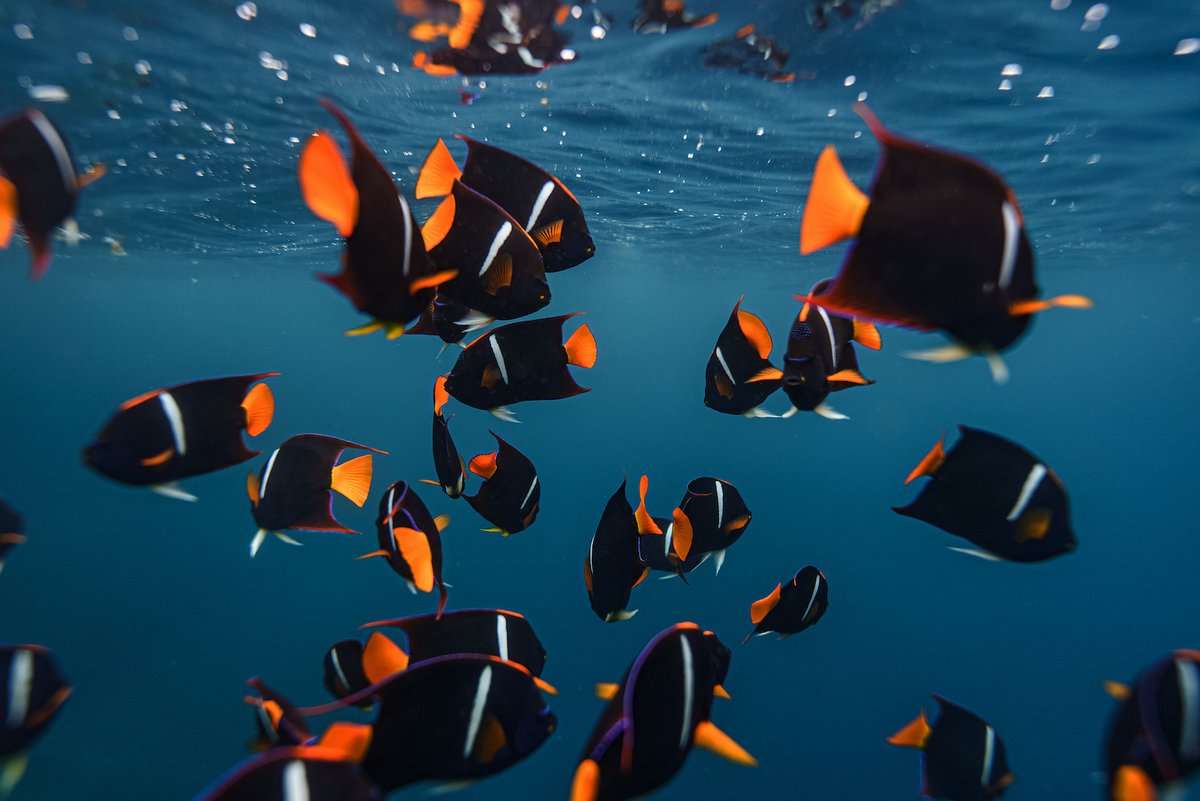
Imagine being able to peek into the past and witness how the underwater world of Galapagos has changed over time. Now you can, thansk to more than 20 years of biodiversity data collected by Charles Darwin Foundation scientists made available online.
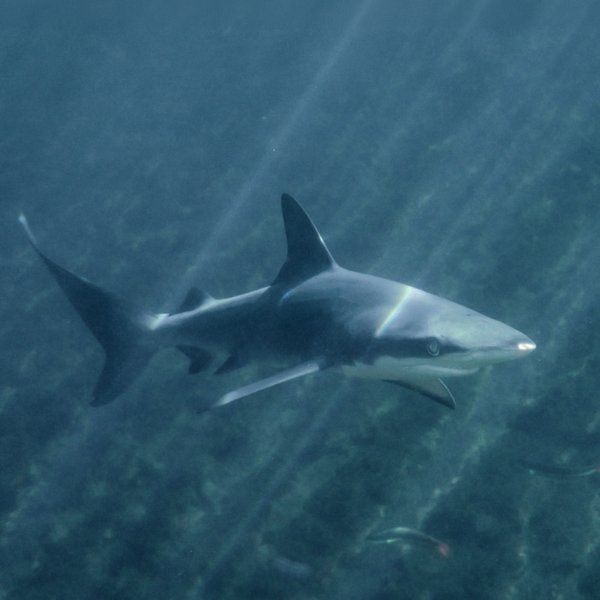
Galápagos sharks do not all behave the same. Hammerheads form large schools, whitetip reef sharks rest on reefs, tiger sharks repeatedly return to key feeding areas, and whale sharks undertake long migrations. Understanding these different behaviors helps protect critical habitats, migration routes, and supports more effective conservation strategies for each species.
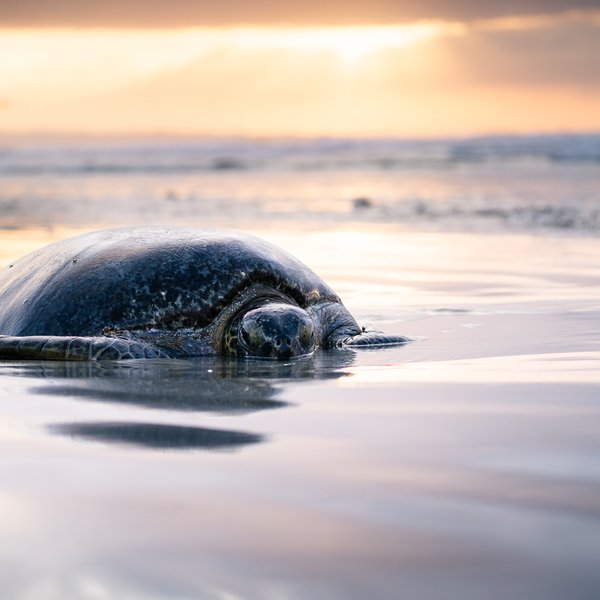
Galápagos green sea turtles play a vital role in maintaining healthy marine ecosystems. At Quinta Playa, scientists monitor their nesting activity to better understand the impacts of climate change. This research provides critical information to protect one of the most important green turtle nesting populations in the Eastern Pacific.
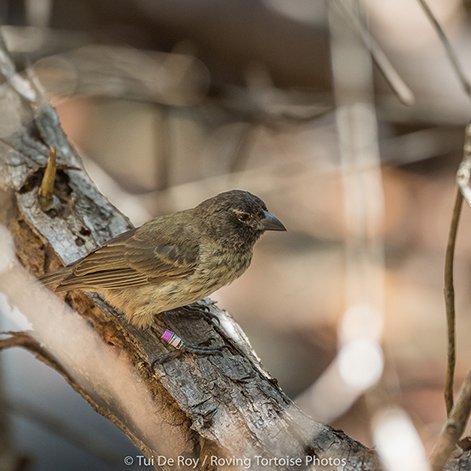
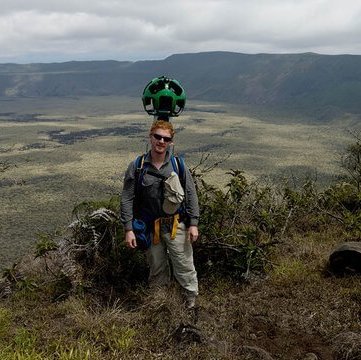
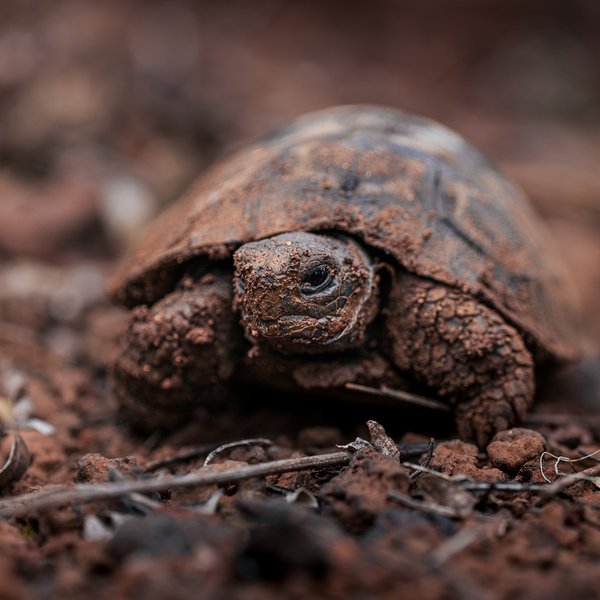
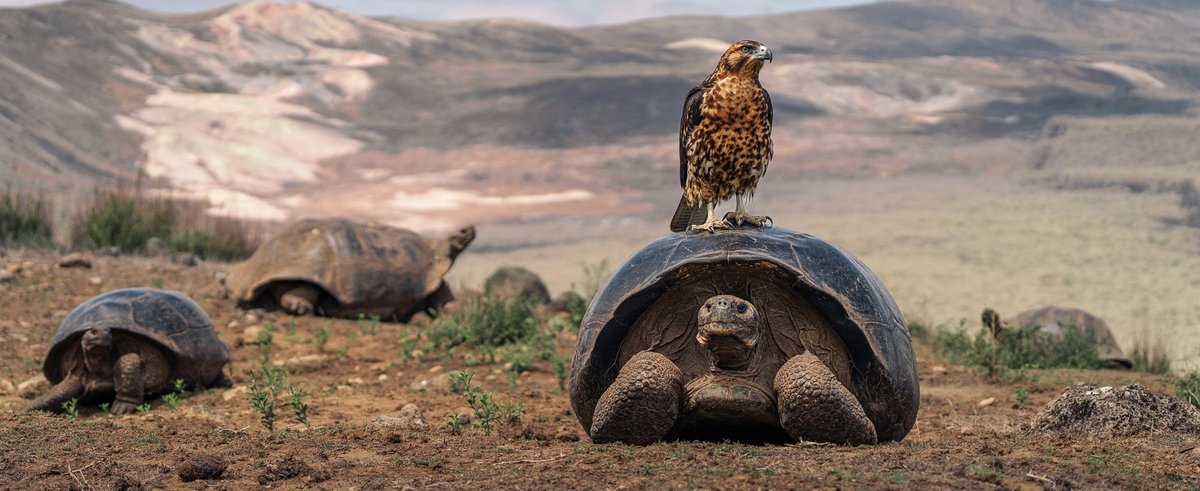
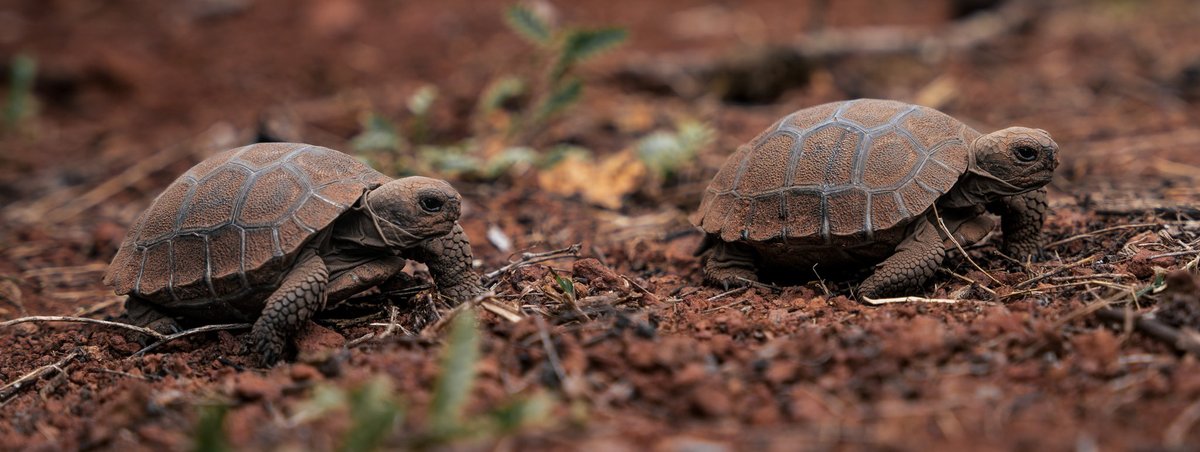
By adopting a Galapagos giant tortoise, you will contribute to our research and outreach activities related to various tortoise species. The Galapagos tortoises have become threatened largely due to habitat change and fragmentation, climate change, diseases, and introduced species. The Charles Darwin Foundation leads a multi-institutional project that aims to determine movement behavior, assess health, and describe the ecological role of tortoises in the Galapagos ecosystems.