Results

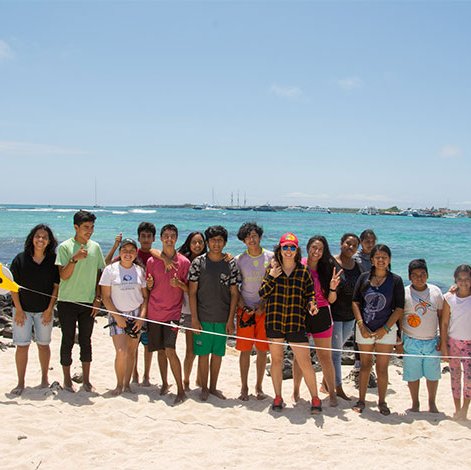

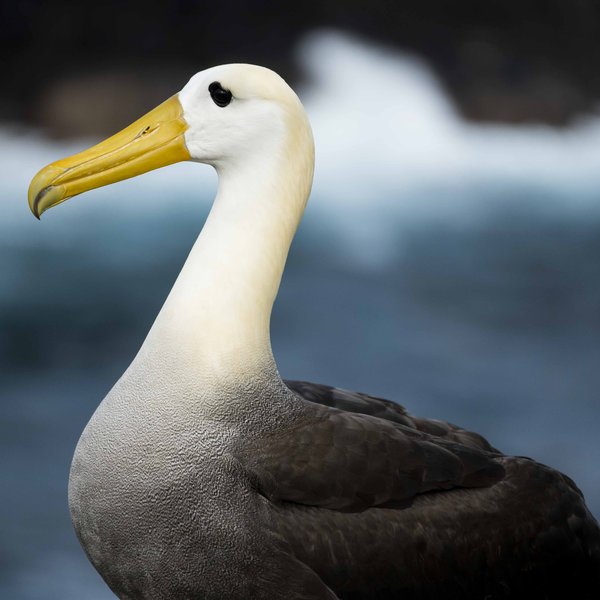

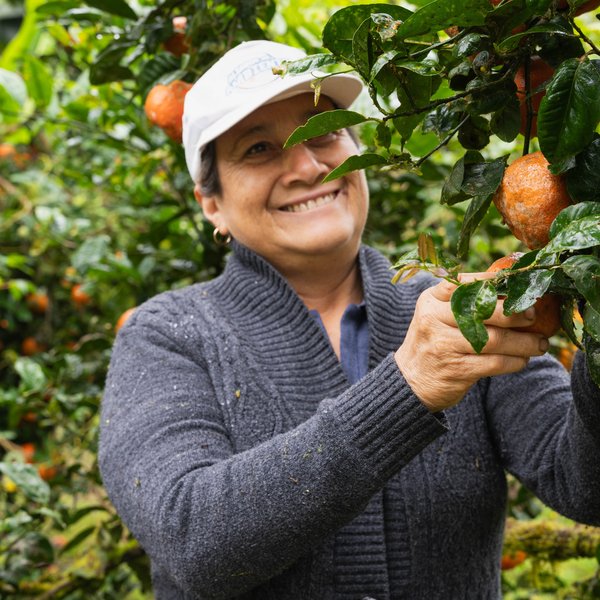
In Galápagos, three out of every four food items come from mainland Ecuador, opening the door to invasive species. Research by the Charles Darwin Foundation shows that active farms, sustainable small-scale fisheries and restaurants that buy local reduce this dependence, protect unique biodiversity and strengthen the archipelago’s long-term sustainability.
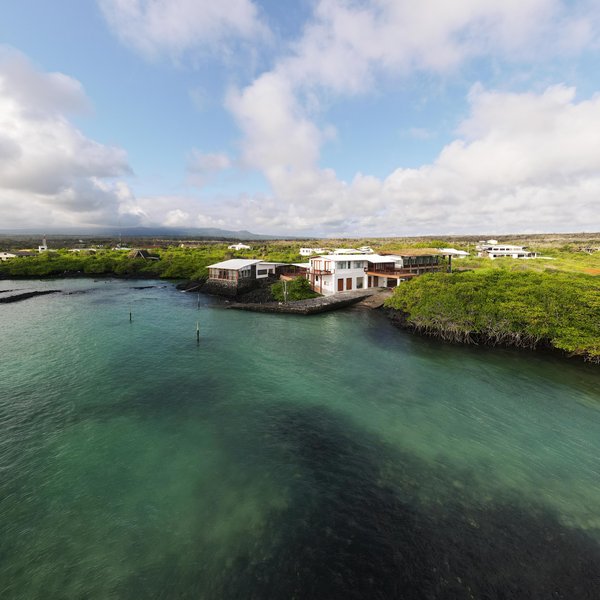
Your conference center at the edge of the Pacific. Don't miss the opportunity to make your next event truly memorable. Contact us today.
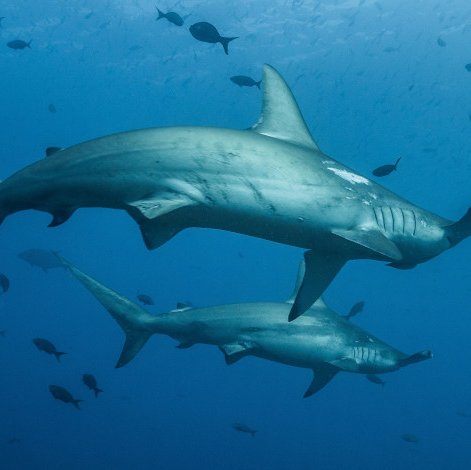



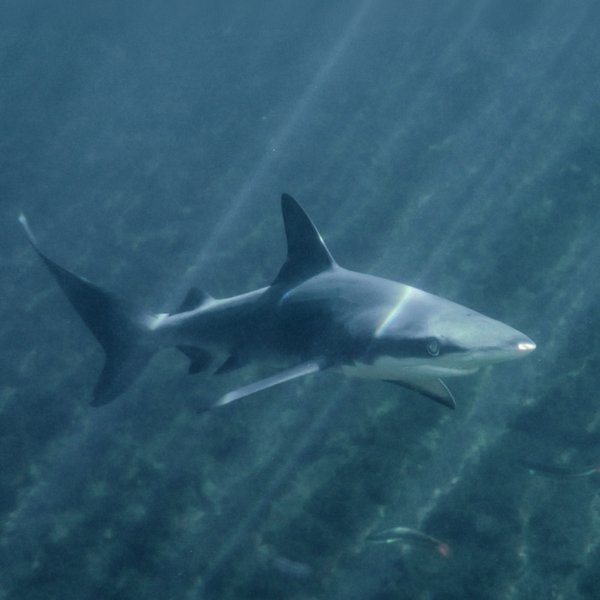
Galápagos sharks do not all behave the same. Hammerheads form large schools, whitetip reef sharks rest on reefs, tiger sharks repeatedly return to key feeding areas, and whale sharks undertake long migrations. Understanding these different behaviors helps protect critical habitats, migration routes, and supports more effective conservation strategies for each species.

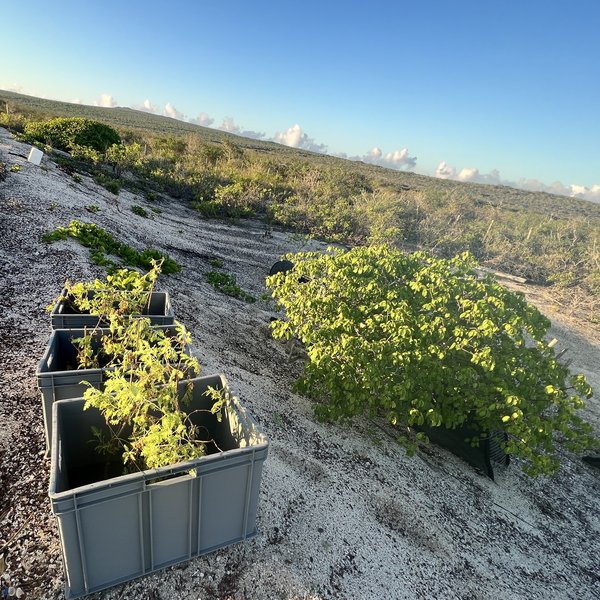
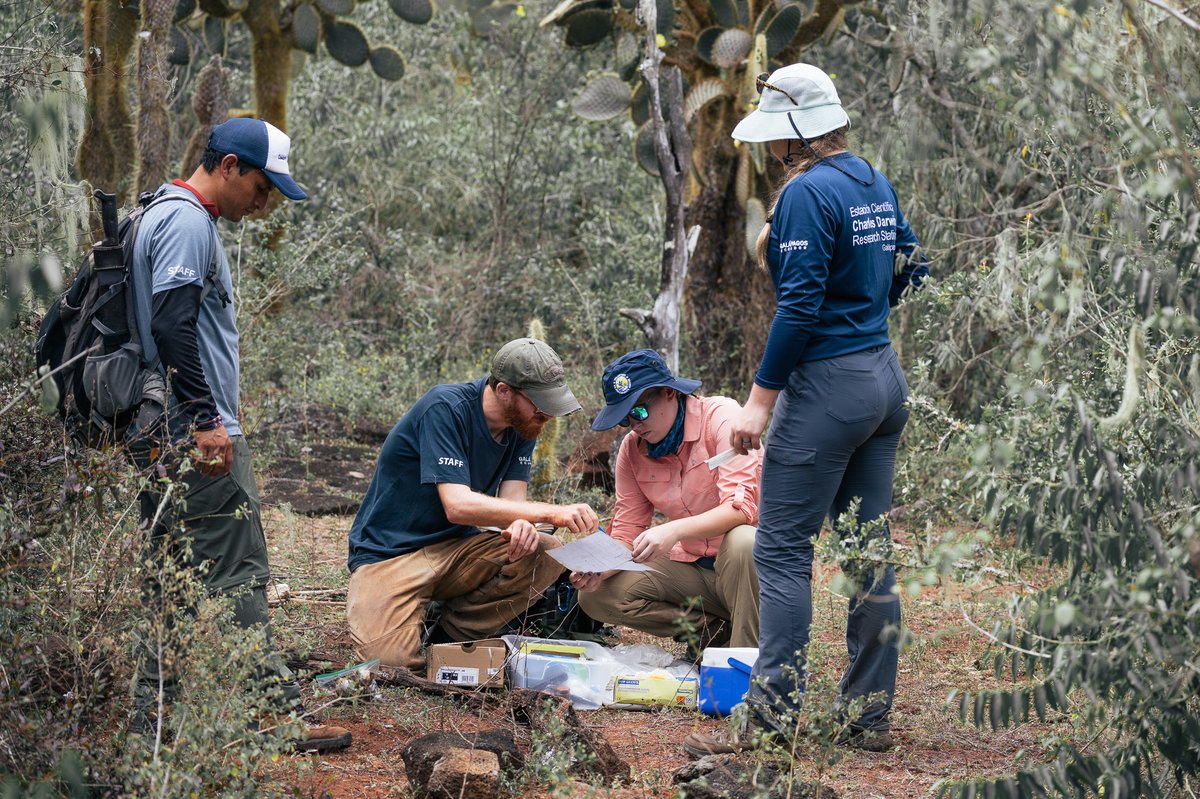
In November 2020, I joined the Galapagos Verde 2050 (GV2050) team during an exciting time. The team had just returned from an expedition to Punta Manzanillo on Española Island, where they had rediscovered a small population of Lecocarpus lecocarpoides, a species thought to be locally extinct. With 50 precious seeds collected, I was given a mission: to use these seeds to help recover the only population of this endangered species on the island.
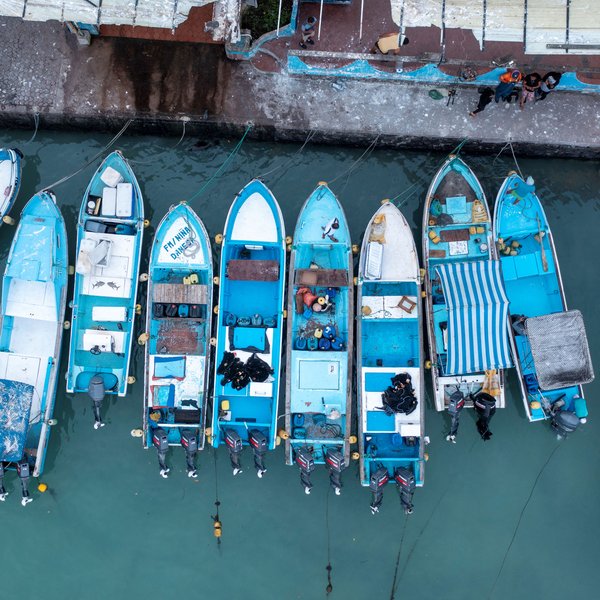
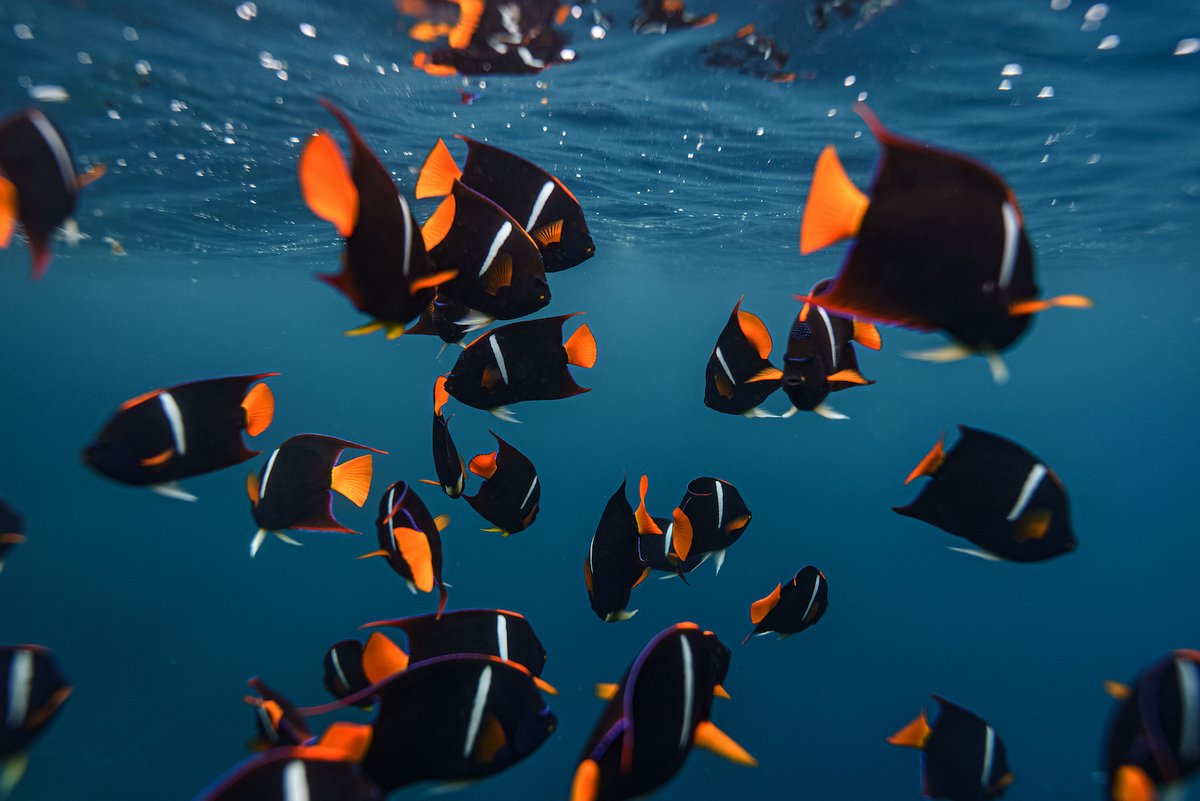
The artisanal fishing sector is vital to the Galapagos Islands, but it is facing increasing challenges such as climate change, unfair value chains, and over-exploitation. Our program seeks to create a more prosperous, autonomous, and fair seafood system that is respectful of the natural environment, and fosters resilience against environmental, socio-economic, and climate change.