Results
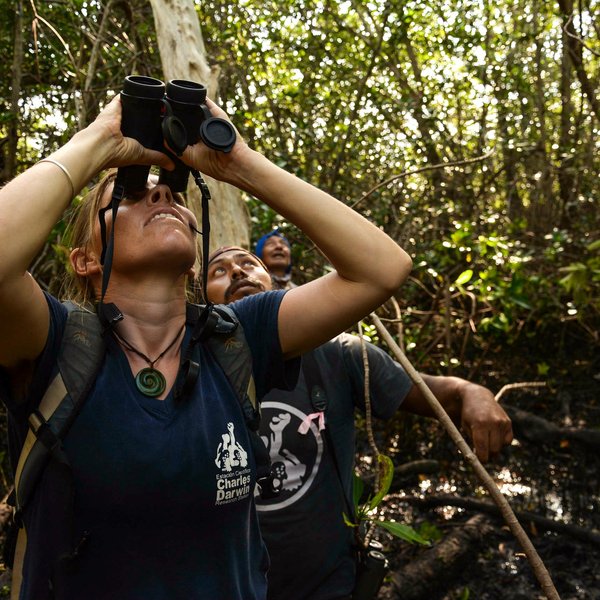
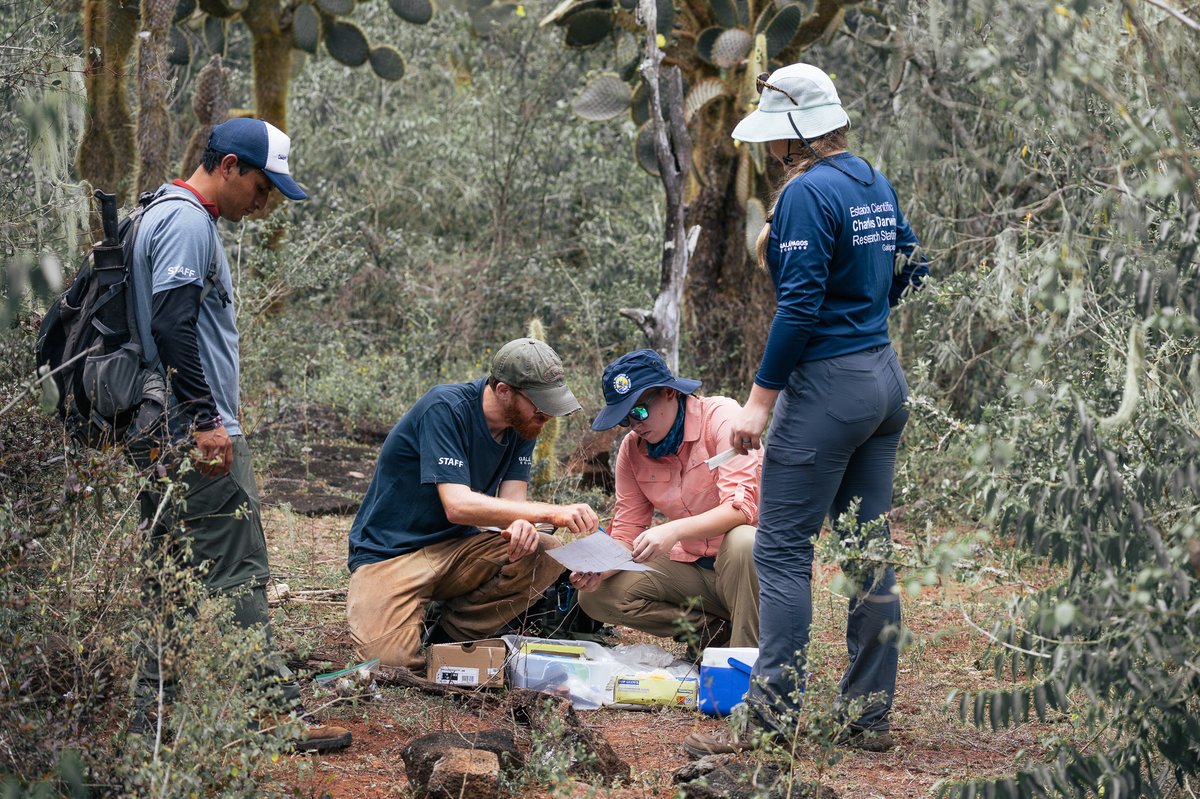
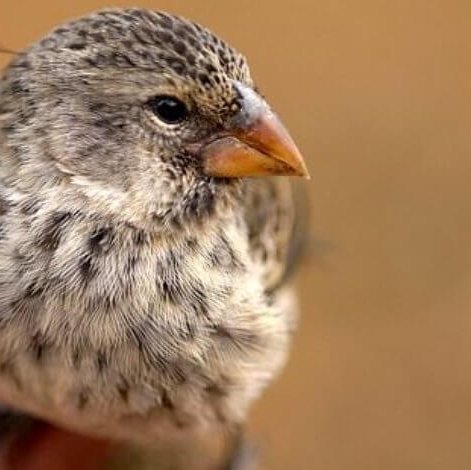
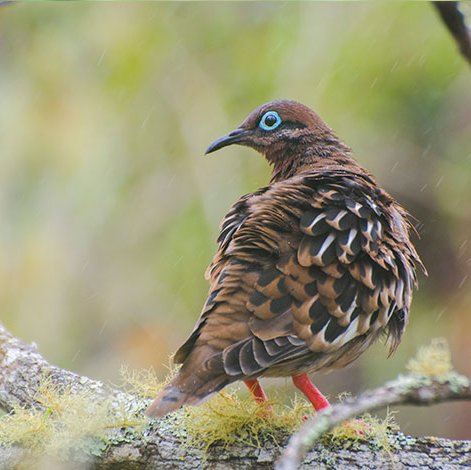
It is estimated that 20% of the populations of small landbirds found on the Galapagos Islands are declining or have gone locally extinct. Our scientists work to ensure the long-term conservation of small Galapagos landbird populations for the health of the islands’ ecosystems at large.
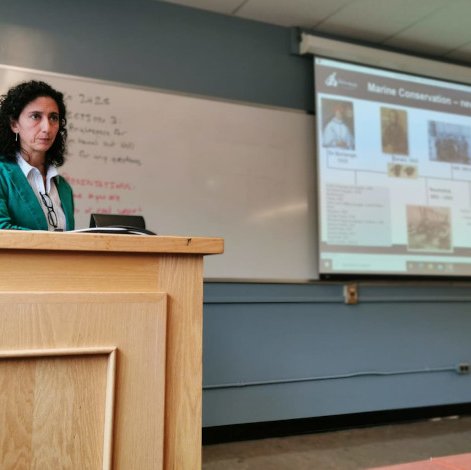
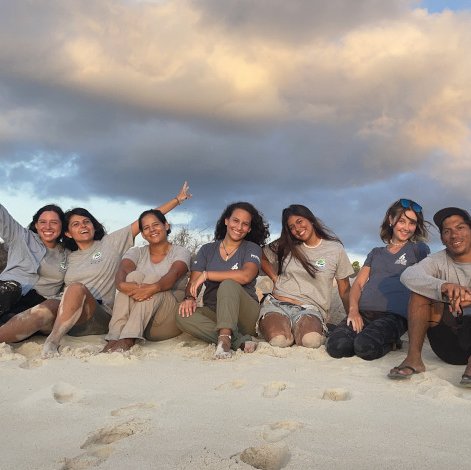
Celebrating seven years of the Galapagos Biodiversity and Education for Sustainability Fund
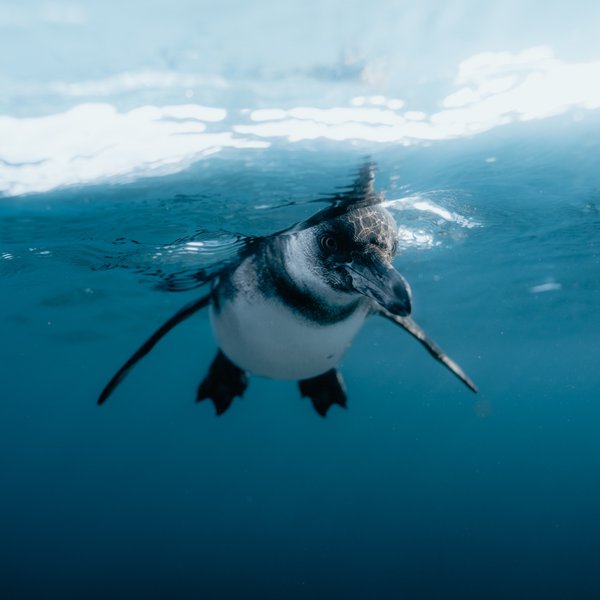
Threats such as climate change, introduced species, diseases, pollution, and fishery activity all put the Galapagos penguin at immediate risk of population decline. Your adoption of a Galapagos penguin will help us carry out annual monitoring of this species, in partnership with the Galapagos National Park Directorate.
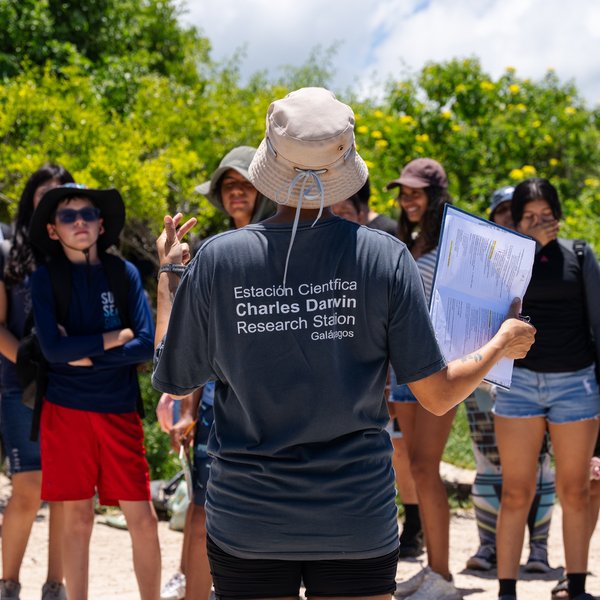
In 1966, a course at the Charles Darwin Research Station marked the beginning of environmental education in Galápagos. Teachers learned to use the natural environment as a teaching tool, linking conservation and community. This experience laid the foundation for context-based education that remains essential to protect the islands’ unique ecosystems.
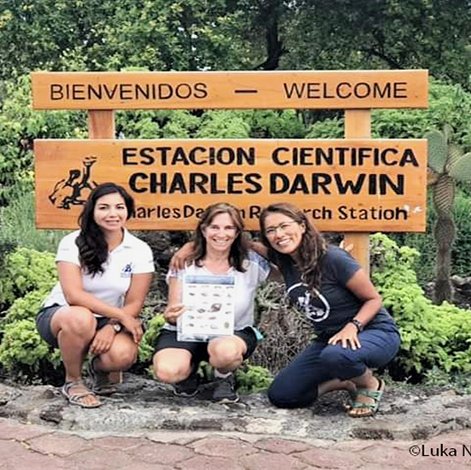

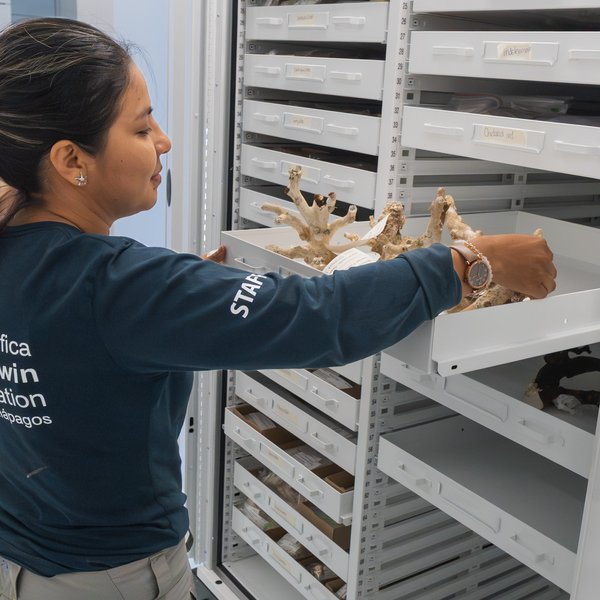
The Charles Darwin Foundation is home to the largest Natural History Collections of endemic, native and introduced species of Galapagos in Ecuador, with more than 135,000 specimens and 7,500 species across four Collections: Marine, Vertebrate, Terrestrial Invertebrate and a Herbarium.
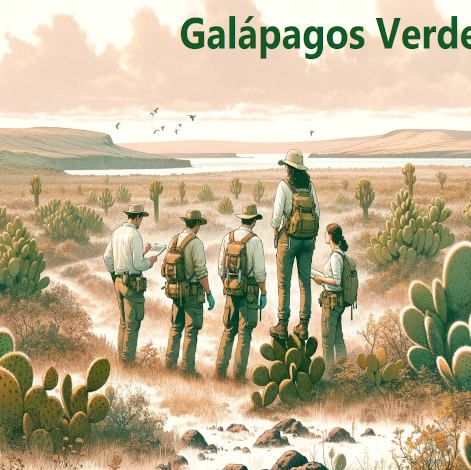
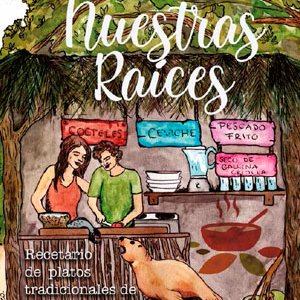
Explore delicious recipes from sustainable agriculture in Galapagos.
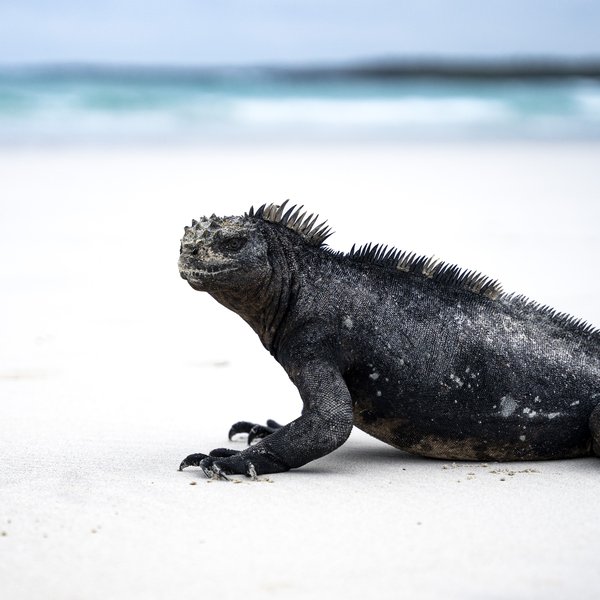
Start your own fundraiser today and us help inspire others to protect and preserve the unique fauna and flora of Galapagos!
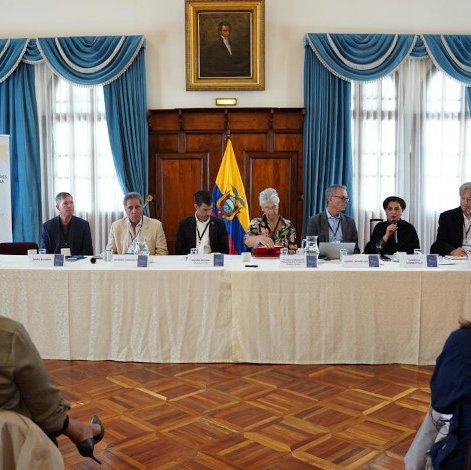
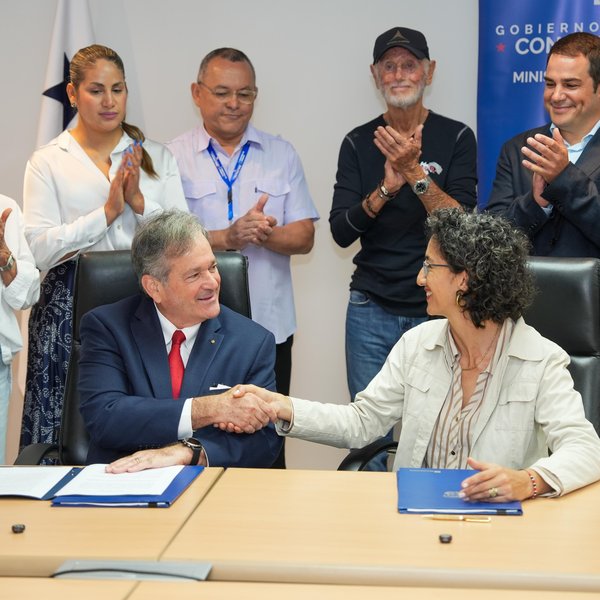
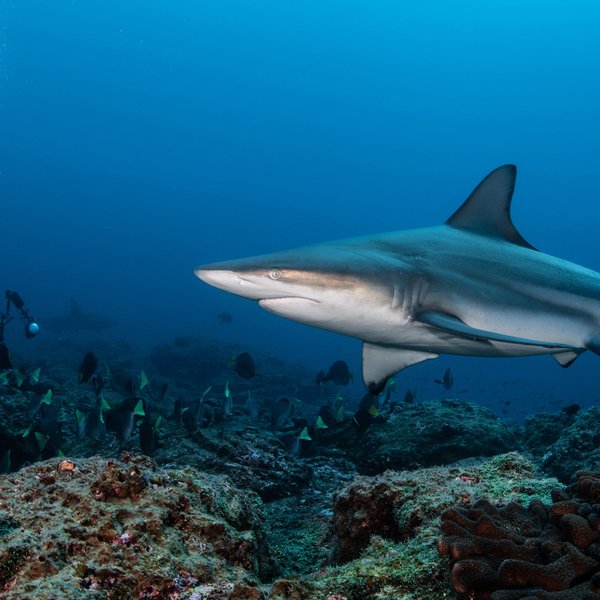
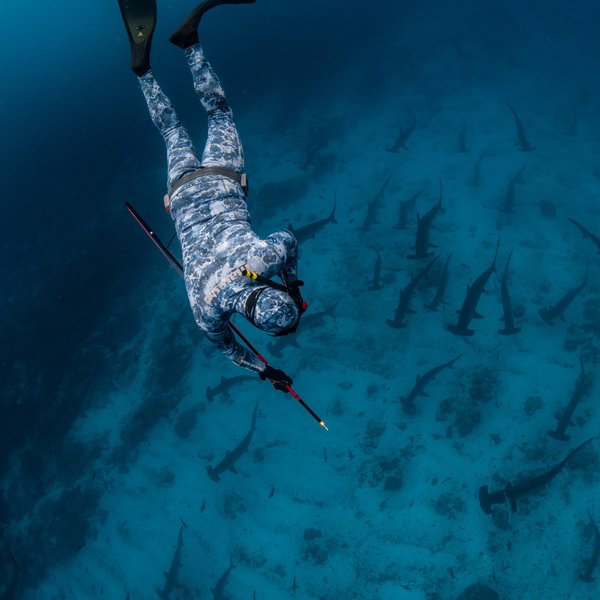
The Ministry of Environment of Panama and the Charles Darwin Foundation signed a Memorandum of Understanding to strengthen the transboundary protection of the migratory scalloped hammerhead shark and advance the recovery of their populations within the Eastern Tropical Pacific.