Results
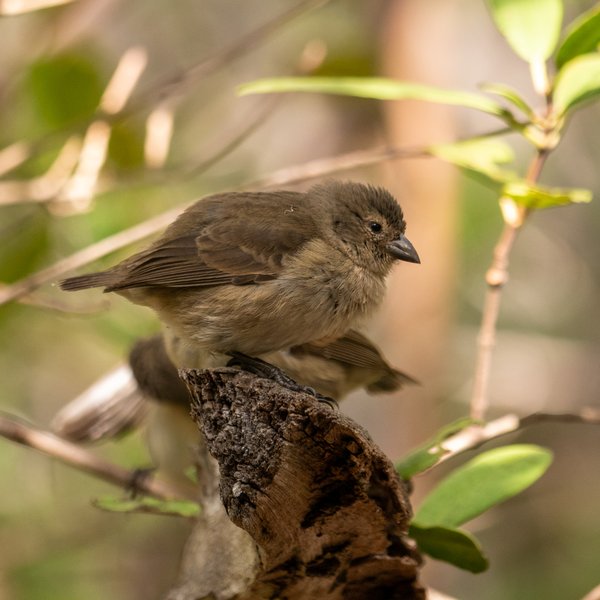
This year’s breeding season brought record success for the Little Vermilion Flycatcher with 39 fledglings, while the Critically Endangered Mangrove Finch continues to be a conservation priority. Discover how science, habitat restoration, and innovation are reshaping the future of Galápagos birds—and why this season marks a breakthrough in conservation.
Galápagos landbirds soar to new heights.
This year’s breeding season brought record success for the Little Vermilion Flycatcher and cautious hope for the Critically Endangered Mangrove Finch. Discover how science, habitat restoration, and innovation are reshaping the future of Galápagos birds—and why this season marks a breakthrough in conservation.
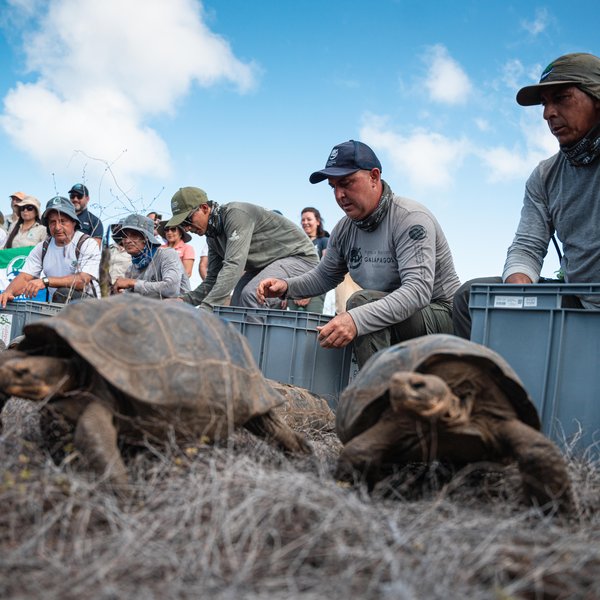
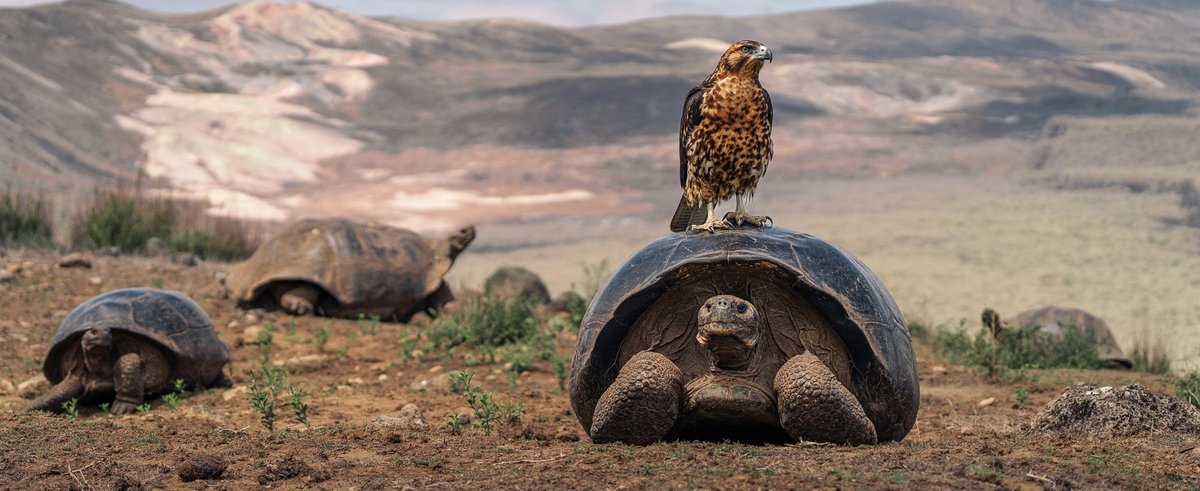
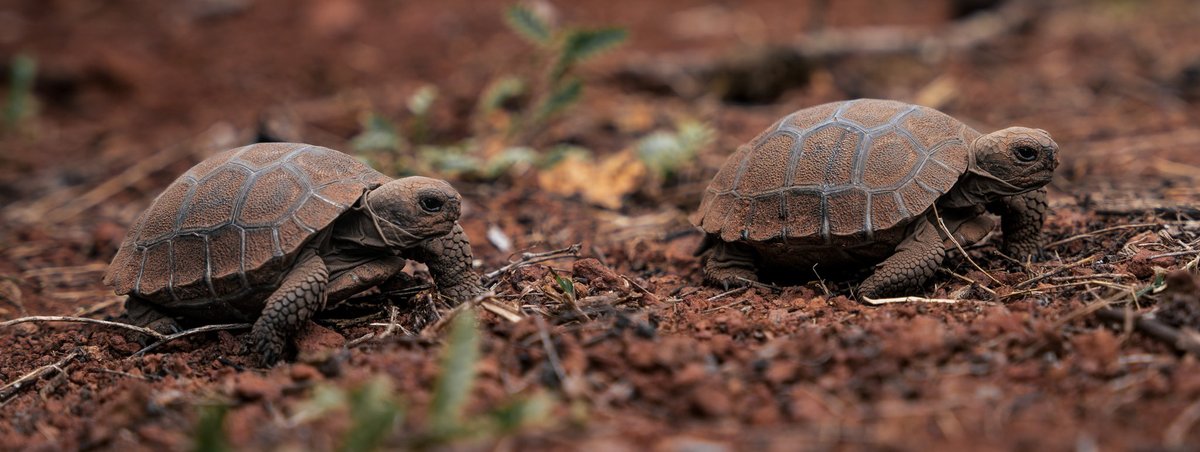
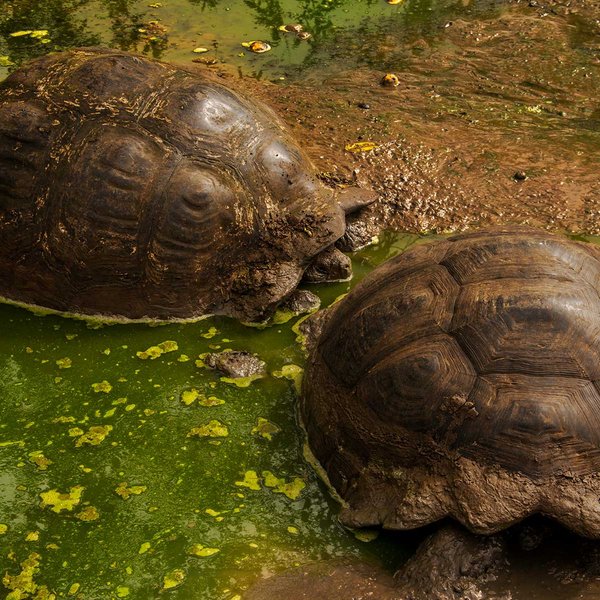
After more than 180 years, 158 endangered giant tortoises have returned to Floreana Island, marking a historic milestone in the Galápagos’ largest restoration effort. Discover how science, community leadership, and global collaboration are bringing back a lost lineage—and rebuilding an entire ecosystem from the ground up.
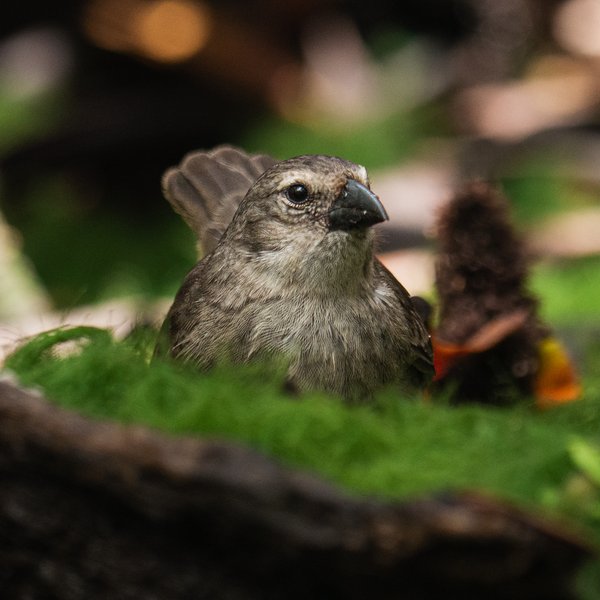
Scientists in Galápagos have recorded the most successful breeding season ever for the critically endangered Mangrove Finch, one of the world’s rarest birds. Discover how years of conservation work, innovative nest-protection strategies, and collaboration are offering new hope for this species’ survival in the remote mangrove forests of Isabela Island.
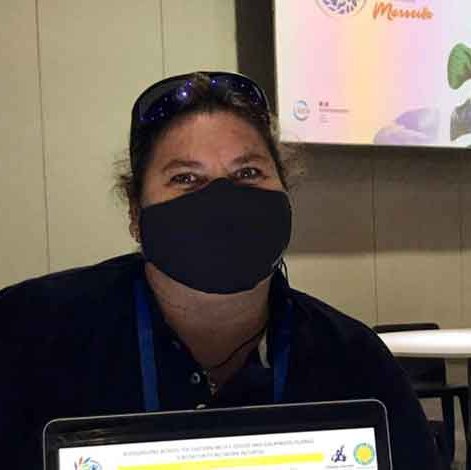
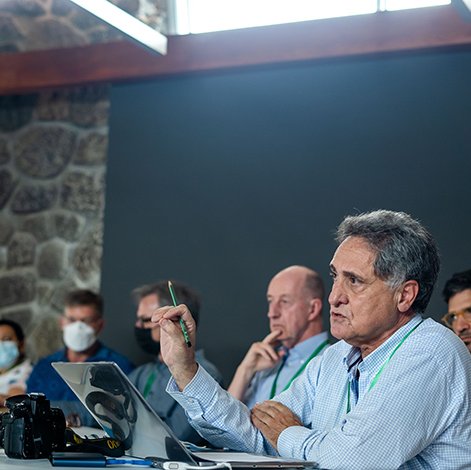
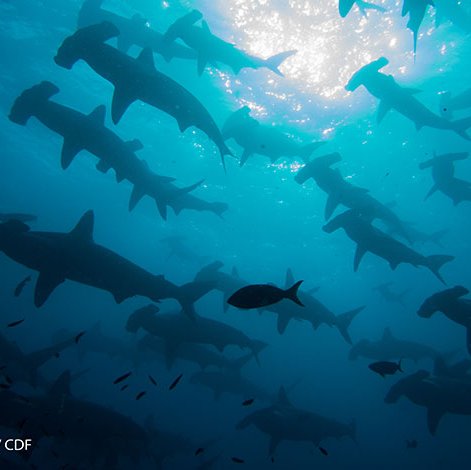
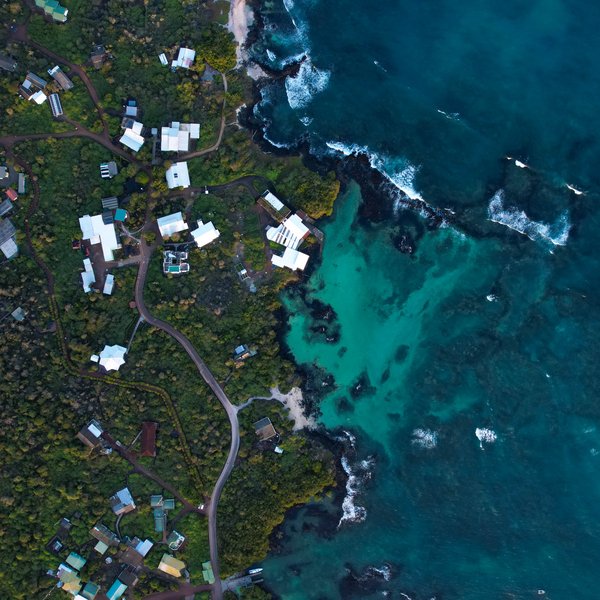
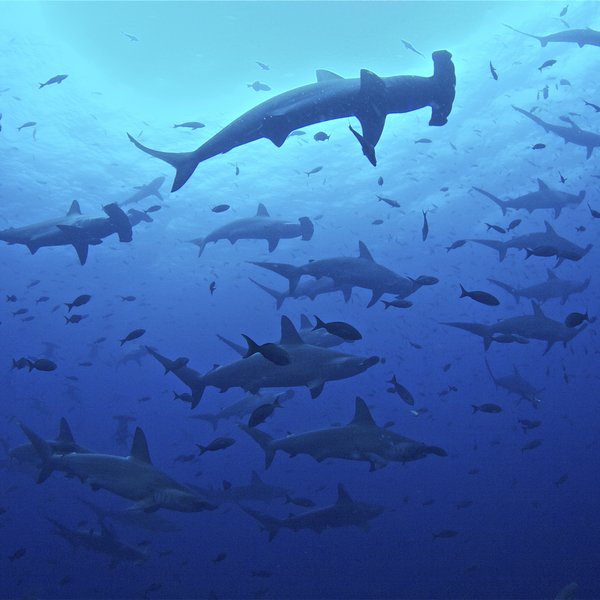
The Charles Darwin Foundation and WWF launch project "Habla Tiburón" to promote the conservation of sharks and rays and empower fishing communities in mainland and insular Ecuador
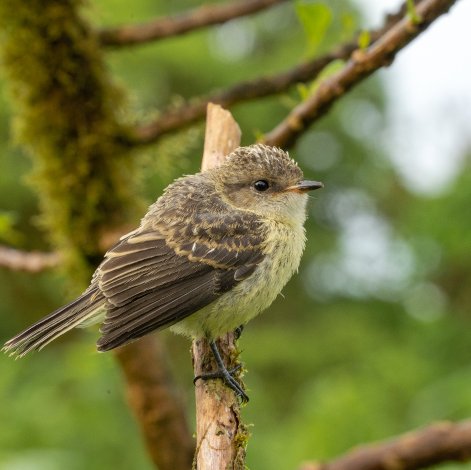
October 3, 2023, marks the beginning of the implementation phase of the Floreana Ecological Restoration Project, the largest and most ambitious restoration initiative currently underway in the Galapagos Islands.
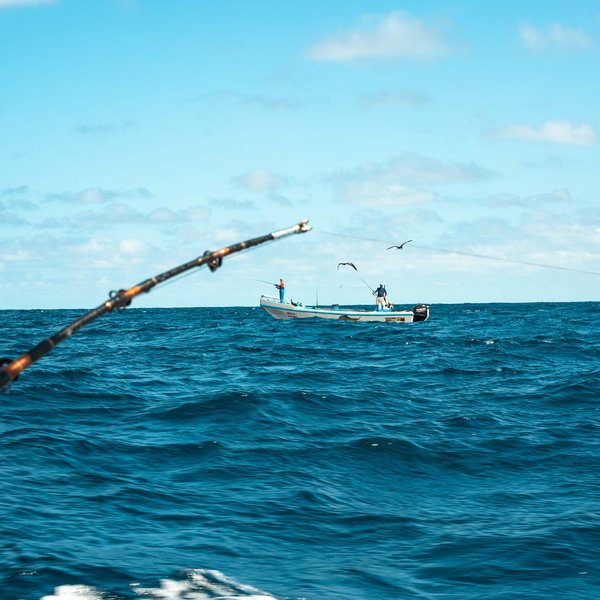
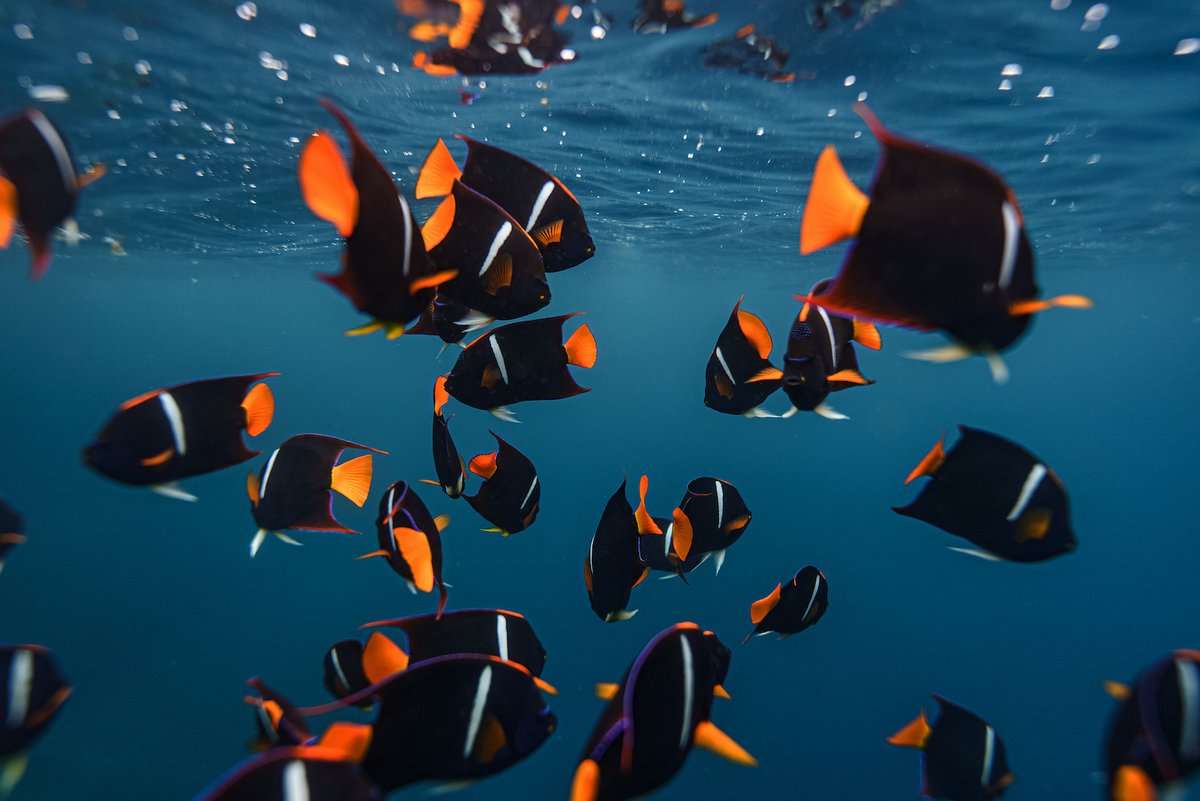
Discover how Galápagos waters fuel Ecuador’s economy and fight climate change. A groundbreaking study by CDF and partners reveals the immense value of marine ecosystems—from carbon-storing mangroves to booming tourism and fishing industries. Learn why protecting these waters is essential for sustainable development and global conservation efforts.
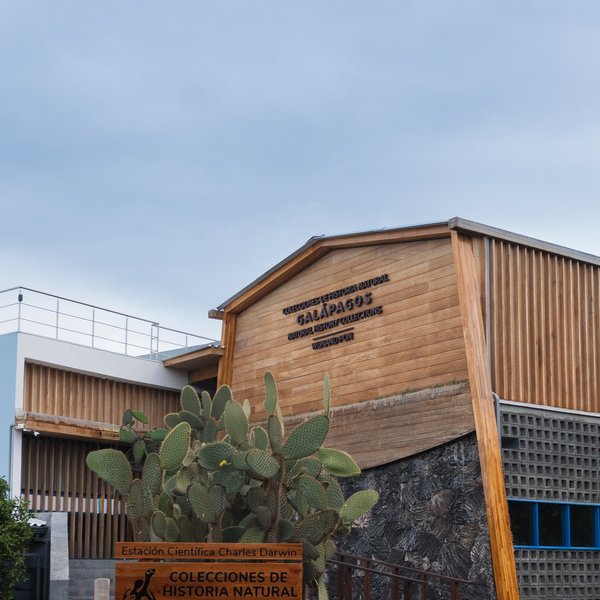
For the first time, the Charles Darwin Foundation opens Galápagos’ largest scientific collections to the public. Housing over 137,000 specimens, this new facility offers a rare glimpse into the science shaping conservation decisions and safeguarding one of the planet’s most extraordinary ecosystems.
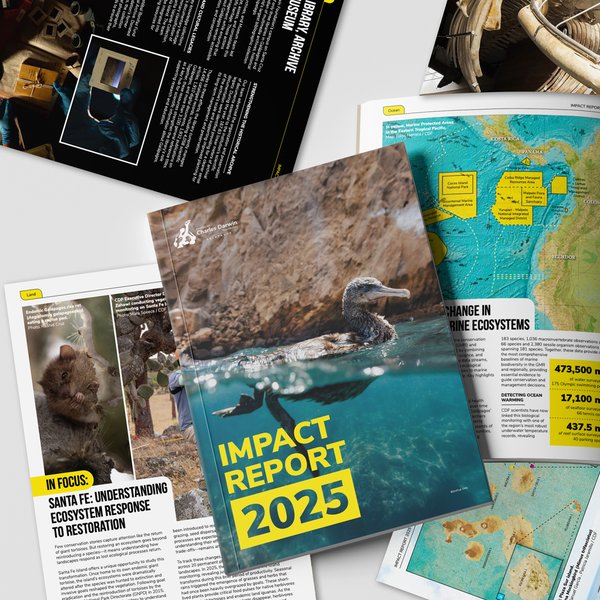
Check out our Impact Report featuring the work of our team and the most important scientific results obtained in 2025.
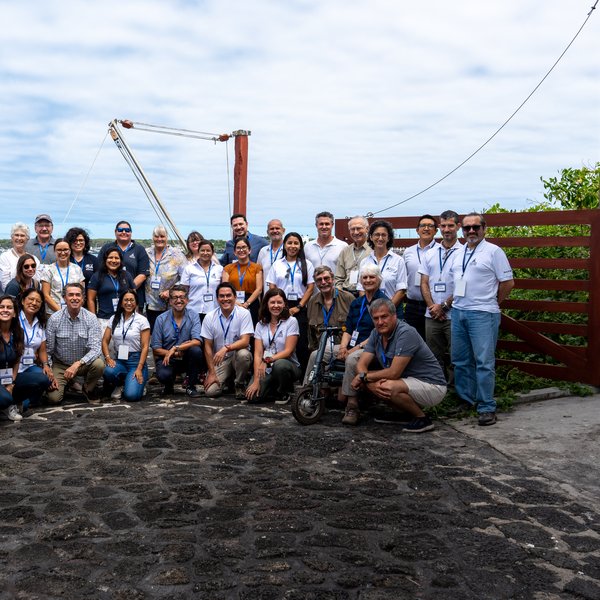
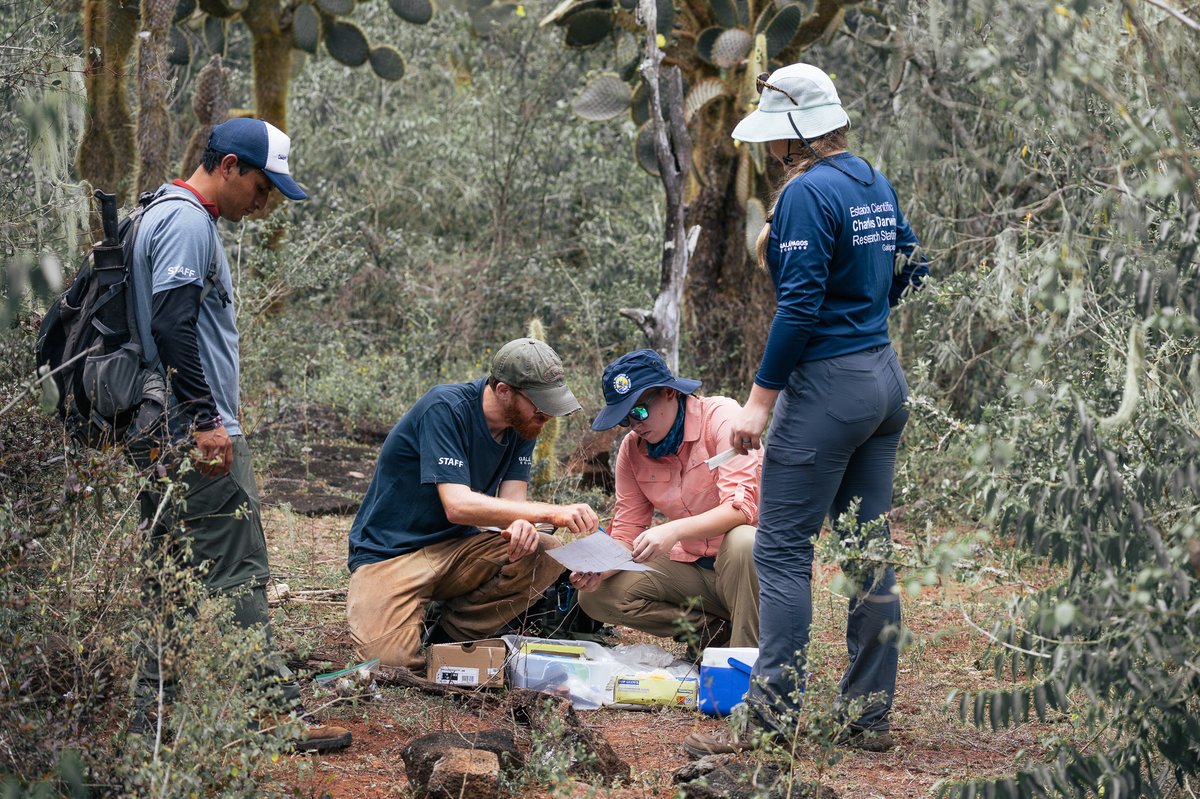
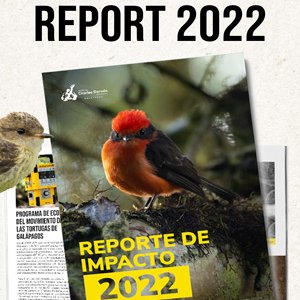
The Charles Darwin Foundation’s 2025 Impact Report highlights a year of scientific discoveries, conservation milestones, ecological restoration, and institutional growth across Galápagos. From species recoveries to new research infrastructure and large-scale restoration efforts, discover how science, collaboration, and local capacity are shaping a more resilient future for the archipelago.
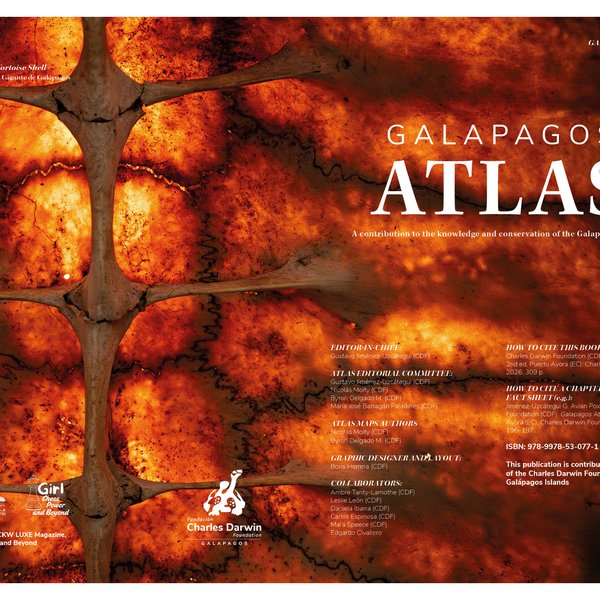
The new Galápagos Atlas 2026 offers a 309-page look at 68 species and species groups, combining purpose-built distribution maps with something rarely found in a reference guide: a clear record of what scientists still don’t know. Free to explore online, it highlights critical knowledge gaps and invites future research to strengthen conservation.