Results
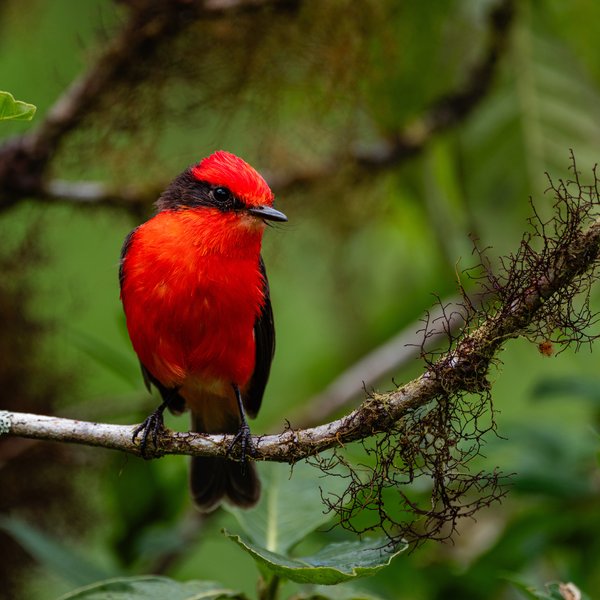
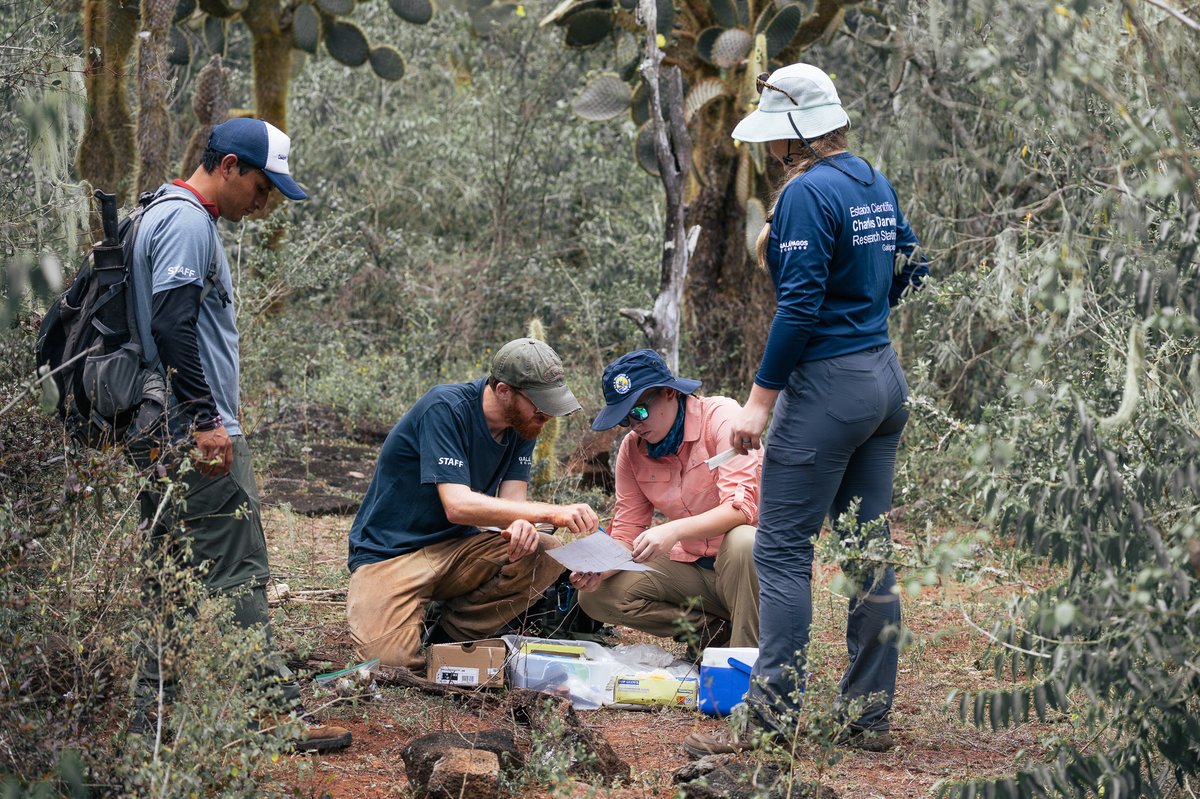
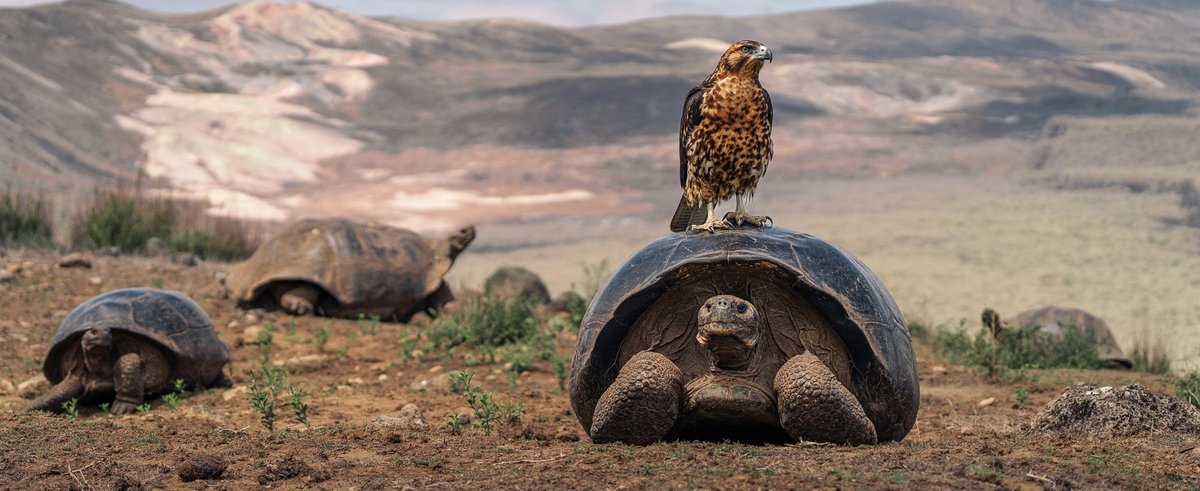
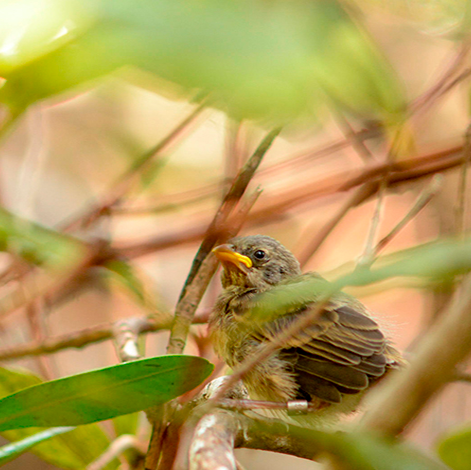
The Galápagos landbird breeding season (January–April) is critical for conservation. Monitoring and adaptive management, including innovative control of Philornis downsi, are improving nesting success. Early results show population recovery in key species, supported by habitat restoration. Ongoing data collection will determine long-term effectiveness and guide future conservation strategies.
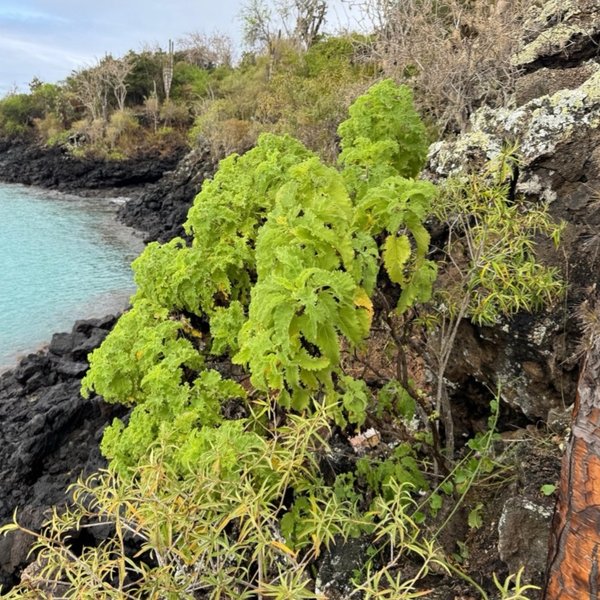
Scalesia plants in Galápagos illustrate adaptive radiation through variations in height, leaf size, and structure across environments. While these traits reflect their ability to adjust, rapid environmental changes may exceed their adaptive limits. Research identifies how these species respond, supporting monitoring and conservation efforts to protect vulnerable plant populations.
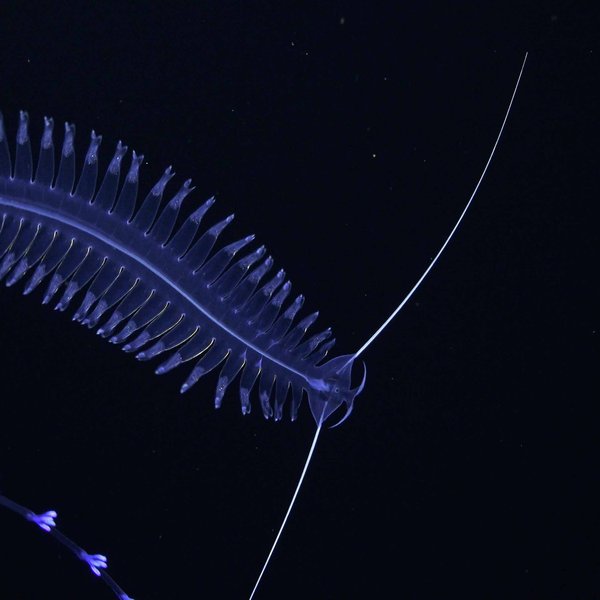
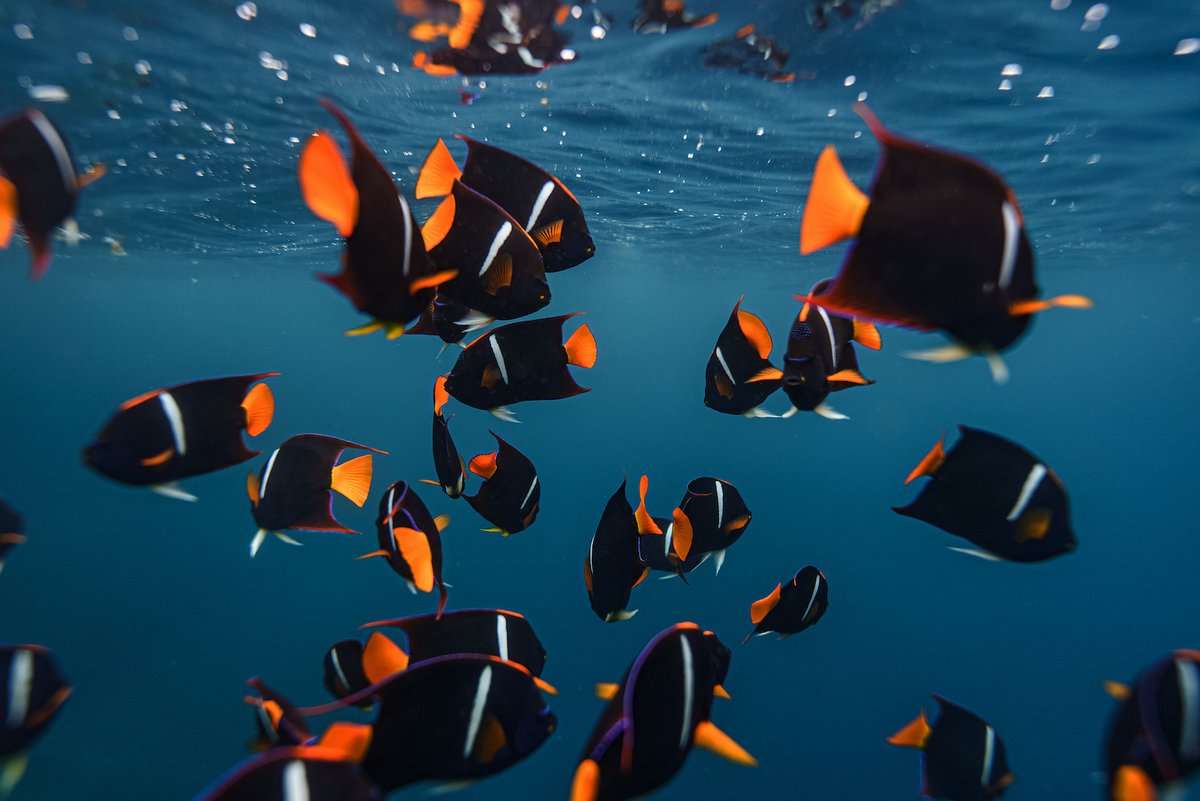
The deep ocean of the Eastern Tropical Pacific hosts unique ecosystems, including seamounts, deep reefs, and abyssal habitats. These environments support remarkable biodiversity, regulate climate, and connect migratory species. Scientific research is essential to discover new species, understand ecological processes, and strengthen conservation against growing environmental threats.
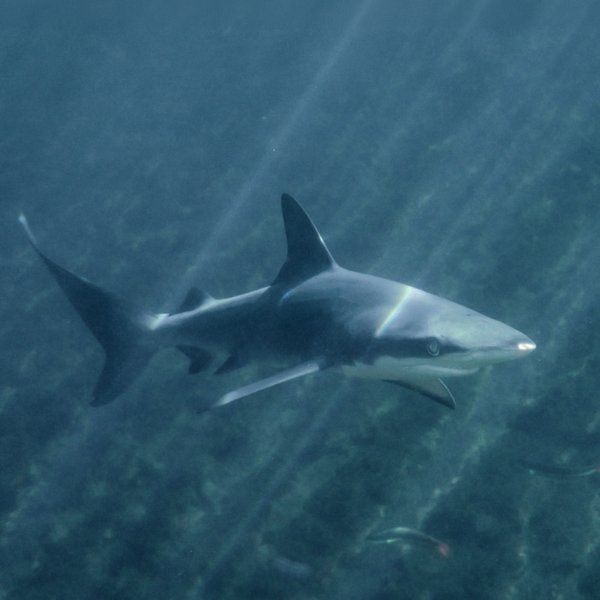
Galápagos sharks do not all behave the same. Hammerheads form large schools, whitetip reef sharks rest on reefs, tiger sharks repeatedly return to key feeding areas, and whale sharks undertake long migrations. Understanding these different behaviors helps protect critical habitats, migration routes, and supports more effective conservation strategies for each species.
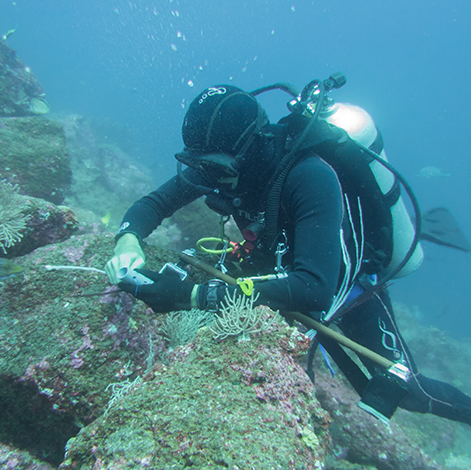


After nearly two decades of research, Lecocarpus lecocarpoides, a threatened Galápagos plant, is showing signs of recovery at Punta Manzanillo. The discovery of 54 seedlings shows that reintroduced plants produced viable seeds capable of naturally regenerating the population.
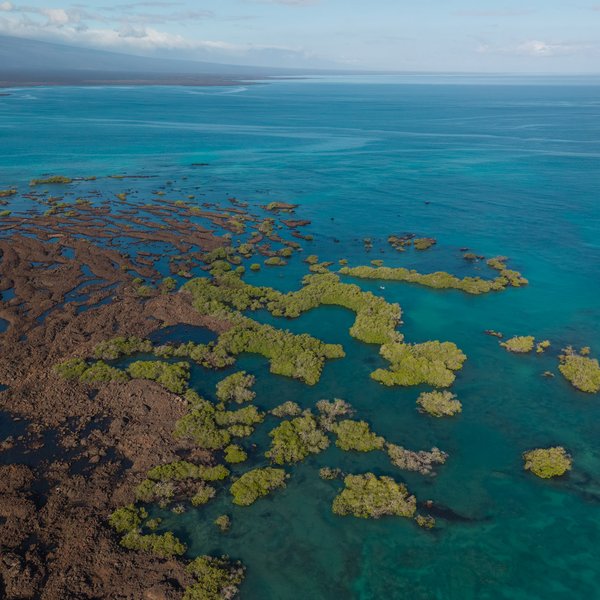
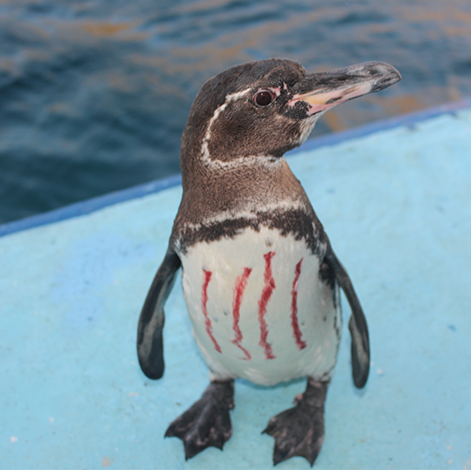
El Niño 2026 is transforming ocean conditions around Galápagos, with potential effects on food availability, reproduction, and survival across many species. Penguins, marine iguanas, sea lions, and corals are among the most vulnerable. Decades of scientific monitoring will help measure impacts and guide future conservation decisions across the archipelago effectively.

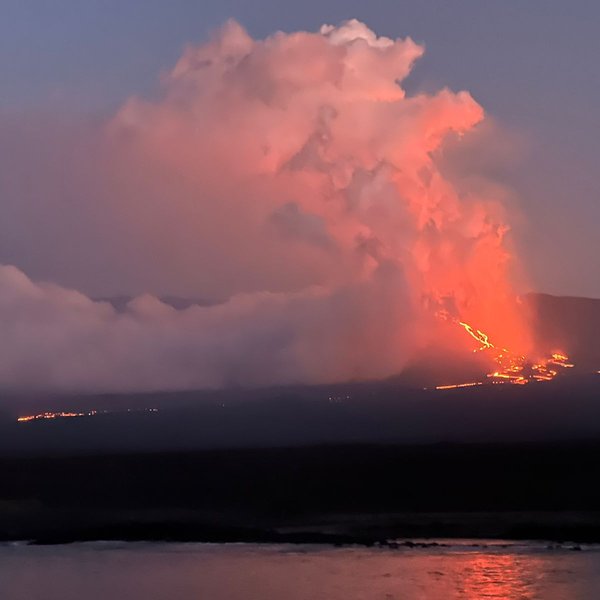
In an interview, renowned Galapagos volcanologist Dennis Geist tells us a bit more about the 2024 eruption and volcanic activity in Galapagos.