Results
A great resource for teachers to teach about the Galápagos Islands.
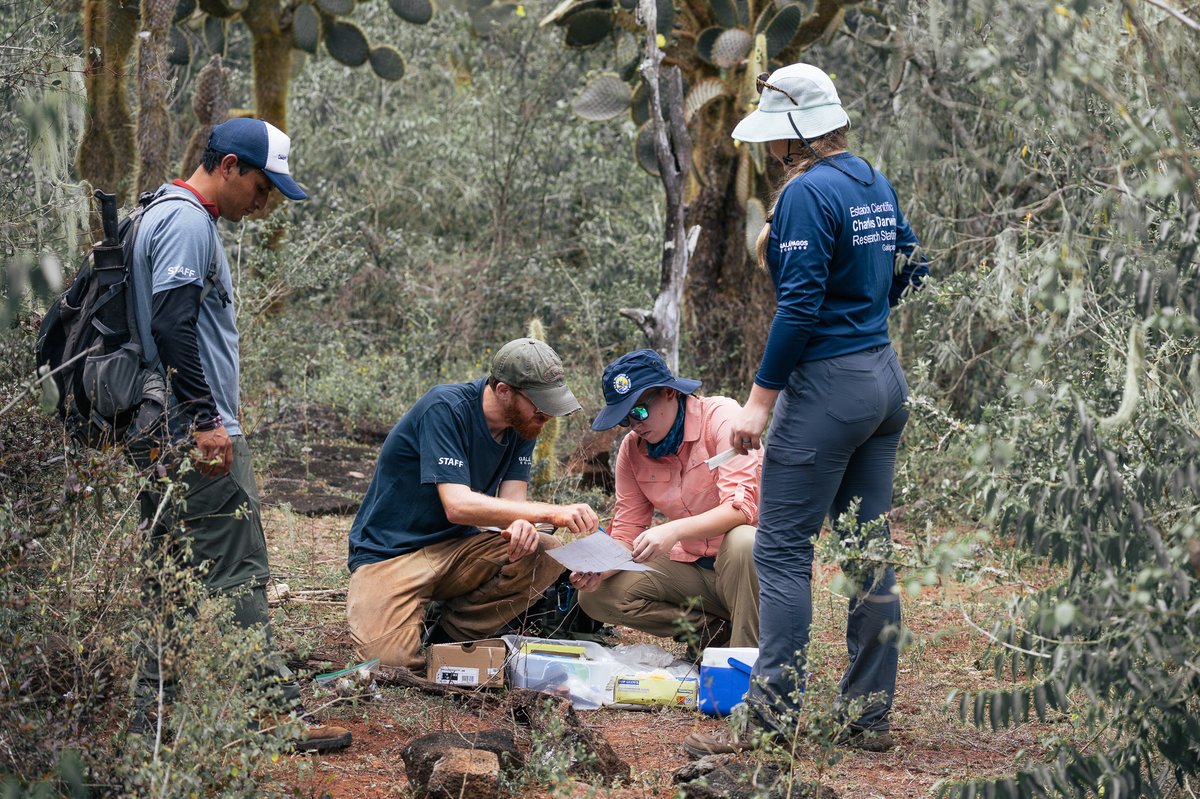
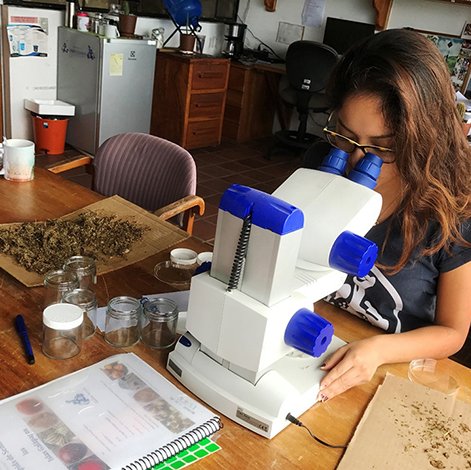
Meet CDF entemologist Karen Vera who talks about her work in the field and how it contributes to the restoration of Galapagos ecosystems.
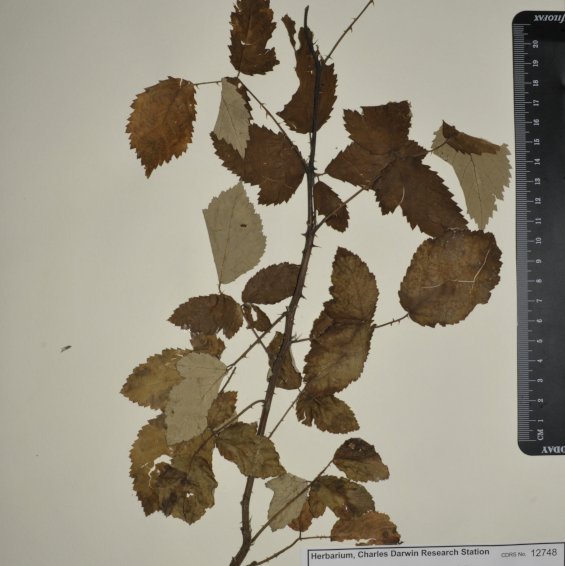
When we talk about Galapagos we always think of Darwin, giant tortoises and finches. But few outside Galapagos know about the Scalesia plants, commonly known as Darwin’s giant daisies.
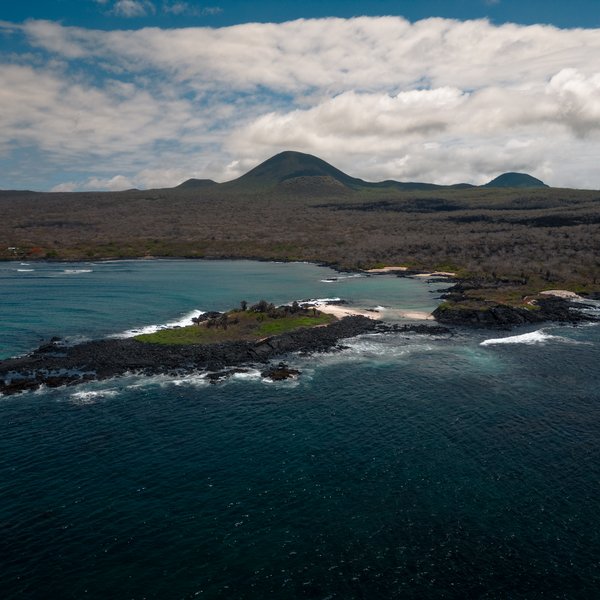
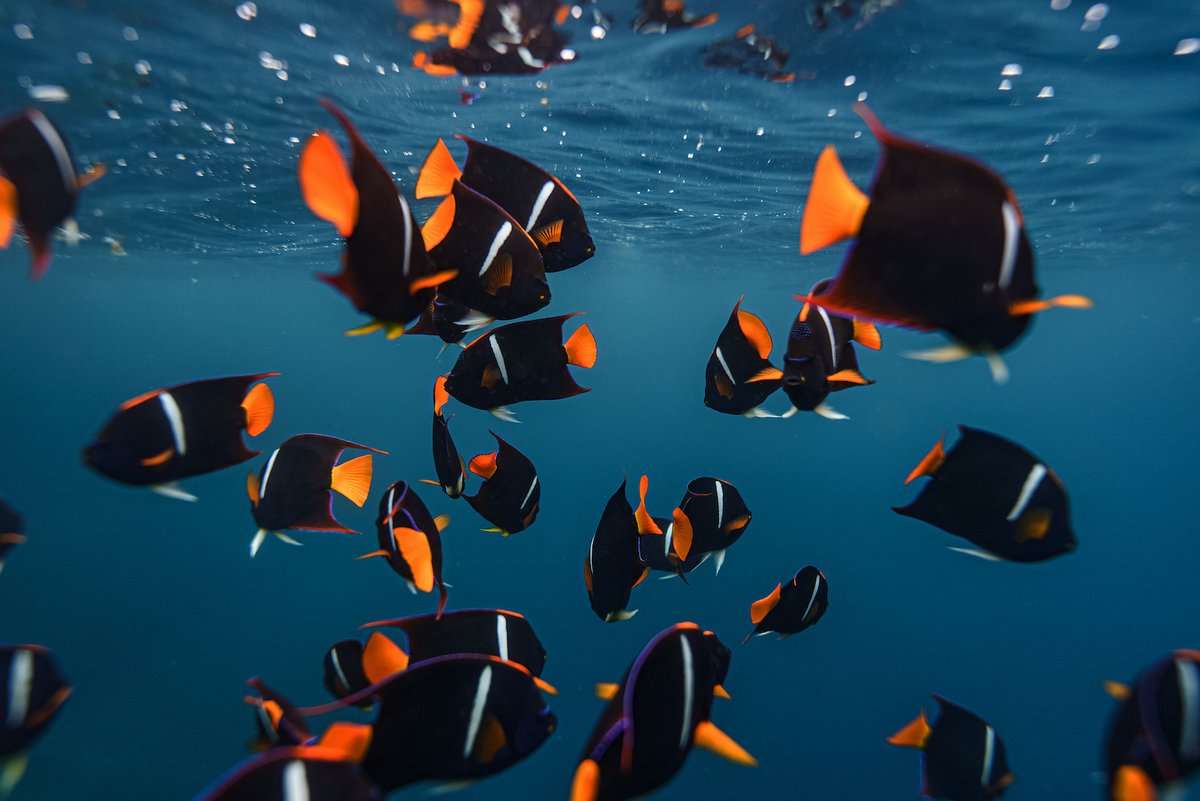
Artisanal fishing within the Galápagos Marine Reserve (GMR) is more than just a source of income—it is the livelihood of more than 500 families and an essential part of the islands' culture including hotels, cruise ships, restaurants and feeding local people. Yet, this vital tradition is under increasing pressure from the combined impacts of El Niño and climate change, which threaten marine biodiversity and the local economy. Drawing on insights from the recent scientific publication “An Overview of the Socioecological Impacts of the El Niño-Southern Oscillation and Climate Change on Artisanal Fisheries in the Galápagos”, co-authored by our Principal Investigator Jorge Ramírez, we explore how these threats affect local fisheries and what actions are needed to secure a more sustainable future.
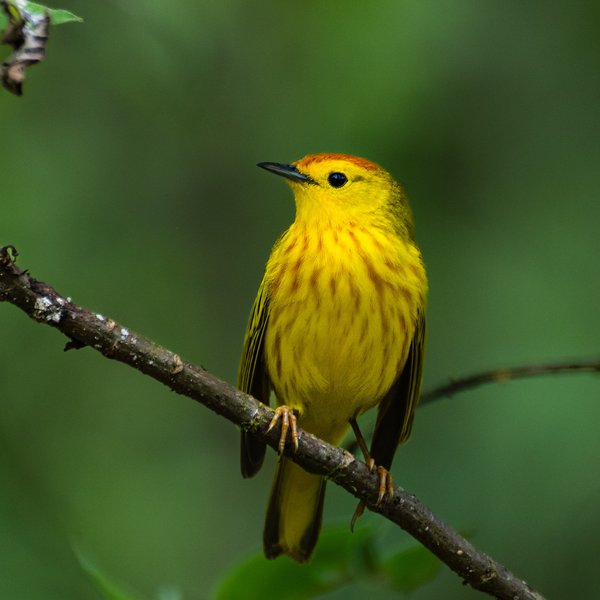
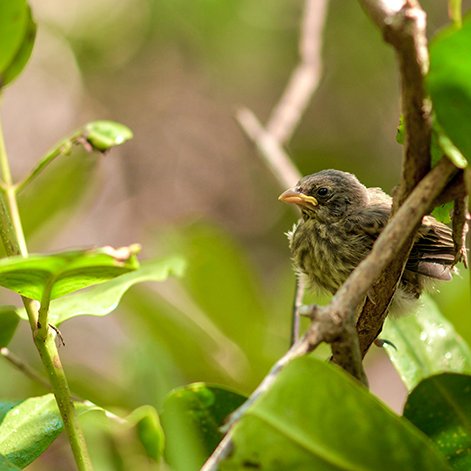
Beneath Galápagos’ iconic birds lies a hidden story of health and survival. A new study reveals the presence of viruses in landbird populations, offering the first baseline of disease risk in these unique species. Discover why monitoring “invisible diseases” is essential to protecting the future of Galápagos biodiversity.
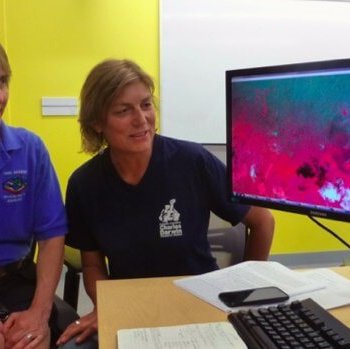
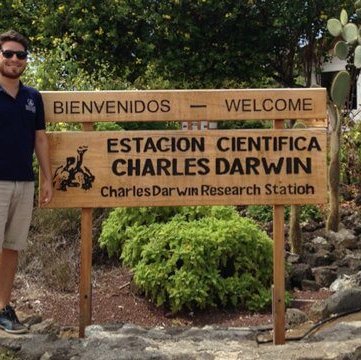
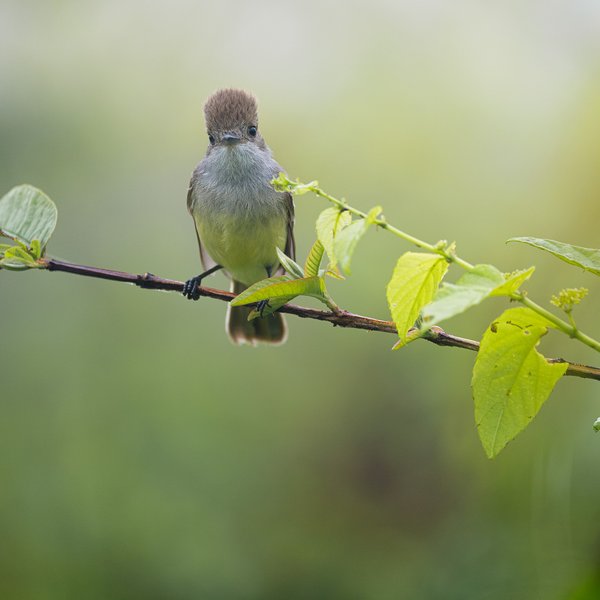
Gislayne Mendoza Alcívar, our lab technician was interviewed by our donor, Galapagos Conservation Trust, in which she shares her experience in studying the health of some of the islands' most endangered birds.